Embarking on the task of decorating a new home in Gilbert, Arizona, is akin to charting a course through a well-lit but vast expanse. It’s an opportunity to sculpt your personal sanctuary, a canvas awaiting your unique imprint. Gilbert, a burgeoning hub in the Phoenix metropolitan area, offers a distinct backdrop for this endeavor, characterized by its family-friendly atmosphere, growing infrastructure, and a climate that influences both lifestyle and aesthetic choices. This guide aims to equip you with foundational knowledge, practical considerations, and actionable strategies for transforming your new Gilbert residence into a comfortable and stylish haven that reflects your individuality.
Understanding Your Gilbert Environment: A Foundation for Design
Before the paint hues are chosen or the furniture is placed, it is imperative to attune yourself to the specific environmental factors that shape life in Gilbert. This isn’t merely about climate; it’s about understanding the prevailing architectural styles, the common materials used in local construction, and the way natural light interacts with your living spaces. Gilbert’s desert landscape, with its abundant sunshine, presents both opportunities and challenges for interior design.
The Influence of the Arizona Climate on Your Decor
The intense sunlight that bathes Gilbert for much of the year can be a powerful ally or an unwelcome adversary. Properly harnessed, it can accentuate colors, create a sense of spaciousness, and foster a connection with the outdoors. However, unchecked, it can also lead to harsh glare, premature fading of fabrics and finishes, and an uncomfortable increase in interior temperature.
Maximizing Natural Light
Learning to work with the generous sunlight available is paramount. Consider window treatments that allow for diffusion rather than complete blockage. Sheer curtains or blinds with adjustable slats can filter the light, softening its intensity while still illuminating your space. Strategic placement of mirrors can further amplify the natural light, bouncing it deeper into rooms and creating an illusion of greater size. Think of mirrors as benevolent sun-catchers, extending the illumination.
Mitigating Heat Gain
The summer months in Gilbert necessitate a thoughtful approach to heat management. Certain colors can absorb and retain heat, while others reflect it. Lighter, cooler tones on walls and larger surfaces can contribute to a more comfortable interior temperature. Furthermore, consider the thermal properties of your chosen materials. Natural fibers like cotton and linen tend to be more breathable than synthetic alternatives, and judicious use of area rugs made from jute or wool can help insulate floors.
Embracing Indoor-Outdoor Living
Gilbert’s temperate climate encourages a lifestyle that seamlessly blends indoor and outdoor spaces. Your interior design should ideally complement and extend this connection. Think about how your living room flows into your patio or how your kitchen opens onto a dining area under the stars.
Extending Your Living Space Outdoors
When decorating your interiors, consider how they will visually merge with your exterior. This might involve selecting furniture fabrics that can withstand occasional outdoor use, or choosing color palettes that echo the natural hues of your Arizona surroundings – the earthy tones of the desert, the vibrant greens of mature landscaping, or the deep blues of the expansive sky.
Window and Door Treatments for Connection
The choice of window and door treatments plays a pivotal role in fostering this indoor-outdoor connection. Large, unobstructed windows are ideal for showcasing your backyard oasis or the meticulously maintained desert flora. Sliding glass doors or expansive French doors can act as portals, blurring the lines between your home’s interior and its exterior environments.
Developing Your Design Aesthetic: A Personal Blueprint
Transforming a new house into a home is a deeply personal journey. Your design aesthetic is the guiding star, the compass that navigates you through the myriad of choices. In Gilbert, as elsewhere, popular interior design styles abound, but the most effective approach is to distill your preferences into a cohesive vision that resonates with your lifestyle and personality.
Identifying Your Core Style Preferences
This initial phase involves introspection. What colors make you feel most at ease? What textures do you find appealing? What is the overall mood you wish to cultivate in your home?
The Role of Inspiration and Mood Boards
Gathering inspiration is a crucial step in solidifying your aesthetic. Browse interior design magazines, explore Pinterest and Instagram, and visit local home décor stores in Gilbert. Create a mood board – a physical or digital collage of images, fabric swatches, and color samples – that encapsulates your desired look and feel. This serves as a visual anchor, preventing stylistic drift.
Considering Functionality Alongside Form
A beautiful home is also a functional one. Before committing to a particular style, consider how you live. If you entertain frequently, you’ll require comfortable seating and ample surface area. If you work from home, a dedicated and inspiring workspace is essential. Your chosen aesthetic should enhance, not hinder, your daily routines.
Exploring Popular Design Trends in Gilbert
While personal preference reigns supreme, understanding prevalent design currents can offer valuable insights and potential starting points. Gilbert, like many rapidly developing communities, often embraces styles that are both modern and welcoming.
Contemporary and Mid-Century Modern Influences
These styles often find favor in Gilbert, characterized by clean lines, uncluttered spaces, and a focus on natural materials. Mid-century modern, with its organic shapes and integration of indoor and outdoor living, aligns particularly well with the Arizona lifestyle.
Desert-Inspired and Southwestern Aesthetics
A genuine immersion in the local environment can lead to a captivating desert-inspired or Southwestern aesthetic. This involves incorporating natural materials like wood, stone, and adobe, alongside a color palette drawn from the desert landscape – warm earth tones, terracotta, sandy beiges, and pops of turquoise or rust. Think of it as bringing the soul of the desert indoors.
Embracing Natural Materials
Wood, in its various forms, is a cornerstone of these styles. Consider reclaimed wood for accent walls or furniture, bamboo for flooring or blinds, and woven natural fibers for rugs and decorative elements. Stone, whether as a fireplace surround or in accent pieces, adds a grounded, organic feel.
Color Palettes of the Southwest
Your color palette can be as vibrant or as muted as you desire, but drawing inspiration from the desert is a solid starting point. Imagine the muted greens of cacti after a rain, the deep ochre of canyon walls, or the subtle blush of a desert sunset.
Planning Your Interior Layout: The Spatial Symphony
The spatial configuration of your new home is the bedrock upon which your entire decorating effort rests. Thoughtful planning of your interior layout ensures optimal flow, functionality, and a harmonious relationship between different zones within your living space. Gilbert’s homes often offer a range of floor plans, from sprawling single-story residences to more compact townhouses.
Optimizing Room Functionality and Flow
Each room should serve a distinct purpose, and the transitions between these spaces should feel natural and intuitive. Consider how you move through your home on a daily basis.
Defining Zones Within Open-Concept Living
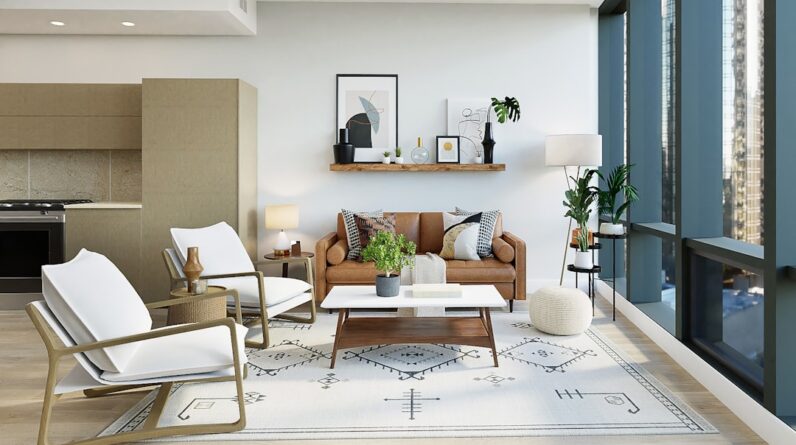
Many contemporary homes in Gilbert feature open-concept living areas. Here, clever use of furniture placement, area rugs, and lighting can subtly define distinct zones for living, dining, and entertaining without the need for visual barriers. Imagine placing a plush sofa as the anchor for your living area, with a distinct rug delineating the dining space.
Creating Dedicated Work and Relaxation Areas
As your needs evolve, so too will the required functionality of your home. Dedicate specific areas for tasks and for unwinding. This might involve a well-appointed home office, a cozy reading nook, or a family room designed for movie nights.
Furniture Selection and Placement: The Art of Arrangement
The selection and placement of furniture are perhaps the most tangible aspects of interior decorating. They dictate the functionality, comfort, and overall aesthetic of each room.
Scale and Proportion: A Balancing Act
Ensure that your furniture is appropriately scaled to the size of your rooms. Oversized pieces in a small room can make it feel cramped, while undersized furniture in a large space can appear lost and insignificant. The principle of proportion is key to achieving visual balance.
Functionality Meets Comfort: Choosing Wisely
When selecting furniture, prioritize both its aesthetic appeal and its practical utility. A comfortable sofa is an investment in relaxation, and a sturdy dining table is the centerpiece of many family gatherings. Consider durable fabrics and finishes that can withstand the rigmas of daily life, especially if you have children or pets.
Durability for High-Traffic Areas
In a home that is actively lived in, durability is paramount, particularly in high-traffic areas like living rooms and hallways. Opt for furniture with robust construction and upholstery materials that are resistant to wear and tear.
Multifunctional Furniture for Space Optimization
For smaller homes or rooms with multiple purposes, multifunctional furniture can be a game-changer. Think of ottomans with hidden storage, sofa beds that convert to guest sleeping arrangements, or nesting coffee tables that can be expanded as needed.
Color and Lighting: The Emotional Palette and Atmosphere Creators
Color and lighting are the twin architects of a room’s atmosphere. They have the power to transform a space, evoke specific emotions, and enhance the overall mood of your Gilbert home. Mastering their interplay is crucial for a successful decorating project.
The Psychology of Color in Interior Design
Color is more than just decoration; it’s a powerful psychological tool. Understanding how different hues affect mood and perception can guide your choices for each room.
Warm vs. Cool Color Schemes
Warm colors, such as reds, oranges, and yellows, tend to be invigorating and cozy, ideal for living areas and gathering spaces. Cool colors, like blues, greens, and purples, promote calmness and serenity, making them well-suited for bedrooms and bathrooms.
Neutral Palettes for Versatility
Neutral color schemes – whites, grays, beiges, and creams – offer a sophisticated and versatile foundation. They provide a backdrop that allows other decorative elements to shine and can be easily updated with seasonal accents. In Gilbert’s sunny climate, light neutrals can help reflect light and maintain a cooler interior.
Creating a Sense of Spaciousness with Light Colors
Lighter shades on walls and ceilings can visually expand a room, making it feel more open and airy. This is particularly effective in smaller spaces or rooms with limited natural light.
Adding Depth and Interest with Accent Colors
While neutrals provide a calming base, strategically placed accent colors can inject personality and visual interest. These can be introduced through throw pillows, artwork, or a single statement piece of furniture.
The Art of Illuminating Your Space
Effective lighting is not merely about functionality; it’s about creating layers of ambiance and highlighting architectural features or decorative elements. Gilbert’s abundant sunlight means that artificial lighting needs to complement, not compete with, natural illumination.
Ambient Lighting: The Foundation of Illumination
Ambient lighting provides the general illumination for a room. This is typically achieved through ceiling fixtures, recessed lighting, or floor lamps that cast a broad, diffused light.
Task Lighting: Enhancing Functionality
Task lighting is designed to illuminate specific areas for focused activities. This includes pendant lights over kitchen islands, desk lamps in home offices, or reading lights beside armchairs.
Accent Lighting: Drawing Attention to Key Features
Accent lighting is used to draw attention to specific objects or architectural details – a piece of artwork, a textured wall, or a decorative display. This can be achieved with spotlights, track lighting, or wall sconces.
The Impact of Light Fixture Styles
The style of your light fixtures also contributes significantly to the overall aesthetic of your home. From minimalist modern designs to more ornate traditional pieces, choose fixtures that align with your chosen design style and enhance the mood you wish to create.
Accessorizing and Finishing Touches: The Personal Narrative
Once the foundational elements of your interior design are in place – the layout, the furniture, the colors, and the lighting – it is time for the final, yet crucial, stage: accessorizing. This is where you imbue your Gilbert home with your personal narrative, transforming it from a well-designed space into a truly lived-in and loved sanctuary.
The Power of Personal Touches and Artwork
Accessories are the embellishments that tell your story. They are the collected treasures, the thoughtfully chosen pieces that reflect your interests, experiences, and personality.
Curating Your Decorative Objects
From photographs of loved ones to souvenirs from past travels, the objects you display should hold meaning for you. Avoid clutter for the sake of clutter; instead, curate a collection of items that bring you joy or inspire you.
Artwork as a Reflective Surface
Artwork is a powerful medium for expressing your personality and enhancing the aesthetic of your home. Whether you prefer bold abstract pieces, serene landscapes, or vibrant photography, choose art that resonates with you and complements your existing décor.
Choosing Art That Complements Your Palette
When selecting artwork, consider how its colors and themes will interact with your chosen color palette and overall design style. A vibrant piece can act as a focal point in a neutral room, while a more muted artwork can add a subtle touch of sophistication.
The Impact of Scale and Placement
The scale of your artwork should be appropriate for the wall space it occupies. A small print on a large wall can appear lost, while an oversized canvas in a cramped space can overwhelm it. Consider the height at which you hang artwork, aiming for eye-level viewing to maximize its impact.
Textiles and Soft Furnishings: Layering Comfort and Style
Textiles and soft furnishings – including rugs, curtains, throw pillows, and blankets – are essential for adding warmth, texture, and visual interest to your home. They are the elements that invite you to relax and make your space feel truly complete.
Selecting Rugs for Defined Spaces and Warmth
Rugs serve multiple purposes: they define distinct zones within rooms, add color and texture underfoot, and provide a sense of warmth and comfort. In Gilbert’s desert climate, a well-placed rug can also help insulate floors and reduce echo.
Material Choices for Durability and Aesthetics
Consider the materials from which your rugs are made. Natural fibers like wool, jute, and sisal offer durability and a distinct aesthetic, while synthetic blends can be a more budget-friendly option.
Placement Strategies for Impact
Thoughtful rug placement can dramatically impact the feel of a room. In a living room, the front legs of your main seating furniture should ideally rest on the rug. In a dining area, the rug should be large enough to accommodate the table and chairs when they are pulled out.
Curtains, Blinds, and Beyond: Window Treatments for Function and Flair
Window treatments in Gilbert serve both practical and aesthetic purposes. They manage light, provide privacy, enhance insulation, and contribute significantly to the overall style of your home.
Balancing Light Control and Natural Views
The abundant Arizona sun necessitates careful consideration of light control. Sheer curtains can filter harsh sunlight, while heavier drapes offer privacy and insulation. Adjustable blinds and shades provide a versatile solution, allowing you to control the amount of light and warmth entering your home.
Layering Treatments for Depth and Sophistication
Layering window treatments can add depth and sophistication to your décor. Consider combining blinds with decorative curtains or valances for a rich, customized look.
By approaching your new home interior decorating journey in Gilbert, Arizona, with a strategic mindset, an understanding of your environment, and a clear vision of your personal style, you can confidently transform your house into a cherished home that perfectly reflects your individuality and embraces the unique charm of this vibrant desert city.
FAQs
What are popular interior decorating styles in Gilbert, Arizona?
Popular interior decorating styles in Gilbert, Arizona include Southwestern, modern farmhouse, contemporary, and Mediterranean. These styles often incorporate natural materials, warm earth tones, and elements that reflect the desert landscape.
How can I incorporate the desert environment into my new home’s interior design?
To incorporate the desert environment, use colors inspired by the landscape such as sandy beiges, terracotta, and cactus greens. Adding natural textures like wood, stone, and woven fabrics, as well as desert plants like succulents and cacti, can enhance the desert-inspired aesthetic.
Are there local resources in Gilbert for interior decorating services?
Yes, Gilbert has numerous interior designers, decorators, and home furnishing stores that specialize in local styles and trends. Many professionals offer consultations and customized design plans tailored to new homes in the area.
What are some energy-efficient interior design tips suitable for homes in Gilbert?
Energy-efficient tips include using light-colored walls to reflect heat, installing window treatments like blinds or shades to reduce sun exposure, choosing LED lighting, and selecting furniture and materials that help maintain a comfortable indoor temperature in the hot Arizona climate.
How can I personalize my new home’s interior while keeping it functional?
Personalize your home by incorporating artwork, family heirlooms, and unique decor pieces that reflect your style. At the same time, prioritize functional furniture layouts, ample storage solutions, and durable materials that suit your lifestyle and the local climate.