Power Ranch in Gilbert, Arizona, is a community where new homes are not just structures, but canvases awaiting your personal touch. As you stand on the threshold of your new abode in this vibrant locale, the prospect of decorating can feel both exhilarating and daunting. This guide aims to provide a measured approach, focusing on turning your house into a home that reflects your taste and enhances your lifestyle.
Power Ranch, with its blend of modern architecture and family-friendly amenities, often lends itself to a certain inherent aesthetic. Understanding this foundation will help your decorating choices harmonize with the existing environment.
Architectural Influences in Power Ranch Homes
Many homes in Power Ranch draw inspiration from Southwestern and contemporary designs. You’ll likely encounter features like stucco exteriors, tile roofs, and open floor plans. Recognizing these prevalent architectural elements can inform your selection of furniture and decor, ensuring a cohesive transition from the exterior to the interior. For instance, a Southwestern influence might call for earthy tones, natural materials like wood and stone, and perhaps decorative tile accents. A more contemporary home might embrace clean lines, minimalist forms, and a neutral color palette that allows for bolder statement pieces.
The Role of Natural Light
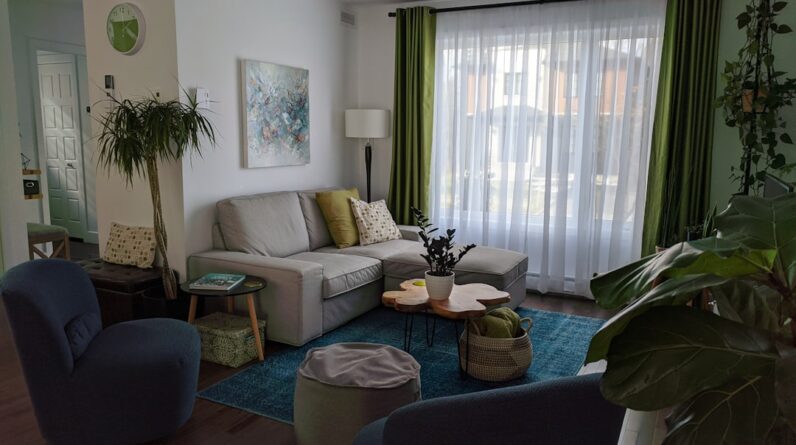
The Arizona sun is a powerful force, and homes in Power Ranch are often designed to maximize its presence. Large windows, sliding glass doors, and strategically placed skylights can bathe your interiors in natural light. This is a significant asset that your decorating choices should complement rather than obstruct. Heavy, dark draperies, for example, might diminish the airy feel that natural light provides. Instead, consider lighter fabrics or functional window treatments that allow for adjustable light control, such as plantation shutters or sheer roller blinds. Your decorating strategy should be a dance with the sun, orchestrating how its rays illuminate and define your spaces.
Establishing Your Personal Style
Before you acquire a single decorative item, it’s crucial to define your personal style. This is the bedrock upon which your entire interior design will be built. Without this clarity, your efforts can become a disorganized jumble of disparate elements.
Identifying Your Core Preferences
What colors resonate with you? Do you gravitate towards warm, earthy tones, or do cooler, more sophisticated hues appeal to your senses? Consider the textures that invite comfort and sophistication – the smooth coolness of marble, the warmth of reclaimed wood, or the plushness of velvet. Think about the overall mood you wish to cultivate in your home. Is it a sanctuary of calm and relaxation, a lively hub for entertaining, or a balanced blend of both?
Exploring Popular Decorating Styles
Familiarizing yourself with established interior design styles can provide a framework for your decisions. While you are not obligated to adhere strictly to any single style, understanding their characteristics can help you articulate your preferences.
Transitional Style: Bridging Classic and Contemporary
A transitional style seamlessly blends traditional elements with modern sensibilities. This often means incorporating classic furniture silhouettes with cleaner lines and in updated fabrics and finishes. Think of a sleek, comfortable sofa paired with antique side tables, or a modern abstract artwork adorning a wall with traditional molding. This style is a harmonious handshake between eras, offering a timeless appeal that rarely feels dated.
Modern Farmhouse: Rustic Charm with Urban Edges
The modern farmhouse aesthetic has gained considerable traction. It marries the cozy, rustic elements of country living with the clean, uncluttered sensibility of modern design. Key features include shiplap walls, exposed wood beams, natural materials, and a neutral color palette punctuated by black accents. This style evokes a sense of warmth and authenticity, making your home feel both grounded and fashionable.
Mid-Century Modern: A Nod to the Past
The mid-century modern style, originating from the mid-20th century, is characterized by its organic shapes, minimalist design, and integration with nature. Furniture often features tapered legs, clean lines, and a mix of materials like wood, metal, and plastic. This style brings a sense of retro cool and understated elegance to a space, often emphasizing functionality and an uncluttered environment.
Functional Layout and Furniture Placement
Once you have a clearer vision of your aesthetic, the practicalities of your home’s layout and furniture arrangement come into play. The goal is to create spaces that are both beautiful and highly functional, allowing for ease of movement and optimized use of each room.
Optimizing Flow and Circulation
Consider the natural pathways people will take through your home. Furniture should not obstruct doorways or create awkward bottlenecks. In open-plan living areas, furniture can be used to define different zones without the need for walls. A well-placed sofa can delineate the living area from the dining space, for instance. Think of the traffic flow as the circulatory system of your home; it needs to be clear and unimpeded for the entire organism to function effectively.
Selecting Versatile Furniture
In a new home, investing in versatile furniture can be a wise strategy. Pieces that serve multiple purposes can adapt to your changing needs and the evolving demands of your lifestyle. Consider a storage ottoman that can double as a coffee table or extra seating. A sofa bed can efficiently accommodate overnight guests in a living room or den. These items are like multi-tools for your home, offering flexibility and maximizing utility in a single form.
Creating Focal Points
Every room can benefit from a focal point – an element that immediately draws the eye and anchors the space. This could be a fireplace, a striking piece of artwork, a statement-making light fixture, or even a beautifully styled bookshelf. Once your focal point is established, arrange your furniture in relation to it, creating a balanced and visually pleasing composition.
Color Palette and Material Selection
The foundation of any successful interior design lies in the thoughtful selection of colors and materials. These elements are the building blocks that create mood, define spaces, and contribute to the overall tactile and visual experience of your home.
The Psychology of Color
Colors have a profound impact on our emotions and perceptions. Understanding the psychology of color can help you curate a palette that fosters the desired atmosphere in each room.
Warm Tones for Comfort and Coziness
Colors like reds, oranges, and yellows are considered warm tones. They tend to advance visually, making a space feel more intimate and cozy. A living room painted in a warm terracotta or a muted marigold can evoke a sense of comfort and invitation, perfect for family gatherings or quiet evenings.
Cool Tones for Serenity and spaciousness
Blues, greens, and purples are cool tones. They tend to recede visually, making a space feel larger and more serene. A bedroom painted in a soothing robin’s egg blue or a calming sage green can promote relaxation and a sense of tranquility, akin to a gentle breeze on a summer evening.
Neutrals as a Harmonizing Base
Neutrals such as beige, gray, white, and black provide a versatile backdrop. They can serve as the foundation for your color scheme, allowing bolder accent colors to stand out. Neutrals also offer a sense of calm and sophistication, creating a timeless appeal that can easily be updated with decorative elements.
Incorporating Diverse Textures
Texture adds depth and interest to your interiors, preventing a space from feeling flat or one-dimensional. The interplay of different textures creates a sensory experience that enriches the overall design.
Natural Materials: Wood, Stone, and Fiber
The use of natural materials grounds your space and brings an organic feel. Think of the warmth of hardwood floors, the cool solidity of a granite countertop, or the tactile appeal of a woven jute rug. These materials connect your home to the earth and lend a sense of authenticity.
Soft Furnishings: Fabrics and Upholstery
Fabrics play a crucial role in introducing comfort and visual appeal. Consider the difference between the smooth drape of silk, the tactile richness of velvet, the natural texture of linen, or the cozy embrace of a chunky knit throw. Upholstery on furniture provides a significant opportunity to bring in color, pattern, and comfort.
Lighting Design: Illuminating Your Space
| Metric | Details |
|---|---|
| Location | Power Ranch, Gilbert, Arizona |
| Interior Style Options | Modern, Contemporary, Traditional, Southwestern |
| Average Project Duration | 4 to 8 weeks |
| Popular Color Schemes | Neutral tones, Earthy hues, Soft pastels |
| Common Materials Used | Wood, Stone, Glass, Metal accents |
| Average Room Size | 200 to 400 square feet |
| Lighting Preferences | Recessed lighting, Pendant lights, Natural light maximization |
| Furniture Style | Custom built-ins, Minimalist, Comfortable and functional |
| Budget Range | Medium to High |
| Top Interior Designers | Local specialists in Power Ranch and Gilbert area |
Lighting is often an overlooked yet critical component of interior design. It’s not just about functional illumination; it’s about creating atmosphere, highlighting decorative elements, and guiding the user’s experience within a space.
Layering Your Lighting
Effective lighting design involves layering different types of light to create a dynamic and functional environment. This approach ensures that each area of a room is adequately lit for its intended purpose.
Ambient Lighting: The Foundation of Illumination
Ambient lighting provides the general illumination for a room, setting the overall brightness. This is typically achieved through ceiling fixtures like chandeliers or recessed lighting. It’s the broad, overarching light that allows you to navigate the space.
Task Lighting: For Focused Activity
Task lighting is designed for specific activities that require more focused illumination. This includes under-cabinet lighting in the kitchen for food preparation, reading lamps beside a sofa or bed, or a desk lamp in a home office. These lights are like precision tools, focusing illumination where it’s needed most.
Accent Lighting: Highlighting Features
Accent lighting draws attention to specific features or decorative elements, such as artwork, architectural details, or plants. This can be achieved with spotlights, track lighting, or picture lights. It’s the spotlight that draws the audience’s eye to the star of the show.
Choosing the Right Fixtures
The style and finish of your light fixtures should complement your overall decor. From minimalist pendants to ornate chandeliers, the options are vast. Consider the scale of the fixture in relation to the room and the desired aesthetic. A well-chosen fixture can act as a piece of jewelry for your room, adding sparkle and personality.
Accessorizing and Personalizing Your Home
The final layer of interior decorating involves the careful selection and placement of accessories. These are the details that inject personality, tell your story, and transform a well-designed space into a truly lived-in and beloved home.
The Art of Clutter Management
While accessories are important, it’s essential to avoid overwhelming your space. Practice a mindful approach to collecting and displaying items. Regularly review your belongings and consider whether each piece contributes to the overall aesthetic and your enjoyment of the space. A curated collection is like a well-edited book, with every word serving a purpose.
Incorporating Personal Touches
Your home should be a reflection of you. Displaying items that hold personal significance – photographs of loved ones, souvenirs from travels, or handmade crafts – is crucial. These elements imbue your home with warmth and authenticity, making it uniquely yours.
Decorative Durability and Maintenance
When selecting accessories, consider their durability and ease of maintenance, especially in a family-oriented community like Power Ranch. Opt for materials that can withstand the rigors of daily life while still maintaining their aesthetic appeal. For instance, washable throw pillow covers can be a practical choice for a living room frequented by children or pets. Think of your accessories as investments; choose those that offer both beauty and resilience.
By approaching the interior decorating of your new Power Ranch home with a structured and thoughtful methodology, you can transform it into a space that is not only aesthetically pleasing but also deeply functional and a true reflection of your personal narrative.
FAQs
What is Power Ranch in Gilbert known for in terms of home interior decorating?
Power Ranch in Gilbert is known for its community-focused design and modern home interiors that often feature open floor plans, natural light, and stylish finishes tailored to contemporary living.
Are there specific interior decorating styles popular in new homes at Power Ranch?
Yes, popular interior decorating styles in Power Ranch new homes include modern, transitional, and southwestern themes, often incorporating neutral color palettes, natural materials, and functional layouts.
Can new homeowners customize their interior decor when purchasing a home in Power Ranch?
Many builders in Power Ranch offer customization options for interior finishes, allowing homeowners to select flooring, cabinetry, countertops, and paint colors to suit their personal style.
What are some common interior features found in new homes at Power Ranch?
Common interior features include spacious kitchens with islands, energy-efficient appliances, large windows for natural light, master suites with walk-in closets, and open-concept living areas.
Where can new homeowners find interior decorating resources or services in Gilbert?
New homeowners in Gilbert can find interior decorating resources through local design centers, home improvement stores, professional interior designers, and community events focused on home styling and decor.