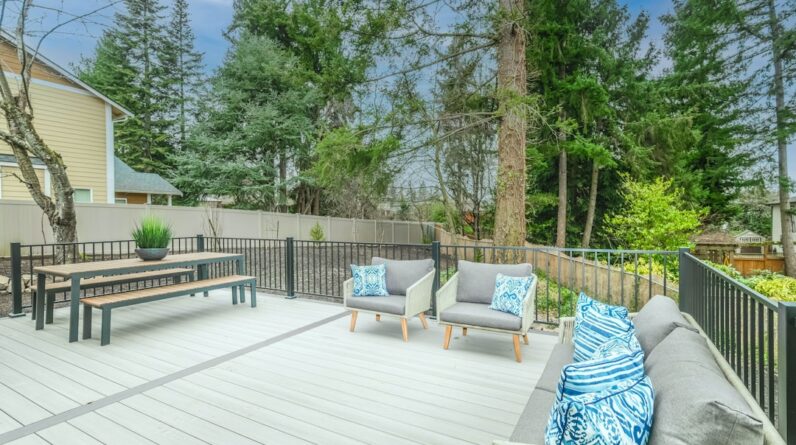
In today’s fast-paced world, the significance of outdoor living spaces cannot be overstated. These areas serve as an extension of your home, providing a sanctuary where you can unwind, entertain, and connect with nature. Imagine stepping outside to a beautifully designed patio or garden, where the stresses of daily life seem to melt away.
Outdoor living spaces not only enhance your quality of life but also increase the value of your property. A well-designed outdoor area can be a major selling point, attracting potential buyers who appreciate the allure of al fresco dining and relaxation. Moreover, outdoor living spaces promote a healthier lifestyle.
They encourage you to spend more time outside, basking in the sun and breathing in fresh air. Whether you’re hosting a barbecue with friends or enjoying a quiet morning coffee surrounded by greenery, these spaces foster social interactions and create lasting memories. They also provide opportunities for physical activities, such as gardening or playing games with family.
By investing in outdoor living spaces, you are not just enhancing your home; you are enriching your life.
Key Takeaways
- Outdoor living spaces provide a place for relaxation, entertainment, and connection with nature, promoting overall well-being.
- Elements of outdoor living space design include seating areas, dining spaces, fire pits, and greenery to create a welcoming and functional environment.
- Small outdoor spaces can be maximized through strategic furniture placement, vertical gardening, and multi-functional furniture pieces.
- Incorporating natural elements such as plants, wood, and stone can enhance the beauty and tranquility of outdoor living spaces.
- Choosing the right furniture for outdoor spaces involves considering durability, comfort, and style to create a cohesive and inviting atmosphere.
Elements of Outdoor Living Space Design
When it comes to designing an outdoor living space, several key elements come into play. First and foremost is the layout. You want to create a flow that allows for easy movement between different areas, whether it’s a dining space, lounge area, or garden.
Consider how you will use the space and arrange furniture and features accordingly. A well-thought-out layout can make even a small area feel expansive and inviting. Another crucial element is the choice of materials.
The materials you select will not only affect the aesthetic appeal but also the durability and maintenance of your outdoor space. Natural stone, wood, and composite materials are popular choices that can withstand the elements while providing a warm and inviting look. Additionally, incorporating various textures can add depth and interest to your design.
For instance, pairing smooth stone surfaces with soft fabrics can create a balanced and harmonious environment that invites relaxation.
Maximizing Small Outdoor Spaces
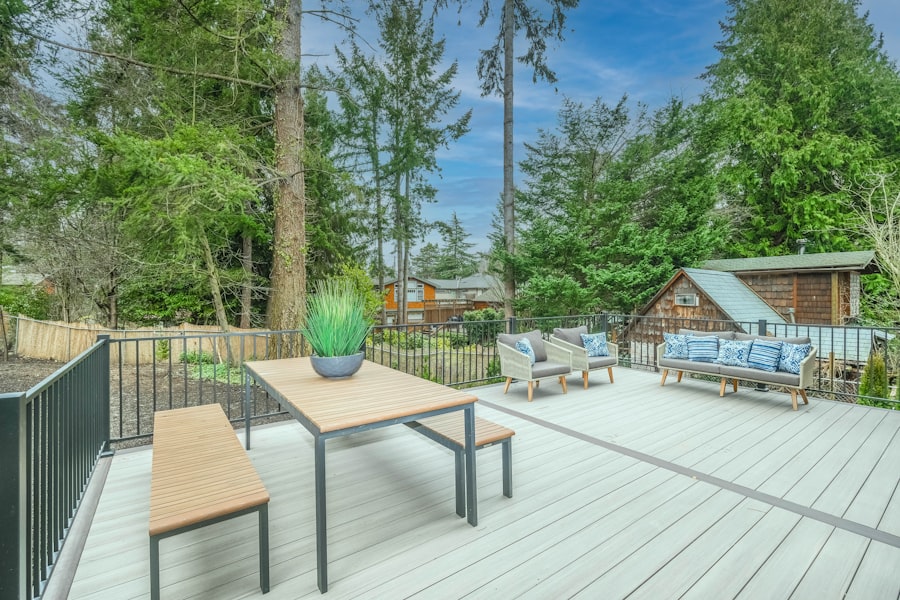
If you have a small outdoor area, don’t despair; there are numerous ways to maximize its potential. One effective strategy is to use vertical space. By installing wall planters or vertical gardens, you can add greenery without taking up valuable floor space.
This not only enhances the visual appeal but also creates a lush atmosphere that makes your small area feel more expansive. Another tip for small outdoor spaces is to choose multifunctional furniture. Look for benches with storage compartments or tables that can be extended for larger gatherings.
This way, you can accommodate guests without overcrowding your area. Additionally, consider using foldable or stackable furniture that can be easily stored when not in use. By being strategic with your choices, you can create a cozy and functional outdoor living space that feels much larger than it is.
Incorporating Natural Elements in Outdoor Design
Integrating natural elements into your outdoor design can significantly enhance its beauty and tranquility. One of the simplest ways to do this is by incorporating plants and flowers that thrive in your climate. A variety of colors and textures can create a vibrant landscape that attracts wildlife and provides a soothing backdrop for relaxation.
Consider native plants that require less maintenance and are better suited to your local environment. In addition to plants, you can incorporate natural materials into your design. Stone pathways, wooden decks, and bamboo fencing can all contribute to a harmonious outdoor space that feels connected to nature.
Water features, such as ponds or fountains, can also add a serene ambiance while attracting birds and other wildlife. By thoughtfully blending these elements into your design, you create an outdoor oasis that invites peace and rejuvenation.
Choosing the Right Furniture for Outdoor Spaces
Selecting the right furniture for your outdoor living space is essential for both comfort and style. Start by considering the primary function of the area—will it be used for dining, lounging, or entertaining? Once you have a clear idea of how you plan to use the space, you can choose furniture that meets those needs while complementing your overall design aesthetic.
Durability is another critical factor when choosing outdoor furniture. Look for materials that can withstand various weather conditions without fading or deteriorating over time. Aluminum, teak, and synthetic wicker are popular choices known for their resilience and low maintenance requirements.
Additionally, consider cushions made from weather-resistant fabrics that provide comfort without compromising on style. By investing in quality furniture, you ensure that your outdoor space remains inviting and functional for years to come.
Lighting and Ambiance in Outdoor Living Spaces
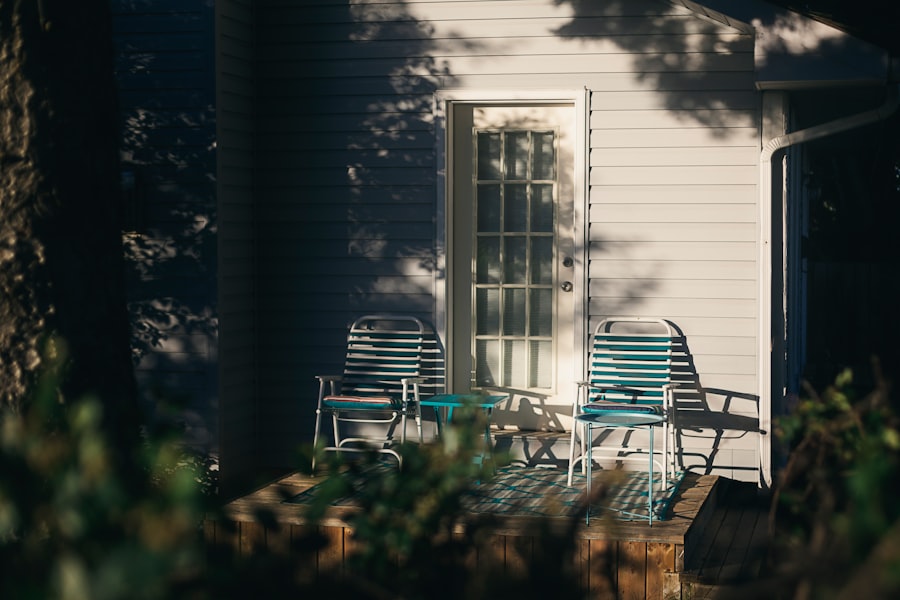
The right lighting can transform your outdoor living space from ordinary to extraordinary. As the sun sets, strategically placed lights can create an enchanting atmosphere that encourages relaxation and socializing. Consider using a combination of ambient, task, and accent lighting to achieve a well-rounded effect.
String lights draped overhead can add a whimsical touch, while lanterns placed on tables provide practical illumination for dining. Incorporating lighting into landscaping features can also enhance the overall ambiance. Uplighting trees or highlighting pathways with soft ground lights creates depth and draws attention to the natural beauty of your outdoor space.
Solar-powered lights are an eco-friendly option that requires minimal maintenance while providing sufficient illumination. By thoughtfully planning your lighting scheme, you can extend the usability of your outdoor area well into the evening hours.
Creating Functional and Stylish Outdoor Kitchens
An outdoor kitchen is a fantastic addition to any outdoor living space, allowing you to cook and entertain in a beautiful setting. When designing your outdoor kitchen, consider the layout carefully to ensure it meets your cooking needs while remaining functional for guests. A well-planned kitchen should include essential appliances such as a grill, refrigerator, and sink, all within easy reach.
Style is equally important in creating an inviting outdoor kitchen. Choose materials that complement your home’s architecture while providing durability against the elements. Stone countertops paired with stainless steel appliances create a modern yet timeless look that enhances the overall aesthetic of your outdoor space.
Additionally, incorporating seating options nearby allows guests to gather while you cook, fostering a sense of community and enjoyment.
Incorporating Water Features in Outdoor Design
Water features can add a sense of tranquility and elegance to your outdoor living space. Whether it’s a small fountain bubbling gently or a larger pond teeming with life, water elements create soothing sounds that enhance relaxation. When incorporating water features into your design, consider their size and placement carefully to ensure they complement rather than overwhelm the space.
Beyond aesthetics, water features can also attract wildlife such as birds and butterflies, adding an extra layer of beauty to your garden. If you have limited space, consider smaller options like wall-mounted fountains or birdbaths that provide visual interest without taking up too much room. By thoughtfully integrating water features into your outdoor design, you create an inviting atmosphere that encourages peace and reflection amidst nature’s beauty.
In conclusion, creating an inviting outdoor living space involves careful consideration of various elements—from layout and materials to furniture choices and lighting schemes. By embracing natural elements and incorporating functional features like kitchens and water installations, you can transform any outdoor area into a personal oasis that enhances both your lifestyle and property value. Whether you have a sprawling backyard or a cozy balcony, there are endless possibilities for designing an outdoor retreat that reflects your style and meets your needs.
FAQs
What is outdoor living space design?
Outdoor living space design is the process of creating functional and aesthetically pleasing outdoor areas for relaxation, entertainment, and dining. It involves the selection of furniture, decor, and landscaping elements to enhance the outdoor environment.
What are the benefits of outdoor living space design?
Outdoor living space design allows homeowners to extend their living space and enjoy the beauty of nature. It provides a space for relaxation, socializing, and hosting gatherings. Additionally, a well-designed outdoor space can increase the value of a property.
What are some popular features of outdoor living spaces?
Popular features of outdoor living spaces include outdoor kitchens, fire pits, seating areas, dining areas, pergolas, and landscaping elements such as gardens, water features, and lighting.
How can I design an outdoor living space on a budget?
To design an outdoor living space on a budget, consider repurposing existing furniture, using affordable materials such as gravel or pavers for flooring, and incorporating low-maintenance plants. DIY projects and shopping for second-hand items can also help save costs.
What are some important considerations for outdoor living space design?
Important considerations for outdoor living space design include the climate and weather conditions, the intended use of the space, privacy, and the integration of the outdoor space with the existing architecture and landscaping of the property. Additionally, factors such as maintenance and durability of materials should be taken into account.