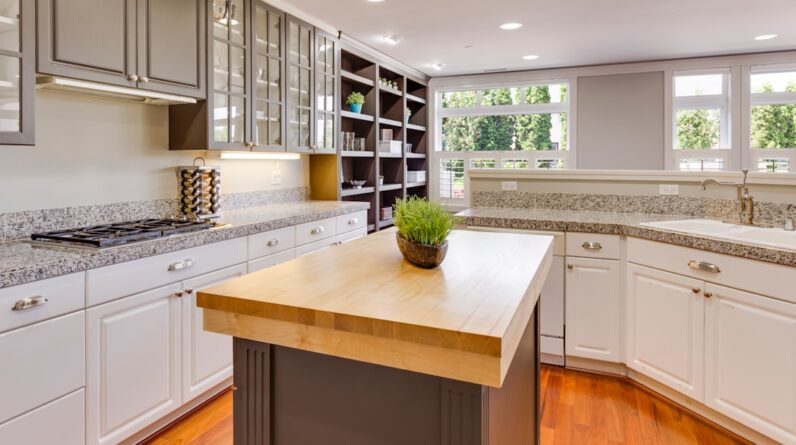
In the heart of every home, the kitchen serves as a hub of activity, where culinary creativity flourishes and family gatherings take place. However, one of the most common challenges faced by homeowners is the struggle to maximize storage space in this essential area. To tackle this issue effectively, it is crucial to assess the available space and identify underutilized areas.
For instance, vertical space is often overlooked; installing shelves that reach up to the ceiling can provide ample room for storing cookbooks, decorative items, or even small appliances that are not used daily. Additionally, utilizing the insides of cabinet doors for hanging utensils or spices can free up valuable counter space while keeping essential items within easy reach. Another effective strategy for maximizing storage is to invest in multi-functional furniture.
A kitchen island with built-in shelves or drawers can serve as both a workspace and a storage solution, accommodating everything from pots and pans to baking sheets. Furthermore, incorporating pull-out cabinets or lazy Susans can enhance accessibility, allowing you to make the most of deep cabinets that often become black holes for kitchenware. By creatively rethinking your kitchen layout and employing innovative storage solutions, you can transform a cluttered space into an organized haven that enhances both functionality and aesthetics.
Key Takeaways
- Use vertical storage solutions like shelves and hooks to maximize storage space in the kitchen
- Invest in multi-functional and stylish kitchen appliances to save space and add a modern touch to the kitchen
- Choose a light and airy color palette for a fresh and inviting interior design
- Upgrade lighting fixtures to create a brighter and more welcoming atmosphere in the kitchen
- Incorporate greenery and natural elements to bring a cozy and natural feel to the kitchen
- Utilize space-saving furniture and layouts to make the most of small kitchen spaces
- Add personal touches and decor that reflect your style and personality to make the kitchen feel like home
Incorporating Functional and Stylish Kitchen Appliances
Statement Pieces that Elevate the Kitchen’s Aesthetic
Sleek stainless steel finishes or bold colored appliances can serve as statement pieces that elevate the kitchen’s aesthetic while also providing high performance. For instance, a professional-grade range not only enhances cooking capabilities but also adds a touch of sophistication to the kitchen environment.
Energy Efficiency and Smart Technology
Moreover, energy-efficient models are increasingly popular, allowing homeowners to reduce their carbon footprint while enjoying cutting-edge technology. Incorporating smart appliances into your kitchen can further enhance its functionality. Devices such as smart refrigerators with touch screens and built-in cameras allow you to keep track of your groceries and meal planning with ease.
Convenience and Innovation
Additionally, smart ovens that can be controlled via smartphone apps offer convenience for busy individuals who want to preheat their oven on their way home from work. By choosing appliances that blend seamlessly with your design aesthetic while offering innovative features, you can create a kitchen that is not only visually appealing but also equipped to meet the demands of modern living.
Choosing the Right Color Palette for a Fresh Interior Design
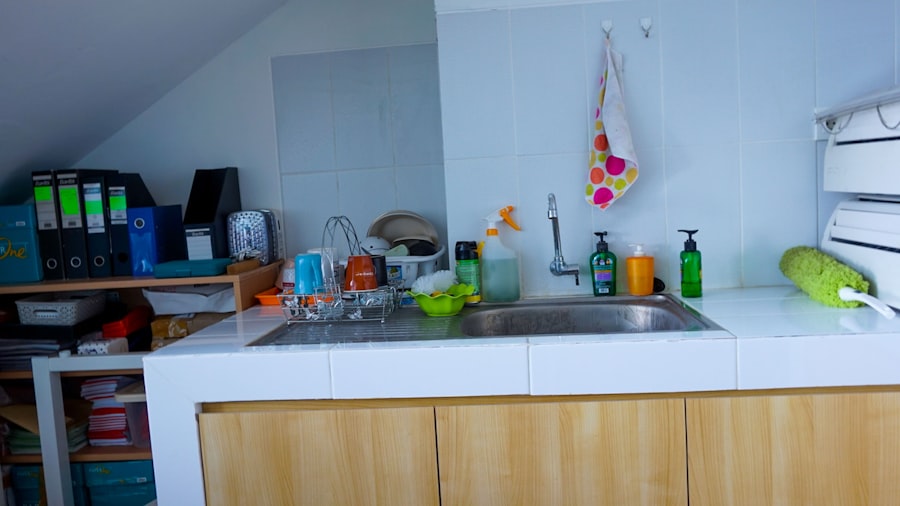
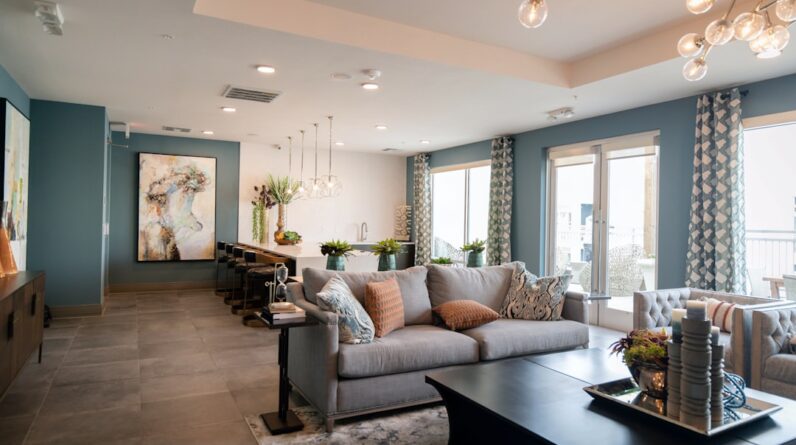
The color palette of a kitchen plays a pivotal role in shaping its overall ambiance and can significantly influence how the space feels. When selecting colors, it is essential to consider both personal preferences and the desired atmosphere. Soft neutrals such as whites, creams, and grays can create a serene and timeless backdrop, allowing other design elements to shine.
On the other hand, bolder hues like deep blues or vibrant greens can inject energy into the space, making it feel lively and inviting. The key is to strike a balance that reflects your personality while also harmonizing with the rest of your home’s decor. In addition to wall colors, incorporating various shades through cabinetry, countertops, and accessories can add depth and interest to the kitchen design.
For example, pairing light-colored cabinets with darker countertops creates a striking contrast that draws the eye. Furthermore, using accent colors in smaller elements such as dishware or decorative items can provide pops of color without overwhelming the space. Ultimately, choosing the right color palette is about creating a cohesive look that resonates with your style while ensuring that the kitchen remains a welcoming environment for family and friends.
Upgrading Lighting Fixtures for a Brighter and More Inviting Space
| Room/Area | Number of Fixtures | Old Fixture Type | New Fixture Type | Energy Savings |
|---|---|---|---|---|
| Reception Area | 4 | Fluorescent | LED Panel Lights | 30% |
| Conference Room | 6 | Incandescent | LED Downlights | 40% |
| Office Cubicles | 20 | Halogen | LED Tube Lights | 50% |
Lighting is often an underestimated aspect of kitchen design, yet it has the power to transform the atmosphere entirely. A well-lit kitchen not only enhances functionality but also creates an inviting ambiance for gatherings and culinary adventures. To achieve this, consider layering different types of lighting: ambient lighting provides overall illumination, task lighting focuses on specific work areas like countertops or islands, and accent lighting highlights architectural features or decorative elements.
Pendant lights over an island or under-cabinet lighting can add both style and practicality, ensuring that every corner of the kitchen is well-lit. Moreover, selecting fixtures that complement your kitchen’s design style can further enhance its appeal. For instance, industrial-style pendant lights can add a modern edge to a contemporary kitchen, while vintage-inspired fixtures can evoke a sense of nostalgia in a farmhouse-style space.
Additionally, dimmable lights offer versatility, allowing you to adjust brightness levels according to the time of day or occasion. By thoughtfully upgrading your lighting fixtures, you can create a brighter, more inviting kitchen that serves as a warm gathering place for family and friends.
Incorporating Greenery and Natural Elements for a Cozy Atmosphere
Bringing elements of nature into your kitchen can significantly enhance its warmth and coziness. Incorporating greenery through potted herbs or houseplants not only adds visual interest but also contributes to improved air quality. Herbs like basil, rosemary, and mint can be conveniently placed on windowsills or countertops, providing fresh ingredients for cooking while infusing the space with delightful aromas.
Additionally, using natural materials such as wood or stone in cabinetry or countertops can create an organic feel that connects the kitchen to the outdoors. Furthermore, incorporating natural light through large windows or skylights can enhance this connection with nature. Sunlight streaming into the kitchen creates an uplifting atmosphere that makes cooking and entertaining more enjoyable.
To complement these natural elements, consider using earthy color palettes that reflect the hues found in nature—soft greens, warm browns, and muted yellows can evoke a sense of tranquility and comfort. By thoughtfully integrating greenery and natural materials into your kitchen design, you can cultivate a cozy atmosphere that invites relaxation and creativity.
Utilizing Space-Saving Furniture and Layouts for Small Kitchens
Space-Saving Furniture Solutions
In smaller kitchens, every square inch counts, making it essential to utilize space-saving furniture and layouts effectively. One popular solution is to opt for foldable tables or extendable countertops that can be adjusted based on your needs. These versatile pieces allow you to maximize functionality without sacrificing style; when not in use, they can be tucked away or minimized to create more open space.
Efficient Seating Options
Additionally, bar stools or stackable chairs can provide seating without taking up too much room, making them ideal for compact dining areas.
Open Layouts and Shelving
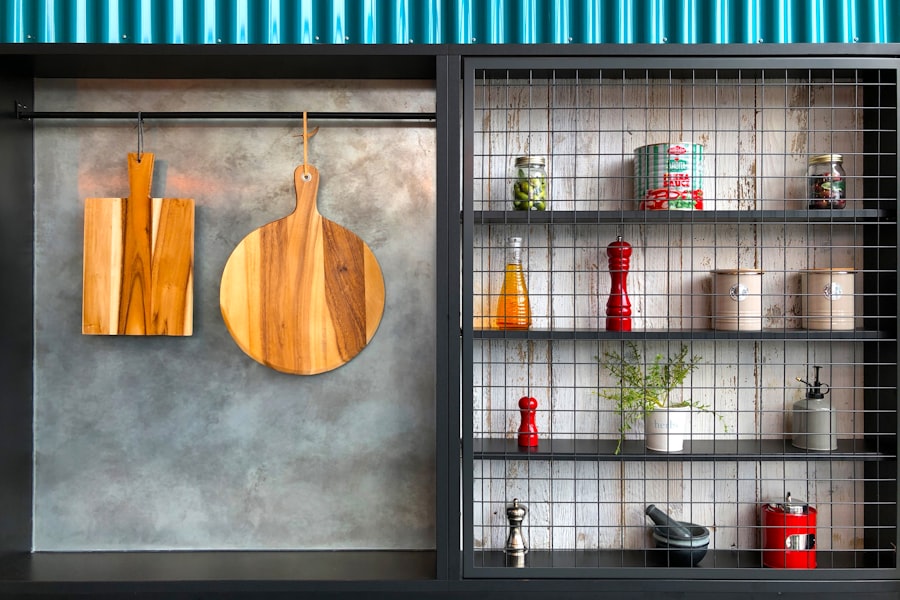
Another effective strategy for small kitchens is to adopt an open layout that promotes flow and accessibility. Removing unnecessary walls or barriers can create an airy feel while allowing for better movement between cooking and dining areas. Open shelving can also be an excellent alternative to traditional cabinets; it not only provides storage but also creates an illusion of more space by keeping sight lines clear.
By carefully selecting furniture and layouts that prioritize efficiency without compromising on aesthetics, you can transform even the smallest kitchens into functional and stylish spaces.
Adding Personal Touches and Decor to Reflect Your Style and Personality
A kitchen should be more than just a functional space; it should also reflect your unique style and personality. Adding personal touches through decor can transform an ordinary kitchen into a warm and inviting environment that tells your story. Consider displaying cherished items such as family heirlooms, travel souvenirs, or handmade pottery on open shelves or countertops.
These elements not only add character but also spark conversations during gatherings with friends and family. Moreover, incorporating artwork or decorative accents can further enhance the kitchen’s ambiance. Whether it’s a vibrant piece of wall art or a collection of framed photographs showcasing memorable moments, these additions create a sense of belonging within the space.
Textiles such as colorful dish towels or patterned rugs can also introduce warmth and texture while tying together various design elements. By thoughtfully curating decor that resonates with your personal style, you can create a kitchen that feels uniquely yours—a place where culinary adventures unfold amidst cherished memories and meaningful connections.
FAQs
What is kitchen and interior design?
Kitchen and interior design is the process of creating a functional and aesthetically pleasing space within a home, specifically focusing on the design and layout of the kitchen area.
What are the key elements of kitchen and interior design?
Key elements of kitchen and interior design include the layout of the kitchen, the choice of materials for countertops, cabinets, and flooring, the selection of appliances, and the overall color scheme and decorative elements.
Why is kitchen and interior design important?
Kitchen and interior design is important as it can greatly impact the functionality and overall feel of a home. A well-designed kitchen can improve efficiency, increase the value of a home, and create a welcoming and enjoyable space for cooking and entertaining.
What are some popular trends in kitchen and interior design?
Some popular trends in kitchen and interior design include open shelving, minimalist and modern designs, the use of natural materials such as wood and stone, and the incorporation of smart technology into kitchen appliances.
How can I incorporate sustainable design practices into my kitchen and interior design?
To incorporate sustainable design practices, consider using eco-friendly materials such as bamboo or recycled glass for countertops, choosing energy-efficient appliances, and incorporating natural light and ventilation into the design to reduce the need for artificial lighting and air conditioning.