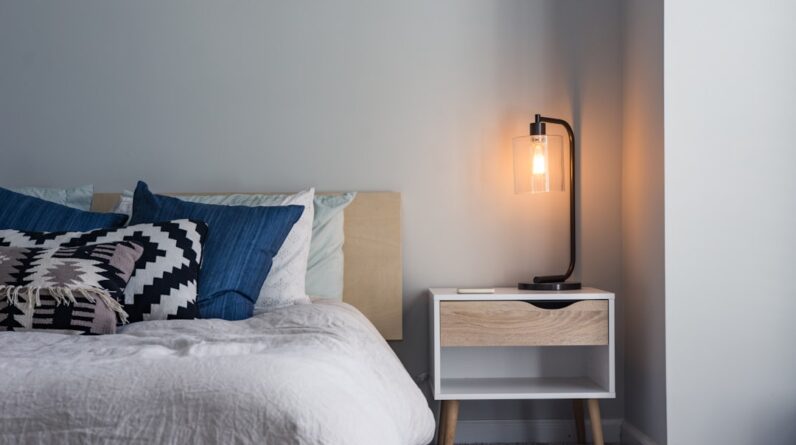
Scandinavian design is more than just a style; it embodies a philosophy that prioritizes simplicity, functionality, and a deep connection to nature. Originating from the Nordic countries—Denmark, Sweden, Norway, Finland, and Iceland—this design movement emerged in the early 20th century and gained global recognition in the mid-1900s. You may find that its clean lines, minimalistic approach, and emphasis on craftsmanship resonate with your desire for a serene and uncluttered living space.
The essence of Scandinavian design lies in its ability to create environments that are not only aesthetically pleasing but also promote comfort and well-being. At its core, Scandinavian design reflects the values of the region’s inhabitants, who have long embraced a lifestyle that harmonizes with the natural world. This design philosophy encourages you to curate spaces that are functional yet beautiful, allowing you to enjoy both form and function in your home.
By focusing on practicality and simplicity, Scandinavian design invites you to create a sanctuary that fosters relaxation and mindfulness. As you delve deeper into this design style, you will discover how it can transform your living environment into a haven of tranquility and elegance.
Key Takeaways
- Scandinavian design is known for its simplicity, functionality, and minimalism, with a focus on clean lines and natural materials.
- Essential furniture pieces in Scandinavian design include the use of light-colored wood, sleek and simple designs, and a focus on comfort and functionality.
- The color palette in Scandinavian design is typically neutral, with pops of color added through textiles and accessories, creating a cozy and inviting atmosphere.
- Functional and minimalist storage solutions are key in Scandinavian design, with an emphasis on keeping spaces clutter-free and organized.
- Lighting plays a crucial role in creating ambiance in Scandinavian design, with an emphasis on natural light and the use of simple, modern lighting fixtures.
Essential Furniture Pieces
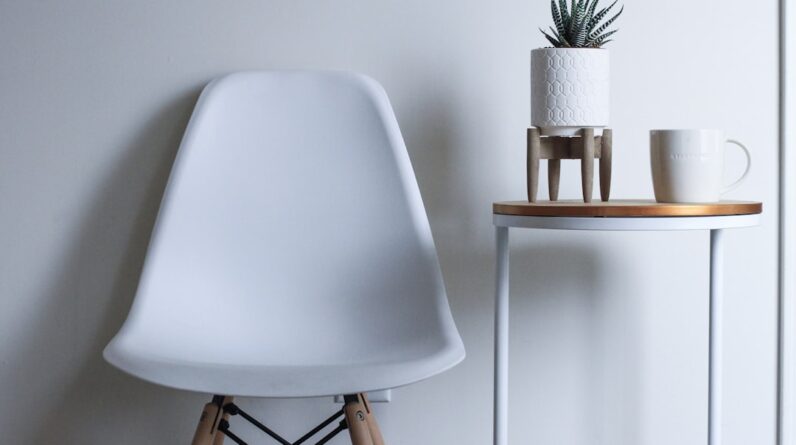
When it comes to Scandinavian design, furniture plays a pivotal role in establishing the overall aesthetic of your space. You will want to focus on pieces that embody clean lines and functional forms. Iconic furniture items such as the Egg Chair by Arne Jacobsen or the Wishbone Chair by Hans Wegner are perfect examples of how Scandinavian designers have combined artistry with practicality.
These pieces not only serve their intended purpose but also act as statement items that elevate the overall ambiance of your home. In addition to iconic designs, consider incorporating multi-functional furniture into your space. A sleek coffee table that doubles as storage or a sofa bed can maximize your living area while maintaining a minimalist look.
Scandinavian design emphasizes the importance of versatility, allowing you to adapt your space to your needs without compromising on style. As you select furniture pieces, keep in mind the balance between aesthetics and functionality; this will help you create a cohesive environment that reflects the principles of Scandinavian design.
Color Palette and Textiles
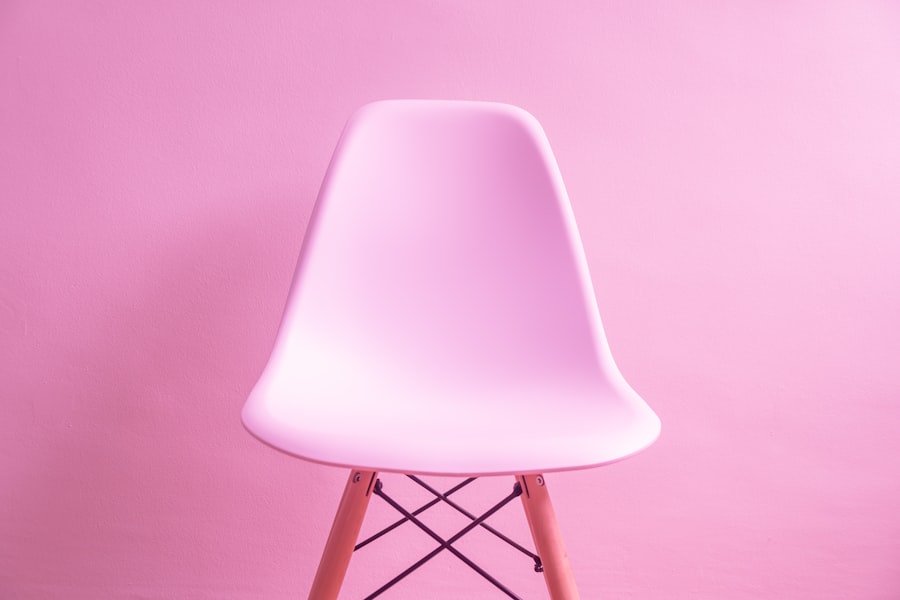
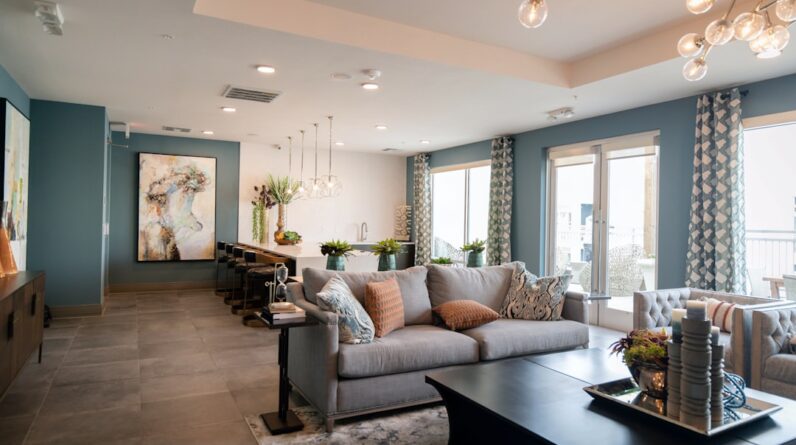
The color palette in Scandinavian design is often characterized by soft, muted tones that evoke a sense of calm and serenity. You may find that shades of white, gray, and beige dominate the landscape, creating a neutral backdrop that allows other elements in your space to shine. However, don’t shy away from incorporating pops of color through textiles or accessories.
A vibrant throw blanket or colorful cushions can add warmth and personality to an otherwise subdued palette. Textiles play an essential role in enhancing the coziness of your home while adhering to the principles of Scandinavian design. Natural materials such as wool, linen, and cotton are commonly used to create soft furnishings that invite comfort.
Layering different textures can add depth to your space; consider mixing a chunky knit throw with smooth linen curtains or a plush rug. By thoughtfully selecting colors and textiles, you can create an inviting atmosphere that reflects the essence of Scandinavian design while also catering to your personal style.
Functional and Minimalist Storage Solutions
In Scandinavian design, storage solutions are not merely practical; they are integral to maintaining a clean and organized living space. You may find that open shelving units or built-in cabinets are popular choices for achieving a minimalist aesthetic while providing ample storage. These solutions allow you to display your favorite items without overwhelming your space with clutter.
The key is to choose storage options that blend seamlessly with your overall design while remaining functional. Consider investing in modular storage systems that can be customized to fit your needs. These versatile solutions allow you to adapt your storage as your lifestyle changes, ensuring that your home remains organized and stylish over time.
Additionally, incorporating baskets or decorative boxes can help keep smaller items neatly tucked away while adding texture and visual interest to your space. By prioritizing functional storage solutions, you can create an environment that feels open and airy, embodying the principles of Scandinavian design.
Lighting and Ambiance
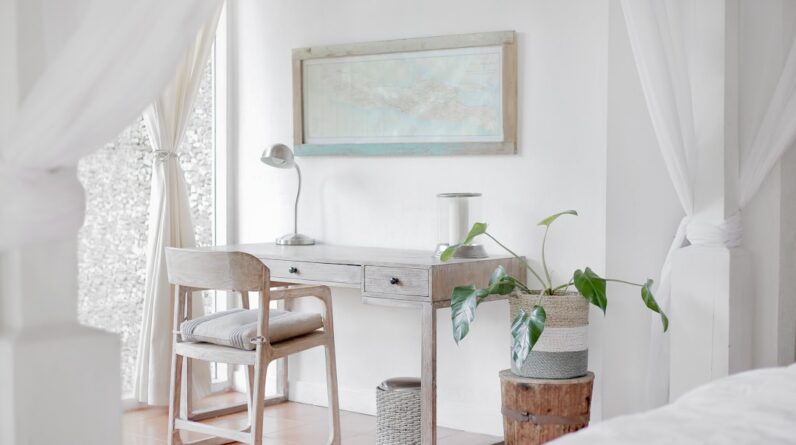
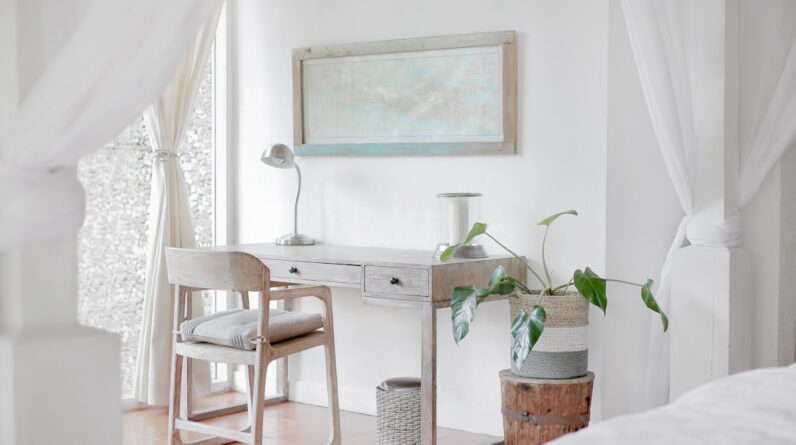
Lighting is a crucial element in Scandinavian design, as it significantly impacts the mood and ambiance of your space. You may notice that natural light is highly valued in Nordic countries, where long winters can lead to dark days. To emulate this appreciation for light in your home, consider maximizing natural light by using sheer curtains or strategically placing mirrors to reflect sunlight throughout the room.
In addition to natural light, layering different types of lighting can enhance the overall atmosphere of your space. Incorporate ambient lighting through ceiling fixtures or wall sconces, while task lighting from table lamps or floor lamps can provide focused illumination for reading or working. Don’t forget about accent lighting; decorative string lights or candles can create a warm and inviting glow during the evening hours.
By thoughtfully considering your lighting choices, you can cultivate an inviting ambiance that aligns with the principles of Scandinavian design.
Incorporating Natural Elements

One of the hallmarks of Scandinavian design is its strong connection to nature. You may find that incorporating natural elements into your home not only enhances its aesthetic appeal but also promotes a sense of tranquility and well-being. Consider using materials such as wood, stone, and metal in your furnishings and decor to create a harmonious balance between indoor and outdoor environments.
Bringing greenery into your space is another effective way to embrace nature within your home. Houseplants not only purify the air but also add life and vibrancy to your surroundings. Opt for low-maintenance plants like succulents or snake plants if you’re new to plant care.
Additionally, using natural light wood finishes for furniture or flooring can evoke a sense of warmth reminiscent of the Nordic landscape. By thoughtfully integrating natural elements into your design scheme, you can create a serene environment that reflects the beauty of the outdoors.
Art and Decor
Art and decor are essential components of Scandinavian design, allowing you to express your personality while adhering to minimalist principles. You may find that choosing artwork with simple lines or abstract forms complements the overall aesthetic of your space without overwhelming it. Black-and-white photography or minimalist prints can serve as striking focal points while maintaining a sense of calm.
When it comes to decor, less is often more in Scandinavian design. Select a few carefully curated pieces that resonate with you rather than cluttering your space with numerous items. Consider incorporating handmade ceramics or artisanal crafts that reflect the region’s rich cultural heritage.
These unique pieces not only add character but also tell a story about their origins. By thoughtfully selecting art and decor, you can create a cohesive environment that embodies the essence of Scandinavian design while showcasing your individuality.
Tips for Creating a Cozy and Inviting Space
Creating a cozy and inviting space is at the heart of Scandinavian design principles. You may want to start by decluttering your home; removing unnecessary items will help you achieve a clean and serene environment. Once you’ve established a minimalist foundation, focus on layering textures through textiles like throws, cushions, and rugs to add warmth and comfort.
Incorporating personal touches is also essential for making your space feel inviting. Display cherished photographs or mementos from travels to infuse character into your home. Additionally, consider creating cozy nooks with comfortable seating where you can unwind with a book or enjoy a cup of tea.
By combining these elements—decluttering, layering textures, and adding personal touches—you can cultivate an inviting atmosphere that embodies the spirit of Scandinavian design while reflecting your unique style. In conclusion, embracing Scandinavian design allows you to create spaces that are not only visually appealing but also promote comfort and well-being. By focusing on essential furniture pieces, thoughtful color palettes, functional storage solutions, effective lighting, natural elements, artful decor, and cozy atmospheres, you can transform your home into a serene sanctuary that resonates with the principles of this timeless design philosophy.
FAQs
What is Scandinavian design?
Scandinavian design is a design movement characterized by simplicity, minimalism, and functionality. It emerged in the 1950s in the Nordic countries of Denmark, Norway, Sweden, Finland, and Iceland.
What are the key elements of Scandinavian design?
Key elements of Scandinavian design include clean lines, natural materials such as wood and leather, neutral color palettes, and a focus on light and space. Functionality and practicality are also important aspects of Scandinavian design.
What are some iconic Scandinavian design furniture pieces?
Iconic Scandinavian design furniture pieces include the Egg chair by Arne Jacobsen, the Wishbone chair by Hans Wegner, the Paimio chair by Alvar Aalto, and the Eames Lounge chair by Charles and Ray Eames.
How can I incorporate Scandinavian design into my home?
To incorporate Scandinavian design into your home, focus on simplicity, functionality, and natural materials. Choose furniture with clean lines, opt for a neutral color palette, and add elements of nature such as plants and natural light.
Where can I purchase Scandinavian design home decor and furniture?
Scandinavian design home decor and furniture can be purchased from a variety of retailers, both online and in physical stores. Some popular retailers for Scandinavian design include IKEA, Design Within Reach, and Muuto. Additionally, there are many independent Scandinavian design stores and boutiques that offer a curated selection of products.