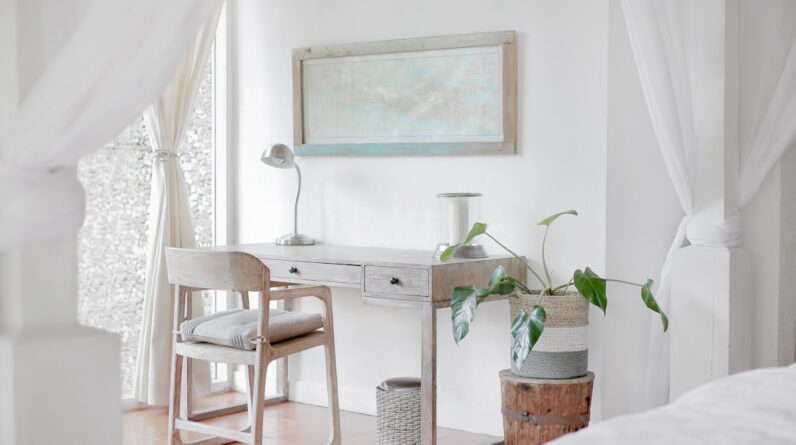
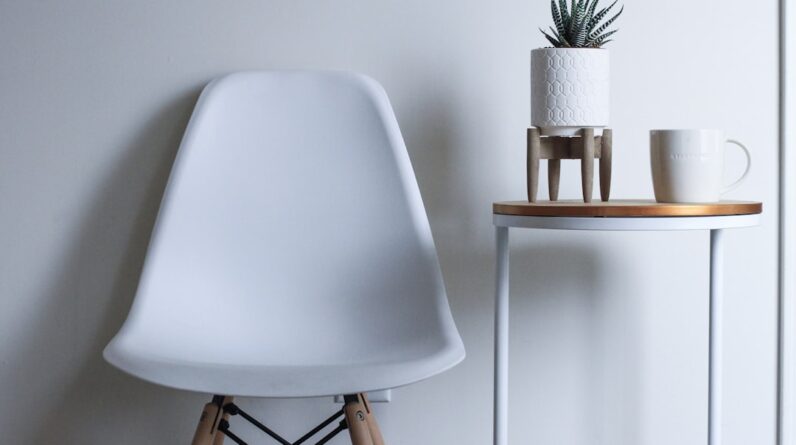
When it comes to making the most of your living area, maximizing storage space is essential. You may find that your belongings tend to accumulate over time, leading to clutter that can overwhelm even the most organized of spaces. To combat this, consider implementing smart storage solutions that not only keep your items organized but also enhance the overall aesthetic of your home.
Start by evaluating your current storage options and identifying areas where you can add more. For instance, underutilized spaces such as under the bed or behind doors can be transformed into valuable storage zones. Investing in storage bins, baskets, or even custom cabinetry can help you reclaim these areas and keep your belongings neatly tucked away.
Another effective strategy is to declutter regularly. You might be surprised at how much space you can free up by simply letting go of items you no longer use or need. Consider adopting a “one in, one out” policy, where for every new item you bring into your home, you remove an old one.
This practice not only helps maintain a tidy environment but also encourages mindful consumption. Additionally, think about using furniture that doubles as storage, such as ottomans with hidden compartments or coffee tables with shelves. By being intentional about your storage solutions, you can create a more functional and inviting space that feels open and organized.
Key Takeaways
- Use storage containers and organizers to maximize storage space
- Install shelves and wall-mounted storage to utilize vertical space
- Choose fixtures with built-in storage options to maximize space
- Incorporate mirrors to create the illusion of a larger space
- Select light colors for walls and furniture to brighten the room and make it feel more spacious
Utilizing Vertical Space
In any room, vertical space is often an underappreciated asset. You may have noticed that many homes focus primarily on horizontal surfaces, leaving walls bare and unused. By shifting your perspective and looking upward, you can unlock a wealth of potential for both storage and decoration.
Wall-mounted shelves are a fantastic way to display books, plants, or decorative items while keeping your floor space clear. This not only adds visual interest but also draws the eye upward, creating the illusion of a larger room. Additionally, consider installing tall bookcases or cabinets that reach the ceiling.
These pieces not only provide ample storage but also make a bold statement in your space. If you’re feeling creative, you might even explore the idea of hanging plants or artwork at varying heights to add depth and dimension to your walls. Utilizing vertical space effectively can transform a cramped area into an airy and dynamic environment, allowing you to enjoy both functionality and style.
Choosing the Right Fixtures

The fixtures you choose for your home play a significant role in both functionality and aesthetics. When selecting lighting, furniture, and hardware, consider how each piece contributes to the overall feel of your space. For instance, opting for sleek, modern fixtures can create a sense of openness and sophistication, while more ornate designs may lend a cozy, traditional vibe.
Pay attention to scale as well; oversized furniture in a small room can make it feel even more cramped, while appropriately sized pieces can enhance the flow and balance of the space. In addition to aesthetics, think about the practicality of your fixtures. Choose lighting that provides adequate illumination without overwhelming the room.
Layered lighting—combining ambient, task, and accent lighting—can create a warm and inviting atmosphere while ensuring that every corner of the room is well-lit. Similarly, consider multifunctional fixtures that serve more than one purpose, such as a dining table that can expand for gatherings or a sofa bed for accommodating guests. By carefully selecting the right fixtures, you can elevate your space both visually and functionally.
Incorporating Mirrors to Create the Illusion of Space
Mirrors are a powerful tool in interior design, particularly when it comes to creating the illusion of space. You may have noticed how strategically placed mirrors can reflect light and make a room feel larger and more open. Consider positioning a large mirror opposite a window to maximize natural light and enhance the airy feel of your space.
This simple addition can dramatically change the ambiance of a room, making it feel brighter and more inviting. Beyond their practical benefits, mirrors also serve as decorative elements that can add style and sophistication to your home. From ornate frames to sleek modern designs, there are countless options to choose from that can complement your existing decor.
You might even consider creating a gallery wall featuring various mirrors in different shapes and sizes for an eclectic yet cohesive look. By incorporating mirrors thoughtfully into your design scheme, you can transform your space into a more expansive and visually appealing environment.
Selecting Light Colors to Brighten the Room
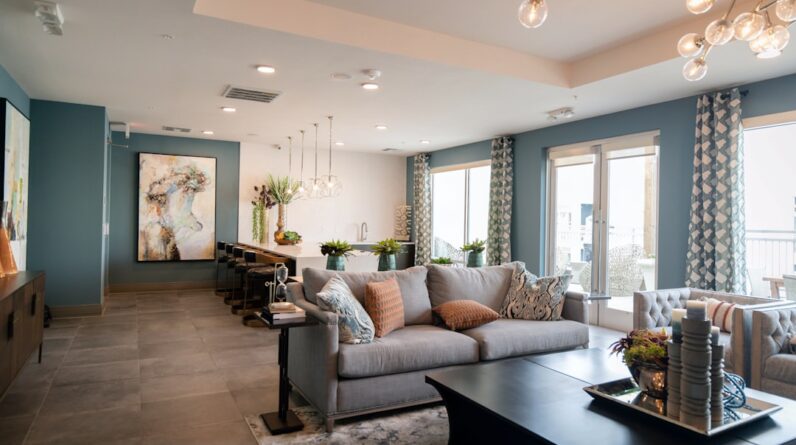
Color has a profound impact on how we perceive space, and selecting light colors for your walls and furnishings can significantly brighten up any room. Soft hues such as whites, creams, pastels, or light grays can create an open and airy atmosphere that makes even the smallest spaces feel more expansive. When choosing paint colors or fabrics, consider how they interact with natural light throughout the day; lighter shades will reflect sunlight and enhance the overall brightness of the room.
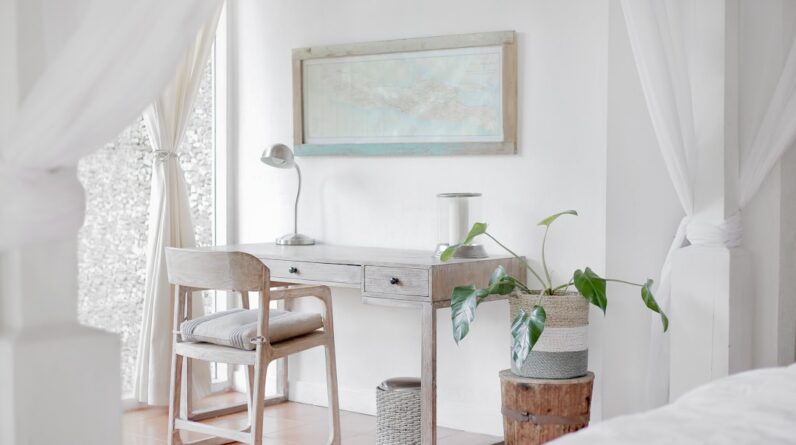
In addition to paint colors, think about incorporating light-colored furniture and decor elements. A light-colored sofa or area rug can help unify the space while maintaining an open feel. You might also explore using sheer curtains that allow natural light to filter through while providing some privacy.
By embracing a palette of light colors throughout your home, you can cultivate an uplifting environment that feels spacious and welcoming.
Adding Functional Decor Elements

Decor doesn’t have to be purely aesthetic; it can also serve practical purposes in your home. When selecting decor elements, consider how they can enhance both style and functionality. For example, decorative baskets can be used to store blankets or magazines while adding texture to your living room.
Wall art with built-in shelving can display your favorite pieces while providing additional storage for small items. Another way to incorporate functional decor is through the use of multi-purpose items like decorative trays or bowls that can hold keys or other everyday essentials. This not only keeps your surfaces organized but also adds visual interest to your space.
By thoughtfully integrating functional decor elements into your design scheme, you can create an environment that is both beautiful and practical.
Creating a Focal Point
Every room benefits from having a focal point—a central feature that draws the eye and anchors the space. This could be anything from a stunning piece of artwork to an eye-catching piece of furniture or even a fireplace. When designing your room, think about what you want this focal point to be and how it will influence the overall layout and decor.
Once you’ve identified your focal point, arrange your furniture and decor around it to enhance its prominence. For instance, if you have a beautiful painting on one wall, consider positioning seating in a way that encourages conversation while allowing everyone to appreciate the artwork. You might also use lighting to highlight this feature; a well-placed spotlight or pendant light can draw attention to your focal point while adding warmth to the room.
By creating a strong focal point, you can establish a sense of harmony and purpose within your space.
Incorporating Multi-Functional Furniture
In today’s world where space is often at a premium, multi-functional furniture has become an essential element in home design. These versatile pieces not only save space but also offer flexibility in how you use your living area. For example, consider investing in a sofa bed for your guest room; it provides comfortable seating during the day while easily converting into a bed at night for visitors.
Another great option is an extendable dining table that can accommodate both intimate dinners and larger gatherings when needed. Ottomans with storage capabilities are also excellent choices; they can serve as extra seating or footrests while providing hidden compartments for stowing away items like blankets or games. By incorporating multi-functional furniture into your home, you can maximize utility without sacrificing style or comfort.
In conclusion, creating an inviting and functional living space requires thoughtful consideration of various design elements. From maximizing storage space to utilizing vertical areas effectively, each aspect plays a crucial role in enhancing both aesthetics and practicality. By choosing the right fixtures, incorporating mirrors for depth, selecting light colors for brightness, adding functional decor elements, establishing focal points, and embracing multi-functional furniture, you can transform any room into a harmonious environment that reflects your personal style while meeting your everyday needs.
FAQs
What are some small bathroom design ideas?
Some small bathroom design ideas include using light colors to make the space feel larger, incorporating storage solutions such as shelves and cabinets, using a pedestal sink to save space, and installing a walk-in shower to maximize floor space.
How can I make a small bathroom look bigger?
To make a small bathroom look bigger, you can use light colors on the walls and floor, install a large mirror to create the illusion of space, and minimize clutter by using storage solutions and keeping the space organized.
What are some space-saving fixtures for small bathrooms?
Space-saving fixtures for small bathrooms include pedestal sinks, wall-mounted toilets, corner showers, and compact vanities. These fixtures help maximize floor space and create a more open feel in the bathroom.
What lighting options work best in small bathrooms?
In small bathrooms, it’s best to use bright, natural lighting whenever possible. If natural light is limited, you can use overhead lighting, wall sconces, or LED light fixtures to brighten the space and make it feel more open.
How can I add storage to a small bathroom?
To add storage to a small bathroom, you can use wall-mounted shelves, over-the-toilet cabinets, recessed shelving, and baskets or bins to keep items organized. Utilizing vertical space and hidden storage solutions can help maximize storage in a small bathroom.