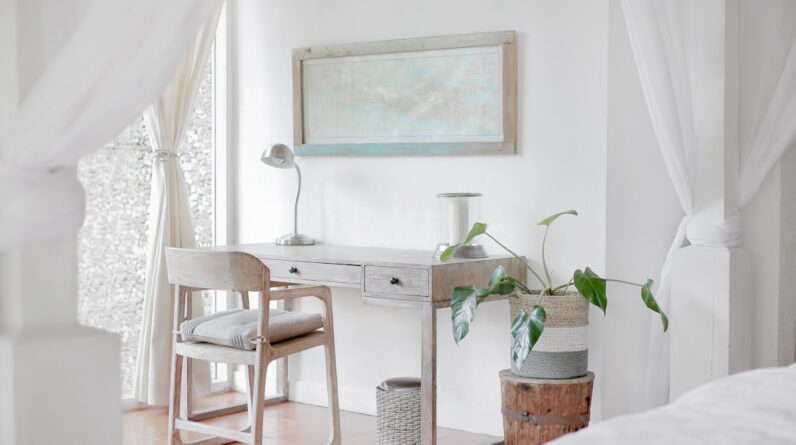
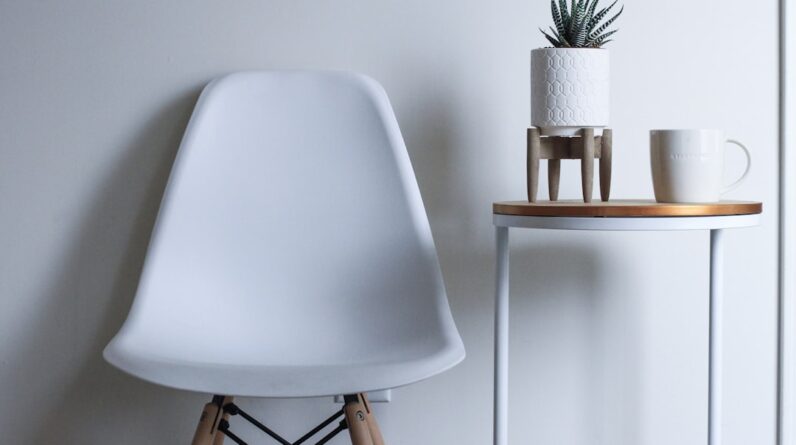
When it comes to making the most of your living area, maximizing storage space is essential. You may find that clutter can quickly take over, making your home feel cramped and disorganized. To combat this, consider utilizing vertical space.
Installing shelves that reach up to the ceiling can provide ample room for books, decorative items, or even storage bins. By drawing the eye upward, you not only create more storage but also give the illusion of higher ceilings, which can make your space feel more open and airy. Another effective strategy is to think outside the box when it comes to furniture.
Multi-functional pieces can be a game-changer in small spaces. For instance, a coffee table with built-in storage or an ottoman that doubles as a seat and a place to stash blankets can help you keep your living area tidy. You might also consider under-bed storage solutions, which can be a perfect way to hide away seasonal clothing or extra linens without sacrificing valuable floor space.
By being creative with your storage options, you can maintain a clean and organized environment that feels spacious and inviting.
Key Takeaways
- Use vertical storage solutions to maximize space
- Select fixtures and fittings that are multi-functional and space-saving
- Use mirrors and glass elements to create the illusion of a larger space
- Incorporate large windows and skylights to bring in natural light
- Choose light and neutral color schemes to make the space feel more open and airy
- Opt for furniture and design elements that serve multiple purposes
- Add stylish storage solutions and functional accessories to keep the space organized
- Incorporate smart technology for efficient use of space and energy
Choosing the Right Fixtures and Fittings
Selecting the right fixtures and fittings is crucial in creating a cohesive and functional space. You should pay attention to the scale and proportion of the items you choose. Oversized furniture or fixtures can overwhelm a small room, while too-small pieces may get lost in a larger area.
Striking the right balance will ensure that your space feels harmonious and well-planned. For example, opting for sleek, minimalist light fixtures can help maintain an open feel, while ornate chandeliers might be better suited for grander spaces. Additionally, consider the materials and finishes of your fixtures.
You may want to choose lighter materials that reflect light, such as glass or polished metals, which can enhance the sense of openness in your home. On the other hand, if you prefer a cozier atmosphere, warm wood tones can add character and warmth without making the space feel cramped. Ultimately, the right fixtures and fittings will not only serve a functional purpose but also contribute to the overall aesthetic of your home.
Creating Illusions of Space

Creating illusions of space is an art form that can dramatically change how you perceive your home. One effective technique is to use mirrors strategically throughout your living area. Placing a large mirror on one wall can reflect light and create a sense of depth, making the room appear larger than it actually is.
You might also consider mirrored furniture or decor accents that can enhance this effect while adding a touch of elegance. Another way to create an illusion of space is through the use of open floor plans. If possible, consider removing non-structural walls to create a more fluid layout that allows for better flow between rooms.
This can make your home feel more expansive and inviting. Additionally, using furniture that is visually light—such as transparent acrylic chairs or low-profile sofas—can help maintain an open feel while still providing comfort and functionality.
Incorporating Natural Light
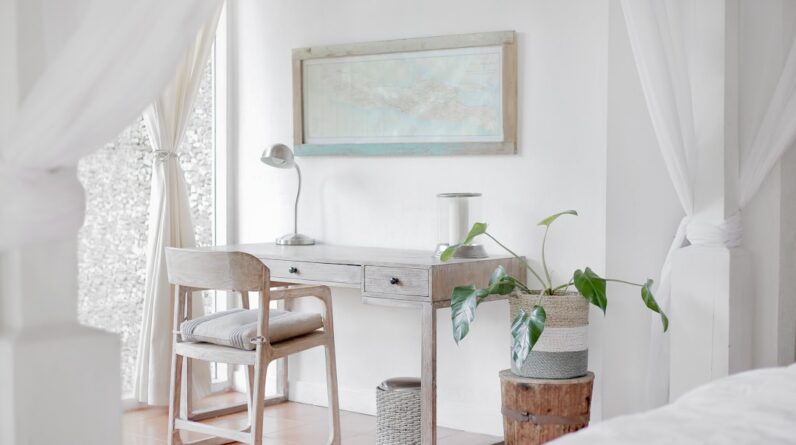
Natural light has an incredible ability to transform a space, making it feel more vibrant and welcoming. You should prioritize maximizing natural light in your home by keeping windows unobstructed and using sheer window treatments that allow sunlight to filter through while maintaining privacy. If you have smaller windows, consider using reflective surfaces or light-colored walls to bounce light around the room, enhancing its brightness.
In addition to window treatments, you might explore options like skylights or solar tubes if you’re looking for ways to bring more light into darker areas of your home. These features can significantly increase the amount of natural light in a room, creating a more uplifting atmosphere. By embracing natural light, you not only improve the aesthetic appeal of your home but also promote a healthier living environment.
Selecting the Right Color Scheme
The color scheme you choose for your home plays a pivotal role in how spacious it feels. Lighter colors tend to open up a room, making it feel larger and more airy. Soft whites, pale blues, and gentle pastels can create a serene backdrop that enhances natural light and gives the illusion of more space.
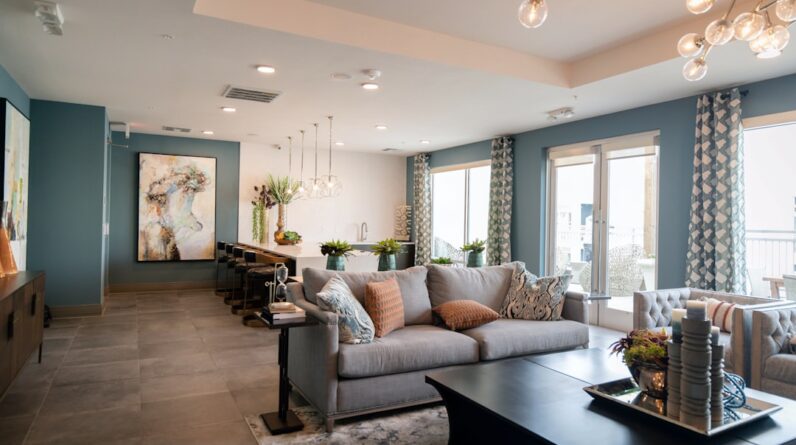
You might want to consider painting smaller rooms in lighter shades while reserving darker hues for larger areas where they won’t overwhelm. However, don’t shy away from using bold colors altogether; they can add personality and depth when used thoughtfully. Consider creating an accent wall with a rich color or pattern that draws attention without closing in the space.
This approach allows you to express your style while still maintaining an overall sense of openness. Ultimately, selecting the right color scheme is about finding a balance that reflects your personality while enhancing the spatial dynamics of your home.
Utilizing Space-Saving Design Elements

Incorporating space-saving design elements is essential for maximizing functionality in smaller areas. You may want to explore built-in furniture options that seamlessly blend into your home’s architecture. For instance, built-in bookshelves or benches can provide storage without taking up additional floor space.
These elements not only serve practical purposes but also add character and charm to your living environment. Another innovative approach is to use foldable or collapsible furniture pieces that can be easily stored away when not in use. A drop-leaf dining table or wall-mounted desks are excellent examples of how you can maintain flexibility in your space without sacrificing style or comfort.
By integrating these design elements into your home, you can create a versatile environment that adapts to your needs while keeping clutter at bay.
Adding Functional and Stylish Accessories
Accessories are the finishing touches that can elevate your home’s design while also serving practical purposes. When selecting accessories, think about how they can enhance both functionality and aesthetics. For example, decorative baskets can be used for storage while adding texture and warmth to your decor.
Similarly, stylish trays can help organize small items on coffee tables or countertops while contributing to the overall design theme. You might also consider incorporating plants into your decor as they not only add life and color but also improve air quality. Choose low-maintenance varieties if you’re concerned about upkeep; they can thrive in various lighting conditions and bring a refreshing touch to any room.
By thoughtfully selecting functional accessories that align with your style, you can create an inviting atmosphere that feels both organized and personalized.
Incorporating Smart Technology
In today’s fast-paced world, incorporating smart technology into your home design can enhance both convenience and efficiency. Smart home devices allow you to control lighting, temperature, and security systems with ease, often through voice commands or smartphone apps. This level of control not only simplifies daily tasks but also contributes to energy efficiency by allowing you to monitor usage more effectively.
Moreover, consider integrating smart furniture options that offer built-in charging stations or Bluetooth speakers for added functionality without cluttering your space with additional devices. These innovations can streamline your living environment while keeping it stylish and modern. By embracing smart technology in your home design, you create a seamless blend of comfort and sophistication that caters to contemporary lifestyles.
In conclusion, creating a well-designed living space involves thoughtful consideration of various elements—from maximizing storage space to incorporating smart technology. By implementing these strategies, you can transform your home into an inviting sanctuary that reflects your personal style while remaining functional and spacious. Whether you’re working with limited square footage or simply looking to refresh your existing decor, these tips will help you achieve a harmonious balance between aesthetics and practicality in your living environment.
FAQs
What are some small bathroom renovation ideas?
Some small bathroom renovation ideas include installing a pedestal sink to save space, using a sliding door instead of a traditional hinged door, adding shelves or storage units to maximize space, and using light colors to create the illusion of a larger space.
How can I make a small bathroom look bigger?
To make a small bathroom look bigger, you can use light colors on the walls and floor, install a large mirror to create the illusion of space, and use glass shower doors instead of curtains to open up the room.
What are some space-saving fixtures for a small bathroom?
Some space-saving fixtures for a small bathroom include wall-mounted toilets, corner sinks, pedestal sinks, and compact bathtubs or shower stalls.
What are some storage solutions for a small bathroom?
Some storage solutions for a small bathroom include adding shelves above the toilet, using baskets or bins to organize items, installing a vanity with built-in storage, and using a medicine cabinet for additional storage.
How can I improve the lighting in a small bathroom?
To improve the lighting in a small bathroom, you can add wall sconces or pendant lights, install a skylight or solar tube for natural light, and use LED light fixtures to brighten up the space.