


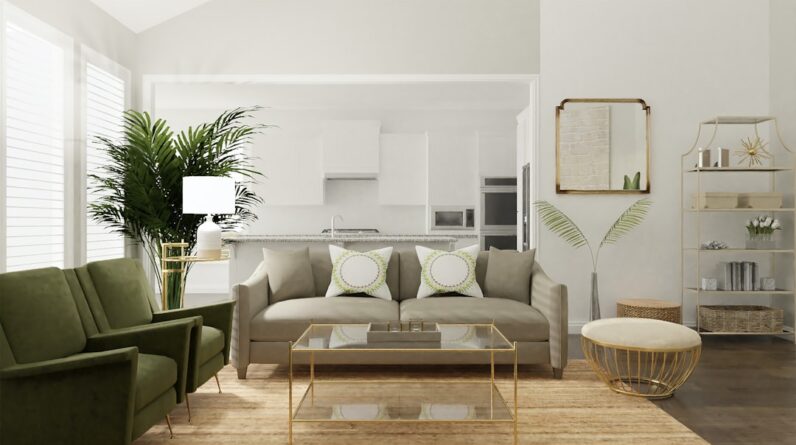
When it comes to making the most of your living space, maximizing storage is essential. You may find that your belongings often seem to multiply, leaving you with cluttered surfaces and a sense of chaos. To combat this, consider investing in storage solutions that are both functional and aesthetically pleasing.
Think about under-bed storage boxes, which can be a game-changer for keeping seasonal clothing or extra linens out of sight. Additionally, utilizing the space beneath your stairs can provide a unique opportunity for built-in shelves or cabinets, transforming an often-overlooked area into a practical storage haven. Another effective strategy is to declutter regularly.
You might be surprised at how much you can let go of when you take the time to assess your belongings. Create a system for sorting items into categories: keep, donate, or discard. This not only frees up space but also allows you to appreciate the items you truly value.
Once you’ve streamlined your possessions, consider using decorative baskets or stylish boxes to organize what remains. This way, you can maintain a tidy environment while still having easy access to your essentials.
Key Takeaways
- Utilize under-bed storage, wall-mounted shelves, and closet organizers to maximize storage space.
- Choose furniture that can serve multiple purposes, such as a sofa bed or a coffee table with storage.
- Install floating shelves, tall bookcases, and hanging organizers to make use of vertical space.
- Use mirrors to create the illusion of a larger space and strategically place lighting to enhance the effect.
- Opt for light and neutral color palettes to make the space feel more open and airy.
Multi-functional Furniture
In a world where space is often at a premium, multi-functional furniture can be your best ally. Imagine a coffee table that doubles as a storage unit or a sofa that converts into a bed for guests. These versatile pieces not only save space but also add an element of creativity to your home.
When selecting furniture, look for items that serve more than one purpose; for instance, an ottoman with hidden storage can provide both seating and a place to stash blankets or magazines. Moreover, consider the layout of your living area when incorporating multi-functional furniture. You might arrange your seating to create distinct zones within a single room, allowing for both relaxation and productivity.
A desk that folds away when not in use can help maintain an open feel in smaller spaces. By choosing furniture that adapts to your needs, you can create a dynamic environment that evolves with your lifestyle.
Utilizing Vertical Space
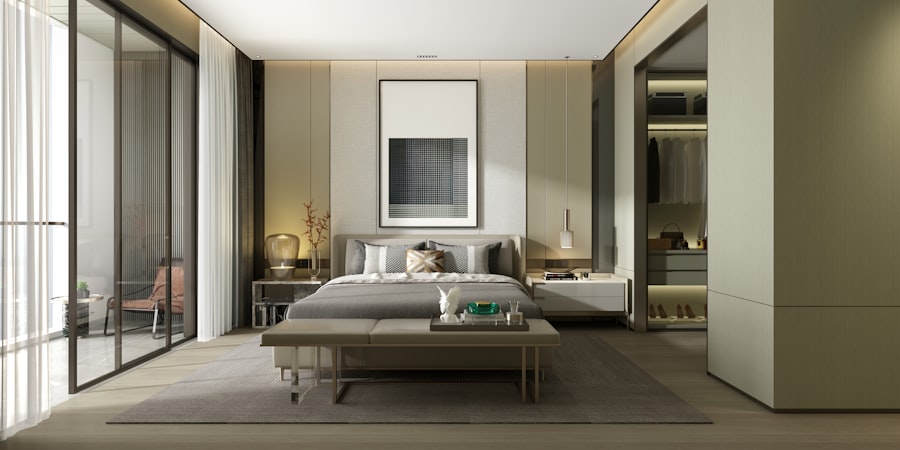
When floor space is limited, utilizing vertical space becomes crucial. You may not realize just how much potential lies in your walls. Installing shelves high up can draw the eye upward, creating an illusion of height while providing additional storage for books, decorative items, or plants.
Wall-mounted racks can also be an excellent way to keep frequently used items within reach without taking up valuable surface area. In addition to shelves, consider vertical storage solutions like tall cabinets or bookcases that reach the ceiling. These pieces not only maximize storage but also serve as striking focal points in your room.
You might even think about incorporating hooks or pegboards for hanging items like kitchen utensils or tools in your garage. By thinking vertically, you can transform your space into a more organized and visually appealing environment.
Creating Illusions of Space
Creating illusions of space is an art form that can dramatically change how you perceive your home. If you’re working with a small area, employing techniques that make it feel larger can enhance your overall experience. One effective method is to use furniture with legs, which allows light to flow beneath and creates an airy feel.
Avoid bulky pieces that dominate the room; instead, opt for streamlined designs that promote openness. Mirrors are another powerful tool in creating the illusion of space. Strategically placing mirrors across from windows can reflect natural light and make the room feel brighter and more expansive.
You might also consider using mirrored furniture or decor to add depth and dimension to your space. By playing with reflections and light, you can transform even the coziest of rooms into a more inviting and spacious environment.
Incorporating Light and Mirrors
Light plays a pivotal role in how we perceive our surroundings, making it essential to incorporate it thoughtfully into your design. Natural light is particularly valuable; it not only enhances mood but also makes spaces feel larger and more welcoming. To maximize natural light, consider using sheer curtains that allow sunlight to filter through while maintaining privacy.
You might also rearrange furniture to avoid blocking windows, ensuring that every corner of the room benefits from daylight. In addition to natural light, artificial lighting should be layered for maximum effect. Combining ambient lighting with task and accent lighting creates a warm and inviting atmosphere.
Think about using floor lamps, table lamps, and wall sconces to achieve this balance. Mirrors can amplify this effect by reflecting light throughout the room, making it feel brighter and more open. By thoughtfully incorporating both light and mirrors into your design, you can create an inviting space that feels expansive and energizing.
Choosing the Right Color Palette
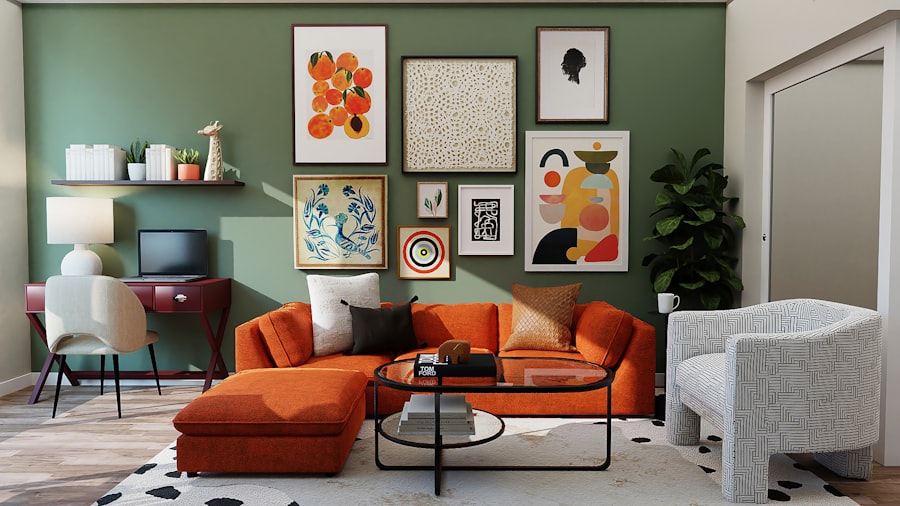
The colors you choose for your home can significantly impact its overall feel and perception of space. Lighter shades tend to make rooms feel larger and more open, while darker hues can create a cozy atmosphere but may also make spaces feel smaller. When selecting a color palette, consider using soft neutrals as a base; these colors provide versatility and allow you to add pops of color through accessories or artwork.
You might also explore the concept of monochromatic schemes, where varying shades of a single color create depth without overwhelming the senses. This approach can unify different areas of your home while maintaining a sense of cohesion. Don’t shy away from bold colors either; when used strategically as accent walls or in smaller doses through decor items, they can add personality without compromising the overall spaciousness of your home.
Customizing Built-in Solutions
Customizing built-in solutions is an excellent way to maximize functionality while maintaining a clean aesthetic in your home. Built-ins can be tailored to fit specific spaces and needs, whether it’s a cozy reading nook with integrated shelving or a media center designed around your entertainment system. By working with a professional or taking on a DIY project, you can create solutions that perfectly align with your lifestyle.
Consider how built-ins can enhance both storage and style in your home. For example, a built-in bench with storage underneath can provide seating in an entryway while keeping shoes and bags organized out of sight. Similarly, custom cabinetry in the kitchen can optimize storage while blending seamlessly with your overall design theme.
By investing in built-in solutions, you not only enhance functionality but also elevate the visual appeal of your space.
Embracing Minimalism
Embracing minimalism is about more than just decluttering; it’s a lifestyle choice that promotes simplicity and intentionality in your living space. By focusing on quality over quantity, you can create an environment that feels serene and organized. Start by evaluating what truly matters to you—what items bring you joy or serve a purpose?
Letting go of excess allows you to appreciate the beauty of what remains. Incorporating minimalism into your design doesn’t mean sacrificing style; rather, it encourages thoughtful choices in decor and furnishings. Opt for clean lines and functional pieces that complement each other without overwhelming the space.
You might find that by reducing visual clutter, you create a more peaceful atmosphere that fosters relaxation and creativity.
Incorporating Smart Technology
In today’s digital age, incorporating smart technology into your home can enhance both convenience and efficiency. Smart devices allow you to control lighting, temperature, and security systems from your smartphone or through voice commands, making daily life easier and more streamlined. Consider investing in smart thermostats that learn your preferences or smart lighting systems that adjust based on the time of day.
Moreover, smart technology can help optimize space usage as well. For instance, smart speakers can serve as both entertainment hubs and functional decor elements without taking up much room. By integrating technology thoughtfully into your design, you not only improve functionality but also create a modern living environment that adapts to your needs.
Enhancing Natural Light
Enhancing natural light is one of the most effective ways to create an inviting atmosphere in any home. You may want to start by assessing how light enters your space throughout the day; this will help you identify areas that could benefit from additional illumination. Consider using lighter window treatments or even removing heavy drapes altogether to allow sunlight to flood in freely.
Another way to enhance natural light is by strategically placing mirrors across from windows or light sources. This not only reflects light but also creates depth within the room, making it feel larger and more open. Additionally, consider using glass doors or partitions instead of solid walls; this allows light to flow between spaces while maintaining separation when needed.
Incorporating Greenery and Plants
Incorporating greenery and plants into your home design adds life and vibrancy while improving air quality. Plants have been shown to reduce stress levels and enhance overall well-being, making them an excellent addition to any living space. You might start by selecting low-maintenance varieties if you’re new to plant care; succulents or snake plants are great options for beginners.
Consider how plants can be integrated into various areas of your home—hanging planters in windowsills or wall-mounted shelves can create visual interest without taking up floor space. Additionally, grouping plants together can create a mini indoor garden effect that draws the eye and adds warmth to any room. By embracing greenery in your design, you not only beautify your space but also foster a connection with nature that enhances your overall living experience.
FAQs
What is small space interior design?
Small space interior design is the practice of creating functional and aesthetically pleasing living spaces within a limited area. It involves maximizing the use of space, choosing the right furniture and decor, and utilizing clever design techniques to make the most of a small area.
What are some tips for small space interior design?
Some tips for small space interior design include using multi-functional furniture, utilizing vertical space for storage, incorporating light and neutral colors to create a sense of openness, and minimizing clutter to maintain a clean and organized look.
Why is small space interior design important?
Small space interior design is important because it allows individuals living in smaller homes or apartments to make the most of their space. It can also help create a sense of comfort and functionality in a limited area, making it more enjoyable to live in.
What are some common challenges in small space interior design?
Common challenges in small space interior design include limited storage options, finding furniture that fits the space properly, and creating a sense of openness and flow within a small area. Additionally, maximizing natural light and creating a feeling of spaciousness can be challenging in small spaces.
How can a professional interior designer help with small space interior design?
A professional interior designer can help with small space interior design by providing expertise in space planning, furniture selection, and design techniques that can maximize the use of space. They can also offer creative solutions to common challenges and help create a cohesive and visually appealing design within a small area.


