When it comes to making the most of your living space, maximizing storage is essential. You may find that your belongings often seem to multiply, leaving you with cluttered surfaces and a sense of chaos. To combat this, consider investing in storage solutions that are both functional and aesthetically pleasing.
Think about under-bed storage boxes, which can be a game-changer for keeping seasonal clothing or extra linens out of sight. Additionally, utilizing the space beneath your furniture can help you reclaim valuable square footage while keeping your home organized. Another effective strategy is to take advantage of vertical storage options.
Wall-mounted shelves can not only display your favorite books and decorative items but also free up floor space. You might also consider using decorative baskets or bins on these shelves to store smaller items, creating a cohesive look while maintaining order. By being intentional about how you store your belongings, you can create a more serene environment that feels spacious and inviting.
Key Takeaways
- Utilize under-bed storage, hanging organizers, and storage ottomans to maximize storage in small spaces.
- Choose multi-functional furniture such as a sofa bed, storage coffee table, or nesting tables to save space and add functionality.
- Install shelves, wall-mounted organizers, and tall bookcases to make use of vertical space and keep the floor area clear.
- Use mirrors, glass furniture, and light-colored walls to create the illusion of a larger and brighter space.
- Opt for light and neutral colors for walls, furniture, and decor to make the room feel more open and airy.
- Incorporate mirrors in different sizes and shapes to reflect light and create the illusion of depth in a small space.
- Place decor strategically to draw the eye upward and create a sense of height in the room.
- Embrace minimalism by decluttering and only displaying essential decor items to keep the space feeling open and uncluttered.
Multi-functional Furniture
In a world where space is often at a premium, multi-functional furniture becomes your best ally. Imagine a coffee table that doubles as a storage unit or a sofa that converts into a bed for guests. These versatile pieces not only save space but also enhance the functionality of your home.
When selecting furniture, look for items that serve more than one purpose; this will allow you to maximize your living area without sacrificing style or comfort. You might also consider investing in foldable or extendable furniture. A dining table that can expand when you have guests but remain compact during everyday use is an excellent example of how to make the most of your space.
By choosing furniture that adapts to your needs, you can create a dynamic living environment that evolves with you. This approach not only helps you stay organized but also ensures that your home remains welcoming and accommodating for both you and your visitors.
Utilizing Vertical Space
Utilizing vertical space is a clever way to enhance the functionality of your home while keeping it visually appealing. When you think about it, walls are often underutilized areas that can be transformed into valuable storage or display spaces. Consider installing tall bookshelves that reach up to the ceiling; this not only draws the eye upward, creating an illusion of height, but also provides ample room for your books and decorative items.
You may find that by going vertical, you can free up floor space for other uses. Another innovative way to utilize vertical space is through wall-mounted organizers or pegboards. These can be particularly useful in kitchens or home offices, where you can hang utensils, tools, or office supplies within easy reach.
By keeping frequently used items off the counter and on the wall, you create a cleaner and more organized environment. Embracing verticality in your design will not only help you maximize storage but also add an element of creativity to your decor.
Creating Illusions of Space
Creating illusions of space is an art form that can dramatically change how you perceive your home. One effective technique is to use furniture arrangements that promote flow and openness. For instance, placing larger pieces away from the walls can create a more inviting atmosphere and encourage movement throughout the room.
You might also consider using area rugs to define different zones within an open floor plan, which can help delineate spaces without the need for physical barriers. Another way to create an illusion of space is through the strategic use of color and decor. Light colors tend to reflect more light, making a room feel larger and airier.
You may want to paint your walls in soft pastels or whites to enhance this effect. Additionally, choosing furniture with legs rather than solid bases can give the impression of more floor space beneath them. By being mindful of how you arrange your furniture and select colors, you can transform even the coziest of spaces into an open and inviting haven.
Using Light and Neutral Colors
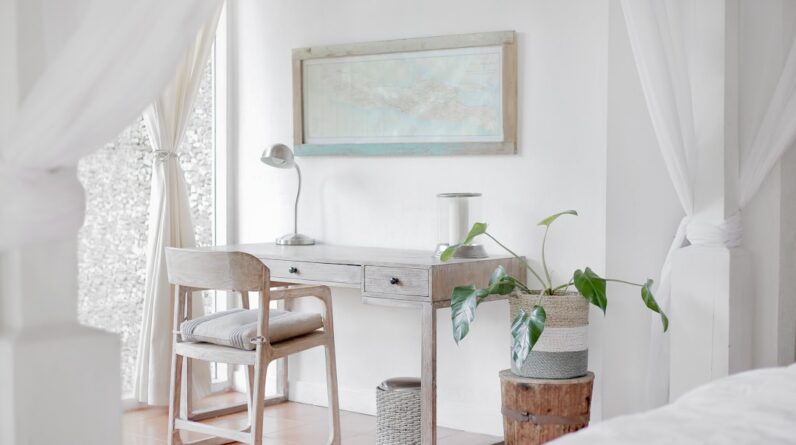
The colors you choose for your home can significantly impact its overall feel and perceived size. Light and neutral colors are particularly effective in creating an airy atmosphere that feels spacious and welcoming. When selecting paint colors for your walls, consider soft whites, pale grays, or muted pastels; these shades reflect light beautifully and can make even the smallest rooms feel expansive.
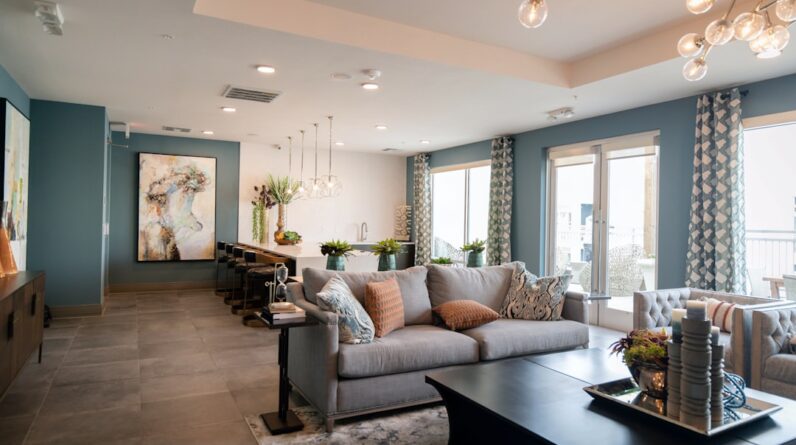
You might find that a fresh coat of paint in these tones revitalizes your space and enhances its overall appeal. In addition to wall colors, think about incorporating light-colored furnishings and decor elements. A neutral sofa paired with colorful throw pillows can create a balanced look while maintaining an open feel.
You may also want to choose light-colored curtains that allow natural light to filter through while providing privacy. By embracing a palette of light and neutral colors throughout your home, you can cultivate an environment that feels both spacious and serene.
Incorporating Mirrors

Mirrors are not just functional; they are powerful tools for enhancing the perception of space in your home. By strategically placing mirrors throughout your living areas, you can create depth and reflect light, making rooms appear larger than they are. Consider hanging a large mirror on one wall or using mirrored furniture pieces to add a touch of elegance while amplifying light and openness.
You might be surprised at how much a well-placed mirror can transform the ambiance of a room. In addition to their aesthetic benefits, mirrors can also serve as focal points in your decor. A beautifully framed mirror can act as a statement piece that draws attention while simultaneously expanding the visual space around it.
You may want to experiment with different shapes and sizes to find what works best for your style and layout. By incorporating mirrors thoughtfully into your design scheme, you can enhance both the functionality and beauty of your home.
Strategic Placement of Decor
The way you place decor in your home can significantly influence its overall feel and functionality. Instead of overcrowding surfaces with knick-knacks, consider adopting a more strategic approach to decor placement. Focus on creating focal points by grouping items in odd numbers or using varying heights to draw the eye upward.
This technique not only adds visual interest but also prevents clutter from overwhelming your space. You might also want to consider the flow of movement within each room when placing decor items. Ensure that pathways remain clear and that decor does not obstruct natural traffic patterns.
By being mindful of how decor interacts with the layout of your space, you can create an environment that feels open and inviting while still showcasing your personal style.
Embracing Minimalism
Embracing minimalism is more than just a design trend; it’s a lifestyle choice that promotes simplicity and intentionality in your living space. By reducing clutter and focusing on quality over quantity, you can create an environment that feels calm and organized. Start by evaluating your belongings; consider what items truly bring you joy or serve a purpose in your life.
This process will help you let go of unnecessary items that may be weighing down your space. Incorporating minimalism into your home doesn’t mean sacrificing style; rather, it encourages you to curate a collection of meaningful pieces that reflect who you are. Choose furniture and decor that are functional yet beautiful, allowing each item to shine without competing for attention.
By embracing minimalism, you’ll find that your home becomes a sanctuary—a place where you can relax and recharge without the distractions of excess clutter.
FAQs
What is small space interior design?
Small space interior design is the practice of designing and decorating interior spaces that are limited in size. This type of design focuses on maximizing the use of space, optimizing functionality, and creating a visually appealing and comfortable environment within a small area.
What are some key principles of small space interior design?
Some key principles of small space interior design include utilizing multifunctional furniture, maximizing natural light, using light colors to create a sense of openness, incorporating storage solutions, and creating visual continuity to make the space feel larger.
What are some tips for small space interior design?
Some tips for small space interior design include decluttering to create a sense of openness, using mirrors to create the illusion of space, incorporating vertical storage solutions, choosing furniture with exposed legs to create a sense of airiness, and utilizing light and neutral colors to make the space feel larger.
What are some common challenges in small space interior design?
Common challenges in small space interior design include limited storage options, finding furniture that fits the space, creating a sense of openness and flow, and maximizing functionality without sacrificing style. It can also be challenging to avoid the space feeling cramped or cluttered.
What are some popular small space interior design trends?
Some popular small space interior design trends include minimalist and Scandinavian design styles, modular and multifunctional furniture, smart storage solutions, and the use of technology to optimize space and functionality. Additionally, sustainable and eco-friendly design practices are becoming increasingly popular in small space interior design.