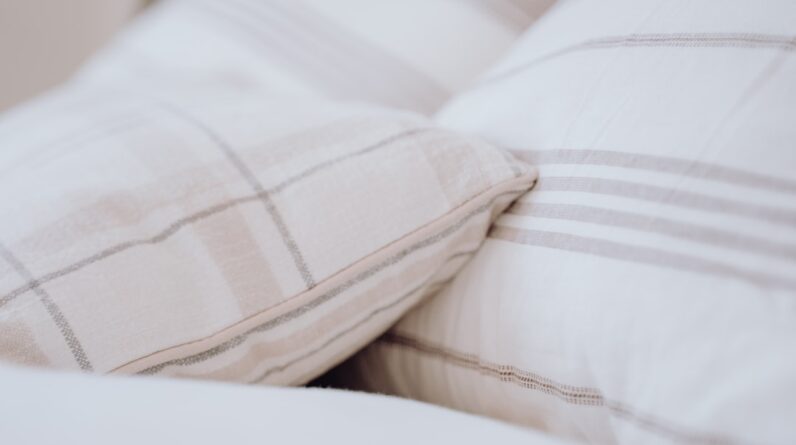
In recent years, the conversation surrounding sustainability has permeated various aspects of our lives, including the textiles we choose for our homes. Sustainable home textiles refer to fabrics and materials that are produced with minimal environmental impact, often utilizing organic or recycled materials. As you consider the aesthetics and functionality of your living space, it’s essential to recognize the importance of making eco-conscious choices.
By opting for sustainable textiles, you not only enhance the beauty of your home but also contribute to a healthier planet. The shift towards sustainable home textiles is not merely a trend; it represents a growing awareness of the environmental challenges we face. The textile industry is one of the largest polluters globally, with conventional production methods often leading to significant waste and chemical runoff.
By embracing sustainable options, you can play a part in reducing this impact. Whether it’s through organic cotton curtains or recycled polyester cushions, every choice you make can lead to a more sustainable lifestyle.
Key Takeaways
- Sustainable home textiles are environmentally friendly and socially responsible products that are made with minimal impact on the environment and the people involved in their production.
- Using sustainable home textiles can benefit the environment, your health, and the well-being of the workers involved in their production.
- Different types of sustainable home textiles include organic cotton, bamboo, hemp, linen, and recycled materials.
- When choosing sustainable home textiles, consider factors such as the material, certifications, and production processes to ensure their sustainability.
- To care for sustainable home textiles, follow eco-friendly practices such as washing with natural detergents, air-drying, and repairing instead of replacing.
Benefits of Using Sustainable Home Textiles
Creating a Healthier Indoor Environment
Choosing sustainable home textiles offers numerous benefits that go beyond environmental considerations. One of the most significant advantages is the reduction of harmful chemicals in your living space. Traditional textiles often undergo treatments with pesticides and synthetic dyes, which can release volatile organic compounds (VOCs) into your home.
The Durability of Sustainable Textiles
By selecting sustainable options, you can create a healthier indoor environment for yourself and your family. Moreover, sustainable textiles are often more durable than their conventional counterparts. Many eco-friendly fabrics are designed to withstand wear and tear, meaning you won’t have to replace them as frequently.
The Long-Term Benefits of Sustainable Textiles
This longevity not only saves you money in the long run but also reduces waste, as fewer items end up in landfills. When you invest in sustainable home textiles, you’re making a choice that benefits both your wallet and the planet.
Different Types of Sustainable Home Textiles

When it comes to sustainable home textiles, there is a diverse range of options available to suit your style and needs. Organic cotton is one of the most popular choices, as it is grown without harmful pesticides and fertilizers. This natural fiber is soft, breathable, and perfect for everything from bed linens to throw pillows.
You might find that organic cotton not only feels better against your skin but also aligns with your values regarding environmental stewardship. Another excellent option is linen, which is made from the flax plant. Linen is known for its durability and breathability, making it an ideal choice for warm climates.
Additionally, flax requires less water and fewer resources to grow compared to cotton, making linen a more sustainable alternative. You may also want to explore textiles made from recycled materials, such as recycled polyester or upcycled fabrics. These options help divert waste from landfills while providing unique textures and designs for your home.
How to Choose Sustainable Home Textiles
Selecting sustainable home textiles involves more than just picking a fabric; it requires an understanding of the materials and production processes behind them. Start by looking for certifications that indicate a product’s sustainability, such as Global Organic Textile Standard (GOTS) or OEKO-TEX certification. These labels ensure that the textiles meet specific environmental and social criteria, giving you peace of mind about your purchase.
Additionally, consider the lifecycle of the product. Opt for items that are designed to be biodegradable or recyclable at the end of their life. This approach not only minimizes waste but also encourages a circular economy where materials are reused rather than discarded.
As you shop for sustainable textiles, take the time to research brands that prioritize ethical practices and transparency in their supply chains. By supporting companies that align with your values, you contribute to a more sustainable future.
Tips for Caring for Sustainable Home Textiles
Caring for your sustainable home textiles is crucial to ensuring their longevity and maintaining their eco-friendly qualities. Start by following the care instructions provided by the manufacturer, as different fabrics may require specific washing methods. Generally, washing in cold water and air-drying can help preserve the integrity of the fibers while reducing energy consumption.
You should also be mindful of the cleaning products you use. Opt for eco-friendly detergents that are free from harsh chemicals and fragrances. This not only protects your textiles but also contributes to a healthier environment by reducing chemical runoff into waterways.
Regular maintenance, such as spot cleaning and gentle washing, can extend the life of your sustainable textiles, allowing you to enjoy them for years to come.
Eco-Friendly Practices in the Production of Sustainable Home Textiles

The production of sustainable home textiles involves various eco-friendly practices that aim to minimize environmental impact. One key aspect is the use of organic farming methods, which eliminate synthetic pesticides and fertilizers. This approach not only protects soil health but also promotes biodiversity by creating habitats for beneficial insects and wildlife.
Additionally, many sustainable textile manufacturers prioritize water conservation in their production processes. Techniques such as rainwater harvesting and closed-loop systems help reduce water usage while minimizing pollution. Furthermore, some brands are adopting innovative technologies like digital printing, which uses less water and energy compared to traditional dyeing methods.
By choosing textiles produced through these eco-friendly practices, you support a more responsible industry.
Where to Find Sustainable Home Textiles
Finding sustainable home textiles has become increasingly easier as consumer demand grows. Many retailers now offer dedicated sections for eco-friendly products, both online and in physical stores. You can start your search at local boutiques that specialize in sustainable goods or explore larger retailers that have committed to offering greener options.
Online platforms also provide a wealth of choices when it comes to sustainable home textiles. Websites dedicated to eco-friendly living often curate collections from various brands, making it simple for you to find what you need in one place. Additionally, consider exploring second-hand shops or thrift stores; these venues often carry unique items that align with sustainable practices while reducing waste.
Embracing Sustainable Home Textiles for a Greener Future
As you navigate the world of home decor, embracing sustainable home textiles is a powerful way to contribute to a greener future. By making informed choices about the materials you bring into your space, you can create an environment that reflects your values while promoting sustainability. The benefits extend beyond aesthetics; they encompass health, durability, and environmental responsibility.
Incorporating sustainable textiles into your home is not just about making a single purchase; it’s about fostering a mindset that prioritizes eco-conscious living. As you explore different options and learn about the practices behind them, you become an advocate for change within the textile industry. Together, we can create a more sustainable world—one beautiful fabric at a time.
FAQs
What are sustainable home textiles?
Sustainable home textiles are products such as bedding, towels, and other household fabrics that are made from environmentally friendly materials and produced using eco-friendly processes. These textiles are designed to have minimal impact on the environment and promote social responsibility.
What materials are used to make sustainable home textiles?
Sustainable home textiles are often made from organic cotton, linen, hemp, bamboo, and recycled materials. These materials are grown and processed using sustainable methods that minimize the use of harmful chemicals and reduce water and energy consumption.
How are sustainable home textiles produced?
Sustainable home textiles are produced using eco-friendly processes such as organic farming, low-impact dyeing, and water and energy-efficient manufacturing techniques. These processes aim to minimize the environmental impact of textile production and reduce the use of harmful chemicals.
What are the benefits of using sustainable home textiles?
Using sustainable home textiles can help reduce the environmental impact of textile production, conserve natural resources, and promote ethical and fair labor practices. These textiles are also often of high quality and can contribute to a healthier and more comfortable living environment.
Where can I find sustainable home textiles?
Sustainable home textiles can be found at specialty eco-friendly stores, online retailers, and some mainstream home goods stores. Many brands and manufacturers now offer sustainable options for bedding, towels, and other household fabrics.