In an age where technology is omnipresent, the intersection of tactile experiences and digital interfaces has become increasingly significant. You may have noticed that the devices you use daily are not just functional tools but also objects that evoke emotions and sensations. This phenomenon, often referred to as “Tech Meets Texture,” emphasizes the importance of incorporating tactile elements into technology design.
As you navigate through this article, you will discover how texture plays a pivotal role in enhancing user interaction, influencing consumer choices, and shaping the future of tech design. The marriage of technology and texture is not merely a trend; it represents a fundamental shift in how designers approach product development. You might find yourself drawn to devices that feel good in your hands, that offer a sensory experience beyond mere functionality.
This article will explore the evolution of design in technology, the incorporation of texture into gadgets, and the profound impact these elements have on user experience and consumer perception. By understanding these dynamics, you can appreciate how texture enriches your interaction with technology and shapes your preferences as a consumer.
Key Takeaways
- Tech Meets Texture is a growing trend in design that focuses on incorporating tactile elements into technology products.
- Design in technology has evolved from purely functional to a more holistic approach that considers the sensory experience of users.
- Texture is being incorporated into tech gadgets through materials, finishes, and surface treatments to enhance the user experience.
- User experience plays a crucial role in the design of tech products, with texture being a key factor in creating a more engaging and intuitive interaction.
- Balancing aesthetics and functionality is essential in tech design, and texture can be used to enhance both aspects, creating a more appealing and user-friendly product.
The Evolution of Design in Technology
The journey of design in technology has been marked by significant transformations, reflecting changes in consumer needs and technological advancements. In the early days of computing, functionality took precedence over aesthetics. You may recall bulky monitors and clunky keyboards that prioritized performance over user experience.
However, as technology evolved, so did the expectations of users like you. The rise of personal computing and mobile devices ushered in an era where design became a critical factor in product success. As you observe the evolution of design, you will notice a shift towards minimalism and user-centric approaches.
Companies began to recognize that a sleek design could enhance usability and attract consumers. The introduction of smartphones revolutionized this concept, as manufacturers started to prioritize not only how devices functioned but also how they felt in your hand. Touchscreens replaced physical buttons, creating a seamless interaction that emphasized the importance of tactile feedback.
This evolution has paved the way for a deeper exploration of texture in tech design, as brands strive to create products that resonate with users on multiple sensory levels.
Incorporating Texture into Tech Gadgets
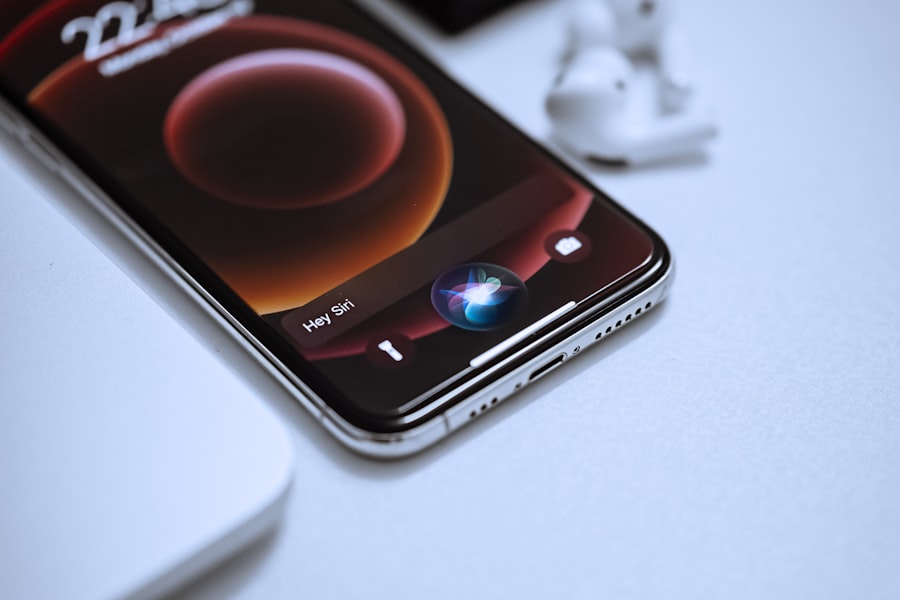
Incorporating texture into tech gadgets is more than just an aesthetic choice; it is a strategic decision that can significantly enhance user experience. You may have noticed that many modern devices feature materials like soft-touch plastics, brushed metals, or even textured glass. These choices are intentional, aimed at creating a more engaging interaction between you and your device.
The tactile quality of a product can influence how you perceive its value and functionality. Consider the feel of a smartphone in your hand. A device with a smooth finish may feel sleek and modern, while one with a textured surface can provide a sense of grip and security.
This tactile feedback can enhance your confidence in using the device, making it more enjoyable to interact with. Additionally, texture can serve practical purposes; for instance, textured surfaces can help prevent slippage, ensuring that your device remains securely in your grasp. As you explore various gadgets, pay attention to how texture influences your overall experience and satisfaction with the product.
The Role of User Experience in Design
User experience (UX) has become a cornerstone of modern design philosophy, emphasizing the importance of creating products that are not only functional but also enjoyable to use. You may have encountered various tech products that excel in UX due to their thoughtful design choices. Texture plays a crucial role in this aspect, as it can significantly impact how you interact with a device.
A well-designed product considers not only visual appeal but also how it feels to touch and use. When designers prioritize user experience, they often conduct extensive research to understand your needs and preferences. This research informs decisions about materials, shapes, and textures that will resonate with you as a user.
For example, a gaming controller designed with textured grips can enhance your comfort during long gaming sessions, while a laptop with a soft-touch finish can make typing feel more pleasant. By focusing on user experience, designers create products that foster emotional connections and encourage loyalty among consumers like you.
Balancing Aesthetics and Functionality
In the world of tech design, striking the right balance between aesthetics and functionality is essential. You may have encountered products that look stunning but fall short in performance or usability. Conversely, some devices may excel in functionality but lack visual appeal.
The challenge for designers lies in creating products that are both beautiful and practical, ensuring that they meet your needs while also delighting your senses. Texture plays a vital role in achieving this balance. A well-chosen texture can enhance the visual appeal of a product while also serving functional purposes.
For instance, a laptop with an elegant matte finish not only looks sophisticated but also minimizes fingerprints and smudges, maintaining its aesthetic integrity over time. By thoughtfully integrating texture into design, manufacturers can create products that resonate with you on multiple levels—visually captivating while remaining highly functional.
The Impact of Texture on Consumer Perception
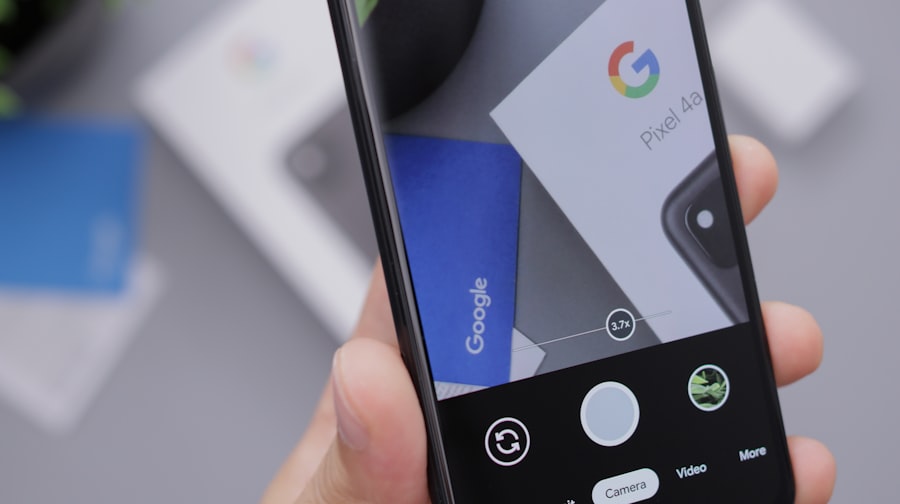
The Subconscious Impact of Texture
As you interact with various tech products, your subconscious reactions to their textures can significantly influence your overall impression of the brand and its offerings. Research has shown that tactile experiences can shape your perception of quality and value; for instance, a device with a premium feel may lead you to believe it is more reliable or advanced than its competitors.
Emotional Responses to Texture
When you pick up a gadget with a textured surface or an innovative material, it can evoke feelings of excitement or trust. This emotional response can significantly affect your purchasing decisions and brand loyalty. Companies are increasingly aware of this phenomenon and are investing in research to understand how texture influences consumer behavior.
Fostering Deeper Connections through Texture
By creating products that resonate with you on an emotional level through thoughtful texture choices, brands can foster deeper connections and encourage repeat purchases.
Case Studies: Successful Integration of Texture in Tech Design
Several case studies exemplify the successful integration of texture into tech design, showcasing how companies have harnessed this element to enhance user experience and brand perception. One notable example is Apple’s approach to product design. You may have noticed how Apple meticulously considers texture across its product line—from the smooth glass surfaces of iPhones to the soft-touch finishes on MacBooks.
These choices not only create a cohesive brand identity but also elevate the overall user experience by making devices feel premium and inviting. Another compelling case study is that of gaming consoles like the PlayStation 5. Sony’s design team opted for a bold aesthetic featuring textured surfaces that not only enhance grip but also add visual interest to the console’s appearance.
This attention to texture has resonated with gamers who appreciate both the tactile feedback during gameplay and the striking design that stands out in their entertainment setups. These examples illustrate how successful integration of texture can lead to products that are not only functional but also emotionally engaging for consumers like you.
The Future of Tech Meets Texture: Trends and Innovations
As we look ahead to the future of tech meets texture, several trends and innovations are poised to shape the landscape of product design. One emerging trend is the use of sustainable materials that offer unique textures while minimizing environmental impact. You may find yourself increasingly drawn to products made from recycled plastics or biodegradable materials that provide both tactile satisfaction and eco-friendliness.
Additionally, advancements in technology are enabling designers to experiment with dynamic textures—surfaces that can change based on user interaction or environmental conditions. Imagine a smartphone case that adjusts its texture for better grip when it detects moisture or humidity; such innovations could redefine how you interact with your devices on a daily basis. In conclusion, as technology continues to evolve, the integration of texture will remain a vital aspect of design philosophy.
By understanding how texture influences user experience and consumer perception, you can appreciate the thoughtfulness behind modern tech gadgets and their ability to engage your senses fully. The future promises exciting developments at this intersection of tech meets texture, ensuring that your interactions with technology will be more immersive and enjoyable than ever before.
FAQs
What is the intersection of gadgets and design?
The intersection of gadgets and design refers to the merging of technology and aesthetics to create functional and visually appealing products. This can include the design of electronic devices, wearable technology, home appliances, and more.
How does technology influence design in gadgets?
Technology influences design in gadgets by enabling new forms, materials, and functionalities. Advancements in materials, manufacturing processes, and user interfaces have allowed designers to create sleek, innovative, and user-friendly products.
What are some examples of gadgets that showcase the intersection of technology and design?
Examples of gadgets that showcase the intersection of technology and design include smartphones, smartwatches, wireless earbuds, home automation devices, and virtual reality headsets. These products often feature a seamless blend of form and function.
Why is the intersection of gadgets and design important?
The intersection of gadgets and design is important because it enhances the user experience, promotes innovation, and contributes to the overall aesthetic appeal of technology products. Well-designed gadgets can also improve usability and accessibility for a wider range of users.
How can designers and technologists collaborate to create innovative products?
Designers and technologists can collaborate to create innovative products by sharing knowledge, leveraging each other’s expertise, and embracing a user-centered approach. By working together, they can ensure that technology and design are integrated seamlessly to meet the needs of users.