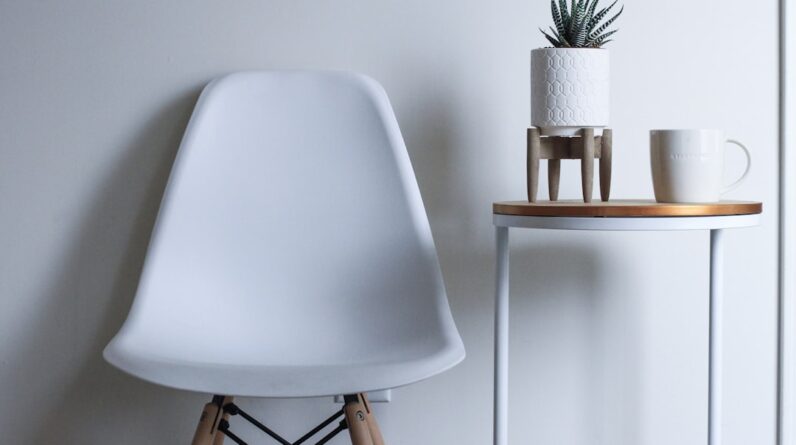
In the realm of contemporary interior design, focal points serve as the heart of a space, drawing the eye and anchoring the overall aesthetic. You may find that a well-placed focal point can transform an ordinary room into an extraordinary one, creating a sense of harmony and purpose. By establishing a central element, you guide the flow of the room, allowing for a more cohesive and inviting atmosphere.
This is particularly crucial in modern interiors, where minimalism often reigns supreme, and every piece must earn its place. Focal points not only enhance the visual appeal of a space but also contribute to its functionality. They can help delineate areas within an open floor plan, providing structure and organization.
When you understand the importance of these central elements, you can make informed decisions about your design choices, ensuring that each piece contributes to the overall narrative of your home. Whether it’s a striking piece of art, a unique piece of furniture, or an architectural feature, recognizing the role of focal points will elevate your interior design game.
Key Takeaways
- Focal points are essential in contemporary interiors to create visual interest and draw attention to specific areas.
- When choosing a focal point for your space, consider the size and scale of the room, as well as the natural focal points such as windows or architectural features.
- Using color and texture can help create focal points, whether through accent walls, bold furniture pieces, or textured fabrics.
- Art and decorative objects can serve as focal points, adding personality and visual appeal to a room.
- Furniture and architectural features such as fireplaces or statement walls can also be used as focal points to anchor a space and create a sense of balance.
Choosing the Right Focal Point for Your Space
Selecting the right focal point for your space is a critical step in achieving a well-designed interior. You should consider the purpose of the room and how you want it to feel. For instance, in a living room, you might opt for a fireplace or a large piece of artwork that resonates with your personal style.
In contrast, a dining area could benefit from an elegant chandelier or a statement table that encourages conversation and connection. The key is to choose something that not only stands out but also complements the overall design theme. When deciding on a focal point, think about scale and proportion.
A large room may require a bold statement piece to fill the space effectively, while a smaller area might benefit from something more subtle yet impactful. You should also consider the surrounding elements; your focal point should harmonize with other design features rather than compete with them. By carefully evaluating your options and understanding the dynamics of your space, you can select a focal point that enhances both aesthetics and functionality.
Using Color and Texture to Create Focal Points

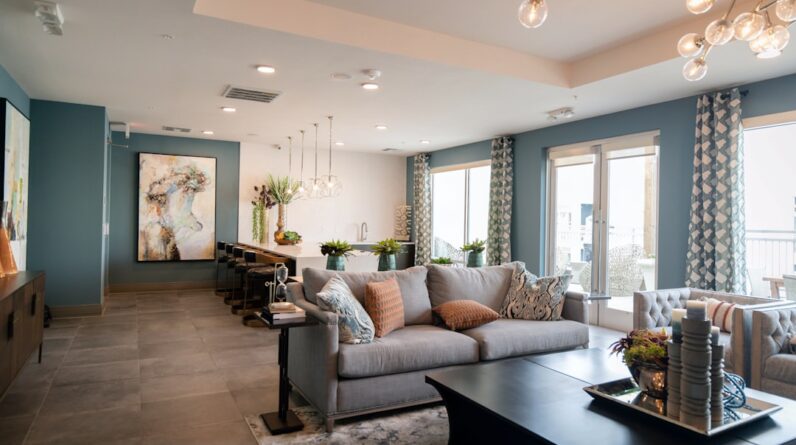
Color and texture are powerful tools in your design arsenal when it comes to creating focal points. You can use vibrant hues to draw attention to specific areas or objects within a room. For example, painting an accent wall in a bold color can instantly transform it into a focal point, setting the tone for the entire space.
Alternatively, you might choose to incorporate colorful accessories, such as cushions or rugs, that stand out against a neutral backdrop. This approach allows you to introduce personality and flair without overwhelming the room. Texture also plays a vital role in establishing focal points.
You can create visual interest by combining different materials and finishes. Imagine a sleek leather sofa paired with a textured wool throw or a glass coffee table juxtaposed against a rustic wooden side table. These contrasts not only draw the eye but also invite touch and engagement.
By thoughtfully integrating color and texture into your design, you can craft focal points that are not only visually striking but also rich in depth and character.
Incorporating Art and Decorative Objects as Focal Points
Art and decorative objects are quintessential elements for creating focal points in contemporary interiors. You might consider showcasing a large canvas or sculpture that resonates with your personal taste and serves as a conversation starter. When selecting art, think about how it interacts with the surrounding space—its size, color palette, and style should complement your overall design vision.
A well-placed piece of art can evoke emotions and set the mood for the entire room. In addition to traditional artwork, decorative objects such as vases, books, or unique collectibles can also serve as focal points. You can curate these items on shelves or coffee tables to create visual interest and tell a story about your personal journey.
The key is to strike a balance between showcasing these objects and maintaining an uncluttered look. By thoughtfully incorporating art and decorative pieces into your design, you can create focal points that reflect your individuality while enhancing the overall aesthetic of your home.
Utilizing Furniture and Architectural Features as Focal Points
Furniture and architectural features can serve as striking focal points in contemporary interiors. You might choose to highlight a statement piece of furniture, such as an oversized armchair or an intricately designed dining table, that captures attention and anchors the room. When selecting furniture as a focal point, consider its shape, color, and material—these elements should harmonize with the overall design while standing out in their own right.
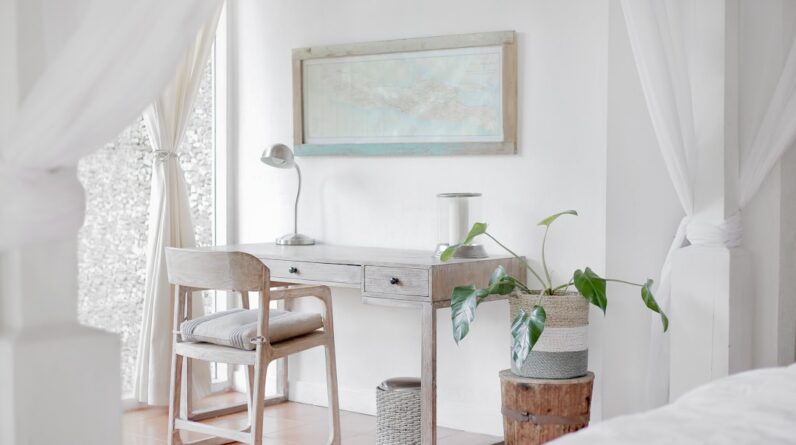
Architectural features such as exposed beams, large windows, or unique doorways can also serve as natural focal points. You may want to accentuate these elements by using complementary colors or lighting techniques that draw attention to their beauty. For instance, if you have large windows with stunning views, consider using sheer curtains that frame them without obstructing the view.
By utilizing furniture and architectural features effectively, you can create dynamic focal points that enhance both functionality and aesthetics in your space.
Creating Visual Interest with Lighting as a Focal Point

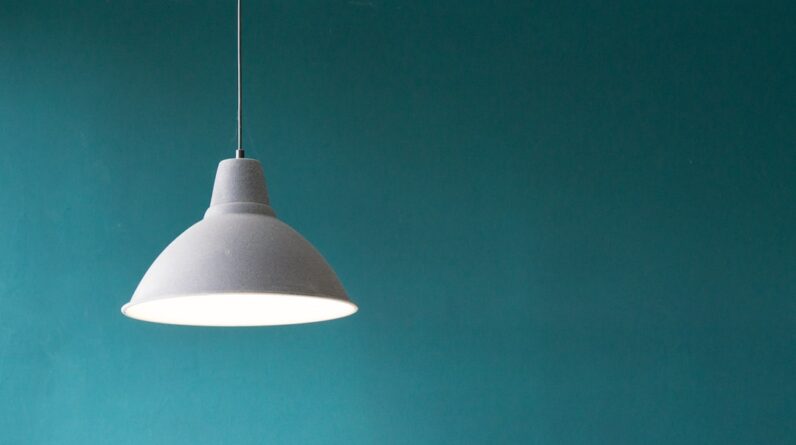
Lighting is often an overlooked aspect of interior design, yet it has the potential to be one of the most impactful focal points in your home. You can use various types of lighting—such as pendant lights, chandeliers, or wall sconces—to create visual interest and set the mood for different areas within your space. A dramatic chandelier in a dining room can serve as both a functional light source and an eye-catching centerpiece that elevates the entire atmosphere.
In addition to decorative lighting fixtures, consider how you can use light to highlight other focal points in your room. For example, strategically placed spotlights can draw attention to artwork or architectural features, enhancing their prominence within the space. You might also experiment with dimmers to adjust the intensity of light based on the time of day or occasion, allowing you to create different moods throughout your home.
By thoughtfully incorporating lighting as a focal point, you can enhance both functionality and aesthetics while adding depth to your interior design.
Balancing Multiple Focal Points in a Room
While having a single focal point can create clarity in design, there are times when multiple focal points may be appropriate for larger spaces or open floor plans. In such cases, it’s essential to maintain balance so that no single element overwhelms the others. You should consider how each focal point interacts with its surroundings—ensuring they complement rather than compete with one another.
To achieve balance among multiple focal points, think about creating visual pathways that guide the eye throughout the room. You might use color repetition or similar textures across different elements to create cohesion. For instance, if you have an eye-catching artwork on one wall and a striking piece of furniture on another, consider using similar colors or materials in both areas to tie them together visually.
By carefully balancing multiple focal points, you can create an engaging and harmonious environment that invites exploration.
Tips for Maintaining Focal Points in a Contemporary Interior
Once you’ve established focal points in your contemporary interior, maintaining their impact is crucial for long-term satisfaction with your design choices. Regularly reassess how these elements interact with one another and with changing seasons or trends. You may find that rotating decorative objects or updating artwork can refresh your space without requiring significant changes.
Additionally, keep clutter at bay to ensure that your focal points remain prominent. You should regularly evaluate accessories and furniture arrangements to maintain an uncluttered look that allows each element to shine on its own merit. By being mindful of how you curate your space over time, you can ensure that your focal points continue to enhance your contemporary interior while reflecting your evolving style preferences.
In conclusion, understanding and implementing focal points in contemporary interiors is essential for creating spaces that are both functional and visually appealing. By carefully selecting and maintaining these central elements—whether through color, texture, art, furniture, lighting, or architectural features—you can craft an environment that resonates with your personal style while inviting comfort and connection within your home.
FAQs
What are focal points in interior design?
Focal points in interior design are specific areas or elements within a space that are intentionally highlighted to draw attention and create visual interest. They serve as the main attraction and help to anchor the overall design of the room.
Why are focal points important in contemporary interiors?
Focal points are important in contemporary interiors because they help to create a sense of balance and harmony within the space. They also serve as a way to showcase the homeowner’s personal style and add a unique touch to the design.
What are some common focal points in contemporary interiors?
Common focal points in contemporary interiors include architectural features such as fireplaces, large windows, and built-in shelving, as well as decorative elements like artwork, accent walls, and statement furniture pieces.
How can focal points be created in contemporary interiors?
Focal points can be created in contemporary interiors through the use of color, texture, and scale. This can be achieved by incorporating bold colors, using contrasting materials, and selecting eye-catching furniture or artwork.
What are some tips for creating effective focal points in contemporary interiors?
Some tips for creating effective focal points in contemporary interiors include considering the scale of the space, using lighting to highlight the focal point, and ensuring that the chosen element complements the overall design aesthetic of the room.