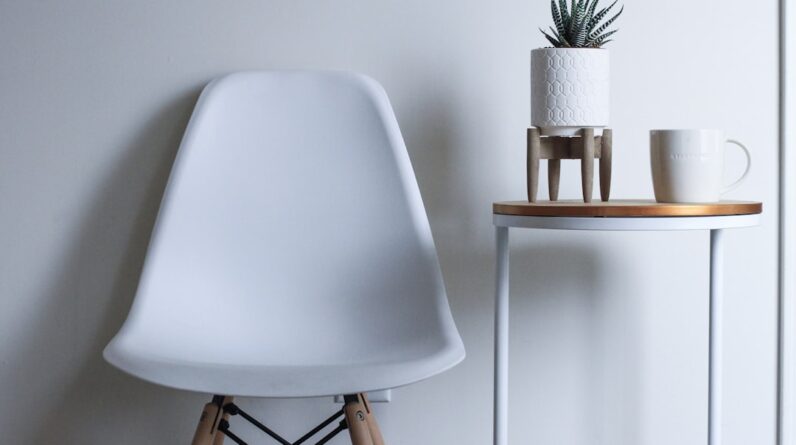
In recent years, the concept of personalized home design has gained significant traction, transforming the way you think about your living space. Gone are the days when cookie-cutter homes dominated the market, leaving little room for individuality. Today, homeowners are increasingly seeking to create environments that reflect their unique tastes, lifestyles, and values.
This shift is not merely a trend; it represents a fundamental change in how you perceive your home as a sanctuary that should resonate with your identity. The rise of personalized home design can be attributed to several factors. First, the growing awareness of mental health and well-being has led many to recognize the importance of a space that feels comfortable and authentic.
You may find that a home designed with your personal touch can significantly enhance your mood and overall quality of life. Additionally, the influence of social media platforms has allowed you to explore diverse design ideas and inspirations from around the world, encouraging you to think outside the box and embrace creativity in your own space.
Key Takeaways
- Personalized home design is on the rise, with more homeowners seeking to create unique and individualized spaces that reflect their personality and lifestyle.
- Customizing your space allows you to create a home that meets your specific needs and preferences, but it also comes with challenges such as budget constraints and decision-making fatigue.
- Tips for personalizing your home include incorporating meaningful objects, embracing color and texture, and seeking inspiration from your own experiences and travels.
- Technology plays a significant role in custom home design, offering tools and resources to visualize and plan personalized spaces, from virtual reality to 3D printing.
- Balancing functionality and personalization is key in home design, as it’s important to create a space that not only looks good but also serves its intended purpose for everyday living.
- The future of customization in home design is likely to see even more advanced technology and sustainable practices, as well as a continued focus on individual expression and wellness.
- Personalizing your home on a budget is possible through DIY projects, upcycling, and strategic investments in key pieces that make a big impact.
- Customized home design can have a significant emotional impact, creating a sense of belonging, comfort, and pride in one’s living space.
Customizing Your Space: The Benefits and Challenges
Personalization and Pride
This level of personalization fosters a sense of ownership and pride in your living space, making it feel more like a true home.
The Challenges of Customization
However, customizing your space also comes with its own set of challenges. One of the primary hurdles you may encounter is the overwhelming number of choices available. With countless design styles, materials, and color palettes to choose from, it can be easy to feel lost or indecisive.
Balancing Personal Taste and Practicality
Additionally, balancing your personal tastes with practical considerations—such as budget constraints and functionality—can be a daunting task. You may find yourself torn between what you love and what is feasible, leading to potential frustration during the design process.
Incorporating Individuality: Tips for Personalizing Your Home

To successfully incorporate individuality into your home design, consider starting with a clear vision of what you want to achieve. Take time to reflect on your interests, hobbies, and experiences that have shaped who you are. This introspection will help you identify key elements that resonate with you and can be integrated into your space.
For instance, if you have a passion for travel, displaying souvenirs or artwork from your adventures can add a personal touch that tells your story. Another effective way to personalize your home is by mixing and matching styles. You don’t have to adhere strictly to one design aesthetic; instead, feel free to blend different influences that speak to you.
Combining modern elements with vintage finds or incorporating eclectic decor can create a unique atmosphere that feels distinctly yours. Remember that personalization doesn’t always have to come from expensive purchases; sometimes, DIY projects or repurposing items can yield stunning results while adding character to your home.
The Role of Technology in Custom Home Design
Technology has revolutionized the way you approach custom home design, making it easier than ever to visualize and implement your ideas. With the advent of design software and apps, you can experiment with layouts, color schemes, and furniture arrangements before making any commitments. This virtual exploration allows you to see how different elements work together in real-time, helping you make informed decisions that align with your vision.
Moreover, smart home technology has opened up new avenues for personalization. From automated lighting systems that adjust according to your mood to smart thermostats that learn your preferences, these innovations allow you to create an environment that caters to your lifestyle. As technology continues to evolve, it will undoubtedly play an increasingly integral role in shaping personalized home design, offering you tools that enhance both aesthetics and functionality.
Balancing Functionality and Personalization in Home Design
While personalizing your home is essential for creating a space that feels uniquely yours, it’s equally important to ensure that functionality is not compromised in the process. Striking a balance between aesthetics and practicality can be challenging but is crucial for long-term satisfaction with your living environment. You may find yourself drawn to certain design elements that are visually appealing but may not serve a practical purpose in your daily life.
To achieve this balance, consider prioritizing functionality in key areas of your home while allowing for personalization in decorative aspects. For example, when designing your kitchen, focus on creating an efficient layout with ample storage and workspace. Once the functional elements are in place, you can infuse personality through color choices, decorative accents, and unique appliances that reflect your style.
This approach ensures that your home remains both beautiful and livable.
The Future of Customization in Home Design

Modular Homes for a Changing Lifestyle
Modular homes that allow for easy reconfiguration will enable homeowners to adapt their living space as their needs change over time. This flexibility will provide a unique opportunity to create a living space that evolves with you.
Immersive Design Experiences
The rise of virtual reality (VR) and augmented reality (AR) technologies is set to revolutionize the home design experience. Imagine being able to walk through a virtual representation of your future home before any physical changes are made. This immersive experience will empower homeowners to make more informed decisions about layout and design elements, ensuring that every aspect aligns with their vision.
A Sustainable and Personalized Future
As technology continues to advance, we can expect to see even more innovative solutions that prioritize both individuality and sustainability. The future of home design is bright, and it’s exciting to think about the possibilities that await us.
Personalizing Your Home on a Budget
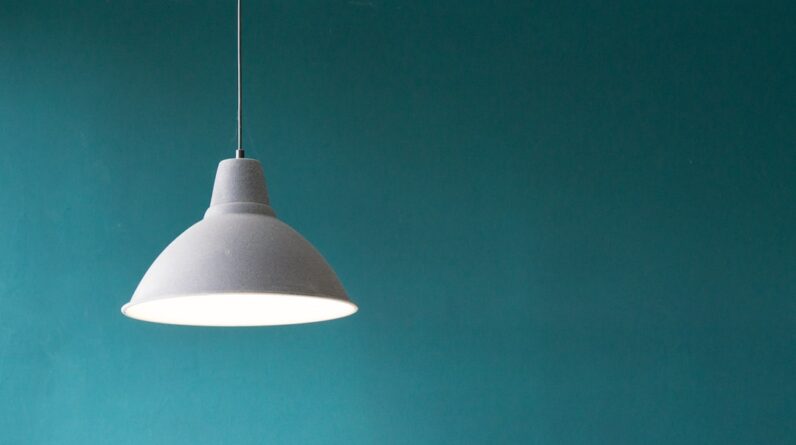
Personalizing your home doesn’t have to break the bank; there are numerous ways to infuse character into your space without overspending. One effective strategy is to focus on small changes that make a big impact. Simple updates like changing light fixtures or swapping out cabinet hardware can dramatically alter the look of a room without requiring a significant financial investment.
Thrift stores and flea markets are treasure troves for unique finds that can add personality to your home at a fraction of the cost of new items. You might discover vintage furniture pieces or quirky decor items that resonate with your style. Additionally, consider engaging in DIY projects; whether it’s painting an accent wall or creating custom artwork, these hands-on endeavors not only save money but also allow for deeper personal expression.
The Emotional Impact of Customized Home Design
The emotional impact of customized home design cannot be overstated. When you invest time and effort into creating a space that reflects who you are, it fosters a sense of belonging and comfort. Your home becomes more than just a physical structure; it transforms into a sanctuary where you can unwind, express yourself, and connect with loved ones.
This emotional connection can significantly enhance your overall well-being and happiness. Moreover, personalized spaces often evoke memories and stories that contribute to their emotional significance. Each piece of decor or furniture may hold sentimental value or remind you of cherished experiences.
As you curate these elements within your home, they serve as constant reminders of who you are and what matters most to you. Ultimately, the journey of customizing your home is not just about aesthetics; it’s about creating an environment that nurtures your spirit and enriches your life.
FAQs
What is customization in home design?
Customization in home design refers to the process of tailoring a living space to meet the specific needs and preferences of the homeowner. This can include personalized features, unique layouts, and individualized design elements.
What are the benefits of customization in home design?
Customization in home design allows homeowners to create a living space that reflects their personal style and meets their specific requirements. It can also enhance functionality, improve comfort, and increase the overall value of the property.
What are some common areas of customization in home design?
Common areas of customization in home design include kitchen and bathroom layouts, flooring and finishes, lighting and fixtures, storage solutions, and outdoor living spaces. Customization can also extend to furniture, decor, and artwork.
How can homeowners incorporate customization into their home design?
Homeowners can incorporate customization into their home design by working with architects, interior designers, and contractors to create personalized floor plans, select custom finishes and materials, and integrate unique design elements. They can also explore DIY projects and custom furniture options.
What are some popular trends in customization and individuality in home design?
Popular trends in customization and individuality in home design include the use of sustainable and eco-friendly materials, smart home technology integration, open-concept living spaces, and personalized outdoor living areas. Additionally, there is a growing interest in incorporating cultural and artistic influences into home design.