Color is an omnipresent element in our lives, influencing our emotions, behaviors, and perceptions in ways we often overlook. As you navigate through your daily experiences, you may not realize how deeply color affects your mood and decision-making processes. The psychology of color delves into the intricate relationship between colors and human psychology, revealing how different hues can evoke specific feelings and reactions.
Understanding this connection can empower you to make more informed choices in various aspects of life, particularly in interior design. In the realm of interior design, color serves as a powerful tool that can transform a space and influence the atmosphere within it. By grasping the principles of color psychology, you can create environments that resonate with your desired emotional outcomes.
Whether you aim to foster tranquility in a bedroom or stimulate creativity in a workspace, the colors you choose play a pivotal role in shaping those experiences. As you explore the nuances of color, you will discover how to harness its potential to enhance your surroundings and enrich your life.
Key Takeaways
- Color psychology explores the impact of different colors on human emotions and behavior.
- Colors can evoke specific emotions and moods, such as red for energy and passion, or blue for calm and relaxation.
- By strategically using color, interior designers can create desired atmospheres, such as using warm tones for a cozy feel or cool tones for a spacious look.
- Color can also influence the perception of space, with lighter colors making a room feel larger and darker colors creating a more intimate setting.
- Contemporary interior design trends often incorporate bold and vibrant colors, as well as the use of natural and earthy tones for a calming effect.
The Impact of Color on Emotions and Mood
The Power of Warm Colors
Warm colors like red and orange can evoke feelings of warmth, excitement, and even aggression. On the other hand, cooler colors such as blue and green tend to promote calmness and relaxation.
The Cultural Significance of Colors
The psychological effects of color can vary based on personal experiences and cultural backgrounds. For example, while white is often associated with purity and simplicity in Western cultures, it may symbolize mourning in some Eastern cultures.
Designing with Emotional Intelligence
This variability highlights the importance of considering your own emotional responses to colors when designing your space. By being mindful of how different hues resonate with you personally, you can create an environment that not only looks appealing but also nurtures your emotional well-being.
Using Color to Create a Desired Atmosphere

Creating a desired atmosphere in your home involves more than just selecting aesthetically pleasing colors; it requires an understanding of how those colors interact with light, space, and your personal preferences. For instance, if you want to cultivate a cozy and inviting living room, consider using warm tones like soft yellows or earthy browns. These colors can create a sense of warmth and comfort, making the space feel more welcoming for both you and your guests.
On the other hand, if your goal is to foster a productive workspace, cooler colors like light blue or green can help maintain focus and clarity. These shades are known for their calming effects, which can reduce stress and enhance concentration. By strategically choosing colors that align with the intended purpose of each room, you can effectively shape the atmosphere to support your lifestyle and activities.
The Influence of Color on Perception of Space
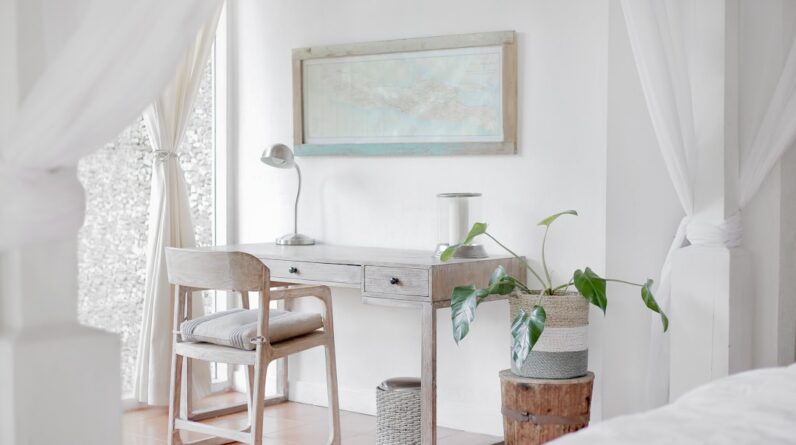
Color plays a crucial role in shaping your perception of space, influencing how large or small a room feels. Lighter colors tend to make spaces appear more expansive and airy, while darker shades can create a sense of intimacy or even confinement. If you’re working with a small room, opting for light pastels or whites can help open up the space visually, making it feel larger than it actually is.
This technique is particularly useful in urban settings where square footage is often limited. Conversely, if you have a large room that feels cold or uninviting, using darker colors can help create a cozier atmosphere. Deep hues like navy blue or charcoal gray can add depth and warmth to expansive spaces, making them feel more intimate and inviting.
By understanding how color affects spatial perception, you can manipulate the visual dimensions of your home to better suit your needs and preferences.
Color Trends in Contemporary Interior Design
As you explore contemporary interior design trends, you’ll notice that color palettes are constantly evolving. In recent years, there has been a shift towards more muted tones and earthy shades that reflect a desire for connection with nature. Colors like terracotta, sage green, and soft beige have gained popularity as they evoke feelings of warmth and grounding.
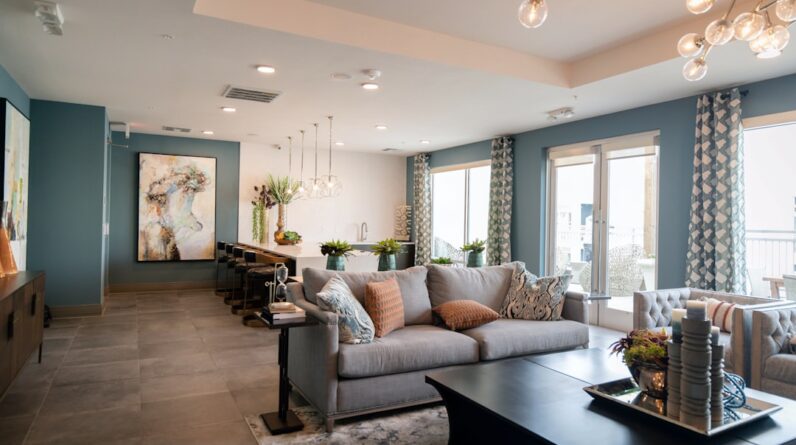
These hues not only create a serene environment but also promote sustainability by drawing inspiration from natural elements. Additionally, bold accent colors are making a comeback as homeowners seek to express their individuality through design. Vibrant shades like deep teal or mustard yellow can serve as striking focal points when used sparingly against neutral backdrops.
This trend allows you to infuse personality into your space while maintaining a balanced aesthetic. By staying attuned to these color trends, you can create a home that feels both modern and reflective of your unique style.
Choosing the Right Color Palette for Your Home

Identifying Your Emotional Connection
Start by identifying colors that resonate with you on an emotional level; these will form the foundation of your palette. You might find inspiration from nature, artwork, or even fabric swatches that catch your eye.
Creating a Cohesive Color Scheme
Once you’ve established a base color, consider how it will interact with other hues in your home. A cohesive color scheme often includes complementary or analogous colors that harmonize well together. For example, if you’ve chosen a soft blue as your primary color, pairing it with muted greens or grays can create a soothing atmosphere throughout your home.
Considering Lighting Conditions
Additionally, don’t forget to factor in lighting conditions; natural light can significantly alter how colors appear in different spaces.
Incorporating Color Psychology into Interior Design
Incorporating color psychology into your interior design approach allows you to create spaces that not only look beautiful but also support your emotional well-being. Start by assessing the purpose of each room: what activities will take place there? For instance, in a bedroom where relaxation is key, opt for calming colors like soft lavender or pale blue to promote restful sleep.
In contrast, a home office might benefit from energizing shades like bright yellow or green to stimulate creativity and productivity. Furthermore, consider using color strategically to highlight specific areas or features within your home. Accent walls painted in bold colors can draw attention to architectural details or artwork while adding depth to the overall design.
By thoughtfully applying color psychology principles throughout your home, you can create an environment that nurtures both aesthetics and emotional health.
Harnessing the Power of Color in Interior Design
In conclusion, understanding the psychology of color empowers you to make intentional choices that enhance both the beauty and functionality of your living spaces. By recognizing how different colors influence emotions and perceptions, you can create atmospheres that align with your lifestyle and aspirations. Whether you’re aiming for tranquility in a bedroom or vibrancy in a creative workspace, the right color palette can significantly impact your experience within those spaces.
As you embark on your interior design journey, remember that color is not merely an aesthetic choice; it is a powerful tool that shapes how you feel and interact with your environment. By harnessing this power thoughtfully and creatively, you can transform your home into a sanctuary that reflects your personality while promoting emotional well-being. Embrace the art of color in design, and watch as it elevates your living experience to new heights.
FAQs
What is the psychology of color in interior design?
The psychology of color in interior design refers to the impact that different colors have on human emotions, moods, and behaviors within a space. It explores how color choices can influence the perception and experience of a room.
How do different colors affect our emotions in interior design?
Different colors can evoke various emotional responses. For example, warm colors like red and orange can create a sense of energy and warmth, while cool colors like blue and green can promote feelings of calm and relaxation. Neutral colors like white and beige can convey a sense of simplicity and sophistication.
What are some common color choices and their psychological effects in interior design?
– Blue: Often associated with tranquility and stability, blue can create a sense of calm and relaxation in a space.
– Red: Known for its stimulating and energizing qualities, red can add warmth and excitement to a room.
– Yellow: Yellow is often linked to happiness and positivity, making it a popular choice for creating a cheerful and inviting atmosphere.
– Green: Symbolizing nature and growth, green can promote a sense of balance and harmony within a space.
How can color be used to create a specific atmosphere in interior design?
Interior designers can use color to create specific atmospheres within a space. For example, using cool tones like blues and greens can help create a serene and peaceful environment, while incorporating warm tones like reds and oranges can add energy and vibrancy to a room.
What are some considerations when choosing colors for interior design?
When choosing colors for interior design, it’s important to consider the function of the space, the desired atmosphere, and the preferences of the occupants. Additionally, factors such as natural light, room size, and existing decor should be taken into account to ensure that the chosen colors complement the overall design scheme.