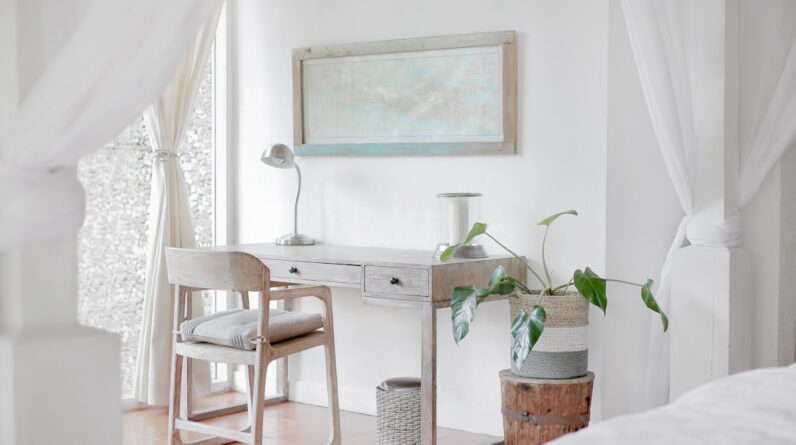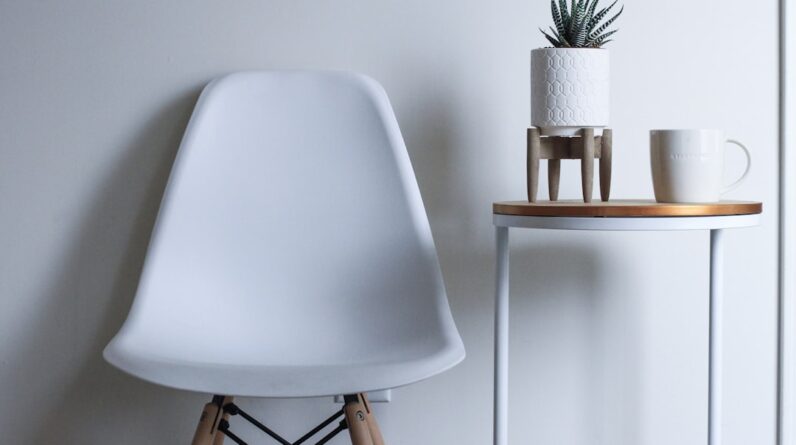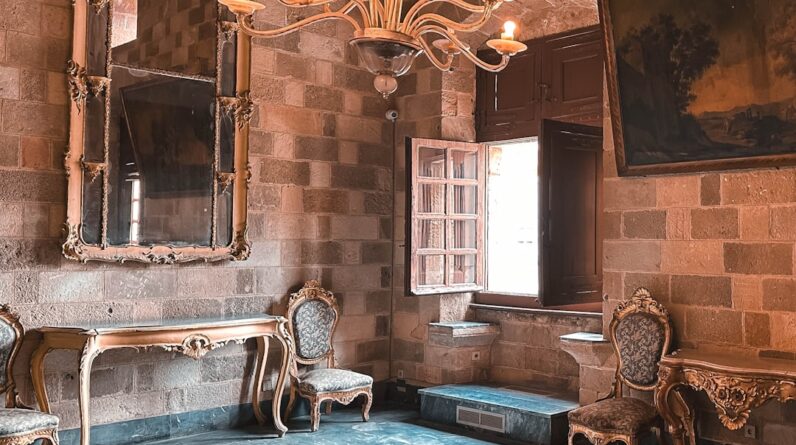
Timeless elegance is a concept that transcends fleeting trends and fads, embodying a sense of sophistication that remains relevant regardless of the era. When you think of timeless elegance, you might envision spaces that exude grace and charm, where every element has been thoughtfully curated to create a harmonious environment. This aesthetic is not merely about adhering to traditional styles; it’s about understanding the essence of design that resonates with both the past and the present.
In a world where design trends come and go at an alarming pace, embracing timeless elegance allows you to create spaces that feel both inviting and enduring. As you embark on your journey to incorporate timeless elegance into your own spaces, consider how the principles of classic design can be adapted to suit modern sensibilities. This approach not only honors the rich history of design but also allows for personal expression in a contemporary context.
By blending traditional elements with modern aesthetics, you can achieve a look that is both sophisticated and uniquely yours. The beauty of timeless elegance lies in its versatility; it can be applied to various styles, from minimalist to maximalist, ensuring that your space reflects your personality while standing the test of time.
Key Takeaways
- Timeless elegance in contemporary design involves incorporating traditional elements, classic materials, vintage furniture, timeless color palettes, and architectural details from the past.
- Traditional elements can be seamlessly integrated into contemporary design to add depth and character to a space.
- Classic materials such as marble, brass, and wood can bring a sense of timelessness and sophistication to modern interiors.
- Vintage furniture can be adapted and mixed with contemporary pieces to create a unique and eclectic space.
- Timeless color palettes, such as neutral tones and muted hues, can be used to achieve a timeless and sophisticated look in modern design.
Incorporating Traditional Elements in Contemporary Design
Selecting Key Pieces
For instance, a beautifully carved wooden chair can become a statement piece in a modern living room, juxtaposed against sleek lines and minimalist decor. Moreover, blending traditional elements with contemporary design allows you to create a dialogue between the old and the new. You can achieve this by using traditional patterns in modern fabrics or incorporating antique accessories alongside contemporary artwork.
Creating a Dialogue
This juxtaposition not only adds visual interest but also tells a story about the evolution of design. As you explore various ways to integrate these elements, consider how they can enhance the functionality of your space while maintaining an air of elegance.
Striking a Balance
The key is to strike a balance that feels cohesive and intentional, allowing each piece to shine without overwhelming the overall aesthetic.
The Role of Classic Materials in Modern Interiors
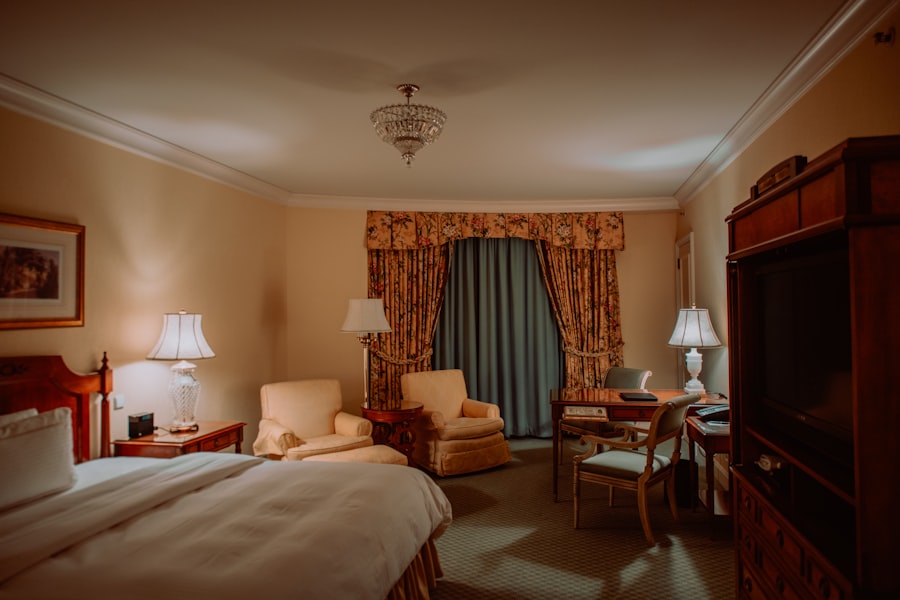
Classic materials play a pivotal role in achieving timeless elegance within modern interiors. When you think of materials that have stood the test of time, options like marble, hardwood, and brass often come to mind. These materials not only exude luxury but also offer durability and longevity, making them ideal choices for contemporary spaces.
For instance, incorporating a marble countertop in your kitchen can elevate the entire room, providing a sense of sophistication while remaining practical for everyday use. In addition to their aesthetic appeal, classic materials can also enhance the tactile experience of your space. The warmth of natural wood underfoot or the cool touch of polished stone can create an inviting atmosphere that encourages relaxation and comfort.
As you select materials for your home, consider how they interact with light and texture, as well as how they complement other design elements. By thoughtfully integrating classic materials into your interiors, you can create a timeless foundation that supports your overall design vision while ensuring that your space remains functional and stylish.
Adapting Vintage Furniture for a Contemporary Space
Adapting vintage furniture for a contemporary space is an exciting way to infuse character and history into your home. Vintage pieces often carry unique stories and craftsmanship that can add depth to your design narrative. When you incorporate these items into your decor, you not only celebrate their individuality but also create a sense of continuity between different eras.
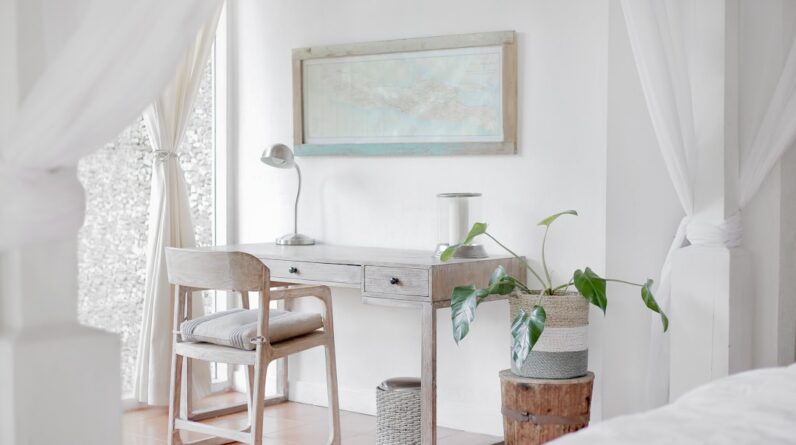
For example, a mid-century modern chair can seamlessly blend with contemporary furnishings, creating an eclectic yet cohesive look. To successfully adapt vintage furniture in your space, consider how each piece can be reimagined or refreshed. A simple reupholstering can breathe new life into an old chair, allowing it to fit seamlessly within a modern color palette or fabric choice.
Additionally, pairing vintage items with contemporary accessories can create a striking contrast that highlights the beauty of both styles. As you curate your collection of vintage furniture, focus on pieces that resonate with you personally; this will ensure that your space feels authentic and reflective of your unique taste.
Using Timeless Color Palettes in Modern Design
Color plays a crucial role in defining the mood and atmosphere of any space. When aiming for timeless elegance in modern design, opting for classic color palettes can provide a solid foundation for your decor. Neutral tones such as whites, creams, grays, and beiges offer versatility and sophistication, allowing you to create a serene backdrop for your furnishings and accessories.
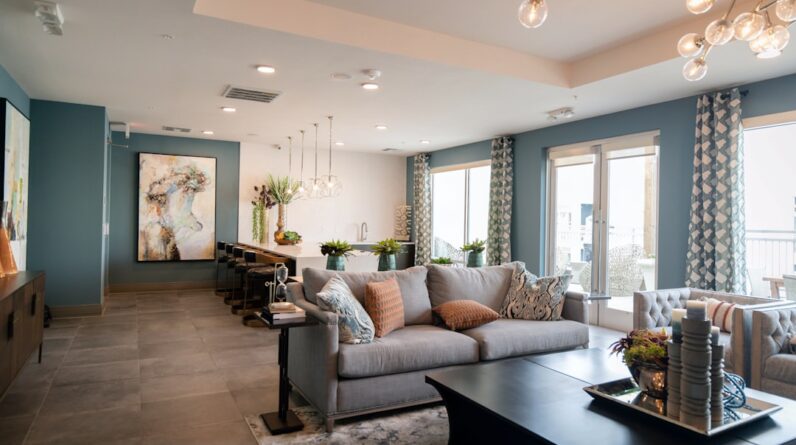
These colors not only evoke a sense of calm but also serve as a canvas for bolder accents that can be easily changed over time. In addition to neutrals, incorporating rich jewel tones or muted pastels can add depth and warmth to your space without overwhelming it. Colors like deep emerald green or soft blush can evoke feelings of luxury while remaining timeless in their appeal.
As you select your color palette, consider how different shades interact with natural light throughout the day; this will help you create an environment that feels dynamic yet cohesive. By thoughtfully choosing colors that resonate with timeless elegance, you can craft spaces that are both inviting and enduring.
Balancing Old and New: Mixing Traditional and Contemporary Styles
Establishing a Common Thread
One effective way to achieve this balance is by establishing a common thread throughout your space—whether it’s through color, texture, or material. For instance, if you have a traditional wooden dining table, consider pairing it with modern chairs that feature sleek lines and contemporary materials. This juxtaposition creates visual interest while maintaining an overall sense of unity.
Blending Old and New Elements
Additionally, incorporating accessories that reflect both styles—such as a vintage vase filled with fresh flowers on a modern coffee table—can further enhance this balance.
Creating a Harmonious Space
As you experiment with mixing old and new elements, remember that the goal is to create a space that feels harmonious and reflective of your personal style.
Embracing Architectural Details from the Past in Present Design
Architectural details from the past can add an undeniable charm and character to contemporary design. Elements such as crown molding, wainscoting, or decorative ceiling medallions can elevate your space by infusing it with historical significance. When you embrace these details, you not only pay homage to traditional craftsmanship but also create visual interest that draws the eye upward and adds dimension to your interiors.
Incorporating architectural details doesn’t mean you have to sacrifice modernity; rather, it’s about finding ways to blend these features seamlessly into your overall design scheme. For example, if you have high ceilings in your home, consider adding oversized crown molding for an elegant touch while keeping furnishings minimalistic to maintain a contemporary feel. By thoughtfully integrating architectural details from the past into your present design, you can create spaces that feel rich in history yet fresh and relevant.
Achieving Timeless Elegance in Contemporary Design
Achieving timeless elegance in contemporary design is an ongoing journey that invites creativity and personal expression. By thoughtfully incorporating traditional elements, classic materials, vintage furniture, and timeless color palettes into your spaces, you can create environments that resonate with both history and modernity. The beauty of this approach lies in its ability to tell a story—one that reflects your unique taste while honoring the rich legacy of design.
As you navigate this journey, remember that balance is key; mixing old and new styles requires careful consideration to ensure cohesion throughout your home. Embracing architectural details from the past can further enhance this sense of timelessness while adding character to your interiors. Ultimately, achieving timeless elegance is about creating spaces that feel authentic and inviting—places where memories are made and cherished for years to come.
With each thoughtful decision you make in your design process, you move closer to crafting a home that embodies the essence of timeless elegance in every corner.
FAQs
What are traditional elements in contemporary design?
Traditional elements in contemporary design refer to the incorporation of classic, timeless design elements such as ornate moldings, rich wood finishes, and elegant furniture pieces into modern, sleek spaces.
How can traditional elements be incorporated into contemporary design?
Traditional elements can be incorporated into contemporary design by mixing classic furniture pieces with modern ones, using traditional patterns and textures in upholstery and drapery, and incorporating ornate architectural details such as crown molding and wainscoting.
What are some examples of traditional elements in contemporary design?
Examples of traditional elements in contemporary design include using antique chandeliers in a modern dining room, incorporating a classic Persian rug into a minimalist living space, and adding intricate wood paneling to a sleek, modern kitchen.
Why are traditional elements important in contemporary design?
Traditional elements are important in contemporary design because they add warmth, character, and a sense of history to modern spaces. They also provide a sense of balance and contrast to the clean lines and minimalism often associated with contemporary design.