Embarking on the journey of home design begins with a deep understanding of your personal style. This foundational step is crucial, as it sets the tone for every decision that follows. To truly grasp your aesthetic preferences, consider the elements that resonate with you on a visceral level.
Are you drawn to the clean lines and minimalism of contemporary design, or do you find comfort in the warmth and charm of rustic decor? Perhaps you lean towards the eclectic, where bold patterns and vibrant colors collide in a delightful cacophony. By reflecting on your lifestyle, interests, and the emotions you wish to evoke within your space, you can begin to curate a style that feels authentically yours.
Once you have identified your style, it’s essential to translate that vision into actionable steps. This involves researching various design elements that align with your aesthetic. Create mood boards using platforms like Pinterest or physical collages with magazine cutouts to visualize how different styles can coexist harmoniously.
Pay attention to the details—textures, shapes, and materials that speak to you. This exploration not only helps in solidifying your design choices but also serves as a source of inspiration when faced with decisions about layout, color, and decor. Ultimately, understanding your style is about embracing what makes you feel at home, allowing your personality to shine through every corner of your living space.
Key Takeaways
- Understanding your style is crucial for creating a cohesive and personalized interior design.
- Choosing the right color scheme can set the tone for the entire space and create the desired atmosphere.
- Maximizing storage and organization is essential for maintaining a clutter-free and functional living space.
- Selecting the perfect furniture that is both stylish and functional is key to a well-designed room.
- Incorporating luxurious textures and fabrics can add depth and sophistication to your interior design.
Choosing the Right Color Scheme
Setting the Mood with Color
The color scheme of a room can dramatically influence its ambiance and overall feel. Selecting the right palette is akin to choosing the perfect soundtrack for a film; it sets the mood and enhances the experience. Begin by considering the emotions you wish to evoke in each space.
Choosing Colors for Different Spaces
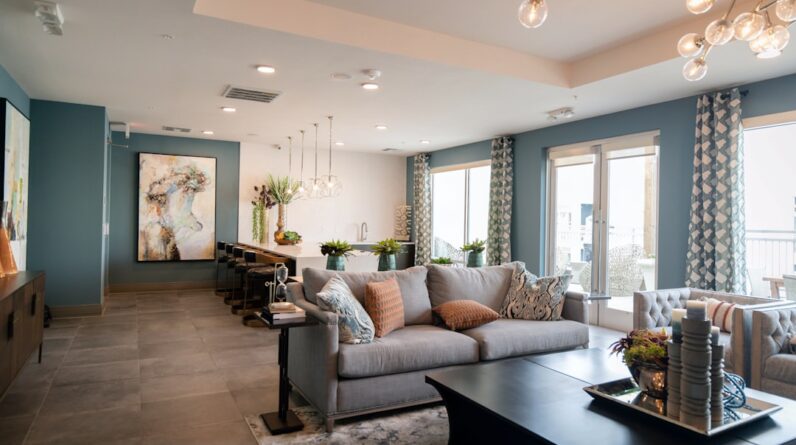
Soft pastels can create a sense of calm and tranquility, making them ideal for bedrooms or relaxation areas. In contrast, bold and vibrant hues can energize a space, making them suitable for social areas like living rooms or kitchens. It’s also important to think about how colors interact with one another; complementary colors can create a dynamic visual interest, while analogous colors can foster a sense of harmony.
Considering Lighting and Flexibility
When choosing a color scheme, consider the natural light in your space as well. Light can alter the perception of color throughout the day, so it’s wise to test paint samples in different lighting conditions before making a final decision. Additionally, consider incorporating an accent wall or statement piece that draws attention and adds depth to your design. This approach allows for flexibility; if you tire of a particular color, changing an accent piece is far less daunting than repainting an entire room.
Creating a Cohesive and Inviting Space
Ultimately, the right color scheme should reflect your personality while creating an environment that feels cohesive and inviting. By carefully selecting colors and considering the unique characteristics of your space, you can create a room that truly feels like home.
Maximizing Storage and Organization

In any home, effective storage and organization are paramount to maintaining a clutter-free environment. A well-organized space not only enhances functionality but also contributes to a sense of peace and order. Begin by assessing your current storage solutions and identifying areas where clutter tends to accumulate.
Consider multifunctional furniture pieces that offer hidden storage options, such as ottomans with compartments or coffee tables with shelves. These clever designs allow you to maximize space without sacrificing style, ensuring that every item has its designated place. Moreover, organization extends beyond mere storage; it involves creating systems that make it easy to maintain order over time.
Implementing labeled bins or baskets can streamline the process of finding and returning items to their rightful spots. Additionally, consider vertical storage solutions such as wall-mounted shelves or pegboards that utilize wall space effectively. This not only frees up floor space but also adds an element of visual interest to your decor.
By prioritizing storage and organization, you create an environment that fosters productivity and relaxation, allowing you to enjoy your home to its fullest potential.
Selecting the Perfect Furniture
| Criteria | Rating |
|---|---|
| Comfort | 9/10 |
| Style | 8/10 |
| Durability | 7/10 |
| Size | 10/10 |
Choosing the right furniture is a pivotal aspect of home design that can significantly impact both aesthetics and functionality. When selecting pieces for your space, consider not only their visual appeal but also their practicality and comfort. Start by measuring your rooms to ensure that the furniture you choose fits well within the available space without overwhelming it.
Scale is crucial; oversized furniture can make a small room feel cramped, while too-small pieces may get lost in larger areas. Aim for a balanced arrangement that encourages flow and accessibility throughout the space. In addition to size, think about the materials and styles that resonate with your personal taste.
Whether you prefer sleek modern lines or the inviting curves of traditional furniture, each choice contributes to the overall narrative of your home. Don’t shy away from mixing different styles; an eclectic approach can add character and depth to your decor. Furthermore, prioritize quality over quantity; investing in well-crafted pieces will not only enhance your living experience but also stand the test of time.
Ultimately, selecting the perfect furniture is about finding a harmonious blend of form and function that reflects your unique lifestyle.
Incorporating Luxurious Textures and Fabrics
The tactile experience of a room is often overlooked but plays a vital role in creating an inviting atmosphere. Incorporating luxurious textures and fabrics can elevate your home’s design from ordinary to extraordinary. Consider layering different materials—soft velvets, rich leathers, and natural linens—to create depth and visual interest within your space.
For instance, pairing a plush velvet sofa with textured throw pillows can add an element of sophistication while inviting comfort. Additionally, don’t underestimate the power of rugs; they can define areas within an open floor plan and provide warmth underfoot. When selecting fabrics, pay attention to their durability and maintenance requirements as well.
High-quality materials not only look better but also withstand the wear and tear of daily life. Opt for fabrics that are easy to clean yet still exude elegance; performance textiles have come a long way in offering both beauty and practicality. Incorporating luxurious textures is not just about aesthetics; it’s about creating an environment that feels as good as it looks, inviting you to relax and unwind in style.
Adding Personal Touches and Decor
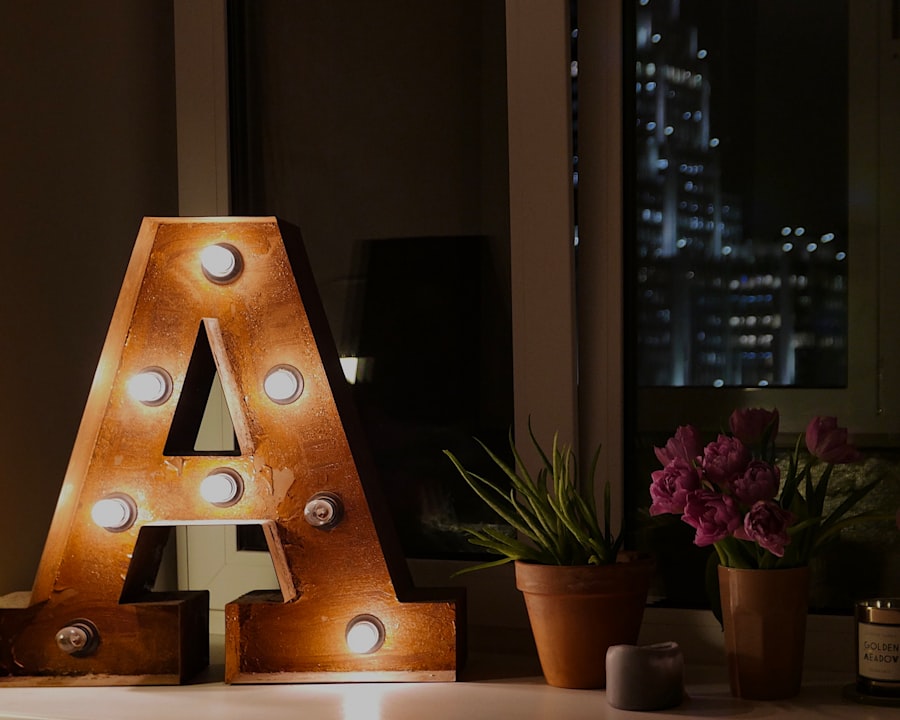
Transforming a House into a Home
Personal touches are what truly transform a house into a home, infusing it with character and warmth that reflects your individuality. As you curate decor items, think about incorporating pieces that tell your story—family heirlooms, travel souvenirs, or artwork created by loved ones can all serve as meaningful focal points within your design. These items not only add visual interest but also spark conversations and evoke cherished memories when guests visit your home.
Expressing Your Personality Through Decor
In addition to sentimental items, consider how color and style can be used to express your personality through decor. Wall art, decorative vases, and unique sculptures can all contribute to a cohesive theme while showcasing your tastes. Don’t hesitate to mix different styles; an eclectic collection can create a dynamic atmosphere that feels both curated and lived-in.
Creating a Space That Reflects You
Ultimately, adding personal touches is about celebrating who you are and creating an environment where you feel comfortable expressing yourself.
Creating a Relaxing and Serene Atmosphere
In today’s fast-paced world, creating a relaxing and serene atmosphere within your home is more important than ever. This sanctuary should be a refuge from daily stresses, promoting tranquility and well-being. Start by considering the layout of your space; open areas with minimal clutter encourage relaxation while cozy nooks invite quiet reflection or reading time.
Incorporate soft lighting options such as dimmable lamps or candles to create an ambiance that soothes rather than overwhelms. Additionally, consider integrating elements from nature into your design; plants not only purify the air but also bring life into your home. Choose low-maintenance varieties if you’re concerned about upkeep—succulents or snake plants are excellent options for busy lifestyles.
The use of calming colors such as soft blues or earthy greens can further enhance this serene environment, promoting feelings of peace and contentment. By thoughtfully designing your space with relaxation in mind, you cultivate an oasis where you can recharge and find solace amidst life’s chaos.
FAQs
What is bedroom interior design?
Bedroom interior design is the art and science of enhancing the interior of a bedroom to achieve a more aesthetically pleasing and functional space. It involves the selection of furniture, color schemes, lighting, and decor to create a cohesive and inviting atmosphere.
Why is bedroom interior design important?
Bedroom interior design is important because the bedroom is a personal space where individuals spend a significant amount of time. A well-designed bedroom can promote relaxation, improve sleep quality, and contribute to overall well-being.
What are some key elements of bedroom interior design?
Key elements of bedroom interior design include the selection of a comfortable and stylish bed, appropriate lighting, storage solutions, and the use of calming color schemes and textures. Additionally, the arrangement of furniture and decor plays a crucial role in creating a harmonious and functional space.
How can I improve the interior design of my bedroom?
To improve the interior design of your bedroom, consider decluttering and organizing the space, updating the bedding and curtains, adding decorative elements such as artwork or plants, and ensuring proper lighting. It’s also important to consider the overall layout and flow of the room to maximize comfort and functionality.
What are some popular bedroom interior design styles?
Popular bedroom interior design styles include modern, minimalist, traditional, bohemian, Scandinavian, and industrial. Each style has its own unique characteristics and can be tailored to individual preferences and tastes.