Enhancing Functionality: Unleashing the Power of Colors in Design
Colors go beyond aesthetics; they hold the potential to optimize the functionality of any space. By strategically incorporating hues, you can create an environment that looks stunning and works harmoniously to improve daily living. Let’s dive into the art of using colors to enhance functionality:
1. Zoning with Colors:
- Define different zones within a room using distinct color schemes.
- Utilize calming colors in relaxation areas and vibrant tones in work or activity zones.
- Enhance organization and productivity by visually separating spaces.
2. Color-Coded Organization:
- Implement color-coded systems for storage and organization.
- Assign specific colors to different items or categories for easy identification.
- Streamline daily routines and reduce clutter with a visually efficient approach.
3. Wayfinding with Color:
- Guide people through complex spaces using color-coded wayfinding.
- Employ bold colors at crucial decision points and subtle hues along navigational paths.
- Simplify navigation, reducing stress and increasing efficiency in large areas.
4. Enhancing Lighting with Colors:
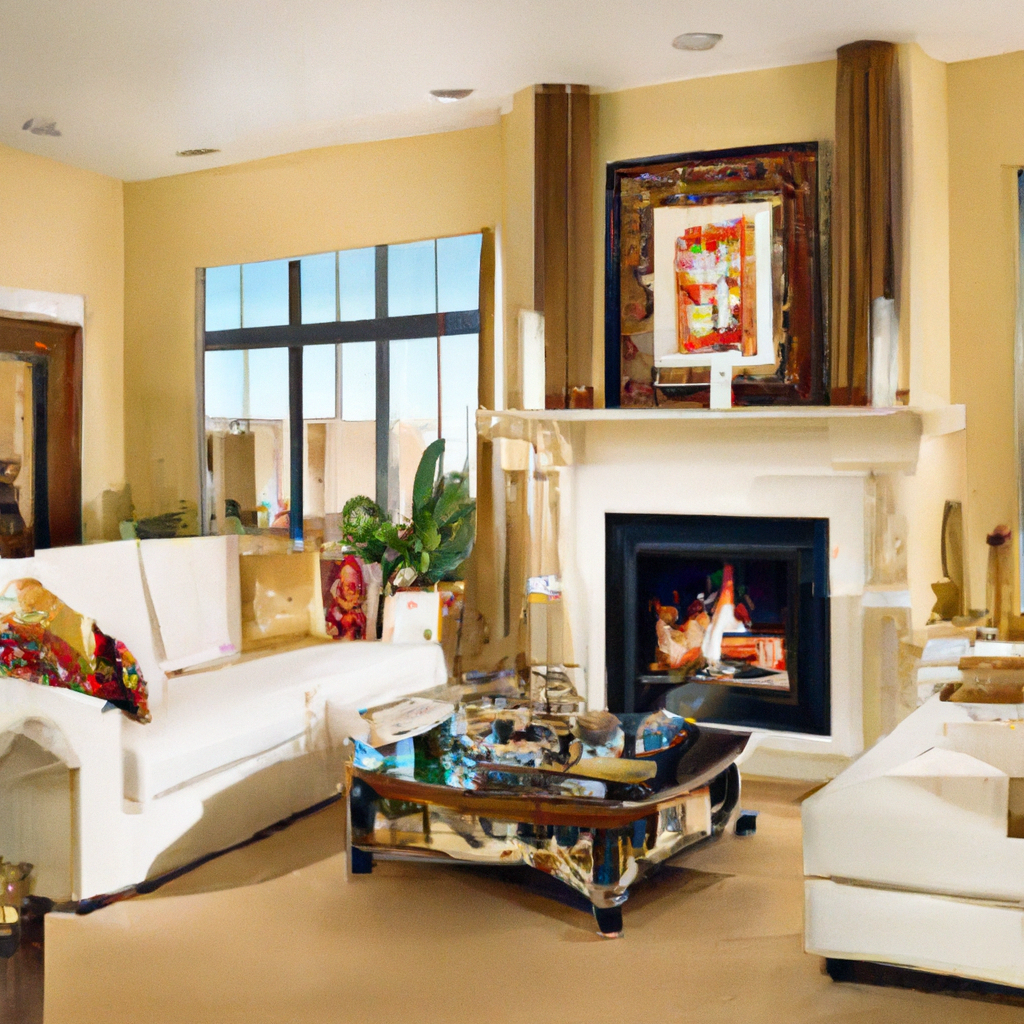
- Opt for light-colored walls to maximize natural light reflection.
- Use warm-toned lighting to create a cozy atmosphere in relaxation areas.
- Incorporate task lighting with cooler hues in workspaces for better focus.
5. Safety and Visibility:
- Improve safety by using bright, eye-catching colors on potential hazards or obstacles.
- Increase the visibility of emergency exits and equipment with contrasting colors.
- Prioritize user safety while elevating the overall design.
6. Mood-Enhancing Color Palettes:
- Create harmonious color combinations that evoke the desired mood.
- Utilize cool colors for calming and relaxation and warm tones for energizing spaces.
- Foster emotional well-being and comfort in various environments.
7. Visual Illusions:
- Alter perceptions of space with color techniques.
- Use light colors to make a room feel more expansive and dark colors to add coziness.
- Manipulate proportions to enhance functionality in small or oddly shaped spaces.
8. Distraction Management:
- Minimize distractions in focus-intensive areas with neutral and calming colors.
- Introduce pops of color in recreational spaces to encourage relaxation.
- Strike a balance between engaging and serene, optimizing productivity.
9. Aesthetic Integration:
- Integrate functional colors seamlessly into the overall design theme.
- Ensure colors complement each other to maintain visual harmony.
- Create a cohesive and purposeful environment that nurtures both style and substance.
10. User-Centric Approach:
- Consider the preferences and needs of the occupants.
- Tailor color choices to accommodate different age groups and lifestyles.
- Enhance the user experience by prioritizing functionality above all else.
In conclusion, using colors in design can significantly enhance functionality, optimizing how we interact with our surroundings. From organizing spaces to managing distractions, colors shape our daily experiences. Embrace the power of colors, and watch as your designs evolve into functional masterpieces. Happy designing!