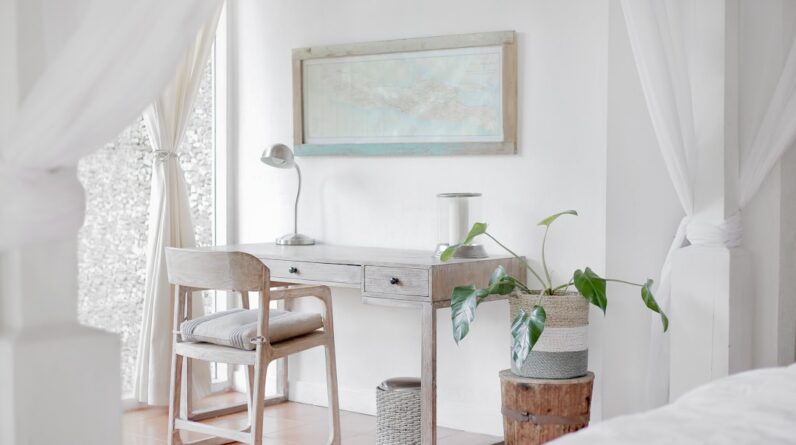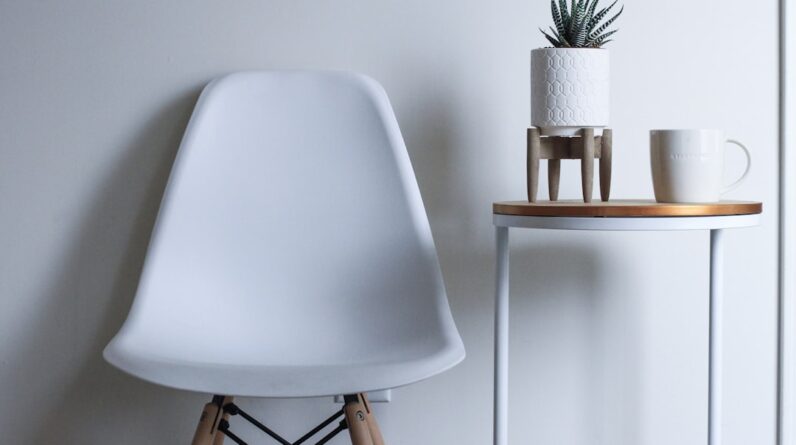
When you think of interior design, it’s easy to conjure images of lavish homes adorned with expensive furnishings and extravagant decor. This stereotype often leads many to believe that interior design services are exclusively reserved for the wealthy elite. However, this perception is misleading. In reality, interior designers cater to a wide range of budgets and can work with clients from various financial backgrounds. They possess the skills to create beautiful and functional spaces without breaking the bank, making their services accessible to a broader audience than you might think. Moreover, the misconception that interior design is only for the affluent can prevent you from exploring the benefits of hiring a professional. Many designers offer flexible pricing structures and can tailor their services to fit your budget. Whether you’re looking for a complete home makeover or just need help with a single room, an interior designer can provide valuable insights and creative solutions that enhance your living space. By dismissing the idea of hiring a designer based on financial assumptions, you may be missing out on the opportunity to transform your home into a space that truly reflects your personality and lifestyle.
Key Takeaways
- Interior design services can be accessible to a wide range of budgets, not just the wealthy.
- Interior designers focus on both aesthetics and functionality, not just making things look pretty.
- Good taste is subjective, and interior designers can provide expertise and guidance to enhance any space.
- Interior designers can work on projects of any scale, from small apartments to large commercial spaces.
- Interior designers prioritize creating timeless and functional designs over following fleeting trends.
Interior Designers Only Focus on Aesthetics
Another common myth surrounding interior designers is that their primary focus is solely on aesthetics. While it’s true that creating visually appealing spaces is a significant aspect of their work, it’s far from the only consideration. Interior designers are trained professionals who understand the intricate balance between beauty and functionality.
They take into account how a space will be used, ensuring that it meets your needs while also looking great. When you engage an interior designer, they will assess your lifestyle, preferences, and requirements to create a space that works for you. This means considering factors such as traffic flow, lighting, and ergonomics, in addition to color schemes and furniture placement.
By focusing on both aesthetics and functionality, designers can help you achieve a harmonious environment that enhances your daily life. So, while the visual appeal of a space is undoubtedly important, it’s just one piece of the puzzle that an interior designer expertly navigates.
Interior Designers are Unnecessary if You Have Good Taste

You might believe that if you have a good eye for design, you can handle your own interior decorating without professional help. While having good taste is certainly an asset, it doesn’t necessarily equip you with the knowledge and skills required to create a cohesive and functional space. Interior designers bring a wealth of experience and expertise to the table, allowing them to see beyond personal preferences and make informed decisions based on design principles.
Additionally, good taste can be subjective; what appeals to one person may not resonate with another. An interior designer can help you navigate these complexities by providing objective insights and recommendations tailored to your specific needs. They can also introduce you to new ideas and concepts that you may not have considered, ultimately elevating your design vision beyond what you could achieve on your own.
By collaborating with a designer, you can ensure that your space not only reflects your taste but also functions effectively for your lifestyle.
Interior Designers Only Work on Large-Scale Projects
Many people assume that interior designers are only involved in large-scale projects, such as commercial spaces or luxury homes. This misconception can lead you to believe that their services are unnecessary for smaller projects or residential spaces. In reality, interior designers are equipped to handle projects of all sizes, from minor room updates to complete renovations.
They understand that even small changes can have a significant impact on the overall feel of a space. When working on smaller projects, an interior designer can help you maximize your space’s potential by offering creative solutions and innovative ideas. They can assist with everything from selecting paint colors and furnishings to optimizing layouts for better functionality.
By engaging an interior designer for any size project, you can benefit from their expertise and ensure that your space is both beautiful and practical, regardless of its scale.
Interior Designers Only Follow Trends
Another prevalent myth is that interior designers merely follow trends without considering individual client needs or preferences. While it’s true that designers stay updated on current trends and styles, their role goes far beyond simply replicating what’s popular at any given moment. A skilled designer will take the time to understand your unique tastes and lifestyle before incorporating any trends into their designs.
In fact, many designers strive to create timeless spaces that reflect their clients’ personalities rather than fleeting trends. They know how to blend contemporary elements with classic designs to achieve a look that remains relevant over time. By working with an interior designer, you can create a space that feels fresh and modern while still being tailored to your individual style.
This approach ensures that your home remains inviting and comfortable for years to come.
Interior Designers Don’t Consider Functionality

A common misconception about interior designers is that they prioritize aesthetics over functionality. While creating visually appealing spaces is undoubtedly important, functionality is equally crucial in their design process. An effective interior designer understands that a beautiful space must also serve its intended purpose efficiently.
They take into account how you will use each area of your home and design accordingly. For instance, if you have children or pets, an interior designer will consider durable materials and layouts that accommodate active lifestyles. They will also think about storage solutions and organization strategies to keep your space clutter-free and functional.
By focusing on both aesthetics and practicality, an interior designer can help you create a home that not only looks great but also works seamlessly for your everyday life.
Interior Designers are Expensive and Not Worth the Investment
Many people shy away from hiring an interior designer due to the belief that their services are prohibitively expensive and not worth the investment. However, this perspective overlooks the long-term benefits that come with professional design assistance. While there may be an upfront cost associated with hiring a designer, their expertise can ultimately save you time and money in the long run.
An experienced interior designer can help you avoid costly mistakes by guiding you through the decision-making process and ensuring that every choice aligns with your vision and budget. They have access to resources and industry connections that can lead to discounts on furnishings and materials, further offsetting costs. By investing in an interior designer, you’re not just paying for their time; you’re gaining access to valuable knowledge and skills that can enhance your living space significantly.
Interior Designers Only Work with Certain Styles
Lastly, there’s a common belief that interior designers are limited to specific styles or aesthetics, which may deter you from seeking their help if your taste doesn’t align with those styles. In reality, most interior designers pride themselves on their versatility and ability to adapt to various design preferences. They are trained to work across different styles—from modern minimalism to traditional elegance—allowing them to create spaces that truly reflect your individuality.
When you collaborate with an interior designer, they will take the time to understand your vision and preferences before developing a design plan tailored specifically for you. This personalized approach ensures that your space feels authentic and resonates with your unique style. By breaking free from the notion that designers only work within certain confines, you open yourself up to a world of possibilities in creating a home that genuinely represents who you are.
In conclusion, dispelling these myths about interior designers reveals the true value they bring to any project—regardless of size or budget. By understanding their multifaceted role in creating functional yet aesthetically pleasing spaces, you can appreciate how they enhance not just the look of your home but also its livability. Whether you’re considering a small update or a complete overhaul, engaging an interior designer could be one of the best decisions you make for your living environment.
FAQs
What are some common misconceptions about interior design services?
Some common misconceptions about interior design services include the belief that it is only for the wealthy, that it is only about aesthetics, and that it is not worth the investment.
Is interior design only for the wealthy?
No, interior design services are not only for the wealthy. There are interior designers who cater to a wide range of budgets and can work within the client’s financial constraints.
Is interior design only about aesthetics?
No, interior design is not only about aesthetics. While aesthetics are an important aspect of interior design, it also involves functionality, space planning, and creating a cohesive and functional living or working environment.
Is interior design not worth the investment?
Interior design services can be a worthwhile investment as they can help improve the functionality and aesthetics of a space, increase property value, and save time and money by avoiding costly design mistakes.