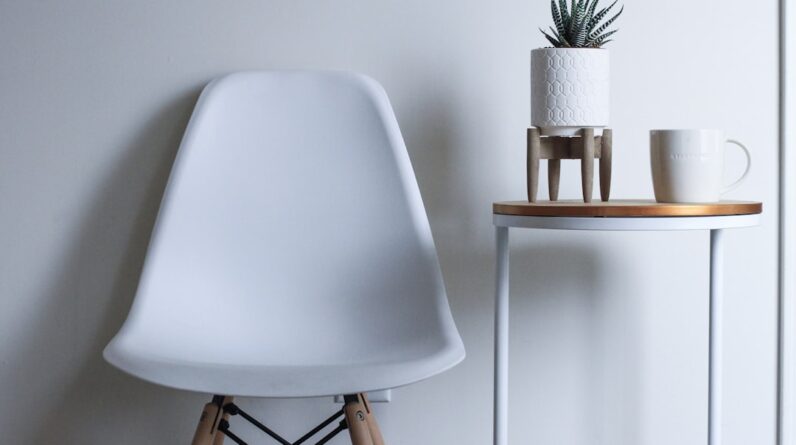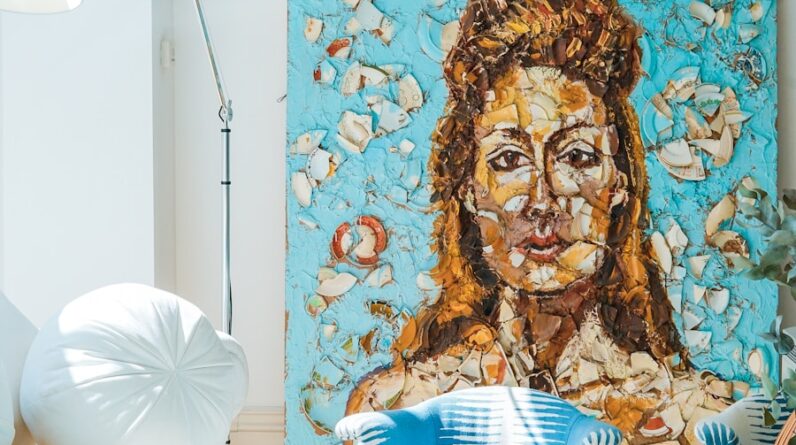
Creating a gallery wall is an exciting way to display your artwork and personal style. When you think about a gallery wall, envision a curated collection of pieces that resonate with you, telling a story or evoking emotions. You can start by selecting a focal point, such as a large canvas or a striking photograph, and build around it.
This approach allows you to create a cohesive look while showcasing a variety of pieces. You might choose to mix framed art with unframed pieces, or even incorporate mirrors and other decorative elements to add depth and interest. As you arrange your gallery wall, consider the spacing between each piece.
A common mistake is to hang artwork too far apart, which can make the display feel disjointed. Instead, aim for a balanced arrangement that draws the eye across the entire wall. You can experiment with different layouts on the floor before committing to the wall, ensuring that each piece complements the others.
Remember, your gallery wall is not just about the art itself; it’s also about how it interacts with the surrounding space, so take into account the colors and textures of your room.
Key Takeaways
- Gallery walls are a great way to showcase artwork and create a focal point in a room.
- Mixing and matching different art styles and mediums can add visual interest and depth to a space.
- Statement furniture pieces can be used as art to make a bold and artistic statement in a room.
- Textiles and fabrics can be used as artistic elements to add texture and visual appeal to a space.
- Introducing sculptural and 3D art pieces can add dimension and a unique touch to a room’s decor.
- Artful lighting fixtures can be incorporated to highlight artwork and create a dramatic ambiance in a space.
- Custom art installations can be created to personalize and enhance the artistic appeal of a room.
- Art and decor can be incorporated in unexpected spaces, such as stairwells or ceilings, to add a creative and artistic touch to a room.
Mixing and Matching Different Art Styles and Mediums
One of the most exciting aspects of art is its diversity, and mixing different styles and mediums can create a dynamic visual experience in your home. You might find that combining contemporary pieces with vintage finds adds character and intrigue to your space. For instance, juxtaposing a modern abstract painting with a classic landscape can create a striking contrast that invites conversation.
This eclectic approach allows you to express your personality while showcasing your unique taste. When mixing art styles, consider the color palette and themes that run through your collection. You can create harmony by selecting pieces that share similar hues or motifs, even if they belong to different genres.
Additionally, incorporating various mediums—such as paintings, prints, sculptures, and textiles—can add layers of texture and dimension to your display. By thoughtfully curating your collection, you can create an engaging visual narrative that reflects your artistic journey.
Incorporating Statement Furniture Pieces as Art
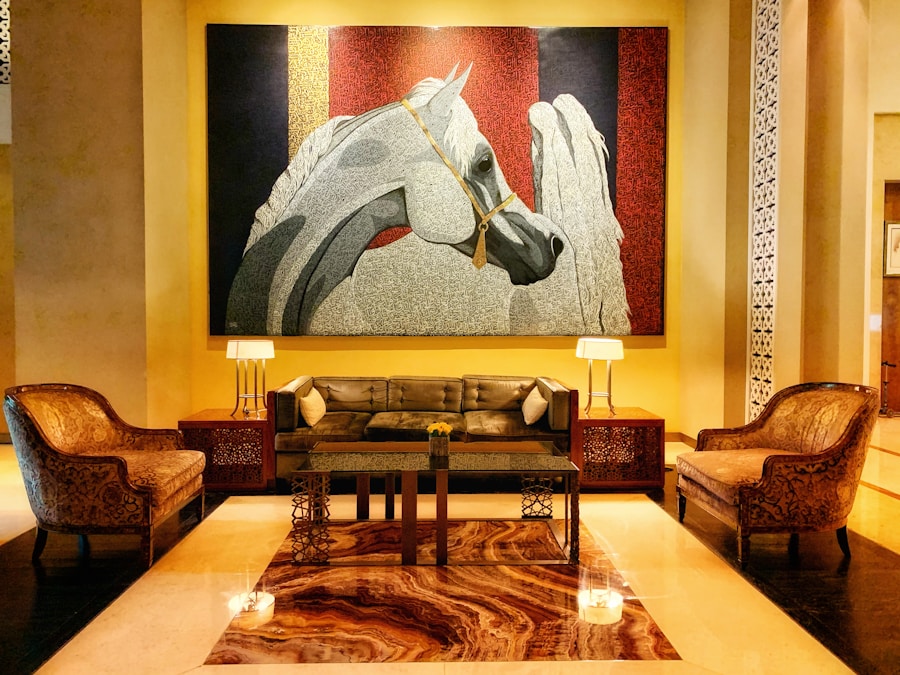
Furniture doesn’t have to be merely functional; it can also serve as a statement piece that enhances your decor. Imagine a bold, sculptural chair or an intricately designed coffee table that draws the eye and sparks interest. These statement furniture pieces can act as focal points in your room, elevating the overall aesthetic while providing practical use.
When selecting such items, consider their design, color, and material to ensure they align with your artistic vision. Incorporating statement furniture into your space allows you to blur the lines between art and functionality. For example, a beautifully crafted bookshelf can showcase not only your favorite books but also decorative objects and art pieces.
By arranging these elements thoughtfully, you create an artistic display that is both visually appealing and practical. This approach encourages you to think creatively about how furniture can contribute to your overall design narrative.
Using Textiles and Fabrics as Artistic Elements
Textiles and fabrics are often overlooked as artistic elements in home decor, yet they can significantly enhance the visual appeal of your space. From vibrant throw pillows to intricately woven rugs, textiles offer an opportunity to introduce color, pattern, and texture into your home. You might choose to layer different fabrics to create depth or select bold patterns that serve as conversation starters.
The key is to find textiles that resonate with your personal style while complementing the overall aesthetic of your room. In addition to decorative textiles, consider incorporating fabric art into your decor. Tapestries, quilts, or fabric wall hangings can serve as stunning focal points that add warmth and character to your walls.
These pieces not only provide visual interest but also invite tactile engagement, making your space feel more inviting. By thoughtfully integrating textiles into your decor, you can create an environment that feels both artistic and comfortable.
Introducing Sculptural and 3D Art Pieces
Sculptural and 3D art pieces bring an exciting dimension to your decor that flat artwork simply cannot achieve. These pieces can range from small tabletop sculptures to large installations that command attention in a room. When selecting 3D art for your space, consider how it interacts with light and shadow, as well as how it complements the surrounding decor.
A well-placed sculpture can create visual intrigue and serve as a conversation starter for guests. Incorporating 3D art into your home also allows you to play with scale and proportion. A large sculpture can serve as a dramatic focal point in an entryway or living room, while smaller pieces can be grouped together on shelves or mantels for an eclectic display.
By mixing different materials—such as metal, wood, or glass—you can create a rich tapestry of textures that enhances the overall aesthetic of your space. Embrace the opportunity to experiment with 3D art and let it transform your home into a dynamic gallery.
Incorporating Artful Lighting Fixtures
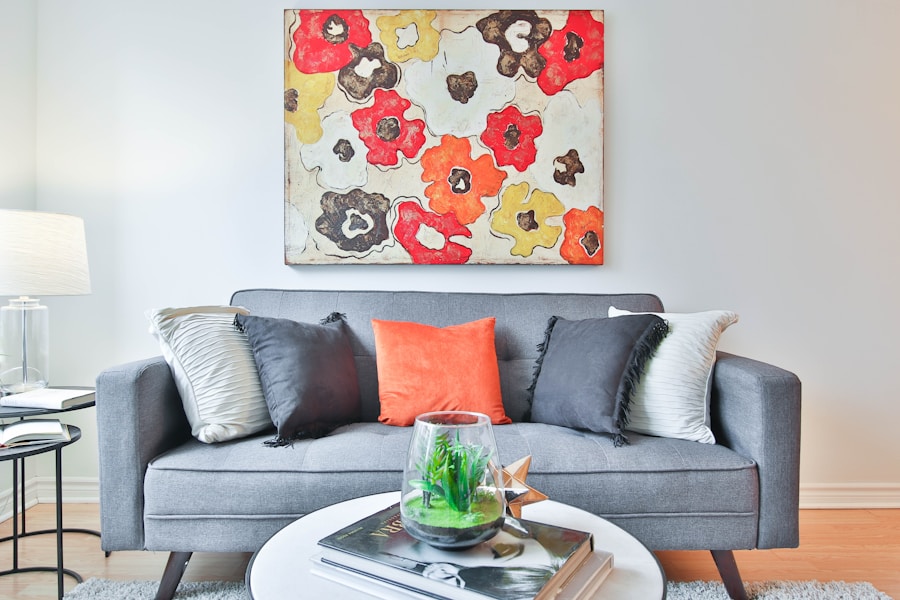
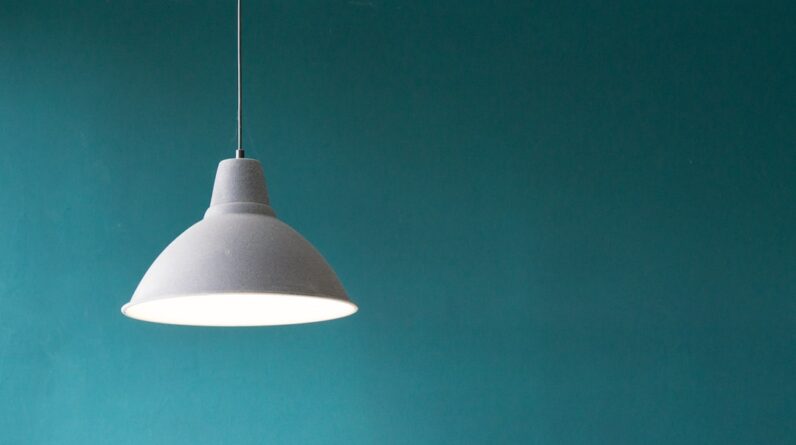
Lighting is often an underappreciated element in home decor, yet it plays a crucial role in highlighting artwork and creating ambiance. Artful lighting fixtures can serve as both functional sources of illumination and striking design elements in their own right. Consider pendant lights with unique shapes or floor lamps that double as sculptural pieces; these fixtures can enhance the overall aesthetic while drawing attention to specific areas of your space.
When planning your lighting design, think about how different fixtures can interact with your artwork. For instance, adjustable track lighting can be used to spotlight particular pieces on your gallery wall, while softer ambient lighting creates a warm atmosphere for relaxation. By strategically placing lighting fixtures throughout your home, you can create layers of light that enhance the beauty of your art collection while adding depth to your decor.
Creating Custom Art Installations
If you’re feeling particularly adventurous, consider creating custom art installations that reflect your personal style and vision. This could involve collaborating with local artists or even experimenting with DIY projects that allow you to express your creativity. Custom installations offer a unique opportunity to curate a one-of-a-kind experience in your home, transforming ordinary spaces into extraordinary showcases of art.
When designing an installation, think about how it interacts with the architecture of your space. You might choose to create a mural on a blank wall or hang a series of suspended art pieces from the ceiling for a dramatic effect. The possibilities are endless; what matters most is that the installation resonates with you and enhances the overall atmosphere of your home.
By embracing custom art installations, you can create an environment that feels uniquely yours.
Incorporating Art and Decor in Unexpected Spaces
Art doesn’t have to be confined to traditional spaces like living rooms or galleries; it can thrive in unexpected areas throughout your home. Consider transforming hallways into mini-galleries by displaying smaller pieces along the walls or using staircases as platforms for showcasing sculptures or photographs. These unconventional spaces offer opportunities for creativity and surprise, inviting guests to explore every corner of your home.
Additionally, think about incorporating art into functional spaces like kitchens or bathrooms. A vibrant piece of artwork above the sink or colorful tiles in the bathroom can elevate these areas from mundane to extraordinary. By integrating art into unexpected spaces, you not only enhance the visual appeal of your home but also create an environment that feels cohesive and thoughtfully designed.
Embrace the challenge of finding creative ways to showcase art throughout your living space; it’s an opportunity to express yourself in ways you may not have considered before. In conclusion, showcasing artwork in your home is an enriching experience that allows you to express your personality and creativity. From gallery walls to unexpected spaces, there are countless ways to incorporate art into your decor.
By mixing styles, utilizing statement furniture, and embracing textiles and 3D pieces, you can create an environment that feels both artistic and inviting. Remember that art is not just about aesthetics; it’s about creating a space that resonates with you and tells your unique story.
FAQs
What are some creative ways to incorporate art into interior design?
Some creative ways to incorporate art into interior design include creating a gallery wall, using art as a focal point in a room, incorporating art into unexpected places such as the bathroom or kitchen, and mixing different types of art mediums for a dynamic look.
How can decor be incorporated into interior design?
Decor can be incorporated into interior design by using it to add texture and color to a space, creating a cohesive theme throughout a room, using decor to highlight architectural features, and incorporating decor that reflects the homeowner’s personality and interests.
What are some unique ways to display art in interior design?
Some unique ways to display art in interior design include using floating shelves to showcase small pieces of art, incorporating art into bookshelves or built-in cabinets, using art to create a focal point above a fireplace or bed, and using art to divide spaces in an open floor plan.