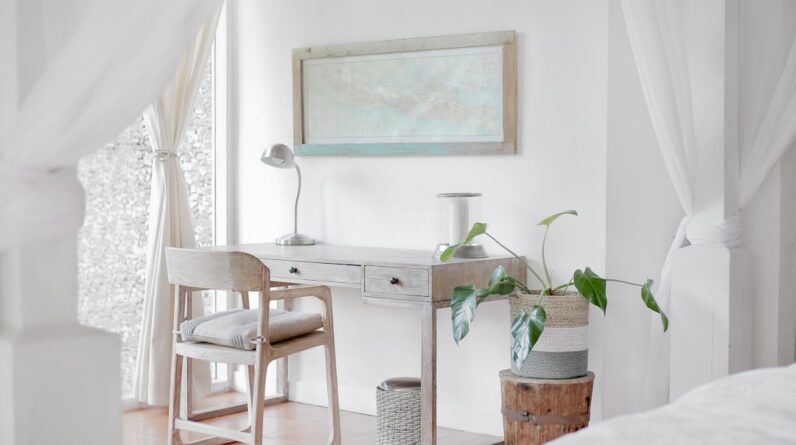
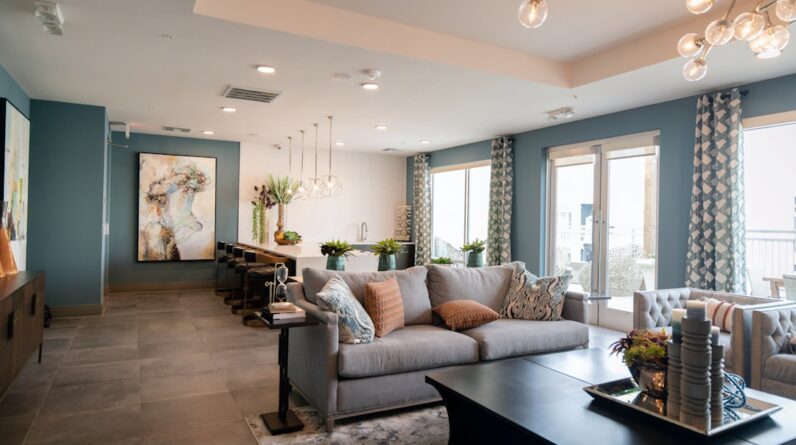
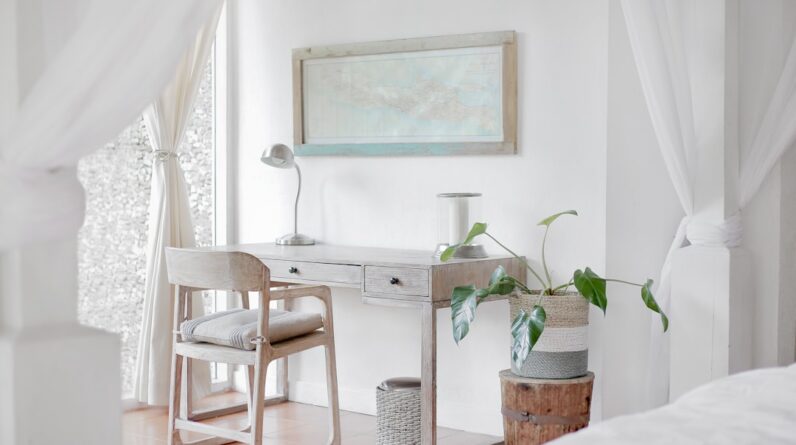
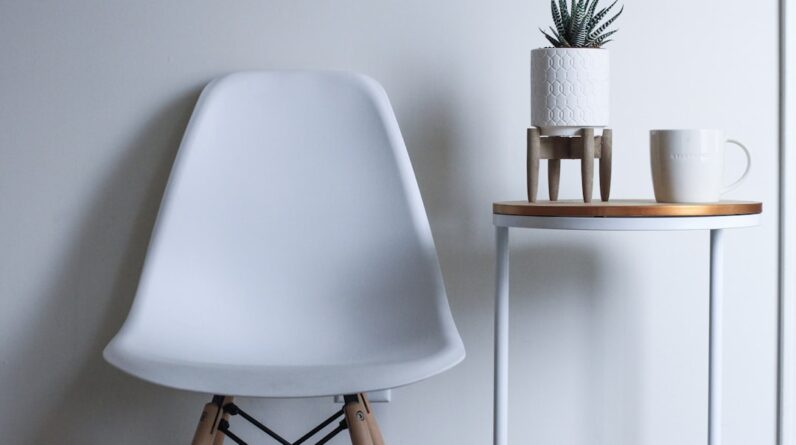
When it comes to creating a sense of spaciousness in your home, the colors you choose can make a significant difference. Light colors, such as soft whites, pale blues, and gentle pastels, can help to reflect light and create an airy atmosphere. By painting your walls in these hues, you can instantly brighten up a room, making it feel larger and more inviting.
Imagine stepping into a room where the walls are painted in a soft cream; the light bounces off the surfaces, creating a warm and welcoming environment that feels open and expansive. In addition to wall colors, consider your choice of furniture and decor. Opting for light-colored furniture can further enhance the feeling of space.
A light beige sofa or a set of pastel-hued cushions can complement your walls beautifully, creating a cohesive look that draws the eye upward and outward. By keeping your color palette light and airy, you not only make your space feel larger but also create a serene environment that promotes relaxation and comfort.
Key Takeaways
- Use light colors to create a sense of openness and airiness in the space
- Utilize mirrors to reflect light and create the illusion of a larger space
- Choose multi-functional furniture to maximize space and functionality
- Keep the space clutter-free to maintain a minimalist and clean aesthetic
- Opt for minimalist decor to create a sense of simplicity and tranquility in the space
Utilize Mirrors
Maximizing Natural Light
A large mirror opposite a window can double the amount of natural light in a room, making it feel brighter and more open.
Creating Depth and Dimension
When you walk into a space that features well-placed mirrors, you may find that it feels more expansive than it actually is, as the reflections create depth and dimension. Moreover, mirrors can serve as stunning decorative elements in their own right.
Adding Visual Interest and Elegance
By incorporating mirrors into your decor, you not only increase the perceived size of your rooms but also add visual interest and elegance. You can choose from a variety of styles, from sleek modern designs to ornate vintage frames, allowing you to express your personal taste while enhancing the overall aesthetic of your space.
Choose Multi-Functional Furniture
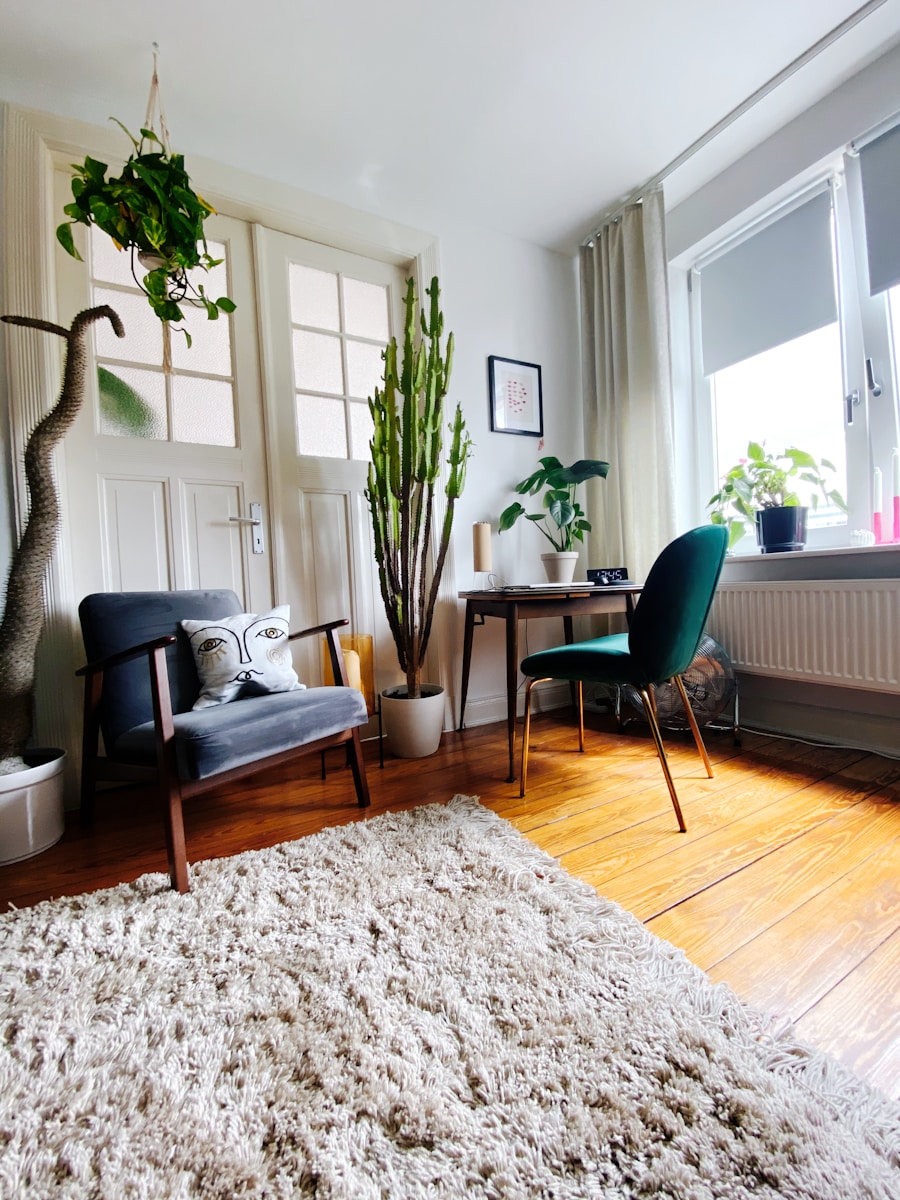
In smaller spaces, every piece of furniture counts. This is where multi-functional furniture comes into play. By selecting items that serve more than one purpose, you can maximize your space without sacrificing style or comfort.
For instance, a sofa bed can provide seating during the day and transform into a cozy sleeping area at night, making it ideal for guests or small apartments. Similarly, an ottoman with storage capabilities can serve as both a footrest and a place to stow away blankets or magazines. When choosing multi-functional furniture, think creatively about how each piece can serve your needs.
A dining table that doubles as a workspace or a coffee table with hidden compartments can help you maintain an organized environment while ensuring that your space remains functional. By investing in versatile furniture, you not only save space but also enhance the overall efficiency of your home.
Keep the Space Clutter-Free
Clutter can quickly overwhelm a space, making it feel cramped and chaotic. To create an open and inviting atmosphere, it’s essential to keep your home clutter-free. Start by evaluating each room and identifying items that no longer serve a purpose or bring you joy.
By decluttering regularly, you can maintain a sense of order and tranquility in your living environment. In addition to decluttering, consider implementing smart storage solutions to keep your belongings organized. Use decorative baskets or stylish bins to store items out of sight while still being easily accessible.
Floating shelves can also provide additional storage without taking up valuable floor space. By prioritizing organization and cleanliness, you can create a serene environment that feels spacious and welcoming.
Opt for Minimalist Decor
Minimalism is not just a design trend; it’s a lifestyle choice that emphasizes simplicity and functionality. By opting for minimalist decor, you can create a clean and uncluttered aesthetic that enhances the feeling of space in your home. This approach encourages you to choose fewer decorative items but invest in high-quality pieces that truly resonate with you.
Imagine walking into a room adorned with carefully selected art pieces and simple furnishings; the result is an elegant yet understated atmosphere that feels both spacious and sophisticated. When embracing minimalism, focus on essential elements that contribute to the overall design without overwhelming the senses. Choose neutral color palettes and simple geometric shapes to create harmony within your space.
By eliminating excess decor and focusing on what truly matters, you can cultivate an environment that feels open and inviting while reflecting your personal style.
Emphasize Vertical Lines

Incorporating vertical lines into your design scheme is an effective way to draw the eye upward and create an illusion of height in your rooms. This can be achieved through various elements such as tall bookshelves, vertical wall art, or even striped wallpaper. When you emphasize vertical lines, you guide the viewer’s gaze upward, making ceilings appear higher and spaces feel more expansive.
Additionally, consider using tall plants or floor lamps to accentuate verticality in your decor. These elements not only add visual interest but also contribute to a sense of grandeur within your home. By thoughtfully integrating vertical lines into your design, you can transform even the coziest spaces into areas that feel open and airy.
Utilize Natural Light
Natural light is one of the most powerful tools at your disposal when it comes to creating an inviting atmosphere in your home. Sunlight has the ability to brighten up any space, making it feel more expansive and alive. To maximize natural light, consider using sheer curtains or blinds that allow sunlight to filter through while still providing privacy.
This way, you can enjoy the benefits of daylight without sacrificing comfort. In addition to window treatments, think about how you arrange your furniture to take advantage of natural light sources. Positioning seating areas near windows encourages relaxation while allowing you to bask in the warmth of sunlight.
By prioritizing natural light in your home design, you not only enhance the feeling of space but also promote overall well-being and positivity.
Consider the Scale of Furniture
The scale of your furniture plays a crucial role in how spacious your home feels. Oversized furniture can overwhelm a small room, making it feel cramped and uncomfortable. Instead, opt for appropriately scaled pieces that fit harmoniously within your space.
For example, if you’re furnishing a small living room, consider choosing a sleek loveseat instead of a bulky sectional sofa. This allows for better flow and movement within the room while still providing ample seating. When selecting furniture, also pay attention to proportions and balance.
A well-proportioned room will feel more cohesive and inviting than one filled with mismatched sizes. By carefully considering the scale of each piece in relation to the overall dimensions of your space, you can create an environment that feels both comfortable and spacious. In conclusion, creating a sense of spaciousness in your home involves thoughtful design choices that prioritize light colors, mirrors, multi-functional furniture, organization, minimalism, vertical lines, natural light, and appropriate scale.
By implementing these strategies, you can transform even the coziest spaces into open and inviting environments that reflect your personal style while promoting comfort and tranquility. Embrace these principles as you curate your living space, and enjoy the benefits of a beautifully designed home that feels expansive and welcoming.