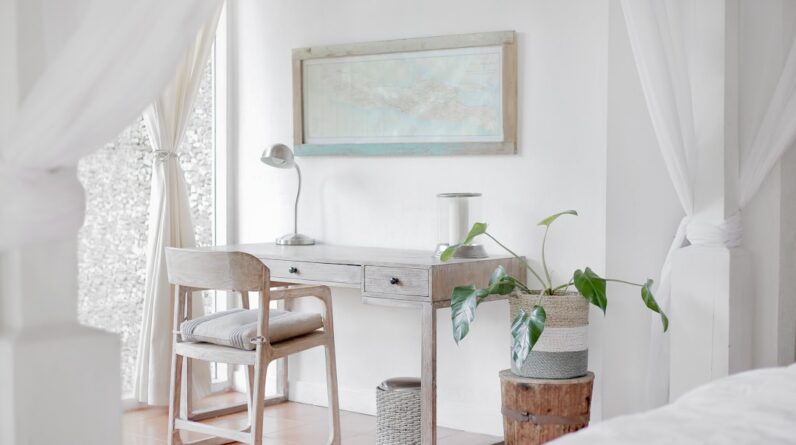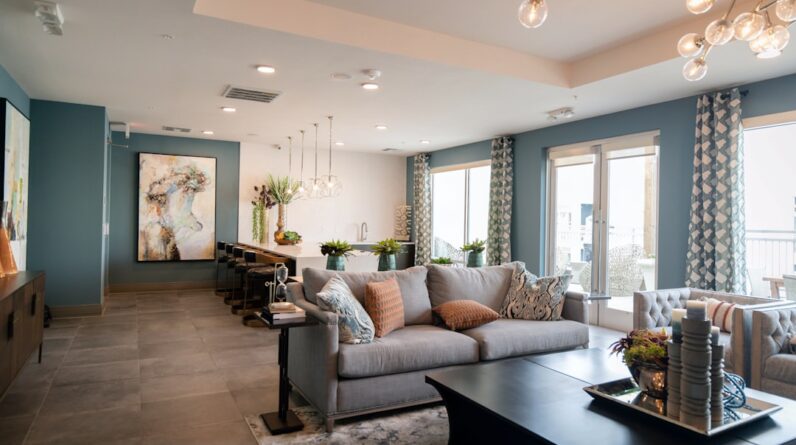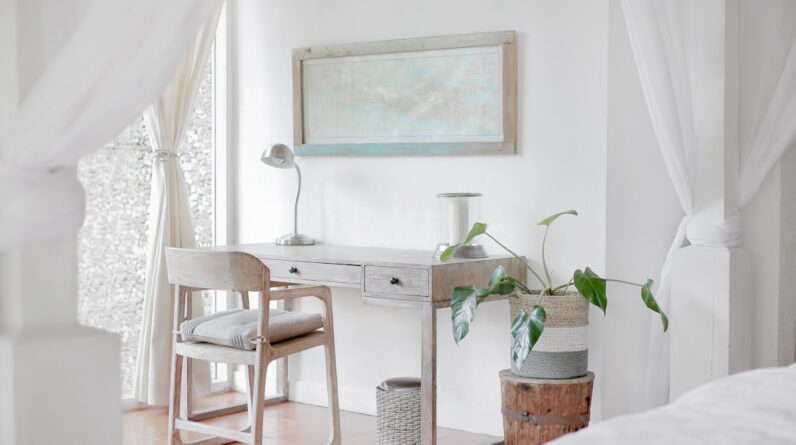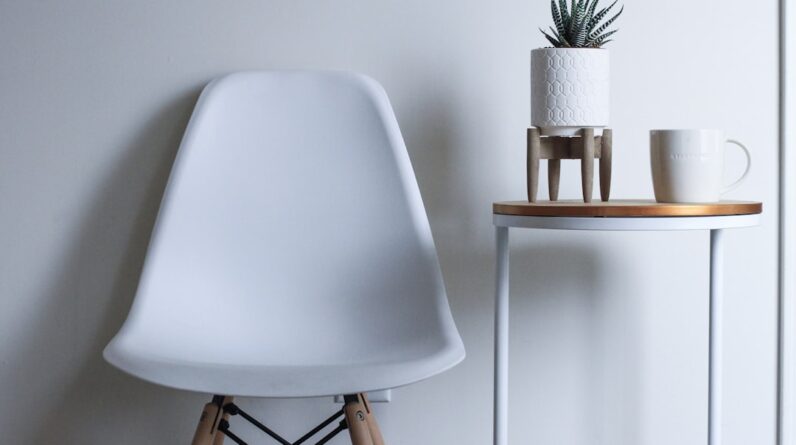
When you delve into the world of vintage design, you embark on a journey that transcends mere aesthetics. Vintage design is not just about the age of an item; it embodies a rich history and a story that each piece carries with it. You might find yourself drawn to the charm of bygone eras, where craftsmanship and attention to detail were paramount.
Understanding vintage design means appreciating the nuances of different periods, from the ornate details of Victorian furniture to the sleek lines of mid-century modern pieces. Each era has its unique characteristics, and recognizing these can help you curate a collection that resonates with your personal style. As you explore vintage design, consider how it reflects cultural shifts and societal values of its time.
For instance, the bold colors and geometric patterns of the 1960s speak to a time of experimentation and liberation, while the minimalist designs of the 1980s reflect a desire for simplicity and functionality. By immersing yourself in these historical contexts, you can better appreciate the significance of each piece you choose to incorporate into your space. This understanding will not only enhance your design choices but also allow you to engage in meaningful conversations about the items you select.
Key Takeaways
- Vintage design refers to styles from the past, typically from the 1920s to 1960s, characterized by unique craftsmanship and timeless appeal.
- When choosing vintage pieces for your space, consider the scale, condition, and functionality of the items to ensure they fit seamlessly into your design.
- Incorporating vintage elements into a contemporary design can add character and warmth to a space, creating a unique and eclectic look.
- Balancing vintage and contemporary styles involves mixing and matching pieces in a way that creates harmony and visual interest.
- Using color and texture can help unify vintage and contemporary elements, creating a cohesive and balanced design.
Choosing the Right Vintage Pieces for Your Space
Selecting vintage pieces for your home can be an exhilarating yet daunting task. You may find yourself overwhelmed by the sheer variety of options available, from flea markets to online auctions. To make this process more manageable, start by defining your space and its purpose.
Consider the mood you want to create and how vintage elements can enhance that atmosphere. For instance, if you’re aiming for a cozy, inviting living room, you might opt for plush, upholstered chairs from the 1970s or a rustic wooden coffee table that exudes warmth. As you sift through potential finds, pay attention to scale and proportion.
A large, ornate vintage armoire may dominate a small room, while delicate accessories can get lost in a spacious area. It’s essential to strike a balance between statement pieces and subtle accents. Additionally, think about how these vintage items will interact with your existing decor.
You might choose a vintage rug to anchor your space or a collection of antique vases to add character to your shelves. Ultimately, the right vintage pieces should not only reflect your personal style but also harmonize with the overall design of your home.
Incorporating Vintage Elements into a Contemporary Design
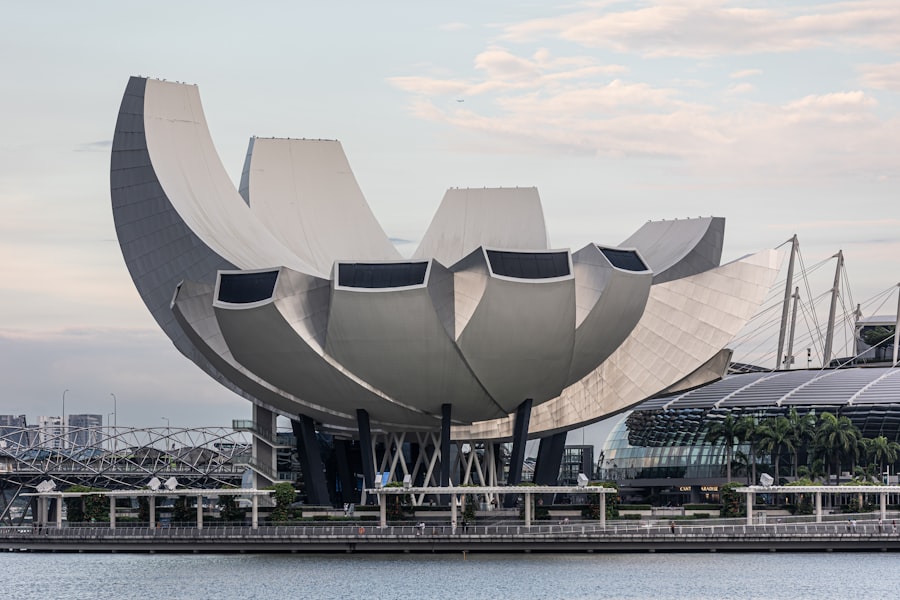
Integrating vintage elements into a contemporary design can create a dynamic and visually interesting space. You may find that juxtaposing modern lines with vintage curves adds depth and character to your home. One effective way to achieve this is by selecting a few standout vintage pieces that serve as focal points within an otherwise modern setting.
For example, a striking mid-century modern chair can become an eye-catching accent in a sleek, minimalist room. Another approach is to use vintage accessories to soften contemporary designs. A collection of antique books or vintage-inspired artwork can add warmth and personality to stark spaces.
You might also consider layering textures by incorporating vintage textiles, such as a handwoven throw or embroidered pillows, which can introduce tactile richness to your contemporary furnishings. By thoughtfully blending these elements, you create a cohesive narrative that celebrates both the past and present.
Balancing Vintage and Contemporary Styles
Achieving balance between vintage and contemporary styles requires careful consideration and an eye for detail. You may find it helpful to establish a unifying theme or color palette that ties both styles together. For instance, if your contemporary furniture features clean lines and neutral tones, consider incorporating vintage pieces that echo those colors or shapes.
This approach creates visual harmony while allowing each style to shine in its own right. Additionally, think about the scale and proportion of your vintage items in relation to contemporary pieces. A large, ornate vintage mirror can serve as a stunning contrast against sleek modern furniture, while smaller vintage accents can complement contemporary decor without overwhelming it.
The key is to create a dialogue between the two styles, allowing them to coexist in a way that feels intentional rather than haphazard. By striking this balance, you can cultivate an environment that feels both timeless and fresh.
Using Color and Texture to Unify Vintage and Contemporary Elements
Color and texture play pivotal roles in unifying vintage and contemporary elements within your design scheme. You might start by selecting a cohesive color palette that incorporates shades found in both vintage and modern pieces. For example, if you have a vibrant vintage rug with rich reds and blues, consider using those colors as inspiration for your contemporary furnishings or wall paint.
This strategy creates a visual thread that ties everything together. Texture is equally important in bridging the gap between styles. Vintage items often boast unique textures—think distressed wood, aged leather, or intricate fabrics—that can add depth to contemporary designs.
You might layer these textures by combining smooth modern surfaces with rustic vintage elements, creating an inviting atmosphere that encourages touch and interaction. By thoughtfully considering color and texture, you can create a seamless blend of vintage charm and contemporary sophistication.
Creating a Focal Point with Vintage Pieces

A well-placed vintage piece can serve as a stunning focal point in any room, drawing the eye and anchoring the overall design. You may want to consider using larger items, such as an antique dining table or an ornate chandelier, as statement pieces that command attention. These items not only provide visual interest but also serve as conversation starters for guests who visit your home.
In addition to larger pieces, smaller vintage accents can also create focal points when arranged thoughtfully. A collection of vintage frames displaying family photos or artwork can be arranged on a gallery wall, creating an engaging visual display that tells your story. Alternatively, you might showcase a unique vintage find on a pedestal or shelf, allowing it to stand out against more subdued contemporary decor.
By strategically placing these focal points throughout your space, you can create an inviting atmosphere that celebrates both your personal history and design sensibilities.
Mixing Vintage and Contemporary Art and Decor
Art is an essential component of any design scheme, and mixing vintage and contemporary art can elevate your space significantly. You may find that combining different styles creates an eclectic yet harmonious environment that reflects your personality. Consider displaying contemporary artwork alongside vintage pieces; for instance, a modern abstract painting can provide a striking contrast against an ornate antique frame or an old-world landscape.
When curating art for your home, think about how each piece interacts with its surroundings. You might choose to create a gallery wall that features both vintage prints and contemporary photography, allowing each piece to complement the others while showcasing their unique qualities. Additionally, consider incorporating decorative objects—such as sculptures or ceramics—that blend both styles seamlessly.
This thoughtful curation not only enhances your decor but also creates a narrative that speaks to your appreciation for both history and modernity.
Maintaining Cohesiveness in a Vintage-Contemporary Design
To maintain cohesiveness in a design that blends vintage and contemporary elements, consistency is key. You may want to establish guiding principles for your space—such as color schemes, materials, or themes—that help unify disparate pieces into a cohesive whole. For example, if you choose warm wood tones for your vintage furniture, consider incorporating similar materials in your contemporary decor to create continuity.
Another effective strategy is to limit the number of styles you incorporate into one space. While mixing various eras can be exciting, too many contrasting elements can lead to visual chaos. Instead, focus on creating vignettes where specific styles shine together without competing for attention.
By curating your collection thoughtfully and maintaining consistency throughout your design choices, you can achieve a harmonious blend of vintage charm and contemporary flair that feels intentional and inviting. In conclusion, embracing vintage design within contemporary spaces allows you to create environments rich in character and history while still feeling fresh and modern. By understanding the basics of vintage design, choosing the right pieces, balancing styles, and maintaining cohesiveness through color and texture, you can curate spaces that reflect your unique aesthetic sensibilities while celebrating the beauty of both past and present.
FAQs
What are some tips for mixing vintage elements with contemporary design?
Some tips for mixing vintage elements with contemporary design include:
1. Start with a neutral base: Use a neutral color palette as a base for your design to allow the vintage elements to stand out.
2. Mix and match: Combine vintage and contemporary furniture and decor to create a balanced and eclectic look.
3. Pay attention to scale: Ensure that the scale of the vintage and contemporary pieces complement each other to create a cohesive design.
4. Use vintage accents: Incorporate vintage accents such as artwork, lighting, or accessories to add character to a contemporary space.
5. Embrace contrast: Embrace the contrast between vintage and contemporary elements to create visual interest in the design.