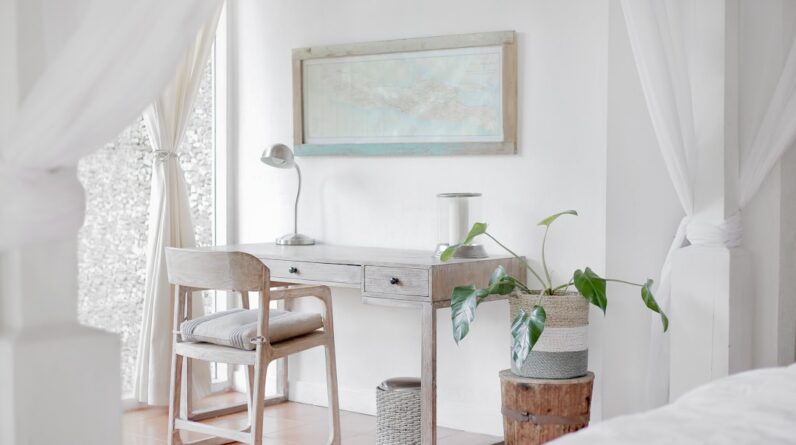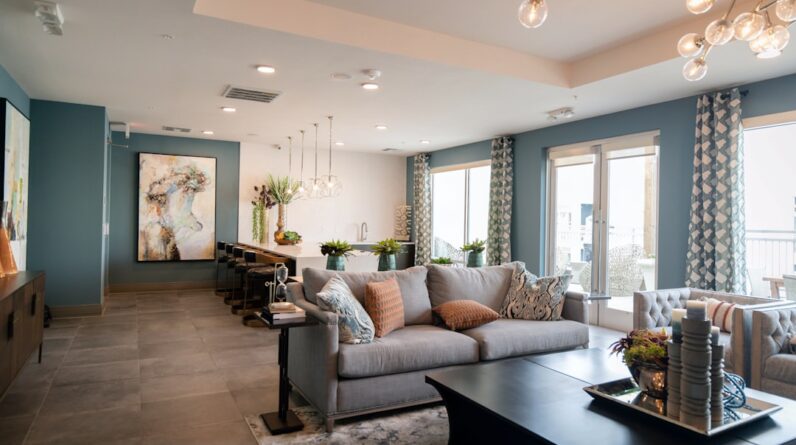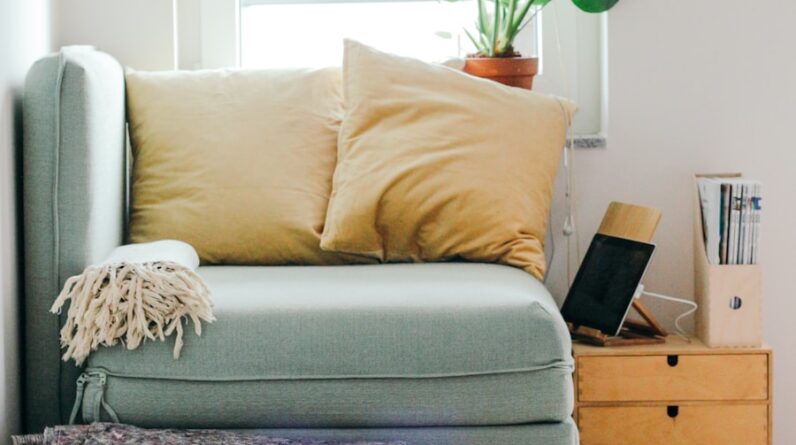
When you step into a room, the first thing you should consider is its intended purpose. Understanding the function of the space is crucial in determining how to design and arrange it effectively. Whether it’s a cozy living room meant for relaxation and socializing, a home office designed for productivity, or a dining area for family gatherings, each space has unique requirements that dictate its layout and decor.
By identifying the primary activities that will take place in the room, you can make informed decisions about furniture placement, color schemes, and decorative elements that enhance its functionality. Moreover, think about how the space will evolve over time. Your needs may change, and the room might serve multiple purposes.
For instance, a guest bedroom may also function as a home office or a playroom for children. By considering these potential shifts in use, you can create a versatile environment that adapts to your lifestyle. This foresight allows you to design a space that not only meets your current needs but also accommodates future changes without requiring a complete overhaul.
Key Takeaways
- Understanding the function of the space is crucial for effective interior design
- Creating a focal point can draw attention and add visual interest to a room
- Allowing for traffic flow is important for creating a functional and comfortable space
- Considering proportions and scale helps to create a balanced and harmonious design
- Choosing the right furniture arrangement can maximize space and enhance the overall aesthetic
- Utilizing multifunctional pieces can help optimize space and add versatility to the design
- Incorporating balance and symmetry can create a sense of harmony and cohesion in the space
- Adding personal touches can make the space feel unique and reflective of the individual’s personality
Creating a Focal Point
Every well-designed room has a focal point that draws the eye and anchors the space. This could be a stunning piece of artwork, an elegant fireplace, or even a large window with a beautiful view. As you plan your room, think about what you want to highlight and how to arrange other elements around it.
A strong focal point can set the tone for the entire room, influencing color choices, furniture styles, and decorative accents. To create an effective focal point, consider the scale and proportion of the elements involved. If you choose a large piece of art as your focal point, ensure that the surrounding furniture complements it rather than competes with it.
You might arrange seating in a way that encourages conversation while still allowing everyone to appreciate the focal point. By thoughtfully designing around this central feature, you can create a harmonious and inviting atmosphere that captivates anyone who enters.
Allowing for Traffic Flow
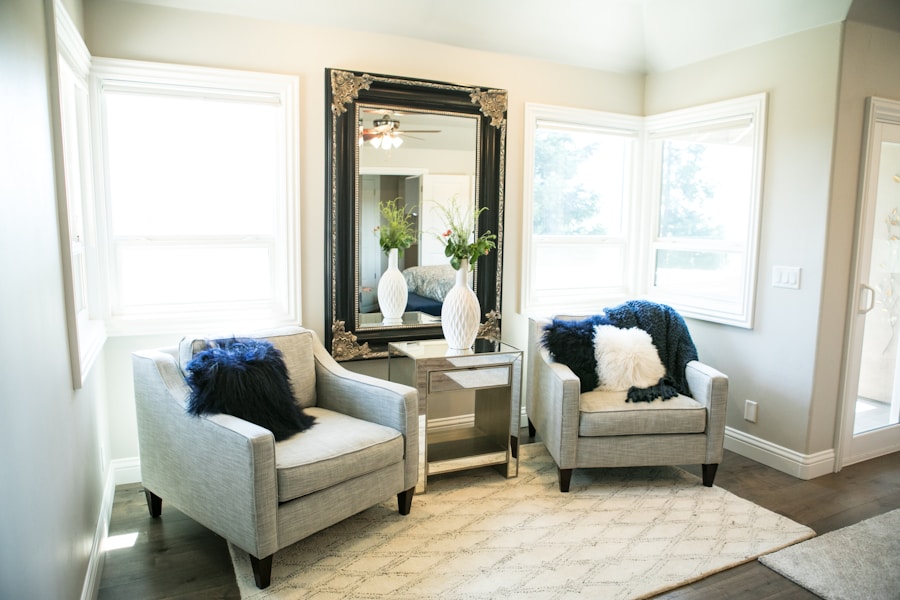
One of the most critical aspects of interior design is ensuring that there is adequate traffic flow throughout the space. You want to create an environment where movement feels natural and unobstructed. As you arrange furniture and decor, consider how people will navigate through the room.
Ideally, there should be clear pathways that allow for easy access to different areas without causing congestion or awkwardness. To facilitate smooth traffic flow, avoid placing large pieces of furniture in high-traffic areas. Instead, opt for arrangements that encourage movement while still providing comfort and functionality.
For example, if you’re designing a living room, consider positioning sofas and chairs in a way that creates an inviting conversation area while leaving enough space for people to walk around comfortably. By prioritizing traffic flow, you enhance not only the usability of the space but also its overall aesthetic appeal.
Considering Proportions and Scale
Proportions and scale play a vital role in creating a balanced and visually pleasing environment. When selecting furniture and decor, it’s essential to consider how each piece relates to the size of the room and to one another. Oversized furniture in a small space can make it feel cramped and uncomfortable, while tiny pieces in a large room may get lost and fail to make an impact.
To achieve harmony in your design, measure your space carefully before making any purchases. This will help you visualize how different items will fit together and allow you to create a cohesive look. Additionally, consider varying heights and shapes within your arrangement to add interest and depth.
For instance, pairing tall bookshelves with lower coffee tables can create visual contrast while maintaining balance. By paying attention to proportions and scale, you can craft an environment that feels both inviting and well thought out.
Choosing the Right Furniture Arrangement
The arrangement of furniture can significantly influence the overall feel of a room. As you decide how to position your pieces, think about how they will interact with one another and with the space as a whole. A well-planned furniture arrangement can enhance functionality while also promoting comfort and conversation.
Start by identifying key pieces that will serve as anchors in your layout—these could be sofas, beds, or dining tables. From there, build around them by adding complementary items that support the room’s function. For example, in a living room, you might place a sofa facing a television while flanking it with side chairs to create an inviting seating area.
Don’t be afraid to experiment with different configurations until you find one that feels right; sometimes, moving furniture around can lead to surprising discoveries about how best to utilize your space.
Utilizing Multifunctional Pieces
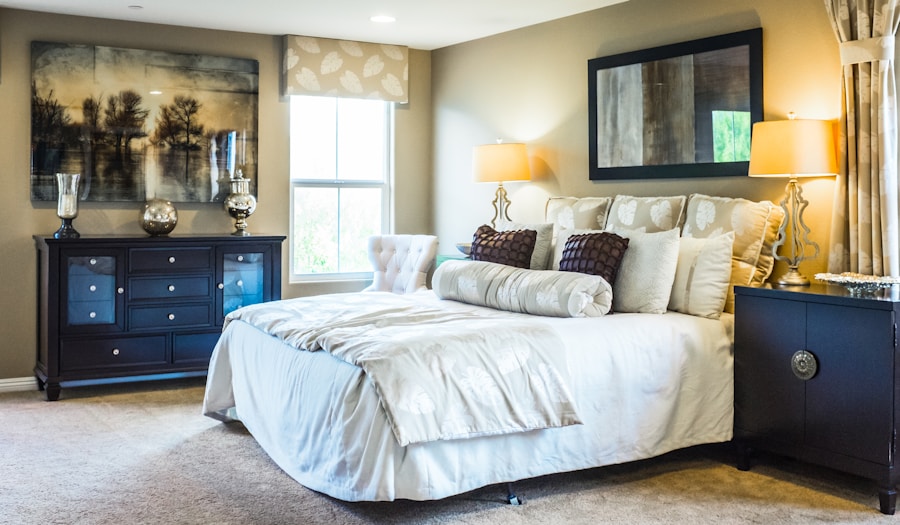
Maximizing Utility Without Sacrificing Style
When selecting furniture for your home, consider items that can adapt to various needs—such as a sofa bed for guests or an ottoman that doubles as storage.
Adding Creativity to Your Design
Incorporating multifunctional pieces not only saves space but also adds an element of creativity to your design. For instance, a coffee table with built-in shelves can provide both surface area for drinks and storage for books or magazines. Similarly, foldable dining tables can expand when entertaining guests but remain compact during everyday use.
Creating a Dynamic Environment
By choosing furniture that serves more than one function, you can create a dynamic environment that meets your needs while maintaining an uncluttered aesthetic.
Incorporating Balance and Symmetry
Balance and symmetry are fundamental principles of design that contribute to a sense of order and tranquility within a space. When arranging furniture and decor, aim for visual equilibrium by distributing elements evenly throughout the room. This doesn’t mean everything has to be identical; rather, it’s about creating harmony through proportion and placement.
For example, if you have a large piece of artwork on one wall, consider balancing it with smaller decorative items on opposite sides of the room. Alternatively, you might arrange seating in pairs to create symmetry while still allowing for individual comfort. By thoughtfully incorporating balance and symmetry into your design, you foster an environment that feels cohesive and inviting—one where every element has its place.
Adding Personal Touches
Finally, no space is complete without personal touches that reflect your unique style and personality. Incorporating elements that resonate with you—such as family photos, travel souvenirs, or favorite books—can transform a generic room into a warm and welcoming home. These personal items tell your story and create an emotional connection to the space.
As you curate these personal touches, think about how they interact with your overall design scheme. Choose items that complement your color palette or style while still standing out as individual statements. For instance, if your living room features neutral tones, a vibrant piece of art or colorful throw pillows can add visual interest without overwhelming the space.
By thoughtfully integrating personal elements into your design, you create an environment that feels authentically yours—a place where you can truly relax and enjoy life’s moments.
FAQs
What are the best practices for arranging furniture in a living room?
The best practices for arranging furniture in a living room include creating a focal point, allowing for easy traffic flow, and balancing the room with a mix of large and small furniture pieces.
How can I create a focal point in a living room?
You can create a focal point in a living room by arranging furniture around a fireplace, a large window with a view, or a piece of artwork. This helps to anchor the room and draw attention to a specific area.
What is the best way to allow for easy traffic flow in a living room?
To allow for easy traffic flow in a living room, it’s important to leave enough space between furniture pieces for people to walk through comfortably. Avoid blocking pathways with furniture and ensure there are clear walkways throughout the room.
How can I balance the furniture in a living room?
Balancing the furniture in a living room involves mixing large and small pieces to create visual interest. This can be achieved by pairing a large sofa with smaller accent chairs, or by incorporating a mix of different-sized tables and storage units.
What are the best practices for arranging furniture in a bedroom?
The best practices for arranging furniture in a bedroom include positioning the bed as the focal point, maximizing storage space, and creating a comfortable and functional layout.
How can I position the bed as the focal point in a bedroom?
You can position the bed as the focal point in a bedroom by placing it against the longest wall, or by using a headboard to draw attention to the bed. This helps to create a sense of balance and harmony in the room.
What is the best way to maximize storage space in a bedroom?
To maximize storage space in a bedroom, consider incorporating multifunctional furniture such as a bed with built-in drawers, a storage ottoman, or a wardrobe with sliding doors. Utilizing vertical space with shelves and wall-mounted storage can also help to free up floor space.
How can I create a comfortable and functional layout in a bedroom?
Creating a comfortable and functional layout in a bedroom involves ensuring there is enough space around the bed for easy movement, positioning bedside tables within reach of the bed, and allowing for natural light to flow into the room. It’s also important to consider the placement of dressers and seating areas to enhance the overall functionality of the space.