When designing a multigenerational home, the space and layout are paramount. You need to think about how each area will serve the various needs of your family members. A well-planned layout can enhance the functionality of the home, ensuring that everyone has their own space while still promoting togetherness.
Open floor plans are often favored for their ability to create a sense of unity, allowing family members to interact easily while engaging in different activities. However, you should also consider incorporating distinct zones that cater to the specific needs of each generation, such as quiet areas for older adults and vibrant spaces for children. In addition to the overall layout, the size of individual rooms plays a crucial role in accommodating diverse lifestyles.
You might want to include larger bedrooms for grandparents or parents who may require more space for mobility aids or personal belongings. Conversely, children’s rooms can be designed to be smaller yet functional, allowing for play areas that can be easily transformed as they grow. By carefully considering the dimensions and flow of each room, you can create a harmonious environment that respects the individuality of each family member while fostering a sense of community.
Key Takeaways
- Consider the space and layout of the home to accommodate the needs of multiple generations living together
- Ensure privacy and independence for each generation within the household
- Incorporate accessibility and safety features to accommodate all family members, especially those with mobility issues
- Design the home with flexibility to adapt to changing needs of the family over time
- Create a balance between shared and private living spaces to promote harmony within the household
- Implement storage and organization solutions to maximize space and minimize clutter
- Integrate communication and technology features to facilitate connectivity and convenience for all family members
- Include community and social spaces within the home to encourage interaction and bonding among family members
Privacy and Independence for Each Generation
Privacy is a critical aspect of multigenerational living, as it allows each family member to maintain their independence while still being part of a larger household. You may want to design separate living quarters or suites that provide a degree of autonomy for older adults or young adults who are just starting their own families. These spaces can include private bathrooms, kitchenettes, and even separate entrances, allowing for a seamless blend of togetherness and independence.
Moreover, creating designated areas for quiet reflection or personal time can significantly enhance the quality of life for everyone in the home. You might consider adding cozy nooks or reading corners where individuals can retreat when they need solitude. By prioritizing privacy in your design, you ensure that each generation feels respected and valued, which is essential for maintaining harmony in a shared living environment.
Accessibility and Safety Features

In a multigenerational home, accessibility and safety features are not just optional; they are essential. As family members age or if there are young children in the house, you must consider how to make the home safe and navigable for everyone. This could involve installing ramps instead of stairs, wide doorways to accommodate wheelchairs, and non-slip flooring to prevent accidents.
You might also want to think about incorporating smart home technology that can assist with daily tasks, such as voice-activated lighting or automated door locks. Safety features should extend beyond just physical accessibility. You may want to install security systems that provide peace of mind for all generations living under one roof.
This could include surveillance cameras, motion detectors, and emergency response systems that ensure help is always within reach. By prioritizing accessibility and safety in your design, you create an environment where everyone feels secure and comfortable, allowing them to thrive in their daily lives.
Flexibility in Design for Changing Needs
One of the most significant advantages of multigenerational living is the ability to adapt to changing needs over time. As family dynamics evolve—whether due to aging parents moving in, children growing up, or new family members joining—you should design your home with flexibility in mind. This could mean incorporating movable walls or modular furniture that can be reconfigured as needed.
For instance, a playroom can easily transform into a guest bedroom when necessary, providing versatility without requiring extensive renovations. Additionally, consider designing spaces that can serve multiple purposes. A home office can double as a study area for children or a craft room for hobbies.
By creating multifunctional spaces, you ensure that your home remains relevant and useful as your family’s needs change over time. This adaptability not only enhances the livability of your home but also contributes to a more sustainable lifestyle by reducing the need for constant remodeling.
Shared and Private Living Spaces
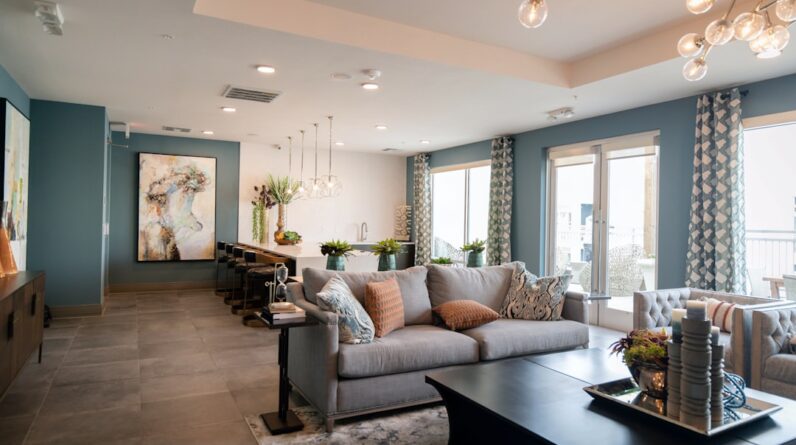
Balancing shared and private living spaces is crucial in a multigenerational home. While communal areas foster connection and togetherness, private spaces allow individuals to recharge and maintain their sense of self. You might want to create inviting shared spaces such as a large kitchen or dining area where family members can gather for meals and celebrations.
These areas should be designed to accommodate everyone comfortably, encouraging interaction and bonding. On the other hand, private living spaces should be thoughtfully designed to provide comfort and tranquility. Each family member should have access to their own sanctuary where they can unwind after a long day.
This could be achieved through well-planned bedrooms with en-suite bathrooms or cozy reading nooks tucked away from the hustle and bustle of communal areas. By striking the right balance between shared and private spaces, you create an environment that nurtures both connection and individuality.
Storage and Organization Solutions

In a multigenerational home, effective storage solutions are essential for maintaining order and minimizing clutter. With multiple generations living under one roof, you may find that belongings accumulate quickly. To combat this, consider incorporating built-in storage options such as shelves, cabinets, and closets that maximize space without sacrificing style.
You might also want to explore creative storage solutions like under-bed drawers or multi-functional furniture that doubles as storage units. Organization is equally important in ensuring that everyone can find their belongings easily. You could implement designated storage areas for each family member’s items, making it simple for everyone to keep their personal space tidy.
Additionally, consider using labels or color-coded bins to help younger family members learn about organization while making it easier for everyone to locate what they need quickly. By prioritizing storage and organization solutions in your design, you create a more functional living environment that benefits all generations.
Communication and Technology Integration
In today’s digital age, effective communication is vital for maintaining harmony in a multigenerational household. Integrating technology into your home design can facilitate better communication among family members while also enhancing convenience. You might consider installing smart home systems that allow everyone to control lighting, temperature, and security features from their devices.
This not only promotes efficiency but also fosters a sense of connection as family members can easily share updates or coordinate schedules. Moreover, creating designated tech zones can encourage family members to engage with one another while enjoying their favorite devices. For instance, you could set up a media room where everyone can gather for movie nights or gaming sessions.
By thoughtfully integrating communication and technology into your home design, you create an environment that supports both individual interests and collective experiences.
Community and Social Spaces
Finally, fostering a sense of community within your multigenerational home is essential for nurturing relationships among family members. You may want to design social spaces that encourage interaction and collaboration, such as outdoor patios or gardens where everyone can gather for barbecues or gardening projects. These communal areas should be inviting and comfortable, promoting relaxation and conversation.
Additionally, consider incorporating features that facilitate group activities, such as game rooms or craft areas where family members can engage in hobbies together. By creating spaces that encourage socialization and collaboration, you strengthen the bonds between generations while also enriching the overall living experience in your home. Ultimately, a well-designed multigenerational home should not only accommodate diverse needs but also celebrate the unique connections that make family life fulfilling and rewarding.
FAQs
What is multi-generational living?
Multi-generational living refers to a household that includes two or more generations living together, such as parents, children, and grandparents.
What are the considerations when designing a home for multi-generational living?
Considerations when designing a home for multi-generational living include privacy, accessibility, separate living spaces, shared spaces, and flexibility in design to accommodate changing needs.
How can privacy be addressed in a multi-generational home design?
Privacy in a multi-generational home can be addressed by incorporating separate living areas, such as a separate entrance, kitchenette, or living space for the different generations.
What are some accessibility considerations for multi-generational living?
Accessibility considerations for multi-generational living include incorporating features such as wider doorways, ramps, and accessible bathrooms to accommodate individuals with mobility challenges.
How can shared spaces be designed in a multi-generational home?
Shared spaces in a multi-generational home can be designed to include a central living area, kitchen, and dining space where all generations can come together for socializing and meals.
Why is flexibility in design important for multi-generational living?
Flexibility in design is important for multi-generational living to accommodate changing needs as family dynamics evolve, such as the need for additional bedrooms, separate living areas, or accessibility features.