When you step into a space, whether it’s your home or a public area, the layout and flow are crucial in determining how you experience it. You might find that a well-thought-out layout can enhance your comfort and functionality, making it easier to navigate and enjoy. To achieve this, consider the natural pathways that people take as they move through the area.
You want to ensure that there are no obstacles in these pathways, allowing for a seamless transition from one area to another. Think about how you use the space daily; this will guide you in organizing furniture and decor in a way that feels intuitive and welcoming. Moreover, the flow of a space is not just about physical movement; it also encompasses the emotional journey you experience as you move through it.
You may want to create distinct zones for different activities, such as relaxing, entertaining, or working. By doing so, you can enhance the functionality of your space while also making it visually appealing. Consider how each area connects to the next and how you can use furniture placement, rugs, or even lighting to define these zones.
This thoughtful approach will not only improve the usability of your space but also create a harmonious atmosphere that resonates with your personal style.
Key Takeaways
- Understanding the layout and flow of the space is essential for creating a seamless indoor-outdoor transition.
- Utilizing similar design elements indoors and outdoors helps to create a cohesive and harmonious look.
- Creating a cohesive color palette that complements both indoor and outdoor spaces ties the two areas together.
- Incorporating natural light and views into the design enhances the connection between indoor and outdoor spaces.
- Using sliding or folding doors for easy transition allows for a flexible and open layout.
Utilizing Similar Design Elements Indoors and Outdoors
Bridging the gap between indoor and outdoor spaces can create a sense of unity that enhances your overall living experience. When you utilize similar design elements both inside and outside, you create a seamless transition that invites the outdoors in. You might start by selecting materials that complement each other, such as using natural wood finishes or stone accents in both areas.
This consistency can help to blur the lines between your indoor sanctuary and your outdoor retreat, making both spaces feel like extensions of one another. In addition to materials, consider incorporating similar design motifs or patterns throughout both spaces. For instance, if you have a particular style of furniture or decor indoors, try to find outdoor pieces that echo those designs.
This could be as simple as choosing outdoor cushions that feature the same colors or patterns as your indoor textiles. By maintaining this visual connection, you create a cohesive aesthetic that enhances the overall appeal of your home. Ultimately, this approach not only elevates your design but also encourages you to spend more time enjoying both environments.
Creating a Cohesive Color Palette
A well-thought-out color palette can significantly influence the mood and atmosphere of your space. When you create a cohesive color scheme, you establish a sense of harmony that ties different areas together. Start by selecting a few key colors that resonate with you and reflect your personal style.
You might choose a base color for larger surfaces like walls and furniture, then add accent colors through accessories like cushions, artwork, or decorative items. This method allows you to maintain visual interest without overwhelming the senses. As you develop your color palette, consider how different shades interact with one another.
You may want to experiment with various tones and textures to add depth and dimension to your space. For example, pairing soft pastels with bold jewel tones can create a striking contrast that draws the eye. Additionally, think about how natural light affects your chosen colors throughout the day; some hues may appear warmer or cooler depending on the time of day.
By being mindful of these factors, you can create a cohesive color palette that enhances the beauty and functionality of your home.
Incorporating Natural Light and Views
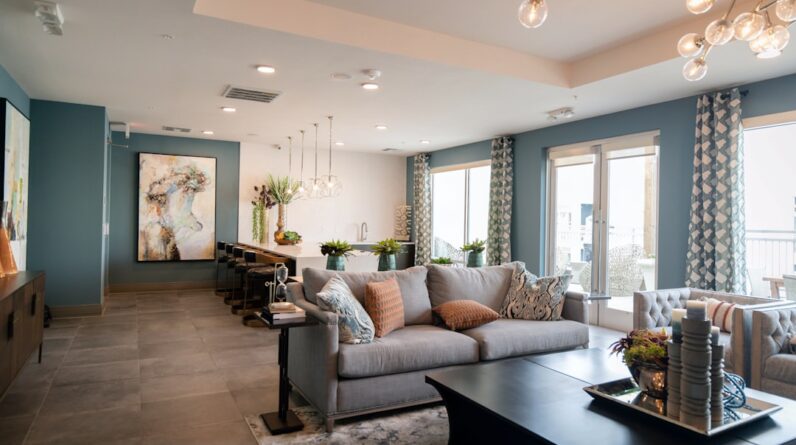
Natural light has an incredible ability to transform a space, making it feel more open and inviting. When designing your home, consider how you can maximize natural light and take advantage of any views available to you. Large windows or glass doors can help flood your interiors with sunlight while providing stunning vistas of your outdoor surroundings.
If privacy is a concern, consider using sheer curtains or blinds that allow light to filter through while still offering some level of seclusion. In addition to enhancing aesthetics, natural light can also positively impact your mood and well-being. Studies have shown that exposure to sunlight can boost energy levels and improve mental health.
Therefore, when planning your layout, think about how you can position furniture to take advantage of these light sources. You might place seating areas near windows or create cozy reading nooks bathed in sunlight. By thoughtfully incorporating natural light into your design, you not only elevate the beauty of your space but also promote a healthier lifestyle.
Using Sliding or Folding Doors for Easy Transition
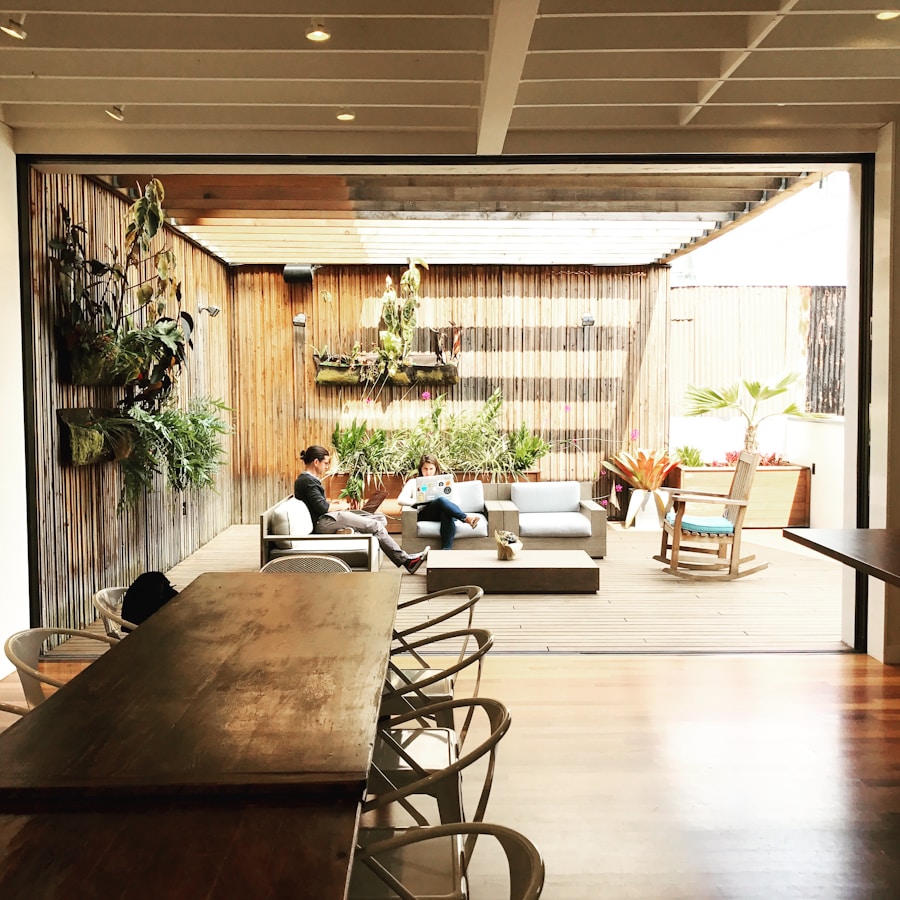
The use of sliding or folding doors can dramatically enhance the functionality of your space by creating easy transitions between indoor and outdoor areas. These types of doors allow for flexibility in how you use your space, enabling you to open up an area for entertaining or close it off for privacy when needed. Imagine hosting a summer gathering where guests can flow seamlessly from the kitchen to the patio; this kind of accessibility fosters a sense of connection and community.
Additionally, sliding or folding doors can help maximize natural light while providing unobstructed views of your outdoor environment. When these doors are fully opened, they create an expansive feeling that blurs the lines between inside and outside. This design choice not only enhances the aesthetic appeal of your home but also encourages you to engage with nature more frequently.
Whether you’re enjoying a morning coffee on the patio or hosting an evening barbecue, these doors facilitate an effortless transition that enriches your living experience.
Incorporating Outdoor Furniture and Accessories Indoors
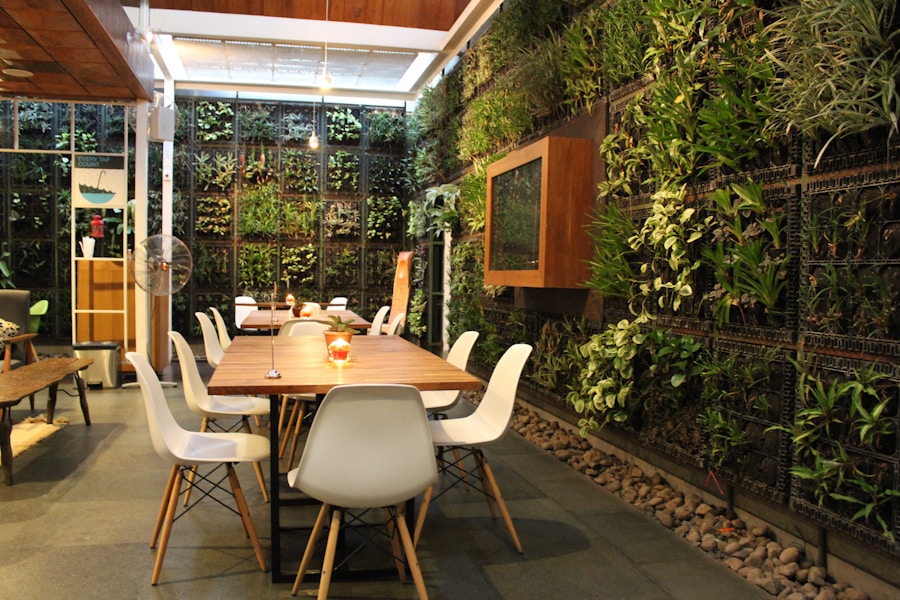
Bringing outdoor furniture and accessories indoors is an innovative way to create a relaxed and inviting atmosphere within your home. By selecting pieces designed for outdoor use—such as wicker chairs or weather-resistant cushions—you can infuse your interiors with a casual elegance that feels both comfortable and stylish. This approach allows you to enjoy the durability of outdoor materials while adding unique character to your indoor spaces.
When incorporating outdoor elements indoors, consider how they complement your existing decor. You might choose vibrant colors or playful patterns that echo the natural world outside, creating a cohesive theme throughout your home. Additionally, think about functionality; outdoor furniture is often designed for easy maintenance and durability, making it an excellent choice for high-traffic areas or homes with children and pets.
By blending these elements into your interior design, you create an inviting environment that encourages relaxation and enjoyment.
Incorporating Greenery and Plants
Integrating greenery and plants into your home is one of the most effective ways to enhance its aesthetic appeal while promoting well-being. Plants not only add vibrant color and texture but also improve air quality and create a calming atmosphere. When selecting plants for your space, consider factors such as lighting conditions and maintenance requirements; some plants thrive in bright light while others prefer shadier spots.
You might choose to display plants in various ways—hanging planters can add visual interest at different heights, while larger potted plants can serve as focal points in a room. Additionally, consider creating a dedicated plant corner or vertical garden to showcase your collection beautifully. By incorporating greenery into your design scheme, you bring life into your home while fostering a connection with nature that enhances your overall living experience.
Creating Functional Zones for Different Activities
Creating functional zones within your space is essential for maximizing its usability and ensuring that it meets all your needs. By defining specific areas for different activities—such as work, relaxation, dining, or exercise—you can enhance both functionality and comfort in your home. Start by assessing how you currently use each area; this will help you identify where adjustments may be needed.
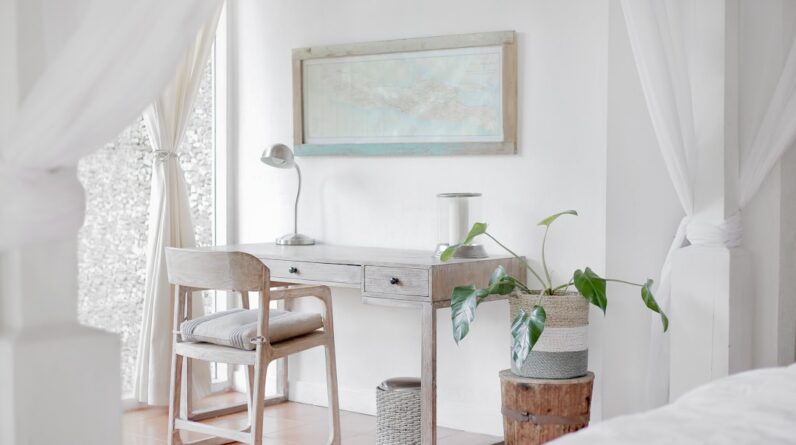
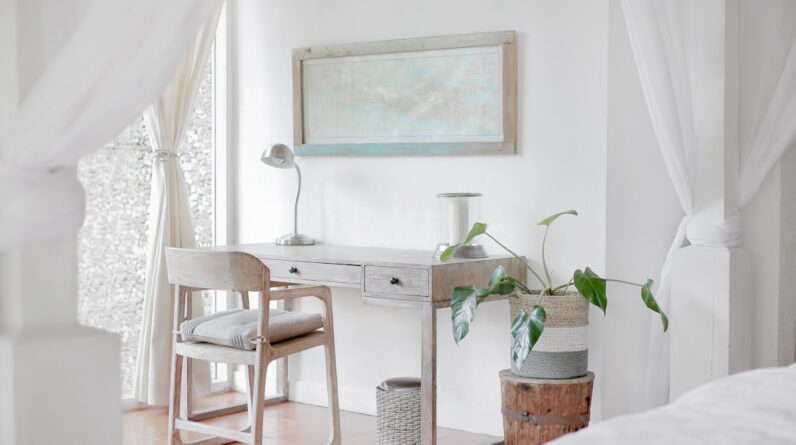
Once you’ve determined the various activities that take place in each zone, consider how furniture placement can facilitate these functions. For example, if you’re creating a workspace within a larger room, position a desk near natural light sources while ensuring it’s separate from more social areas like the living room or dining area. You might use rugs or furniture arrangements to delineate these zones visually without creating physical barriers.
By thoughtfully designing functional zones tailored to your lifestyle, you create an environment that supports productivity while also allowing for relaxation and enjoyment.
FAQs
What are the benefits of integrating indoor and outdoor living spaces seamlessly?
Integrating indoor and outdoor living spaces seamlessly can create a sense of spaciousness, improve natural light and ventilation, and enhance the overall living experience.
What are some design strategies for integrating indoor and outdoor living spaces seamlessly?
Some design strategies include using consistent flooring materials, extending rooflines to create covered outdoor areas, using large windows and sliding doors, and incorporating similar color palettes and design elements.
How can landscaping be used to integrate indoor and outdoor living spaces seamlessly?
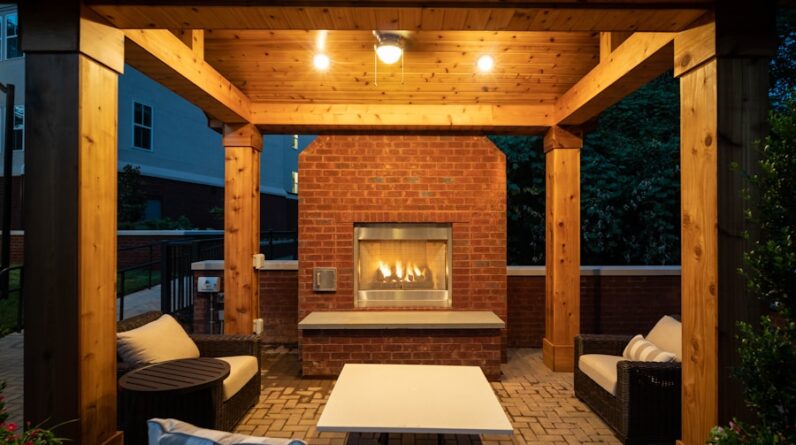
Landscaping can be used to create a smooth transition between indoor and outdoor spaces by using similar plantings, creating outdoor “rooms” with hedges or trees, and incorporating features like water elements or fire pits.
What role does furniture and decor play in integrating indoor and outdoor living spaces seamlessly?
Choosing furniture and decor that can be used both indoors and outdoors, such as weather-resistant materials and versatile pieces, can help create a cohesive and seamless transition between the two spaces.
What are some considerations for climate and location when integrating indoor and outdoor living spaces seamlessly?
Considerations include using materials and design elements that can withstand the local climate, incorporating shading and heating elements for comfort, and optimizing the layout for prevailing winds and sun exposure.