Feng Shui, an ancient Chinese practice, is more than just a design philosophy; it is a holistic approach to creating harmony and balance in your living environment. Rooted in the belief that our surroundings can significantly influence our well-being, Feng Shui emphasizes the flow of energy, or “Chi,” within a space. By understanding and applying its principles, you can transform your home into a sanctuary that promotes health, prosperity, and happiness.
As you delve into the world of Feng Shui, you will discover how the arrangement of your space can impact your life in profound ways. At its core, Feng Shui is about creating a harmonious relationship between you and your environment. It encourages you to be mindful of how your space affects your emotions, relationships, and overall quality of life.
Whether you are looking to enhance your career prospects, improve your relationships, or simply create a more peaceful atmosphere, Feng Shui offers practical tools and insights to help you achieve your goals. By embracing these principles, you can cultivate a living space that not only reflects your personal style but also nurtures your spirit.
Key Takeaways
- Feng Shui is an ancient Chinese practice that focuses on creating harmony and balance in the environment.
- The Five Elements (wood, fire, earth, metal, water) play a crucial role in Feng Shui and are used to balance and harmonize spaces.
- The Bagua Map is a tool used in Feng Shui to map out different areas of a space and determine the best placement of furniture and decor.
- Yin and Yang balance is essential in interior design to create a harmonious and balanced environment.
- Clutter clearing and organization are important in Feng Shui to create a free flow of energy and promote a sense of calm and tranquility.
The Five Elements and their Importance in Feng Shui
Central to the practice of Feng Shui are the Five Elements: Wood, Fire, Earth, Metal, and Water. Each element represents different qualities and energies that can influence various aspects of your life. Understanding these elements is crucial for creating a balanced and harmonious environment.
For instance, Wood symbolizes growth and vitality, making it essential for fostering creativity and new beginnings. Fire represents passion and energy, while Earth embodies stability and nourishment. Metal signifies clarity and precision, and Water is associated with abundance and flow.
Incorporating these elements into your space can enhance specific areas of your life. For example, if you seek to boost your career prospects, integrating Metal elements like metallic decor or furniture can help channel clarity and focus. Conversely, if you want to cultivate a sense of calm and stability in your home, incorporating Earth elements such as ceramics or earthy colors can create a grounding atmosphere.
By thoughtfully integrating the Five Elements into your design choices, you can create a space that resonates with your intentions and aspirations.
The Bagua Map and its Application in Interior Design
The Bagua Map is a fundamental tool in Feng Shui that helps you understand the energy distribution within your space. This map divides your environment into nine areas, each corresponding to different aspects of life such as wealth, relationships, health, and career. By overlaying the Bagua Map onto your floor plan, you can identify which areas need attention and enhancement.
This process allows you to align your interior design choices with your personal goals. When applying the Bagua Map in your home, consider how each area can be enhanced through decor, color, and arrangement. For instance, if you want to improve your financial situation, focus on the Wealth area of the Bagua Map.
You might incorporate elements like water features or plants that symbolize abundance in that section of your home. By intentionally designing each area according to the Bagua Map, you create a cohesive environment that supports your aspirations and fosters positive energy flow.
Yin and Yang Balance in Interior Design
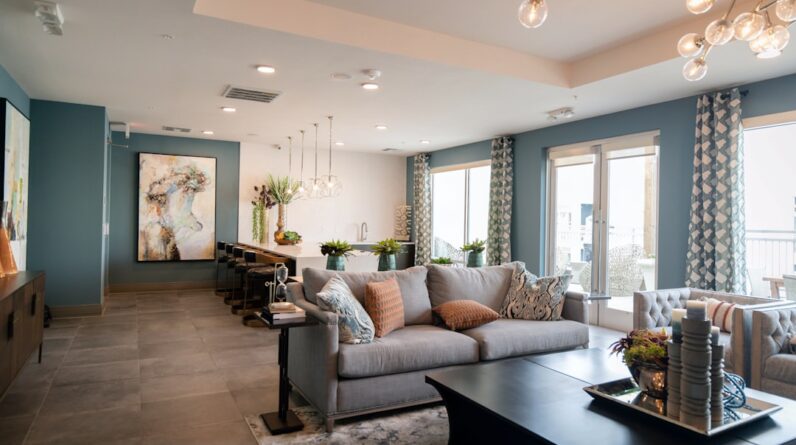
Yin and Yang are fundamental concepts in Feng Shui that represent the duality of existence—light and dark, active and passive, masculine and feminine. Achieving a balance between these opposing forces is essential for creating a harmonious living space. In interior design, this balance can be manifested through the careful selection of colors, materials, and furnishings.
For example, incorporating soft textures and warm colors can introduce Yin energy, while sleek lines and bold colors can bring in Yang energy. To create a balanced environment, pay attention to the proportions of Yin and Yang elements in each room. A space dominated by Yang energy may feel chaotic or overwhelming, while an excess of Yin energy can lead to feelings of stagnation or lethargy.
Strive for equilibrium by mixing different textures, colors, and shapes in your decor. This approach not only enhances the aesthetic appeal of your home but also promotes emotional well-being by fostering a sense of balance and tranquility.
The Importance of Clutter Clearing and Organization in Feng Shui
One of the foundational principles of Feng Shui is the importance of decluttering and organizing your space. Clutter not only disrupts the flow of Chi but also creates mental chaos that can hinder your ability to focus and relax. By clearing out unnecessary items and organizing your belongings, you create a more inviting atmosphere that allows positive energy to circulate freely.
This process is not just about tidiness; it is about making conscious choices regarding what you allow into your space. As you embark on the journey of decluttering, consider the emotional attachments you have to certain items. Letting go of things that no longer serve you can be liberating and transformative.
Create designated spaces for essential items to maintain organization and ensure that everything has its place. By fostering an organized environment, you not only enhance the aesthetic appeal of your home but also create a sanctuary that supports clarity and peace of mind.
The Role of Colors and Materials in Feng Shui Interior Design
Colors and Emotions
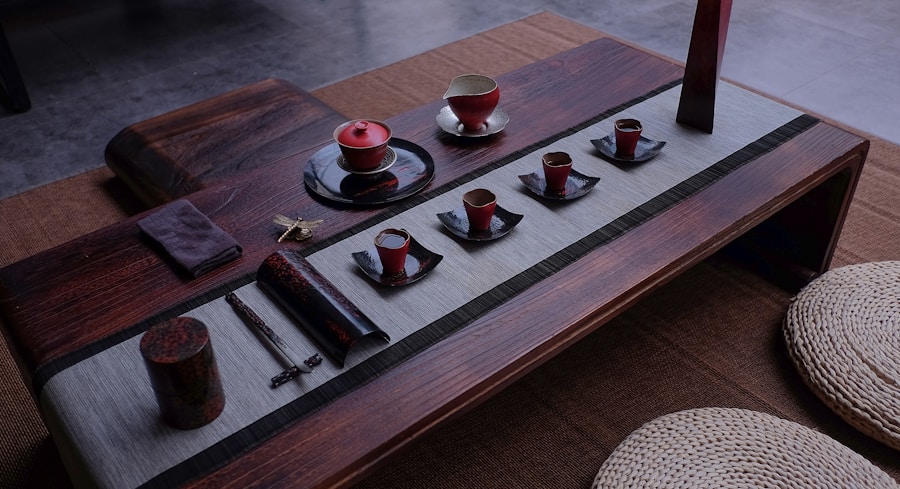
Colors play a vital role in Feng Shui, as they are believed to influence mood and energy levels. Each color corresponds to specific elements and emotions; for instance, red symbolizes passion and vitality, while blue represents calmness and tranquility.
Materials and Connection to Nature
Materials also hold importance in Feng Shui design. Natural materials such as wood, stone, and cotton promote a sense of connection to nature and enhance the flow of Chi within your space. Incorporating these materials into your decor not only adds texture but also fosters a grounding atmosphere that supports well-being.
Creating Harmony in Your Space
When designing your space, consider how different colors can enhance the energy of each area according to the Bagua Map. By thoughtfully selecting colors that resonate with your intentions, you can create an environment that nurtures positivity. As you choose colors and materials for your home, aim for a harmonious blend that reflects both your personal style and the principles of Feng Shui.
The Placement of Furniture and Decor in Feng Shui
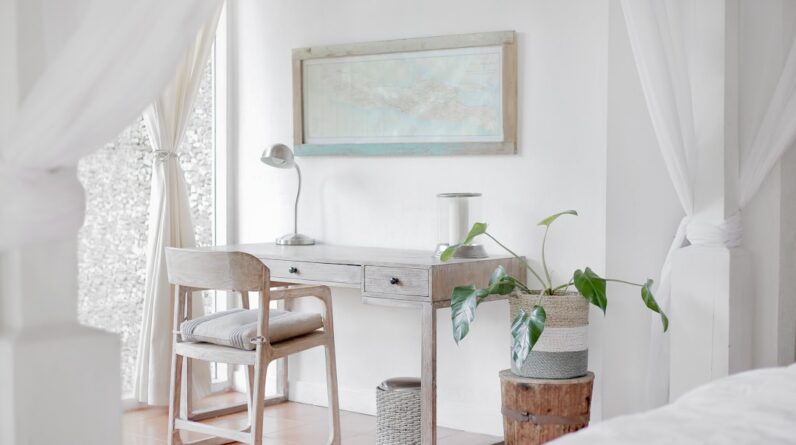
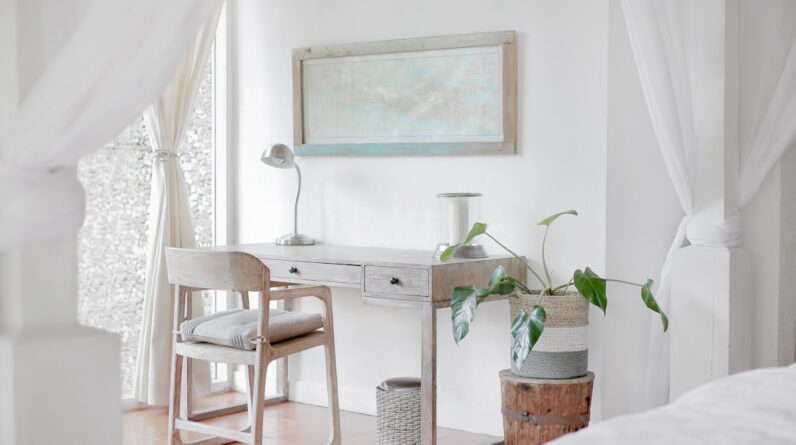
The arrangement of furniture and decor is crucial in Feng Shui as it directly impacts the flow of energy within a space. Thoughtful placement can enhance communication, promote relaxation, and create a sense of balance. When arranging furniture, consider the concept of “command position,” which suggests placing key pieces—such as beds or desks—so that they face the entrance while allowing for a clear view of the room.
This positioning fosters a sense of security and control over your environment. In addition to command position, be mindful of pathways within your space. Ensure that there is ample room for movement to allow Chi to flow freely without obstruction.
Avoid placing furniture in a way that creates sharp corners or blockages; instead, opt for rounded edges or open layouts that encourage positive energy circulation. By consciously arranging furniture and decor with these principles in mind, you create an inviting atmosphere that enhances both functionality and harmony.
Bringing Nature Indoors: Incorporating Plants and Natural Elements in Feng Shui Design
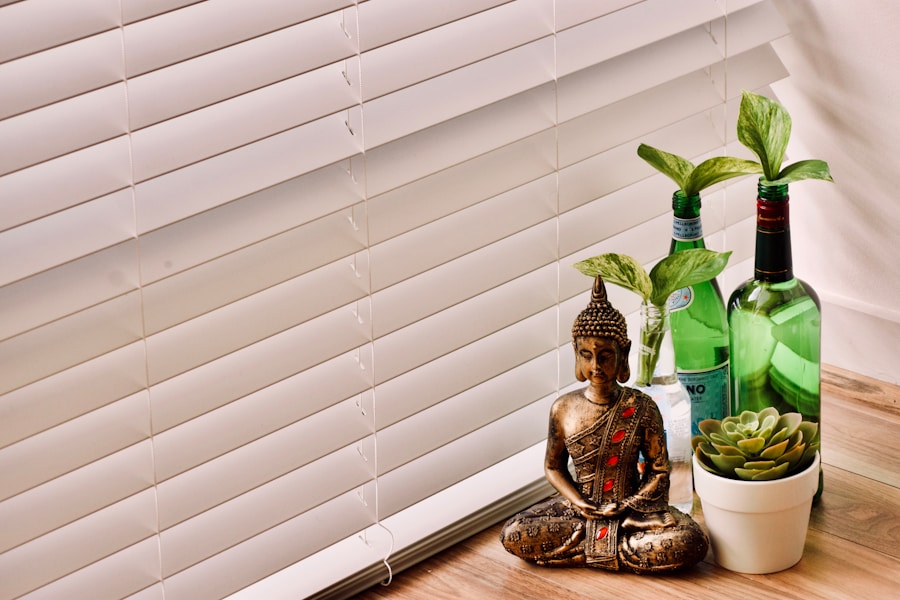
Incorporating plants and natural elements into your interior design is an essential aspect of Feng Shui that promotes vitality and connection to nature. Plants not only purify the air but also symbolize growth and renewal—qualities that are vital for fostering positive energy within your home. When selecting plants for your space, consider their placement according to the Bagua Map; for instance, placing lush greenery in the Wealth area can enhance abundance.
Beyond plants, integrating natural materials such as wood or stone into your decor can further enhance the connection to nature. Consider using wooden furniture or stone accents to create a warm and inviting atmosphere that resonates with tranquility. Additionally, incorporating natural light through windows or mirrors can amplify positive energy flow while creating an uplifting ambiance.
By bringing nature indoors through plants and natural elements, you cultivate a nurturing environment that supports well-being and harmony. In conclusion, embracing Feng Shui principles in interior design allows you to create a living space that reflects not only your personal style but also nurtures your well-being. By understanding the Five Elements, utilizing the Bagua Map, balancing Yin and Yang energies, decluttering effectively, choosing appropriate colors and materials, arranging furniture thoughtfully, and incorporating nature indoors, you can transform your home into a sanctuary that promotes positivity and harmony in every aspect of life.
As you embark on this journey toward creating a balanced environment, remember that every small change contributes to enhancing the overall energy flow within your space—ultimately leading to a more fulfilling life experience.
FAQs
What is Feng Shui?
Feng Shui is a traditional Chinese practice that involves arranging the environment to create harmony and balance. It is based on the belief that the arrangement of objects and spaces can affect the flow of energy, or “chi,” and influence a person’s well-being and success.
What are the key principles of Feng Shui?
The key principles of Feng Shui include the use of the Bagua map to identify areas of a space that correspond to different aspects of life, such as wealth, health, and relationships. Other principles include the importance of decluttering, balancing the five elements (wood, fire, earth, metal, and water), and creating a harmonious flow of energy throughout the space.
How can Feng Shui be applied to interior design?
Feng Shui can be applied to interior design by arranging furniture and decor to create a balanced and harmonious environment. This may involve using the Bagua map to determine the best placement of furniture, incorporating the five elements into the design, and ensuring that the space feels open and uncluttered. Additionally, using colors and materials that correspond to specific elements can help enhance the energy flow in a space.