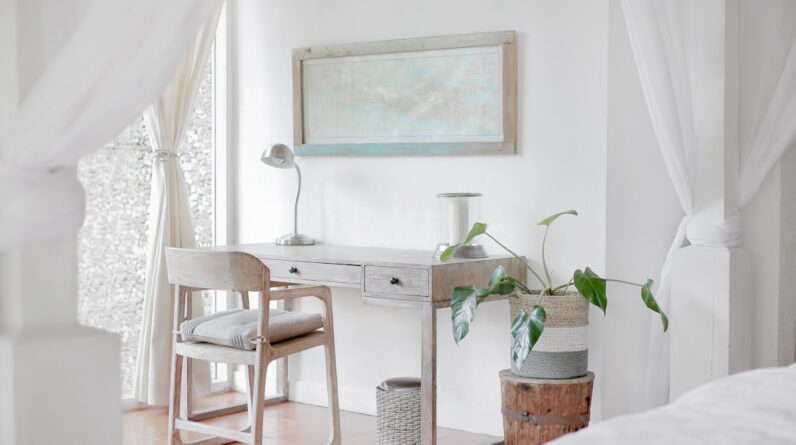
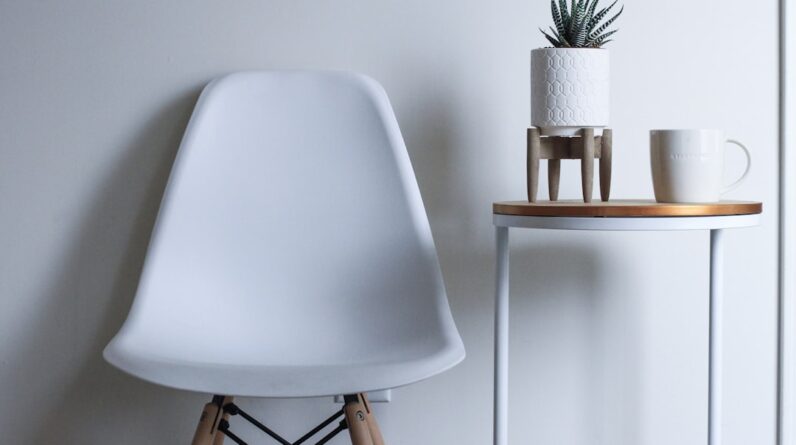
When you think of minimalist design, you might envision a space that feels both serene and uncluttered. This design philosophy emphasizes simplicity, focusing on the essentials while eliminating unnecessary elements. You are encouraged to embrace a lifestyle that prioritizes quality over quantity, allowing you to create an environment that fosters peace and clarity.
By stripping away the excess, minimalist design invites you to appreciate the beauty of each individual piece, whether it’s a carefully chosen piece of furniture or a work of art. In your own space, adopting a minimalist approach can lead to a more organized and harmonious living environment. You may find that by reducing visual clutter, you can enhance your mental clarity and overall well-being.
Minimalism is not just about aesthetics; it’s a mindset that encourages you to be intentional with your choices. Each item in your home should serve a purpose or bring you joy, creating a sanctuary that reflects your values and lifestyle. As you curate your surroundings, you’ll discover the profound impact that simplicity can have on your daily life.
Key Takeaways
- Minimalist design emphasizes simplicity and functionality
- Clean lines and geometric shapes create a modern and sleek aesthetic
- Neutral color palette promotes a sense of calm and cohesion
- High-quality materials add a sense of luxury and durability to the space
- Innovative lighting solutions enhance the ambiance and functionality of the design
Clean Lines and Geometric Shapes
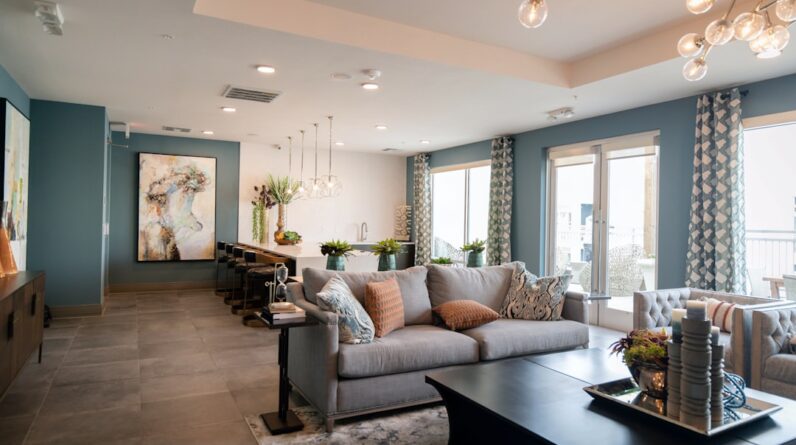
Clean lines and geometric shapes are hallmarks of minimalist design, providing a sense of order and structure to your space. When you incorporate these elements into your home, you create an environment that feels both modern and timeless. The use of straight lines and sharp angles can evoke a sense of sophistication, making even the simplest of spaces feel elegant.
You might consider furniture pieces that feature sleek silhouettes or architectural details that draw the eye without overwhelming the senses. In addition to their aesthetic appeal, clean lines and geometric shapes can also enhance functionality. For instance, a coffee table with a rectangular shape can fit seamlessly into your living room layout, while a round dining table encourages conversation and connection.
By choosing furniture and decor that emphasize these design principles, you can create a cohesive look that feels intentional and well thought out. As you explore different shapes and forms, you’ll find that they can transform your space into a harmonious blend of style and practicality.
Neutral Color Palette

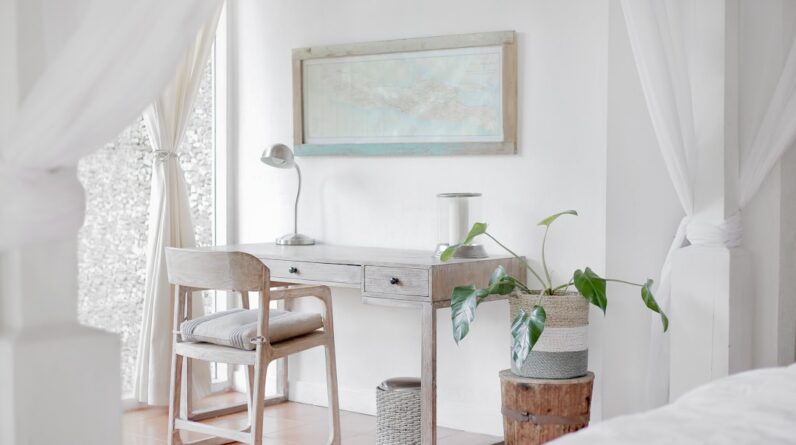
A neutral color palette is essential in minimalist design, as it creates a calming backdrop that allows other elements to shine. When you opt for soft whites, grays, beiges, and muted earth tones, you establish a sense of tranquility in your home. These colors not only promote relaxation but also provide versatility, allowing you to easily change up your decor without the need for a complete overhaul.
You may find that incorporating various shades of neutrals can add depth and dimension to your space while maintaining an overall cohesive look. In addition to their aesthetic benefits, neutral colors can also make your space feel larger and more open. If you live in a smaller home or apartment, using light hues on walls and furnishings can create an illusion of spaciousness.
You might consider adding texture through fabrics or materials in similar tones to keep the space from feeling flat or monotonous. By layering different neutral shades, you can achieve a sophisticated look that feels both inviting and stylish.
High-Quality Materials
Investing in high-quality materials is a cornerstone of minimalist design, as it emphasizes durability and craftsmanship over mass-produced items. When you choose furniture and decor made from premium materials such as solid wood, natural stone, or high-grade metals, you not only enhance the aesthetic appeal of your space but also ensure longevity. You may find that these materials develop character over time, adding to their charm and making them even more special as they age.
Incorporating high-quality materials into your home can also elevate your overall experience. For instance, a plush wool rug underfoot or a beautifully crafted wooden dining table can transform everyday moments into something extraordinary. As you curate your space with these materials in mind, you’ll discover the joy of surrounding yourself with items that not only look good but also feel good to use.
This focus on quality over quantity aligns perfectly with the minimalist ethos, allowing you to create a home that reflects your values and appreciation for craftsmanship.
Innovative Lighting
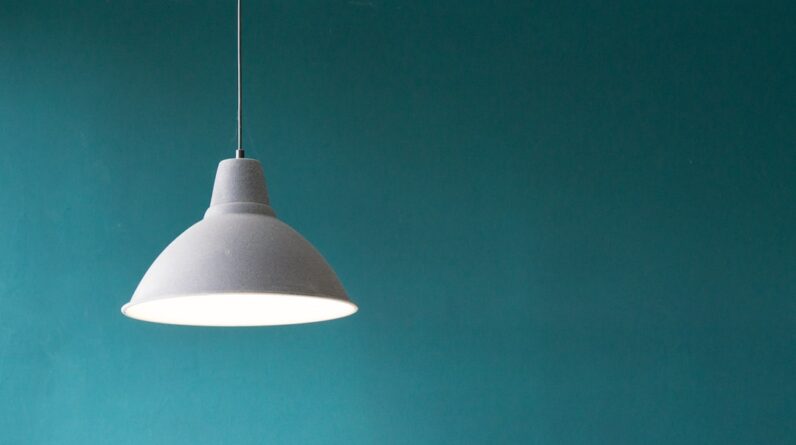
Lighting plays a crucial role in minimalist design, as it can dramatically influence the mood and functionality of your space. You are encouraged to explore innovative lighting solutions that not only illuminate but also serve as design statements in their own right. Consider pendant lights with sleek designs or floor lamps with geometric shapes that complement your overall aesthetic.
By selecting lighting fixtures that align with minimalist principles, you can enhance the beauty of your home while ensuring it remains functional. Natural light is another essential aspect of innovative lighting in minimalist design. You might consider maximizing windows or incorporating skylights to flood your space with sunlight during the day.
This connection to the outdoors not only brightens your home but also creates an inviting atmosphere that promotes well-being. As you experiment with different lighting options, remember that layering light sources—such as ambient, task, and accent lighting—can add depth and warmth to your minimalist environment.
Functional Storage Solutions

In a minimalist home, functional storage solutions are vital for maintaining an organized and clutter-free environment. You may find that incorporating built-in shelving or multi-functional furniture can help you maximize space while keeping essentials easily accessible. For instance, an ottoman with hidden storage can serve as both seating and a place to stow away blankets or books, allowing you to maintain a clean aesthetic without sacrificing practicality.
As you explore storage options, consider how they can blend seamlessly into your design scheme. Open shelving can display curated collections or decorative items while providing functional storage for everyday essentials. Alternatively, closed cabinetry can hide away items that may contribute to visual clutter.
By thoughtfully integrating storage solutions into your minimalist design, you’ll create a space that feels both organized and inviting.
Open and Airy Layout
An open and airy layout is fundamental to minimalist design, as it promotes flow and connectivity within your space. You might consider removing unnecessary walls or barriers to create a seamless transition between rooms. This approach not only enhances the sense of spaciousness but also encourages social interaction and collaboration among family members or guests.
An open layout allows natural light to travel freely throughout your home, further contributing to an inviting atmosphere. When designing an open layout, it’s essential to consider how each area functions together while maintaining distinct zones for different activities. You may find that using area rugs or furniture arrangements can help define spaces without creating visual clutter.
By thoughtfully planning your layout, you’ll create an environment that feels cohesive yet functional—perfect for both relaxation and entertaining.
Sustainable and Eco-Friendly Features
Incorporating sustainable and eco-friendly features into your minimalist design is not only beneficial for the environment but also aligns with the principles of intentional living. You might consider using reclaimed materials for furniture or decor, which adds character while reducing waste. Additionally, energy-efficient appliances and fixtures can help lower your carbon footprint while saving on utility bills over time.
As you explore eco-friendly options, think about how they can enhance the overall aesthetic of your home. For instance, incorporating indoor plants not only improves air quality but also adds a touch of nature to your space. You may find that choosing low-VOC paints or sustainable textiles contributes to a healthier living environment while maintaining the clean lines and neutral palette characteristic of minimalist design.
By prioritizing sustainability in your home, you create a space that reflects your values while promoting well-being for both yourself and the planet. In conclusion, embracing minimalist design allows you to create a home that is not only visually appealing but also functional and sustainable. By focusing on clean lines, neutral colors, high-quality materials, innovative lighting, functional storage solutions, open layouts, and eco-friendly features, you can cultivate an environment that fosters peace and clarity in your life.
As you embark on this journey toward minimalism, remember that each choice should reflect your personal style and values—creating a sanctuary that truly feels like home.
FAQs
What are the main design elements of a contemporary bathroom?
Contemporary bathrooms typically feature clean lines, minimalistic design, and a focus on functionality. Common design elements include sleek fixtures, neutral color palettes, and the use of natural materials such as wood and stone.
What are some popular fixture choices for contemporary bathrooms?
Popular fixture choices for contemporary bathrooms include wall-mounted sinks, freestanding bathtubs, frameless glass shower enclosures, and minimalist faucets and showerheads. These fixtures contribute to the clean and streamlined look of a contemporary bathroom.
How does lighting play a role in contemporary bathroom design?
Lighting is an important element in contemporary bathroom design, with an emphasis on natural light and the use of recessed lighting or pendant lights to create a warm and inviting atmosphere. LED lighting is also commonly used for its energy efficiency and sleek appearance.
What role do materials play in defining a contemporary bathroom?
Contemporary bathrooms often feature a mix of materials such as glass, metal, and natural stone. These materials are chosen for their clean and modern aesthetic, and are often used in combination with neutral color palettes to create a sense of calm and serenity in the space.
How does storage factor into contemporary bathroom design?
Storage is an important consideration in contemporary bathroom design, with a focus on built-in or floating vanities, wall-mounted shelving, and hidden storage solutions to maintain the clean and uncluttered look of the space. Storage solutions are often designed to blend seamlessly with the overall aesthetic of the bathroom.