What Are The Most Common Interior Design Styles?
When it comes to decorating your home, understanding the various interior design styles can empower you to create a living space that truly reflects your personality and lifestyle. Each design style possesses its unique characteristics, history, and emotional resonance. So, whether you’re planning a major renovation or simply looking to refresh your space, knowing the ins and outs of these styles can be incredibly helpful.
In this article, we’ll explore some of the most common interior design styles, illustrating what makes them tick and how you might incorporate them into your own home. From the warmth of traditional design to the sleek lines of modernism, let’s journey through these distinct aesthetics and see what resonates with you!

Traditional Interior Design
A Timeless Appeal
When you think of traditional interior design, you might picture a warm, cozy space that feels both welcoming and refined. This style often draws inspiration from the 18th and 19th centuries, featuring classic European decor elements that evoke a sense of history and collectability. Rich woods and elegant fabrics are common in traditional interiors, as well as ornate details such as crown molding, wainscoting, and coffered ceilings.
In a traditional home, you’ll also likely find a harmonious color palette filled with warm, muted tones. Furniture tends to favor classic shapes and styles, and it often resembles antiques or replicas. Layered textiles like satins, velvets, and brocades offer an added richness to the decor. If you’re someone who appreciates the idea of history and comfort, then traditional design might be your ideal style.
Elements of Traditional Design
To bring traditional design into your home, consider incorporating the following elements:
- Dark wood furniture that imparts character and warmth.
- Rich, textured fabrics that add layers of interest to your spaces.
- Antique or vintage accessories that tell a story or enhance the overall aesthetic.
The beauty of traditional design lies in its timelessness. By embracing classic principles, you create a space that feels both organized and inviting—a perfect backdrop for everyday gatherings or quiet evenings at home.
Modern Interior Design
Minimalism Meets Functionality
Modern interior design began in the early to mid-20th century with a focus on simplicity and functionality. Characterized by its minimalistic approach, modern design embraces clean lines, open spaces, and a neutral palette, often coupled with bold accent colors. It’s all about creating a serene environment where everything has a purpose.
The materials used in modern design typically include metal, glass, and natural fibers. Sleek, engineered furniture characterized by geometric shapes complements the overall aesthetic. If you’re drawn to a clutter-free lifestyle and the idea of design that feels fresh and uncluttered, modern design could be a fit for you.
Key Features of Modern Design
- The use of open floor plans that encourage airy, flowing spaces.
- A neutral color palette accented by pops of color for interest.
- Innovative furniture designed with clean lines that marry form and function.
Stepping into a modern space often feels like entering a gallery where simplicity reigns supreme. If your temperament leans towards balance and order, modern design may be precisely what your home needs.
Contemporary Interior Design
The Ever-Changing Style
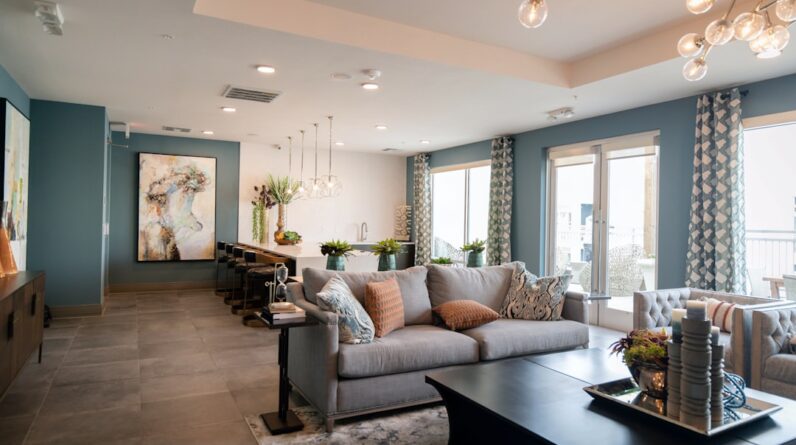
Unlike modern design, which has its roots in a specific historical period, contemporary design is fluid and constantly evolving, reflecting the tastes and technologies of the present moment. Contemporary design tends to incorporate elements from various other styles, often blending them in innovative ways. This makes it incredibly adaptable, allowing for personal touches and unique interpretations.
Contemporary design often features open spaces, light surfaces, and a neutral color palette, similar to modern design. However, it’s more eclectic, incorporating various textures, materials, and colors to create a vibrant living environment that feels reflective of current times.
Characteristics of Contemporary Design
To achieve a contemporary look in your home, consider these defining features:
- Mixing textures and materials, such as combinations of wood, glass, and metal.
- Incorporating statement pieces or bold patterns that act as focal points.
- Emphasizing open spaces that promote flow and connectivity.
If you’re someone who loves to keep up with trends and enjoys a bit of artistic flair, contemporary design might be the perfect match for you. It allows for individual expression while maintaining a sense of modern elegance.
Industrial Interior Design
The Raw Aesthetic
Inspired by converted warehouses and urban lofts, industrial interior design embraces the rugged beauty of materials like exposed brick, metal, and concrete. This style celebrates the raw and unfinished, often showcasing structural elements as integral parts of the decor. If you value a sense of authenticity and an unpolished look, industrial design could be right up your alley.
In industrial spaces, open floor plans are common, allowing for sweeping sightlines that create a unique, airy feel. Large windows, minimal furnishings, and the use of reclaimed materials further embody the charm of this aesthetic.
Features that Define Industrial Design
To inject a bit of industrial charm into your home, focus on the following aspects:
- Exposed brick walls and structural elements that highlight the space’s original character.
- Metal fixtures and furnishings that provide a sense of modern utility.
- Minimal decor that relies on function while maintaining an edgy vibe.
Embracing an industrial style creates a sense of individuality that’s both modern and nostalgic—a perfect balance for those who appreciate urban living.

Scandinavian Interior Design
Simple and Functional
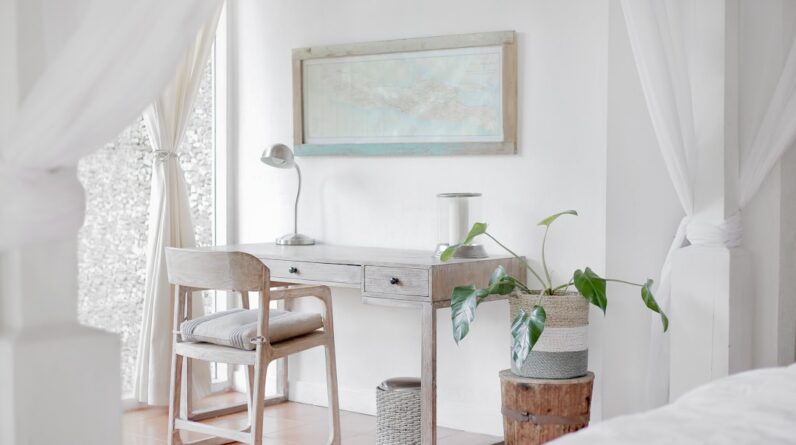
Originating from the Nordic countries, Scandinavian interior design prides itself on achieving beauty through simplicity, functionality, and minimalism. This style emphasizes an uncluttered aesthetic, relying on natural materials, light colors, and warm textures to create a cozy yet stylish atmosphere.
In a Scandinavian home, light is a precious commodity, often maximized through large windows and airy layouts. The use of wooden elements—especially blonde woods—creates warmth amidst the simplicity, promoting a connection with nature.
Characteristics that Highlight Scandinavian Design
To explore Scandinavian style within your own home, consider incorporating:
- Light wood flooring and neutral wall colors that promote a sense of space.
- Functional furniture pieces that are both beautiful and practical.
- Cozy textiles, such as throws and cushions, that add warmth and comfort.
Scandinavian design is all about creating a serene environment where aesthetics meet functionality. If you appreciate minimalism with a dash of warmth, this design style is likely to resonate with you.
Bohemian Interior Design
A World of Color and Patterns
If you have a free-spirited nature and love to express your individuality, Bohemian interior design might be the style for you. This aesthetic thrives on creativity and represents an eclectic mix of patterns, colors, and textures, often incorporating handcrafted elements and cultural artifacts from around the globe.
Bohemian spaces exude warmth and comfort, with an emphasis on layering. Think rich textiles, diverse patterns, and unique pieces that tell a story. The key here is an organic approach—style your space intuitively, allowing your personality to shine through.
Embracing Bohemian Elements
To create your own Bohemian oasis, you might consider:
- Layering rugs and textiles that showcase vibrant prints and textures.
- Incorporating an assortment of global decor pieces that hold personal meaning.
- Using plants to add a touch of nature and freshness to your space.
The beauty of Bohemian design lies in its ability to tell a story—yours. If you relish the idea of decorating without constraints, this style invites you to embrace a sense of adventure and creativity.
Mid-Century Modern Interior Design
A Retro Revival
Emerged in the design landscape during the mid-20th century, Mid-Century Modern interior design is characterized by clean lines, organic curves, and a harmonious blend of function and form. The style often emphasizes a seamless indoor-outdoor connection, with large windows and open spaces that make it feel light and airy.
Mid-century furniture exhibits a combination of natural and synthetic materials, creating unique iconic pieces that still resonate today. If you’re a design enthusiast who appreciates a touch of retro charm with a contemporary feel, this style deserves your attention.
Fundamentals of Mid-Century Modern Design
To bring the essence of mid-century modern into your home, focus on these elements:
- Sleek furniture with clean lines and organic shapes that maintain functionality.
- A palette that blends earthy tones with vibrant accent colors.
- Decor that emphasizes an indoor-outdoor connection.
With its nostalgic charm and elegant simplicity, Mid-Century Modern design offers a timeless space that balances aesthetics with practicality—perfect for those who appreciate the past while living in the present.
Farmhouse Interior Design
Rustic Charm Meets Cosiness
The farmhouse style evokes nostalgia for simpler times, rooted in rustic charm and a sense of comfort. This design style incorporates natural materials, reclaimed wood, vintage pieces, and a color palette reminiscent of nature’s hues. If you find joy in a cozy, welcoming atmosphere, the farmhouse aesthetic might feel like home.
Farmhouse interiors prioritize a casual style that mixes textures and finishes, encouraging a lived-in and effortless vibe. Your spaces can feel both warm and inviting, making it an ideal choice for family gatherings and relaxing evenings.
Elements to Consider in Farmhouse Design
To achieve a farmhouse look, contemplate these elements:
- Natural wooden finishes, such as barn doors or distressed furniture.
- A neutral color palette accented with pops of softer earth tones.
- Vintage accessories that tell a story and create points of interest.
The farmhouse style offers a nostalgic take on comfort, creating a cozy atmosphere that welcomes everyone. If you’re seeking a homely feel within your decor, this could be the perfect style for your space.
Eclectic Interior Design
A Beautiful Mix of Everything
If you’re the type of person who refuses to be labeled by a single style, then eclectic interior design is your playground. This approach doesn’t conform to just one aesthetic; rather, it celebrates a mix of different styles, textures, colors, and patterns that reflect your unique personality and tastes.
Eclectic spaces are expressive and adventurous, encouraging you to blend pieces from various eras, cultures, and styles. When done right, the result is a curated collection of your life experiences, interests, and inspirations.
Tips for Achieving an Eclectic Design
To create a cohesive yet diverse eclectic space, consider these pointers:
- Select a unifying color palette to keep your various pieces grounded.
- Mix and match textures and materials to create layered interest.
- Choose statement pieces that act as focal points within your design.
With eclectic design, there are no rules—only your creativity and personality. This style is perfect for those who thrive in variety, allowing you to showcase the many facets of your identity.
Conclusion
As you explore the most common interior design styles, keep in mind that these are merely tools to express your vision. Each style offers unique characteristics and elements, but your home should ultimately reflect who you are and what you love. Don’t shy away from mixing styles or incorporating your personal touches; design is all about creating a space that feels right for you.
If you found this article helpful, give it a clap, leave a comment to share your thoughts, and subscribe to my Medium newsletter for future updates. Happy designing!