When you embark on the journey of designing a space, the first step is to understand its purpose. This foundational understanding will guide your decisions and help you create an environment that meets your needs and reflects your lifestyle. Are you designing a cozy reading nook, a vibrant workspace, or a serene meditation area?
Each purpose demands a different approach, and recognizing this will set the tone for your entire project. Take a moment to reflect on how you intend to use the space. Consider the activities that will take place there and the feelings you want to evoke.
Once you have a clear vision of the space’s purpose, you can begin to think about how to enhance that experience. For instance, if your goal is to create a relaxing retreat, you might prioritize soft textures and calming colors. Conversely, if you’re designing a lively gathering area, you may want to focus on open layouts and vibrant decor.
Understanding the purpose of your space not only informs your design choices but also helps you create an environment that feels cohesive and intentional. This clarity will ultimately lead to a more satisfying and functional space that resonates with you and those who share it.
Key Takeaways
- Understanding the purpose of the space is essential for creating a functional and inviting environment.
- Choosing the right furniture and decor can set the tone for the entire space and enhance its functionality.
- Creating a comfortable seating area is crucial for promoting relaxation and social interaction.
- Incorporating natural elements can bring a sense of tranquility and connection to the outdoors.
- Adding lighting for ambiance can create a warm and inviting atmosphere for the space.
Choosing the Right Furniture and Decor
Selecting the right furniture and decor is crucial in shaping the overall aesthetic and functionality of your space. You want pieces that not only fit your style but also serve the intended purpose of the area. Start by considering the scale of your furniture in relation to the size of the room.
Oversized furniture can overwhelm a small space, while tiny pieces may get lost in a larger area. Aim for a balance that allows for movement and flow while still providing comfort and utility. In addition to size, think about the materials and styles that resonate with you.
Do you prefer modern minimalism, rustic charm, or perhaps a blend of both? Your choices should reflect your personality and lifestyle. For example, if you have children or pets, durable fabrics and easy-to-clean surfaces may be essential.
On the other hand, if you’re creating a sophisticated adult space, you might opt for elegant finishes and refined details. Remember that decor is not just about aesthetics; it also plays a role in how you feel in the space. Choose items that inspire joy and comfort, whether it’s a piece of art that speaks to you or decorative accents that add character.
Creating a Comfortable Seating Area

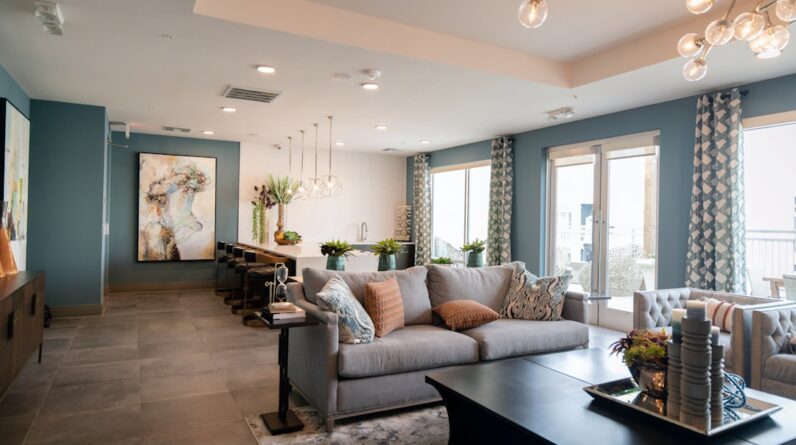
A comfortable seating area is often the heart of any space, serving as a gathering point for relaxation, conversation, or work. When designing this area, prioritize comfort alongside style. Start by selecting seating options that invite people to sit down and stay awhile.
Sofas with plush cushions, armchairs with supportive backs, or even floor cushions can create an inviting atmosphere. Consider how many people you typically host and choose seating that accommodates your needs without overcrowding the space. In addition to comfort, think about the arrangement of your seating area.
A well-planned layout encourages interaction and makes the space feel welcoming. You might position chairs around a coffee table for casual conversations or create an intimate nook with a loveseat and side table for quiet moments. Don’t forget about adding throw pillows and blankets to enhance coziness; these elements not only provide comfort but also add layers of texture and color to your design.
Ultimately, your seating area should be a place where you feel at ease, whether you’re entertaining guests or enjoying a quiet evening alone.
Incorporating Natural Elements
Bringing natural elements into your space can significantly enhance its ambiance and overall appeal. Nature has a calming effect on our minds and bodies, making it an excellent addition to any design scheme. Start by considering how you can incorporate plants into your space.
Indoor plants not only purify the air but also add vibrant colors and textures that can enliven any room. Choose low-maintenance varieties if you’re new to plant care or opt for larger statement plants to create focal points. In addition to greenery, think about using natural materials in your decor and furniture choices.
Wood, stone, and textiles made from organic fibers can create a warm and inviting atmosphere. For instance, a reclaimed wood coffee table or a jute rug can add rustic charm while connecting your space to nature. You might also consider incorporating natural light through windows or skylights, as sunlight can transform a room’s mood and make it feel more expansive.
By blending these elements into your design, you’ll create a harmonious environment that feels both refreshing and grounded.
Adding Lighting for Ambiance
Lighting plays a pivotal role in setting the mood of any space, influencing how you feel and interact within it. To create an inviting atmosphere, consider layering different types of lighting: ambient, task, and accent lighting all serve unique purposes. Ambient lighting provides overall illumination, while task lighting focuses on specific areas where activities take place—like reading or cooking.
Accent lighting highlights particular features or decor items, adding depth and interest to your design. When selecting light fixtures, think about their style and how they complement your overall aesthetic. A statement chandelier can serve as a stunning focal point in a dining room, while sleek pendant lights may be perfect for a modern kitchen.
Additionally, consider incorporating dimmers to give you control over the brightness levels throughout the day. This flexibility allows you to create different moods depending on the time or occasion—bright light for productivity during the day and softer tones for relaxation in the evening. By thoughtfully integrating lighting into your design, you’ll enhance both functionality and ambiance.
Selecting the Right Color Palette

The color palette you choose can dramatically influence the atmosphere of your space. Colors evoke emotions and set the tone for how you experience an environment; therefore, it’s essential to select hues that align with your vision for the area. Start by considering the mood you want to create—soft pastels can evoke tranquility, while bold colors may energize and inspire creativity.
Once you’ve identified your desired mood, think about how different colors work together. You might choose a monochromatic scheme for a sophisticated look or opt for complementary colors to create visual interest. Don’t forget about neutrals; they can serve as a backdrop that allows other colors to shine while providing balance within the design.
As you experiment with various shades, consider how natural light interacts with them throughout the day; colors can appear different depending on lighting conditions. Ultimately, selecting the right color palette will help you craft an environment that feels cohesive and reflective of your personal style.
Incorporating Functional and Stylish Storage Solutions
In any well-designed space, storage is key to maintaining organization while enhancing aesthetics. As you plan your layout, think about how you can incorporate functional storage solutions that blend seamlessly with your decor. Built-in shelves or cabinets can provide ample storage without taking up too much floor space, while decorative baskets or boxes can offer stylish options for stowing away items.
Consider multi-functional furniture pieces as well; ottomans with hidden storage or coffee tables with drawers can help keep clutter at bay while serving their primary purpose. When selecting storage solutions, aim for designs that complement your overall style—whether it’s sleek modern lines or rustic charm—so they enhance rather than detract from your decor. By thoughtfully integrating storage into your design, you’ll create an organized environment that feels both functional and visually appealing.
Incorporating Personal Touches and Accessories
Finally, personal touches are what truly make a space feel like home. Accessories such as artwork, photographs, or souvenirs from travels can infuse character into your design while reflecting your unique story. As you curate these items, think about how they contribute to the overall aesthetic of the room; choose pieces that resonate with you emotionally while also complementing your color palette and style.
Don’t shy away from mixing different textures and materials in your accessories; this adds depth and interest to your design. Layering textiles like throw pillows or blankets can create warmth, while incorporating metallic accents can introduce a touch of glamour. Remember that less is often more; select a few meaningful pieces rather than overcrowding surfaces with decor.
By thoughtfully incorporating personal touches into your space, you’ll create an environment that feels authentic and inviting—a true reflection of who you are. In conclusion, designing a space is an exciting opportunity to express yourself while creating an environment that meets your needs. By understanding its purpose, choosing appropriate furniture and decor, creating comfortable seating areas, incorporating natural elements, adding lighting for ambiance, selecting the right color palette, integrating functional storage solutions, and including personal touches, you’ll craft a space that is not only beautiful but also deeply meaningful to you.
Embrace this creative journey as you transform your vision into reality!
FAQs
What are the key principles of designing a cozy and inviting outdoor living space or patio?
The key principles of designing a cozy and inviting outdoor living space or patio include creating a comfortable seating area, incorporating natural elements, adding lighting for ambiance, and utilizing soft textures and colors.
How can comfortable seating contribute to a cozy outdoor living space?
Comfortable seating, such as plush cushions and cozy outdoor furniture, can contribute to a cozy outdoor living space by providing a relaxing and inviting atmosphere for lounging and entertaining.
Why is it important to incorporate natural elements into outdoor living space design?
Incorporating natural elements, such as plants, flowers, and natural materials like wood and stone, can help create a sense of tranquility and connection to the outdoors, enhancing the overall coziness and inviting feel of the space.
How can lighting be used to create a cozy and inviting outdoor living space?
Lighting, such as string lights, lanterns, and candles, can be used to create a warm and inviting ambiance in an outdoor living space, making it feel cozy and welcoming, especially in the evening.
What role do soft textures and colors play in designing a cozy outdoor living space?
Soft textures, such as throw blankets and plush rugs, and warm, inviting colors can help create a comfortable and cozy atmosphere in an outdoor living space, making it feel more inviting and relaxing.