As you embark on the journey toward a more sustainable lifestyle, it’s essential to grasp the concept of energy efficiency and its role in green living. Energy efficiency refers to using less energy to provide the same service or achieve the same outcome. This principle is not just about reducing energy consumption; it’s about making smarter choices that benefit both your wallet and the environment.
By understanding how energy flows through your home and how your daily habits impact energy use, you can make informed decisions that contribute to a greener planet. Green living encompasses a broader philosophy that prioritizes sustainability in all aspects of life. It involves adopting practices that minimize your ecological footprint, such as reducing waste, conserving resources, and supporting renewable energy sources.
By integrating energy-efficient practices into your daily routine, you not only contribute to environmental preservation but also enhance your quality of life. The choices you make today can lead to a healthier planet for future generations, making it imperative to understand the interconnectedness of energy efficiency and green living.
Key Takeaways
- Energy efficiency and green living go hand in hand, and understanding the principles behind them is crucial for sustainable living.
- Maximizing natural light and ventilation can reduce the need for artificial lighting and air conditioning, leading to energy savings.
- Choosing sustainable and eco-friendly materials for construction and furnishing can significantly reduce the environmental impact of a building.
- Incorporating energy-efficient appliances and systems, such as LED lighting and smart thermostats, can further enhance the overall energy efficiency of a space.
- Designing for passive solar heating and cooling can optimize the use of natural energy sources for maintaining comfortable indoor temperatures.
Maximizing Natural Light and Ventilation
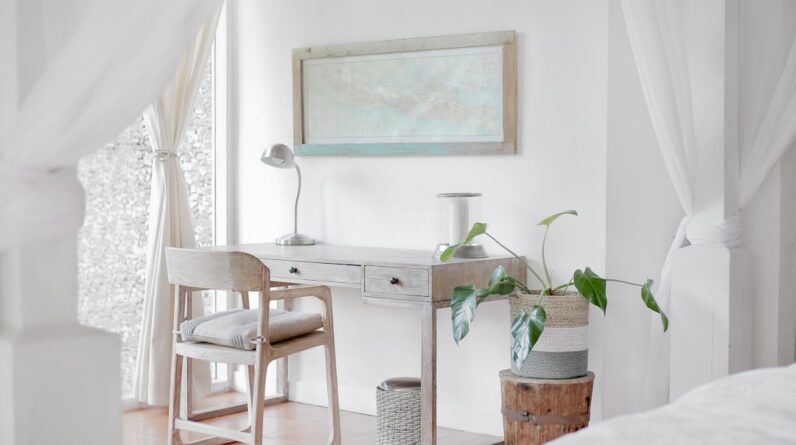
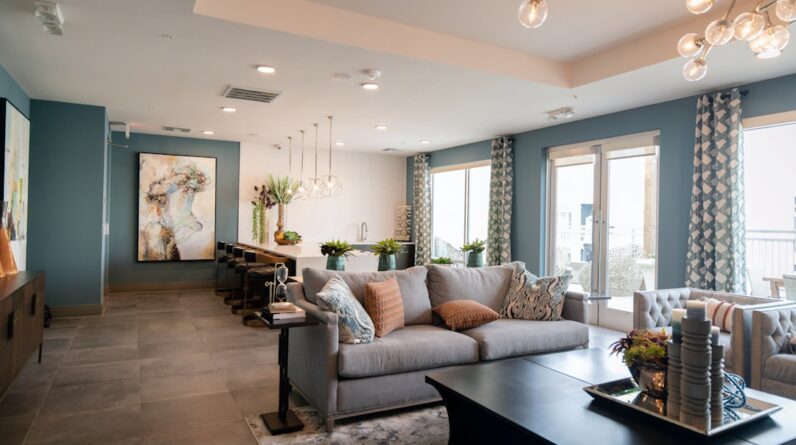
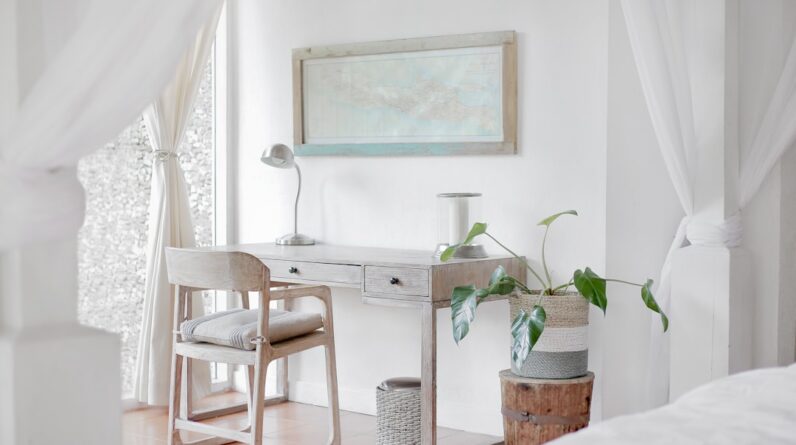
One of the simplest yet most effective ways to enhance energy efficiency in your home is by maximizing natural light and ventilation. Natural light not only reduces the need for artificial lighting but also creates a warm and inviting atmosphere. You can achieve this by strategically placing windows, skylights, and glass doors to allow sunlight to flood your living spaces.
Consider using light-colored walls and reflective surfaces to amplify the brightness within your home, creating an uplifting environment that reduces reliance on electric lighting. Ventilation is equally important in maintaining a comfortable indoor climate. Proper airflow helps regulate temperature and humidity levels, reducing the need for air conditioning or heating.
You can enhance ventilation by incorporating operable windows, ceiling fans, and vents that promote cross-breezes. Additionally, consider using natural ventilation techniques, such as stack ventilation, where warm air rises and escapes through higher openings while cooler air enters from lower openings. By embracing these strategies, you can create a home that feels fresh and airy while minimizing energy consumption.
Choosing Sustainable and Eco-Friendly Materials

When it comes to building or renovating your home, the materials you choose play a crucial role in promoting sustainability. Opting for sustainable and eco-friendly materials not only reduces environmental impact but also enhances the overall health of your living space. Look for materials that are sourced responsibly, such as reclaimed wood, bamboo, or recycled metal.
These options not only minimize waste but also add unique character to your home. In addition to sourcing materials sustainably, consider their lifecycle impact. Choose products that are durable and require minimal maintenance, reducing the need for replacements over time.
Low-VOC (volatile organic compounds) paints and finishes are also essential for maintaining indoor air quality. By selecting eco-friendly materials, you contribute to a healthier environment while creating a beautiful and functional space that reflects your commitment to sustainability.
Incorporating Energy-Efficient Appliances and Systems
Incorporating energy-efficient appliances and systems into your home is a significant step toward reducing energy consumption. When shopping for appliances, look for those with the ENERGY STAR label, which indicates they meet strict efficiency guidelines set by the U.S. Environmental Protection Agency. These appliances use less energy while providing the same level of performance as their conventional counterparts, leading to substantial savings on your utility bills. Beyond appliances, consider investing in energy-efficient systems such as heating, ventilation, and air conditioning (HVAC) units. Modern HVAC systems are designed to optimize energy use while maintaining comfort levels in your home. Additionally, smart home technology can help you monitor and control energy consumption more effectively. By integrating these systems into your home, you not only enhance convenience but also contribute to a more sustainable lifestyle.
Designing for Passive Solar Heating and Cooling
Designing your home with passive solar heating and cooling in mind can significantly reduce your reliance on mechanical systems for temperature control. Passive solar design involves strategically placing windows, overhangs, and thermal mass materials to harness the sun’s energy for heating in winter while minimizing heat gain in summer. For instance, south-facing windows can capture sunlight during colder months, while eaves or awnings can block direct sunlight during warmer months.
Incorporating thermal mass materials like concrete or stone can help regulate indoor temperatures by absorbing heat during the day and releasing it at night. This natural approach not only enhances comfort but also reduces energy costs associated with heating and cooling. By embracing passive solar design principles, you create a home that works harmoniously with nature, providing a comfortable living environment year-round while minimizing environmental impact.
Implementing Water Conservation Strategies
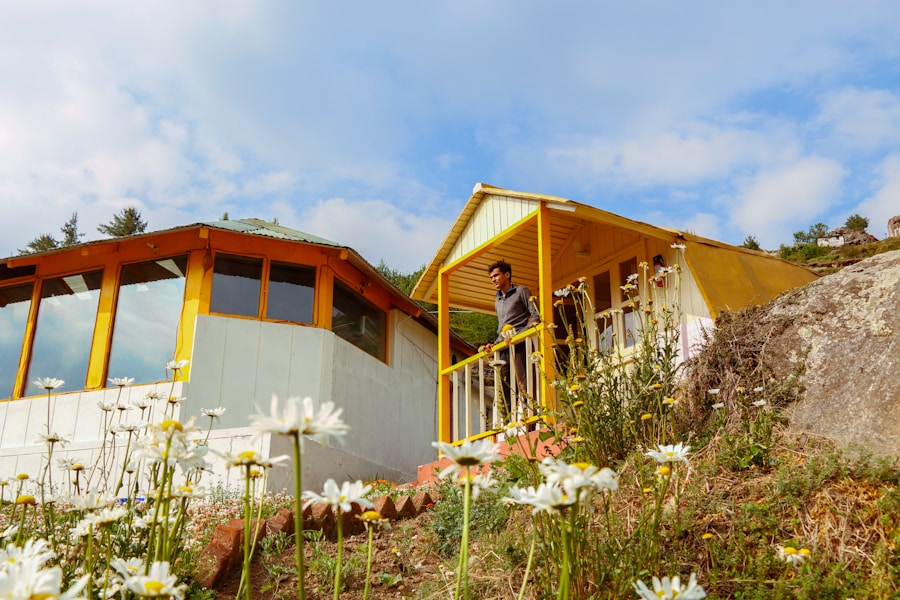
Water conservation is an essential aspect of sustainable living that often goes overlooked. Implementing effective water conservation strategies in your home can significantly reduce water waste while promoting responsible resource management. Start by installing low-flow fixtures in bathrooms and kitchens, such as faucets, showerheads, and toilets designed to use less water without sacrificing performance.
Rainwater harvesting is another excellent strategy for conserving water. By collecting rainwater from your roof and directing it into storage tanks, you can use this resource for irrigation or even indoor use with proper filtration systems. Additionally, consider xeriscaping your garden with drought-resistant plants that require minimal watering.
By adopting these water conservation practices, you contribute to preserving this precious resource while creating a more sustainable home environment.
Creating Indoor-Outdoor Connections
Creating seamless connections between indoor and outdoor spaces enhances both aesthetic appeal and functionality while promoting a sustainable lifestyle. Large windows, sliding glass doors, or bi-fold doors can blur the lines between your living area and the outdoors, allowing natural light to flood your home while providing easy access to outdoor spaces. This connection encourages outdoor living and can reduce the need for artificial lighting during the day.
Incorporating outdoor elements into your design can also improve air quality and enhance your overall well-being. Consider adding indoor plants or vertical gardens that not only beautify your space but also purify the air. Outdoor living areas equipped with seating, gardens, or even edible landscapes encourage you to spend more time outside, fostering a deeper connection with nature while promoting relaxation and mindfulness.
Embracing Minimalism and Functional Design
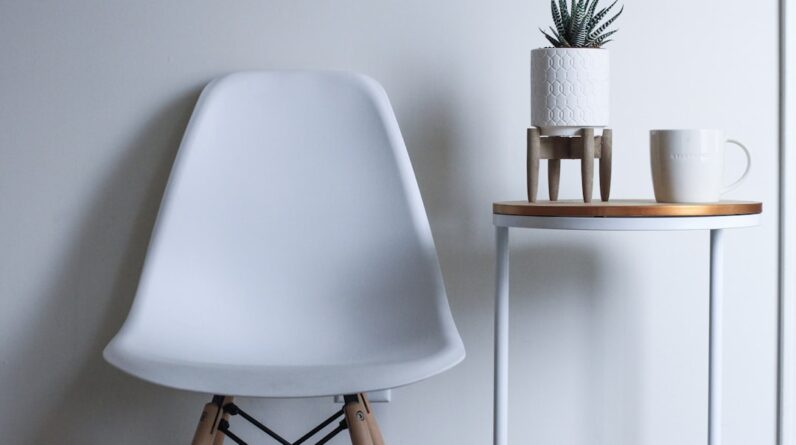
Embracing minimalism and functional design is a powerful way to create a sustainable living space that prioritizes simplicity and efficiency. Minimalism encourages you to declutter your home by keeping only what is necessary and meaningful. This approach not only reduces waste but also creates a serene environment that promotes mental clarity and well-being.
Functional design focuses on creating spaces that serve multiple purposes while maximizing usability. Consider furniture that can be easily reconfigured or storage solutions that blend seamlessly into your decor. By prioritizing functionality over excess, you create a home that is both aesthetically pleasing and practical.
This mindset fosters a deeper appreciation for quality over quantity, encouraging you to invest in durable items that will stand the test of time. In conclusion, adopting energy-efficient practices and embracing green living principles can significantly impact both your lifestyle and the environment. By understanding the importance of natural light, sustainable materials, energy-efficient appliances, passive design strategies, water conservation methods, indoor-outdoor connections, and minimalism, you can create a harmonious living space that reflects your commitment to sustainability.
Each choice you make contributes to a healthier planet while enhancing your quality of life—making every effort worthwhile in the pursuit of a greener future.
FAQs
What are the principles of designing a home with a focus on energy efficiency and green living?
The principles of designing a home with a focus on energy efficiency and green living include using sustainable materials, maximizing natural light, incorporating energy-efficient appliances, and implementing proper insulation and ventilation.
How can sustainable materials be used in home design for energy efficiency and green living?
Sustainable materials such as bamboo, reclaimed wood, and recycled glass can be used in home design to reduce environmental impact and promote energy efficiency. These materials are often sourced responsibly and have a lower carbon footprint compared to traditional building materials.
Why is maximizing natural light important in energy-efficient home design?
Maximizing natural light in home design reduces the need for artificial lighting, which in turn reduces energy consumption. It also helps to create a more comfortable and inviting living space.
What role do energy-efficient appliances play in designing an energy-efficient home?
Energy-efficient appliances consume less energy, resulting in lower utility bills and reduced environmental impact. When designing a home with a focus on energy efficiency, it is important to select appliances with high Energy Star ratings.
How does proper insulation and ventilation contribute to energy efficiency and green living in home design?
Proper insulation helps to maintain a consistent indoor temperature, reducing the need for heating and cooling. Good ventilation ensures a healthy indoor environment and reduces the reliance on mechanical ventilation systems, thus saving energy.