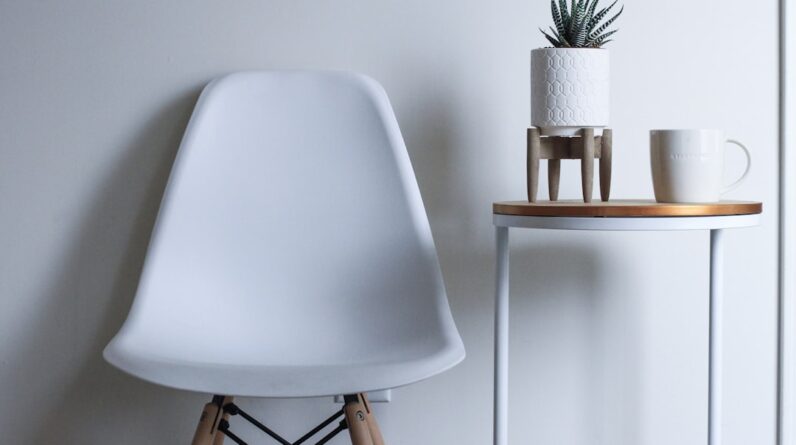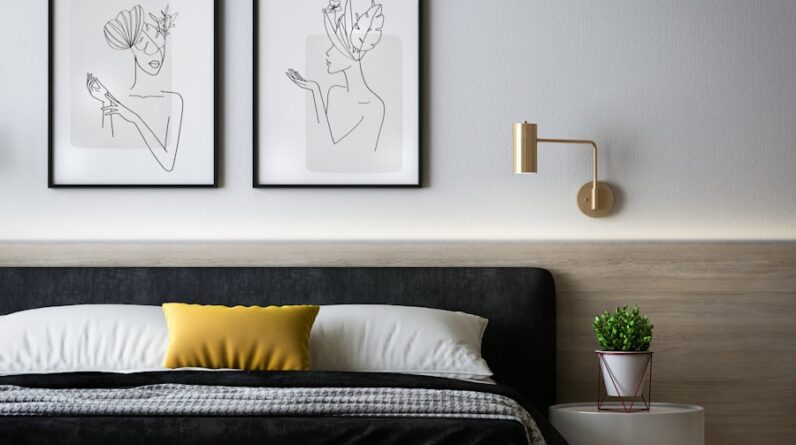
In a world that often feels cluttered and overwhelming, minimalist interior design offers a refreshing escape. This design philosophy emphasizes simplicity, functionality, and a sense of calm, allowing you to create spaces that are not only aesthetically pleasing but also conducive to a more peaceful lifestyle. As you delve into the principles of minimalist design, you may find that it resonates with your desire for clarity and order in your living environment.
By stripping away the unnecessary, you can focus on what truly matters, transforming your home into a sanctuary of tranquility. Minimalism is not merely about reducing the number of items in your space; it’s a lifestyle choice that encourages mindfulness and intentionality. When you embrace minimalist interior design, you are making a statement about your values and priorities.
You are choosing to surround yourself with only those things that bring you joy or serve a purpose. This approach can lead to a more organized and serene home, where each element has its place and significance. As you explore the key principles of minimalist design, you will discover how to cultivate an environment that reflects your personal style while promoting a sense of peace and well-being.
Key Takeaways
- Minimalist interior design focuses on simplicity, functionality, and clean lines to create a serene and uncluttered space.
- Key principles of minimalist interior design include prioritizing quality over quantity, embracing negative space, and using a neutral color palette.
- Decluttering and simplifying your space is essential in minimalist interior design, as it helps create a sense of calm and order.
- Choosing neutral and monochromatic color schemes, such as whites, grays, and earth tones, can help create a cohesive and harmonious look in minimalist design.
- Utilizing functional and streamlined furniture with clean and simple designs is important in achieving a minimalist interior, as it helps maintain a sense of openness and simplicity in the space.
Key Principles of Minimalist Interior Design
At the heart of minimalist interior design lies a set of guiding principles that can help you create a harmonious living space. One of the most fundamental tenets is the idea of “less is more.” This principle encourages you to focus on quality over quantity, selecting fewer items that are well-crafted and meaningful rather than filling your space with an abundance of decor. By prioritizing essential pieces, you can create a cohesive look that feels intentional and curated.
Another key principle is functionality. In minimalist design, every item should serve a purpose or contribute to the overall aesthetic of the space. This means choosing furniture and decor that not only looks good but also enhances your daily life.
For instance, opting for multi-functional furniture can help you maximize your space while maintaining a clean and uncluttered appearance. By adhering to these principles, you can create an environment that is both beautiful and practical, allowing you to enjoy the benefits of minimalist living.
Decluttering and Simplifying Your Space
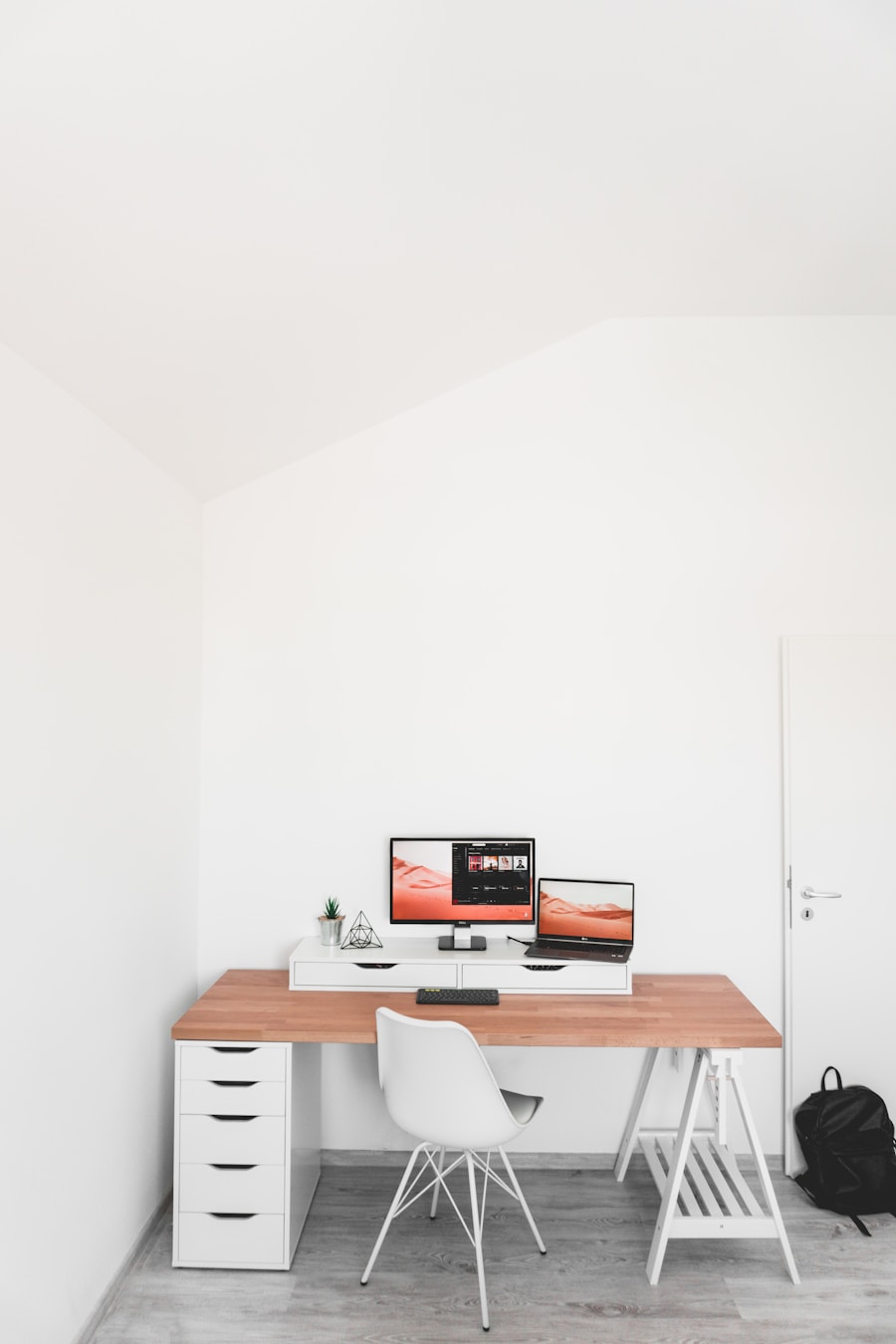
Decluttering is an essential step in achieving a minimalist interior design. It involves evaluating your belongings and making conscious decisions about what to keep, donate, or discard. As you embark on this journey, it’s important to approach the process with an open mind and a willingness to let go of items that no longer serve you.
Start by tackling one room at a time, assessing each item’s value in terms of utility and emotional significance. This methodical approach will help you avoid feeling overwhelmed and allow you to make thoughtful choices about your possessions. Once you’ve decluttered your space, simplifying it further becomes easier.
Consider adopting a “one in, one out” policy for new items entering your home. This practice encourages you to be mindful of your purchases and helps maintain the balance you’ve achieved through decluttering. Additionally, think about how you can simplify your daily routines by organizing frequently used items in easily accessible locations.
By creating a streamlined environment, you’ll find that your space feels more open and inviting, allowing for greater ease in both movement and mental clarity.
Choosing Neutral and Monochromatic Color Schemes
Color plays a significant role in minimalist interior design, with neutral and monochromatic palettes being particularly effective in creating a serene atmosphere. When selecting colors for your space, consider shades such as whites, grays, beiges, and soft earth tones. These hues not only promote a sense of calm but also provide a versatile backdrop for your furnishings and decor.
By using a limited color palette, you can create a cohesive look that feels both sophisticated and inviting. Incorporating monochromatic schemes can further enhance the minimalist aesthetic. This approach involves using varying shades of a single color throughout your space, which can create depth and interest without overwhelming the senses.
For example, layering different tones of gray can add dimension while maintaining a clean and uncluttered appearance. As you experiment with color in your minimalist design, remember that the goal is to create an environment that feels harmonious and balanced, allowing for moments of tranquility amidst the busyness of life.
Utilizing Functional and Streamlined Furniture
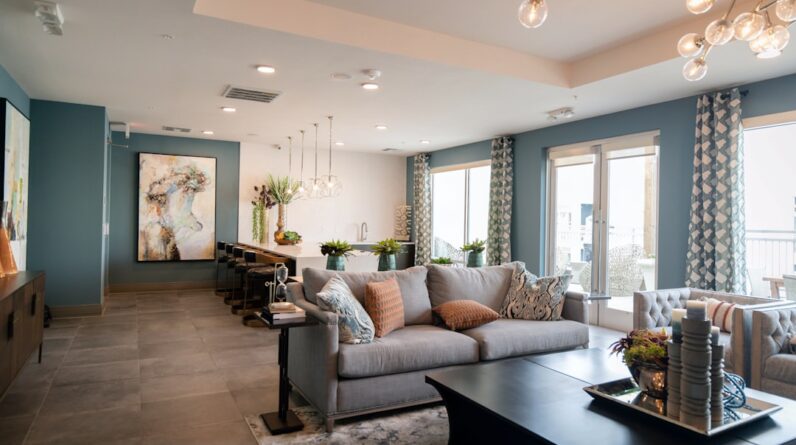
When it comes to furnishing your minimalist space, functionality should be at the forefront of your choices. Opt for furniture pieces that are not only stylish but also serve multiple purposes. For instance, consider investing in a coffee table with built-in storage or a sofa bed for accommodating guests.
These types of furniture allow you to maximize your space while keeping it organized and clutter-free. Streamlined furniture designs are also essential in achieving a minimalist look. Look for pieces with clean lines and simple silhouettes that don’t overwhelm the space.
Avoid overly ornate or bulky items that can create visual clutter. Instead, choose furniture that complements the overall aesthetic of your home while providing comfort and practicality. By carefully selecting functional and streamlined pieces, you can create an inviting atmosphere that embodies the essence of minimalist interior design.
Incorporating Natural Light and Open Spaces
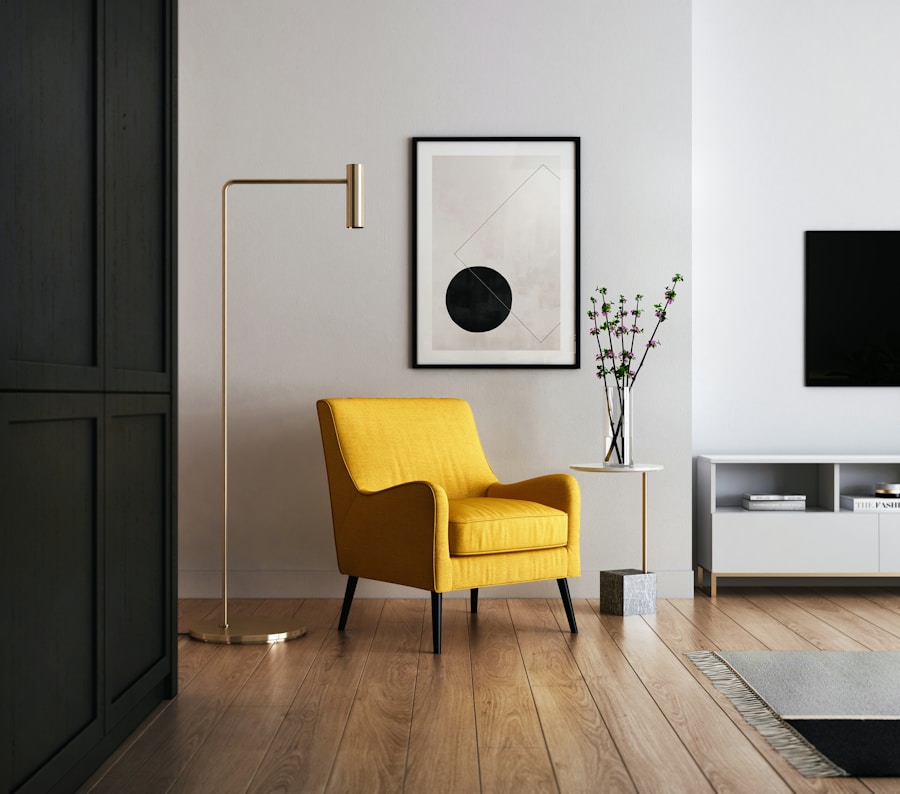
Maximizing Natural Light
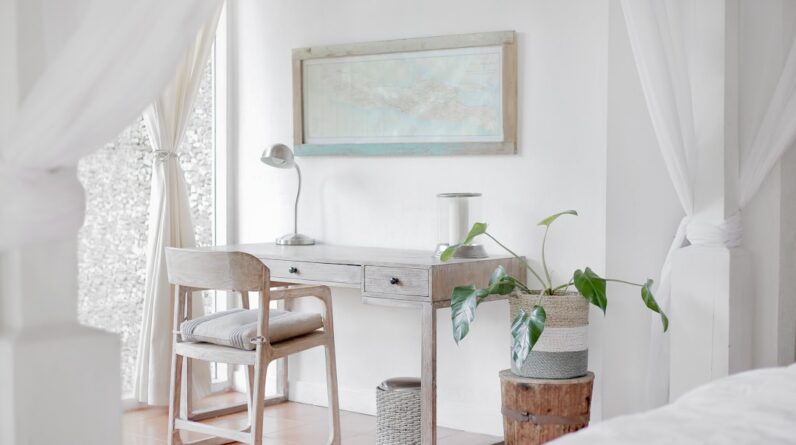
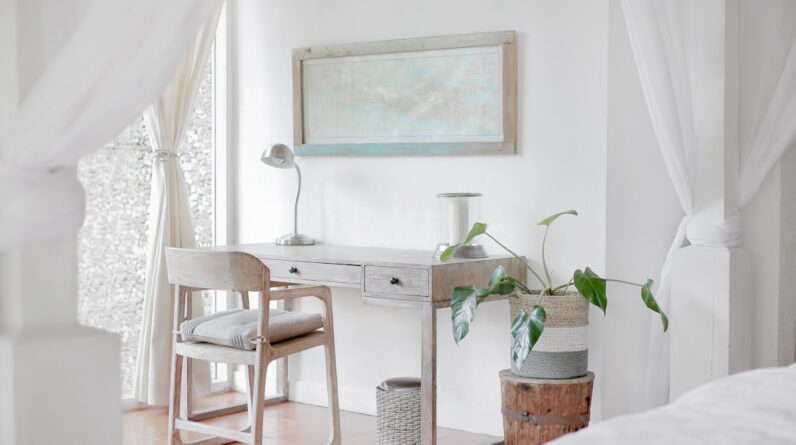
To maximize natural light, consider using sheer window treatments or opting for large windows that allow sunlight to flood your space. This not only brightens up the room but also creates an airy feel that aligns perfectly with minimalist principles.
Creating Open Spaces
In addition to harnessing natural light, creating open spaces is crucial for achieving a minimalist aesthetic. Avoid overcrowding rooms with excessive furniture or decor; instead, aim for an open layout that promotes flow and movement. This can be accomplished by arranging furniture in a way that encourages conversation while leaving ample space for navigation.
Achieving a Sense of Expansiveness
By prioritizing natural light and open spaces, you’ll cultivate an environment that feels expansive and inviting, allowing for moments of reflection and relaxation.
Embracing Minimalist Decor and Artwork
While minimalism emphasizes simplicity, it doesn’t mean your space has to feel bare or devoid of personality. Embracing minimalist decor and artwork can add character to your home while still adhering to the principles of minimalism. When selecting decor items, choose pieces that resonate with you personally or evoke positive emotions.
This could be a single statement piece or a carefully curated collection that reflects your interests. Artwork plays a significant role in enhancing the ambiance of your minimalist space. Opt for large-scale pieces with bold colors or simple designs that draw attention without overwhelming the room.
A single striking artwork can serve as a focal point while maintaining the overall simplicity of the design. Remember that less is often more; by choosing decor thoughtfully, you can create an environment that feels both personal and serene.
Tips for Achieving Minimalist Interior Design in Your Space
Achieving minimalist interior design in your home requires intention and commitment, but it can be incredibly rewarding. Start by setting clear goals for what you want to achieve in each room. Visualize how you want the space to feel—whether it’s calming, inviting, or energizing—and use this vision as your guiding principle throughout the design process.
Another helpful tip is to regularly reassess your belongings and living spaces. As life changes, so do our needs and preferences; what once served a purpose may no longer fit into your vision of minimalism. Make it a habit to periodically evaluate your possessions and declutter as necessary to maintain the simplicity you’ve worked hard to achieve.
Lastly, don’t hesitate to seek inspiration from various sources—be it design magazines, online platforms like Pinterest or Instagram, or even visiting local galleries or homes that embody minimalist principles. Surrounding yourself with inspiration can spark creativity and motivate you on your journey toward creating a beautifully minimalist interior design that reflects who you are while promoting peace and clarity in your life.
FAQs
What are the principles of minimalist interior design?
The principles of minimalist interior design include simplicity, functionality, and a focus on clean lines and uncluttered spaces. Minimalist design also emphasizes the use of neutral colors, natural materials, and a sense of openness and airiness.
How can I achieve minimalist interior design in my space?
To achieve minimalist interior design in your space, start by decluttering and removing unnecessary items. Choose furniture and decor with simple, clean lines and opt for a neutral color palette. Use natural materials such as wood, stone, and metal, and focus on creating a sense of openness and simplicity in the space.
What are some key elements of minimalist interior design?
Key elements of minimalist interior design include open spaces, simple and functional furniture, a neutral color palette, natural light, and a focus on the use of natural materials. Minimalist design also emphasizes the importance of negative space and the removal of unnecessary clutter.
Is minimalist interior design suitable for all types of spaces?
Minimalist interior design can be suitable for a wide range of spaces, including homes, offices, and commercial settings. However, it may require some adaptation to fit the specific needs and functions of each space. With careful planning and attention to detail, minimalist design can be applied effectively in various environments.