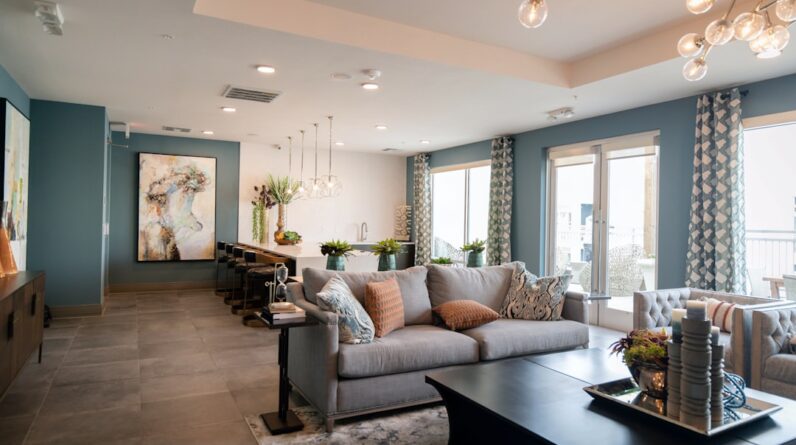
Universal Design is a concept that transcends mere accessibility; it embodies the philosophy of creating environments, products, and services that are usable by all people, regardless of their age, ability, or status. As you navigate through your daily life, you may not always notice the subtle ways in which design impacts your experience. However, when you encounter spaces or products that are thoughtfully designed with inclusivity in mind, you can appreciate the ease and comfort they provide.
The principles of Universal Design aim to eliminate barriers and foster an environment where everyone can thrive, enhancing the quality of life for all individuals. The importance of Universal Design cannot be overstated. In a world that is increasingly diverse, the need for inclusive design becomes more pressing.
You may find yourself in situations where traditional design falls short, whether it’s struggling to access a building due to stairs or feeling overwhelmed by complex interfaces on digital platforms. By embracing Universal Design, we can create solutions that cater to a wider audience, ensuring that no one is left behind. This approach not only benefits individuals with disabilities but also enhances usability for the elderly, children, and even those without any specific needs.
Key Takeaways
- Universal Design aims to create products and environments that are accessible and usable by people of all abilities.
- Flexibility in use allows for a variety of methods to be used for interaction and accommodates a wide range of individual preferences and abilities.
- Simple and intuitive use ensures that the design is easy to understand, regardless of the user’s experience, knowledge, language skills, or current concentration level.
- Perceptible information ensures that important information is communicated effectively to all users, regardless of sensory abilities.
- Tolerance for error allows for the design to minimize hazards and the adverse consequences of accidental or unintended actions.
Flexibility in Use
Flexibility in Physical Spaces
A kitchen designed with adjustable countertops and appliances that can be used from a seated or standing position is a great example of flexibility in use. This design not only caters to individuals with mobility challenges but also provides convenience for anyone who may prefer different working heights.
Flexibility in Technology
Flexibility in use also extends to the way we interact with technology. Software applications that offer customizable interfaces or alternative input methods, such as voice commands or touch gestures, allow us to choose how we want to engage with the technology based on our comfort level and preferences.
Benefits of Flexible Design
By prioritizing flexibility in design, creators can ensure that their products and environments are not only functional but also enjoyable for everyone. This approach promotes a sense of empowerment and control, making it an essential aspect of Universal Design.
Simple and Intuitive Use
Simplicity and intuitiveness are essential components of effective design. When you encounter a product or service that is straightforward and easy to understand, it enhances your overall experience. Imagine walking into a public space where signage is clear and directions are easy to follow; this simplicity allows you to navigate confidently without feeling lost or frustrated.
The principle of simple and intuitive use encourages designers to create solutions that minimize complexity and maximize user-friendliness. In your daily interactions with technology, you may have experienced the frustration of navigating convoluted menus or poorly designed interfaces. A well-designed application should guide you seamlessly through its features without requiring extensive instructions or prior knowledge.
By focusing on intuitive design, creators can reduce cognitive load and make it easier for you to accomplish tasks efficiently. This principle not only benefits individuals with varying levels of experience but also fosters a sense of satisfaction and accomplishment when using products or services.
Perceptible Information
Perceptible information is another vital principle of Universal Design that ensures essential information is easily accessible to everyone, regardless of their sensory abilities. When you encounter clear visual cues, auditory signals, or tactile feedback, it enhances your understanding and interaction with your environment. For example, consider a public transportation system that provides real-time updates through visual displays and audible announcements.
This dual approach ensures that whether you are hearing-impaired or visually impaired, you can still access crucial information about your journey. Incorporating perceptible information into design not only aids individuals with disabilities but also benefits the general population. You may find yourself in situations where distractions or background noise make it difficult to focus on a single source of information.
By providing multiple ways to perceive information, designers can create environments that cater to diverse needs and enhance overall comprehension. This principle fosters inclusivity and ensures that everyone can engage meaningfully with their surroundings.
Tolerance for Error
The principle of tolerance for error recognizes that mistakes are an inherent part of human interaction with products and environments. When you encounter designs that minimize the potential for errors or provide easy recovery options, it significantly enhances your experience. For instance, consider a website that allows you to easily undo actions or provides clear warnings before irreversible changes are made.
Such features not only reduce frustration but also instill confidence in your ability to navigate the system effectively. Designs that embrace tolerance for error also promote a sense of safety and security. You may have experienced anxiety when using unfamiliar technology or navigating complex systems, fearing that a small mistake could lead to significant consequences.
By incorporating features that allow for error correction and provide guidance during missteps, designers can create environments where you feel more at ease exploring new possibilities without the fear of making irreversible mistakes.
Low Physical Effort

Low physical effort is a principle that emphasizes the importance of minimizing the physical demands placed on users when interacting with products or environments. When you encounter designs that require minimal exertion, it enhances your overall experience and accessibility. For example, consider door handles designed for easy operation without requiring excessive force or awkward movements.
Such thoughtful design choices make it easier for individuals with limited strength or mobility to navigate their surroundings comfortably. This principle is particularly relevant in public spaces where high foot traffic is common. You may have noticed how automatic doors or elevators can significantly reduce physical strain when entering or exiting buildings.
By prioritizing low physical effort in design, creators can ensure that their products and environments are welcoming to everyone, including those who may be elderly or have temporary injuries. Ultimately, this principle fosters inclusivity and encourages greater participation in various activities.
Size and Space for Approach and Use
The principle of size and space for approach and use focuses on providing adequate room for individuals to access and utilize products or environments comfortably. When you encounter spaces designed with ample room for movement, it enhances your ability to navigate without feeling cramped or restricted. For instance, consider a public restroom designed with wider stalls that accommodate individuals using mobility aids; this thoughtful design choice ensures privacy while promoting accessibility.
In addition to physical space, this principle also encompasses the dimensions of objects themselves. You may have experienced frustration when trying to reach items on high shelves or struggling to maneuver through narrow aisles in stores. By considering size and space in design, creators can ensure that their products are usable by individuals of varying heights and abilities.
This principle not only enhances accessibility but also promotes a sense of comfort and ease in everyday interactions.
Equitable Use
Equitable use is the final principle of Universal Design, emphasizing the importance of providing equal access to all individuals regardless of their abilities or backgrounds. When you encounter designs that prioritize fairness and inclusivity, it fosters a sense of belonging and community. For example, consider a public park equipped with accessible pathways, play areas for children of all abilities, and seating options for everyone; such thoughtful design ensures that all visitors can enjoy the space equally.
This principle also extends to digital platforms where equitable use means creating websites and applications that are accessible to individuals with varying levels of technological proficiency. You may have encountered platforms that offer language options or simplified interfaces catering to diverse user needs. By prioritizing equitable use in design, creators can foster an environment where everyone feels valued and included, ultimately enriching the collective experience.
In conclusion, Universal Design is not merely an ideal; it is a necessity in our increasingly diverse world. By embracing principles such as flexibility in use, simple and intuitive design, perceptible information, tolerance for error, low physical effort, size and space for approach and use, and equitable use, we can create environments and products that enhance accessibility for all individuals. As you navigate through life, consider how these principles impact your experiences and advocate for designs that prioritize inclusivity—because everyone deserves the opportunity to thrive in their environment.
FAQs
What is Universal Design?
Universal Design is the design and composition of an environment so that it can be accessed, understood, and used to the greatest extent possible by all people regardless of their age, size, ability, or disability.
What are the principles of Universal Design?
The principles of Universal Design include equitable use, flexibility in use, simple and intuitive use, perceptible information, tolerance for error, low physical effort, and size and space for approach and use for all individuals.
How does Universal Design apply to creating accessible living spaces?
Universal Design principles can be applied to the design and construction of living spaces to ensure that they are accessible and usable by all individuals, regardless of their physical abilities or limitations. This can include features such as wide doorways, lever-style door handles, accessible countertops and storage, and non-slip flooring.