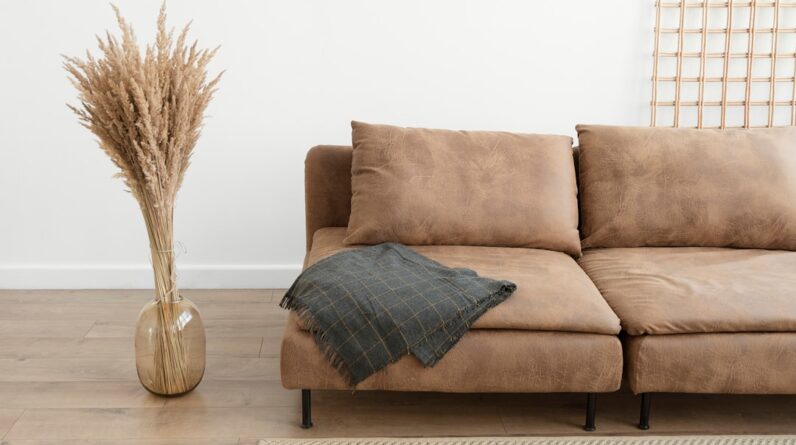
In a world that often feels cluttered and overwhelming, minimalism and simplicity offer a refreshing antidote. You may find that embracing minimalism allows you to focus on what truly matters in your life. By stripping away the excess, you create space for clarity and intention.
This design philosophy encourages you to evaluate your possessions and surroundings, leading to a more purposeful existence. You might discover that by surrounding yourself with fewer items, each one holds greater significance, enhancing your appreciation for the things you choose to keep. Simplicity in design is not just about reducing clutter; it’s about creating an environment that fosters peace and tranquility.
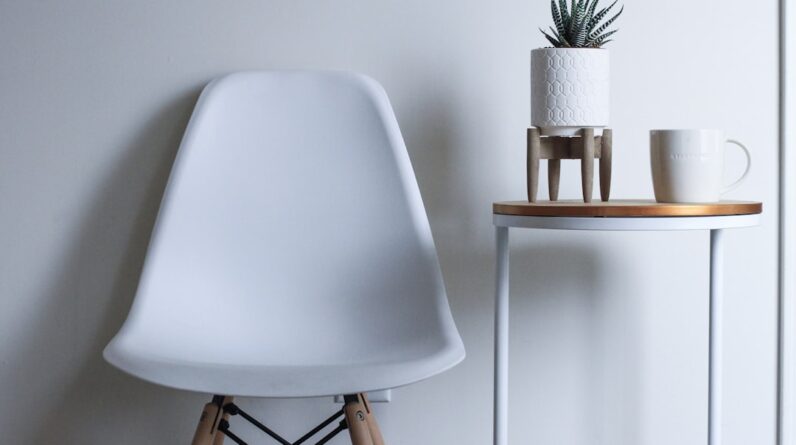
You can achieve this by selecting furniture and decor that embody clean lines and functional forms. When you opt for simplicity, you invite a sense of calm into your space, allowing your mind to breathe. This approach encourages you to curate your environment thoughtfully, ensuring that every piece serves a purpose or brings you joy.
As you embrace minimalism, you may find that your home becomes a sanctuary, a place where you can retreat from the chaos of the outside world.
Key Takeaways
- Minimalism and simplicity are key principles in creating a serene and calming space.
- Using natural materials and textures can bring a sense of warmth and tranquility to a room.
- A neutral color palette can help create a peaceful and harmonious environment.
- Striving for balance and harmony in design can contribute to a sense of calm and serenity.
- Emphasizing functionality in design can help create a space that is both practical and peaceful.
Natural Materials and Textures
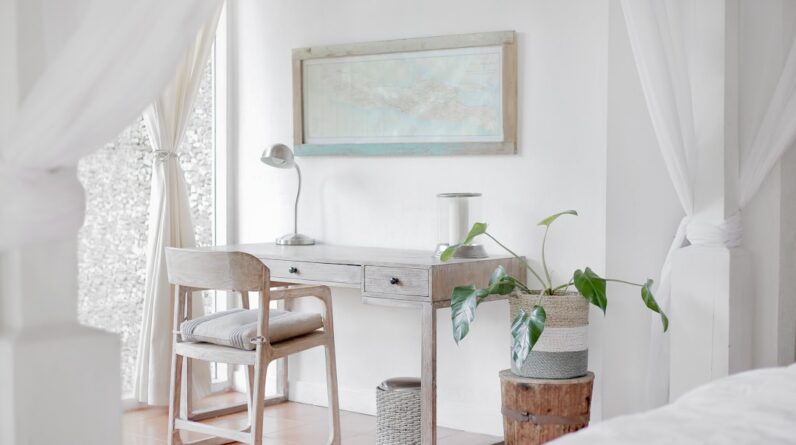
Incorporating natural materials and textures into your living space can profoundly impact the overall ambiance. You might consider using wood, stone, or organic fabrics to create a warm and inviting atmosphere. These materials not only add visual interest but also connect you to the earth, fostering a sense of grounding.
When you choose natural elements, you invite authenticity into your home, allowing it to reflect the beauty of the world around you. Textures play a crucial role in creating depth and dimension within your space. You can experiment with various materials—smooth glass, rough-hewn wood, or soft textiles—to create a tactile experience that engages your senses.
By layering different textures, you enhance the visual appeal of your environment while also making it more inviting. Imagine sinking into a plush woolen throw on a cool evening or feeling the coolness of marble underfoot; these experiences can transform your home into a haven of comfort and style.
Neutral Color Palette

A neutral color palette serves as the foundation for a serene and cohesive design. You may find that shades of white, beige, gray, and taupe create a calming backdrop that allows other elements in your space to shine. By opting for neutral tones, you create an environment that feels open and airy, promoting relaxation and tranquility.
This palette also provides versatility, allowing you to easily change accents or decor without overwhelming the overall aesthetic. In addition to promoting calmness, a neutral color scheme can enhance the natural light in your home. Light colors reflect sunlight, making spaces feel brighter and more spacious.
You might consider incorporating various shades of neutrals to add depth while maintaining a cohesive look. For instance, pairing warm beige with cool gray can create an interesting contrast that keeps the design dynamic yet understated. By embracing a neutral palette, you cultivate an atmosphere that feels both sophisticated and inviting.
Balance and Harmony
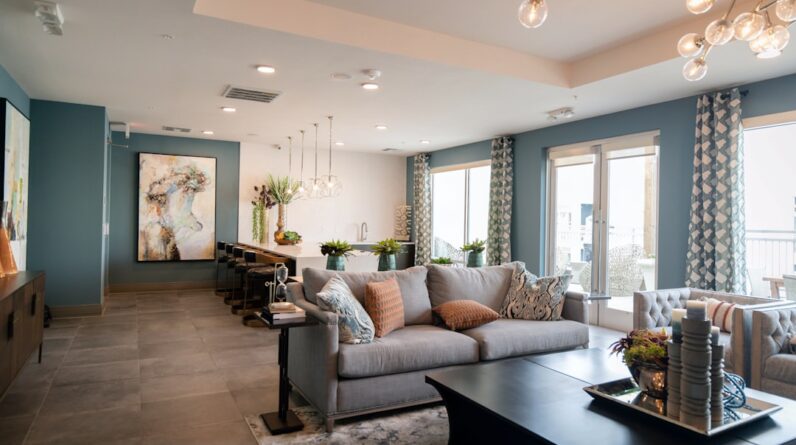
Creating balance and harmony in your living space is essential for fostering a sense of well-being. You may find that achieving this equilibrium involves considering proportions, scale, and symmetry in your design choices. For instance, if you have a large piece of furniture, balance it with smaller accessories or artwork to create visual interest without overwhelming the space.
This thoughtful arrangement allows each element to shine while contributing to an overall sense of cohesion. Harmony extends beyond mere aesthetics; it encompasses the emotional resonance of your environment as well. You might consider how different elements interact with one another—colors, textures, and shapes should complement rather than compete.
By curating a harmonious space, you create an atmosphere that feels inviting and comfortable. This balance can be achieved through careful selection of decor items that resonate with your personal style while also aligning with the overall vision for your home.
Emphasis on Functionality
In today’s fast-paced world, functionality is paramount in design. You may find that prioritizing practicality in your living space enhances your daily life significantly. When every item serves a purpose or contributes to your routine, you create an environment that supports your lifestyle rather than hinders it.
This emphasis on functionality encourages you to choose furniture and decor that not only looks good but also meets your needs effectively. Consider how multifunctional pieces can maximize your space while minimizing clutter. For example, a coffee table with built-in storage can help keep your living area organized while providing a stylish focal point.
You might also explore modular furniture options that can be rearranged to suit different occasions or needs. By focusing on functionality, you empower yourself to create a home that adapts to your lifestyle, making everyday tasks more manageable and enjoyable.
Mindful and Intentional Design
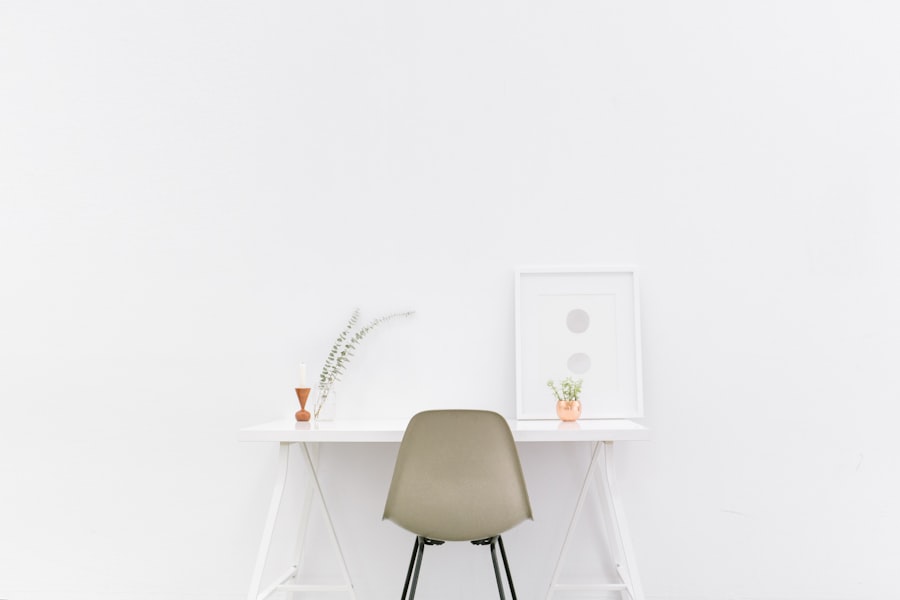
Reflecting Your True Self
you to reflect on what truly resonates with you—whether it’s a cherished piece of art or a family heirloom—and incorporate those elements into your design.
By being intentional about what you bring into your space, you cultivate an atmosphere that reflects your values and aspirations. As you engage in mindful design practices, consider how each choice impacts not only the aesthetics but also the energy of your home.
Creating a Deeper Connection
This conscious approach fosters a deeper connection between you and your surroundings, creating a space that feels authentic and meaningful. By prioritizing mindfulness in your design process, you transform your home into a true reflection of who you are.
A Space That Truly Represents You
Bringing the Outdoors In
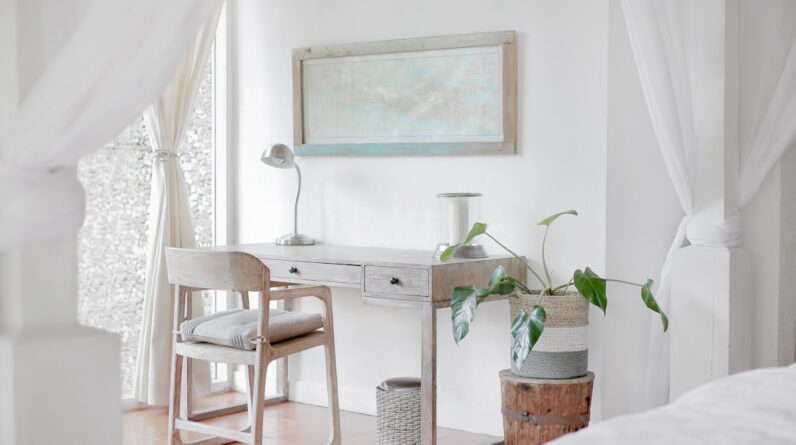
Integrating elements from nature into your home can significantly enhance its overall ambiance. You may find that incorporating plants, natural light, and outdoor views creates a seamless connection between your indoor and outdoor environments. Houseplants not only purify the air but also add vibrant life to any room; their presence can evoke feelings of tranquility and rejuvenation.
Consider placing greenery in various areas of your home to create visual interest while promoting well-being. Natural light is another essential component of bringing the outdoors in. You might explore ways to maximize sunlight through large windows or strategically placed mirrors that reflect light throughout the space.
This connection to nature not only brightens your home but also elevates your mood and energy levels. By blurring the lines between indoor and outdoor spaces, you create an environment that feels expansive and invigorating—a true sanctuary where you can unwind and recharge.
Creating a Sense of Calm and Serenity
Ultimately, the goal of thoughtful design is to cultivate a sense of calm and serenity within your home. You may find that by implementing principles such as minimalism, natural materials, and mindful design choices, you create an oasis of tranquility amidst life’s chaos. This serene environment allows you to escape from daily stressors and recharge both physically and mentally.
To enhance this sense of calm further, consider incorporating elements such as soft lighting, soothing scents, or calming sounds into your space. You might explore using dimmable lights or candles to create a warm ambiance during evenings or play gentle music or nature sounds to foster relaxation. By intentionally designing your home with serenity in mind, you create a nurturing environment where you can thrive—one that supports not only your aesthetic preferences but also your emotional well-being.
In conclusion, embracing these design principles allows you to create a living space that reflects who you are while promoting peace and functionality in your daily life. As you embark on this journey toward mindful design, remember that every choice contributes to the overall atmosphere of your home—making it not just a place to live but a sanctuary for your soul.
FAQs
What are the key principles of Zen-inspired contemporary interiors?
The key principles of Zen-inspired contemporary interiors include simplicity, minimalism, natural elements, and a focus on creating a sense of calm and tranquility within the space.
How does simplicity play a role in Zen-inspired contemporary interiors?
Simplicity is a fundamental principle in Zen-inspired contemporary interiors, with a focus on clean lines, uncluttered spaces, and a minimalist approach to design and decor.
What role do natural elements play in Zen-inspired contemporary interiors?
Natural elements such as wood, stone, and plants are often incorporated into Zen-inspired contemporary interiors to bring a sense of nature and tranquility into the space.
How is a sense of calm and tranquility achieved in Zen-inspired contemporary interiors?
A sense of calm and tranquility is achieved in Zen-inspired contemporary interiors through the use of neutral color palettes, soft lighting, and a focus on creating a harmonious and balanced environment.
What are some common design elements found in Zen-inspired contemporary interiors?
Common design elements found in Zen-inspired contemporary interiors include low furniture, Japanese-inspired sliding doors, shoji screens, and a focus on creating a sense of openness and flow within the space.