What Is The Role Of Artwork In Interior Design?
Art is undeniably an important element in the realm of interior design. It doesn’t merely exist as decoration; it serves as a bridge between your lifestyle and the message you want your living space to convey. So why is artwork such a vital player in the interior design game? Let’s embark on this artistic journey together and explore the many roles artwork plays in transforming spaces into something that truly feels like home.

Creating a Focal Point
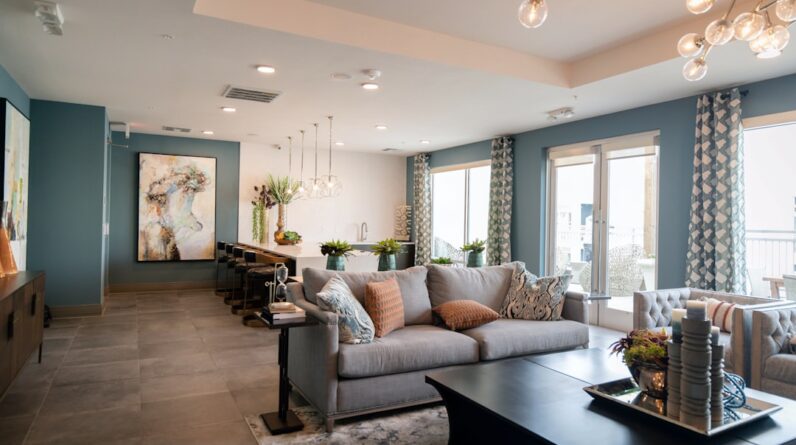
One of the primary roles artwork plays in interior design is that of a focal point. When you walk into a room, your eyes naturally seek out a compelling piece that draws you in. A striking painting or a unique sculpture can serve as that magnet, instantly capturing attention and creating a sense of direction for the space. This effect is not merely about aesthetics; it influences how you perceive the overall design. Imagine entering a well-coordinated living room where all elements blend seamlessly, but your eyes are irresistibly pulled toward a vibrant piece of art hanging on the wall—it creates a conversation starter, a point of interest that makes the space feel curated and intentional.
Reflecting Personal Style
Artwork is a brilliant way to reflect your personal style and tastes. Whether you’re a lover of classical landscapes, modern abstracts, or quirky pop art, the choices you make in selecting artwork can speak volumes about who you are. When you incorporate pieces that resonate with you personally, your space transforms into a true expression of your identity. It’s like telling a story—your story—through visuals that evoke emotion and nostalgia. This personal touch is what ultimately creates a warm and inviting atmosphere where you feel completely at ease.
Enhancing Emotional Connection
Have you ever noticed how certain pieces of artwork evoke strong emotions? Maybe a landscape transports you to a cherished vacation destination, or a portrait reminds you of a beloved family member. This emotional resonance is a key aspect of interior design. When you carefully select artwork that holds meaning for you, it enriches your connection to the space. The emotional ties can serve as comfort, inspiration, or motivation, making a room feel more than just a collection of furniture and decor. Instead, it transforms it into a sanctuary that nurtures your emotional well-being.
Providing Balance and Harmony
Artwork plays a crucial role in balancing and harmonizing a room’s design. Think about it: a large, bold piece might overpower a small, intimate space, while a delicate piece can be easily overlooked in a grand room. Skilled interior designers understand the importance of scale and proportion, using artwork to create equilibrium in a space. By strategically placing artwork that complements or contrasts the other elements in the room, you can achieve a sense of flow and rhythm that makes the space feel cohesive. This balancing act is essential for creating an inviting environment where every element feels like it belongs.
Adding Color and Texture
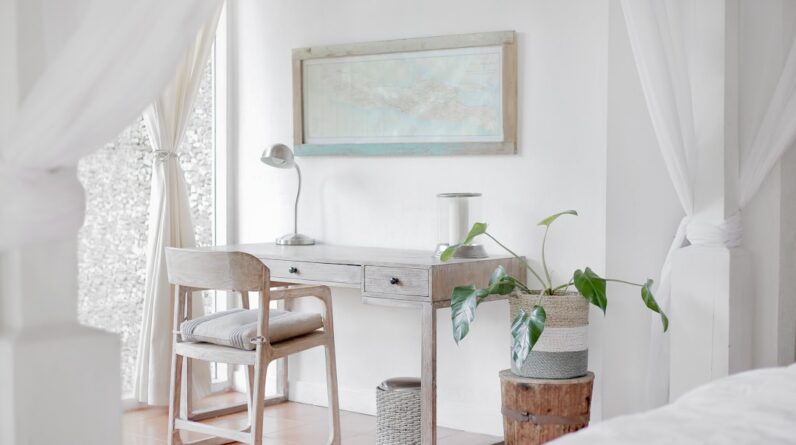
Let’s talk about color and texture. Artwork can infuse life into a room, transforming a bland space into a vibrant display of hues and dimensions. Whether it’s a colorful abstract piece or a textured wall hanging, artwork allows you to introduce elements that might otherwise be absent in your decor. If your space leans heavily on neutral tones, a bold artwork can act as a splash of color that uplifts and energizes the environment. Conversely, if your decor is already diverse in color, subtle art pieces can bring in texture and depth without overcrowding the visual field. This versatility is part of what makes artwork such a powerful tool in interior design.
Setting the Mood
The mood of a room can dramatically change based on the artwork you choose to include. Warm, cozy paintings can create a restful environment, while energetic and vibrant art can promote creativity and stimulation. If you’re designing a space for relaxation, soft landscapes or calming abstracts can foster tranquility. On the other hand, if you’re looking to infuse energy into a workspace or a creative corner, dynamic and colorful pieces can do the trick. Thus, the role of artwork in setting the mood for a room is significant; it aids in fostering the atmosphere you desire, ensuring that your space feels just right for its intended purpose.
Serving as Conversation Starters
Imagine hosting a dinner party and your guests are captivated by a piece of art on the wall. Artwork can serve as a fantastic conversation starter, bridging connections among people—be it through shared tastes, experiences, or stories. When your guests admire a piece of art that resonates with them, it opens the door for dialogue and interaction, encouraging connections that might not have happened otherwise. In this sense, artwork is not just an aesthetic choice; it enhances social experiences and makes gatherings more memorable.

Encouraging Creativity
In areas of the home or workspaces that require a creative spark—like a home office, studio, or reading nook—artwork can play a motivating role. Surrounding yourself with pieces that inspire you can ignite your imagination and boost your productivity. Whether it’s an insightful quote printed in a visually appealing format or a stunning landscape that brings your thoughts to life, the right art can awaken your creative instincts. The environment you cultivate matters, and filling it with art that inspires you can ultimately lead to breakthroughs in creativity and productivity.
Personalizing Shared Spaces
When it comes to shared spaces, artwork can help establish a sense of unity and collaboration. In environments where multiple people interact—like living rooms, dining areas, or office break rooms—selecting artwork that resonates with everyone can help personalize the shared experience. Artwork can act as a common thread, reflecting collective values, experiences, or ambitions. It encourages collaboration among housemates or coworkers, giving everyone a sense of ownership in the space. This shared emotional connection can enhance the dynamics of the environment, creating a more harmonious atmosphere where everyone feels included.
Bridging the Indoors and Outdoors
Artwork isn’t confined to just indoor spaces. In the context of interior design, incorporating outdoor artwork can create a seamless connection between your indoor and outdoor environments. Whether it’s sculptures, murals, or garden art, these pieces can breathe life into patio areas, balconies, or gardens. This integration fosters a sense of space that feels expansive and continuous, blurring the lines between the inside and outside. Not only does it provide aesthetic appeal, but it also enriches your outdoor experience, making your overall environment more engaging and enjoyable.
Elevating Spaces with Cultural Significance
Art has a unique ability to encapsulate and elevate cultural significance. When you include pieces that reflect your heritage or the culture you admire, it adds layers of meaning to your space. Whether it’s traditional crafts that speak to your lineage or contemporary art that showcases multicultural influences, these selections tell stories and offer insights into diverse backgrounds. This celebration of culture turns a simple room into an educational narrative, fostering appreciation for different perspectives and experiences. It encourages you and your guests to explore, learn, and connect through the stories shared by the art you cherish.
Utilizing Art as a Design Tool
In addition to being visually appealing, artwork can serve as a practical design tool. The dimensions, colors, and styles of the art you choose can influence your entire design approach. For instance, a massive canvas can inspire the color palette for the rest of the room, guiding the selection of furnishings and decor to create a cohesive look. In this vein, you can use artwork as a foundation upon which to build your design aesthetic. By choosing pieces that resonate, you create a roadmap for the overall ambiance you want to achieve, ultimately simplifying your design process.
The Power of Multi-Purpose Artwork
Artwork isn’t limited to traditional forms; it can take on various facets—think design tables, functional art pieces, or wall installations that double as storage. The beauty of multi-purpose artwork lies in its functionality. It enhances a space while still serving an essential purpose, merging practicality with beauty. Functional artwork contributes to efficient use of space without sacrificing style, making it a smart choice for modern living, where maximizing functionality is crucial.
Tailoring Art for Specific Rooms
Just as each room has its unique purpose, the artwork you choose can be tailored to enhance specific spaces. In kitchens, artwork that inspires culinary creativity—like vintage food prints—can bring the space to life. In bedrooms, calming and serene pieces that evoke relaxation might be more fitting. Tailored artwork not only syncs with the room’s function but also enhances the overall emotional experience and usability of each area in your home.
The Timeless Nature of Art
Art carries the charm of timelessness. While trends in interior design may ebb and flow, artwork often holds its value and beauty over time. Investing in art that speaks to you can enhance your space now and remain meaningful for years to come. Unlike many decor items that may need to be updated regularly, your artwork can grow with you, reflecting changes in taste, life stages, or experiences indefinitely. This adds a layer of sustainability and appreciation to your home, creating an enduring relationship with the pieces you choose.
Making Statement Art Choices
Sometimes, going bold is the way to go! Statement artworks can act as the centerpiece of your design and define the personality of a room. From oversized canvases to striking sculptures, these pieces allow you to make a strong impact. They can exude confidence and set the tone for the space—whether it’s chic, modern, playful, or dramatic. Making a statement with your artwork can evoke strong reactions, encouraging admiration, discussion, and even inspiration among those who enter the space.
The Influence of Technology on Art Selection
In today’s world, technology plays a substantial role in art selection. The internet offers endless avenues for discovering new artists, styles, and trends. You can now explore customizable art pieces or even digital art that adapts to different moods or occasions. This modernization allows you to personalize your space in ways that were previously unimaginable. Your options are limitless, and the technology at your fingertips makes filling your home with meaningful art more accessible than ever before.
Conclusion
In exploring “What Is The Role Of Artwork In Interior Design,” we’ve uncovered the multi-layered significance of art in our spaces. Artwork is not just a decorative option but also serves as a focal point, reflects personal style, enhances emotional connections, and sets the mood within your environment. It encourages creativity and collaboration, bridges indoor and outdoor spaces, and elevates cultural experiences.
So, as you continue to shape your living spaces, remember to choose artwork that not only adorns your walls but also resonates with your essence. By doing so, you can create a sanctuary that feels personal, inviting, and vibrant—a true reflection of you.
If you found this article helpful, I’d love for you to clap, leave a comment with your thoughts, and subscribe to my Medium newsletter for more updates!