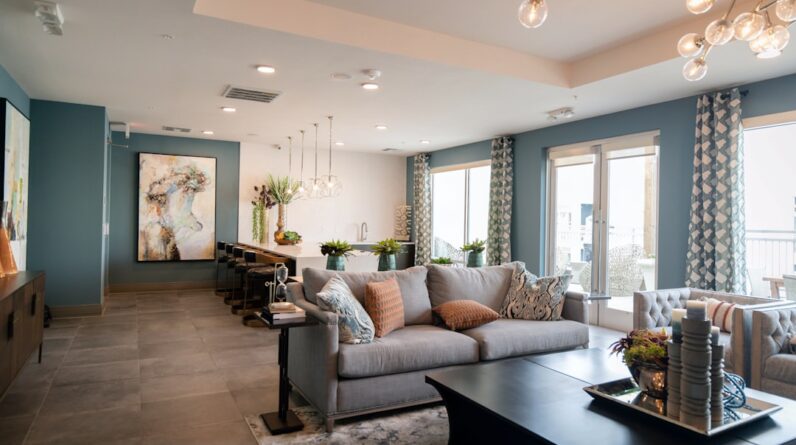
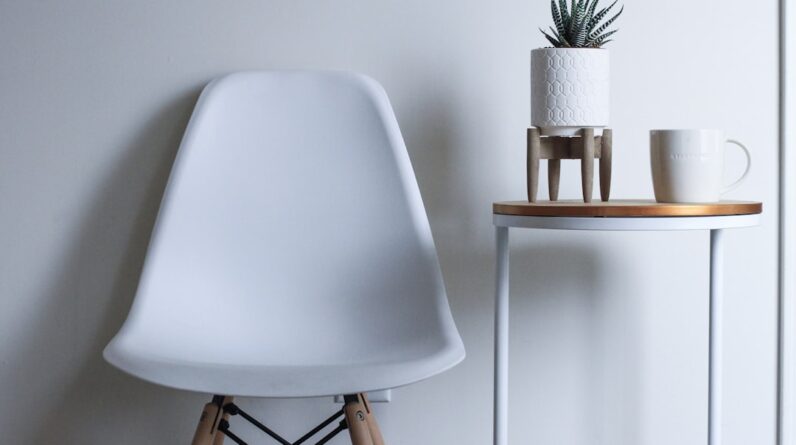
Contemporary interior design is a dynamic and ever-evolving field that reflects the current trends, technologies, and cultural shifts of our time. As you step into a contemporary space, you are often greeted by a harmonious blend of aesthetics and functionality, where every element is carefully curated to create an inviting atmosphere. This design style is characterized by clean lines, open spaces, and a focus on minimalism, allowing for a sense of tranquility and balance.
You may find that contemporary design often incorporates a variety of materials, each chosen for its unique properties and visual appeal, contributing to the overall ambiance of the space. In this exploration of contemporary interior design, you will discover how different materials play a crucial role in shaping the environment around you. From natural elements that evoke a sense of warmth and connection to the earth, to synthetic options that offer versatility and innovation, the choices are vast.
As you delve deeper into the world of materials, you will gain insight into how they influence not only the aesthetics but also the sustainability and functionality of contemporary interiors. Understanding these materials will empower you to make informed decisions when designing or renovating your own spaces.
Key Takeaways
- Contemporary interior design focuses on clean lines, minimalism, and functionality.
- Natural materials such as wood, stone, and leather are popular in contemporary interior design for their organic and timeless appeal.
- Synthetic materials like plastic, acrylic, and laminate are also used in contemporary interior design for their versatility and modern aesthetic.
- Sustainable materials such as bamboo, cork, and recycled glass are gaining popularity in contemporary interior design due to their eco-friendly nature.
- Metal materials like stainless steel, brass, and copper add a sleek and industrial touch to contemporary interior design.
Natural Materials in Contemporary Interior Design
The Charm of Imperfections
The imperfections found in natural materials can evoke a sense of charm and uniqueness that mass-produced items lack. As you explore various design options, consider how incorporating natural elements can enhance your space’s overall aesthetic while fostering a deeper connection to the world around you.
Embracing Sustainability and Uniqueness
By choosing natural materials, you can create a space that not only looks beautiful but also promotes a sense of responsibility towards the environment.
Synthetic Materials in Contemporary Interior Design

While natural materials have their undeniable charm, synthetic materials also play a vital role in contemporary interior design. These materials are often engineered to provide specific benefits, such as durability, versatility, and ease of maintenance. For example, when you opt for laminate flooring or vinyl surfaces, you gain access to a wide range of colors and patterns that can mimic the appearance of natural materials without the associated upkeep.
This flexibility allows you to express your personal style while ensuring practicality in high-traffic areas. Additionally, synthetic materials can be designed with innovative features that enhance your living experience. You might find furniture made from high-performance fabrics that resist stains and wear, making them ideal for families or pet owners.
The use of synthetic materials also opens up possibilities for creative design solutions, such as modular furniture that can be easily reconfigured to suit your needs. As you navigate the world of contemporary design, consider how synthetic options can complement your vision while providing functional benefits that enhance your lifestyle.
Sustainable Materials in Contemporary Interior Design
Sustainability has become a cornerstone of contemporary interior design as more individuals recognize the importance of making environmentally conscious choices. When you prioritize sustainable materials in your design projects, you contribute to a healthier planet while creating beautiful spaces. Materials such as bamboo, cork, and recycled metals are excellent examples of sustainable options that not only reduce environmental impact but also offer unique aesthetic qualities.
Bamboo, for instance, is a fast-growing grass that can be harvested without harming the ecosystem, making it an eco-friendly choice for flooring or furniture. Incorporating sustainable materials into your interior design can also lead to improved indoor air quality and overall well-being. Many sustainable options are free from harmful chemicals and toxins commonly found in traditional building materials.
By choosing low-VOC paints or finishes and natural textiles, you create a healthier living environment for yourself and your family. As you explore sustainable design practices, consider how these choices can reflect your values while enhancing the beauty and functionality of your space.
Metal Materials in Contemporary Interior Design
Metal materials have carved out a significant niche in contemporary interior design due to their sleek appearance and structural integrity. When you incorporate metals like steel, aluminum, or brass into your spaces, you introduce an element of modernity that can elevate the overall aesthetic. You might choose stainless steel appliances for your kitchen or brass fixtures in your bathroom to create a striking contrast against softer materials like wood or stone.
The interplay between metal and other textures can add depth and sophistication to your design. Furthermore, metal materials are incredibly versatile and can be used in various applications throughout your home. From furniture frames to decorative accents, metals can be shaped and finished in countless ways to suit your style preferences.
You may find yourself drawn to industrial-inspired designs that showcase raw metal finishes or prefer polished surfaces that exude elegance. As you experiment with metal elements in your interior design, consider how they can enhance both the visual appeal and functionality of your space.
Wood Materials in Contemporary Interior Design

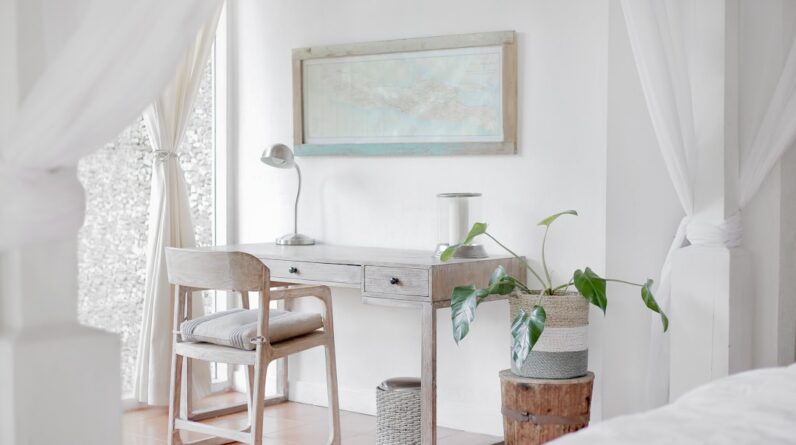
Wood remains a timeless choice in contemporary interior design, celebrated for its warmth and versatility. When you incorporate wood into your spaces, whether through flooring, cabinetry, or furniture, you create an inviting atmosphere that resonates with comfort and familiarity. The natural variations in wood grain add character and uniqueness to each piece, ensuring that no two spaces feel exactly alike.
You might choose light woods like maple for a bright and airy feel or darker woods like walnut for a more dramatic effect. In addition to its aesthetic qualities, wood is also a sustainable material when sourced responsibly. By selecting certified wood products or reclaimed timber, you contribute to forest conservation efforts while enjoying the beauty of this natural resource.
Wood’s ability to adapt to various design styles—from rustic to modern—makes it an ideal choice for any contemporary interior. As you explore different wood options, consider how they can enhance your space’s overall ambiance while aligning with your sustainability goals.
Glass Materials in Contemporary Interior Design
Glass is another essential material in contemporary interior design that offers both transparency and elegance. When you incorporate glass elements into your spaces—be it through windows, doors, or decorative features—you create an illusion of openness and lightness that can make even small areas feel more expansive. Large glass panels allow natural light to flood into your home, enhancing the overall mood and atmosphere while connecting indoor spaces with the outdoors.
Moreover, glass can be used creatively in various applications beyond traditional windows. You might consider glass partitions to define spaces without sacrificing openness or glass shelving to display cherished items while maintaining a clean aesthetic. The reflective qualities of glass can also amplify light and color within a room, adding depth and dimension to your design.
As you experiment with glass materials in your interior projects, think about how they can transform your space into a bright and inviting haven.
The Importance of Materials in Contemporary Interior Design
As you reflect on the diverse range of materials available in contemporary interior design, it becomes clear that each choice carries significance beyond mere aesthetics. The materials you select not only shape the visual appeal of your space but also influence its functionality, sustainability, and overall atmosphere. By understanding the unique properties of natural, synthetic, sustainable, metal, wood, and glass materials, you empower yourself to create environments that resonate with your personal style while meeting practical needs.
Ultimately, the importance of materials in contemporary interior design lies in their ability to tell a story—one that reflects your values, preferences, and lifestyle. Whether you’re drawn to the warmth of wood or the sleekness of metal, each material contributes to the narrative of your home. As you embark on your design journey, remember that thoughtful material selection can elevate your space from ordinary to extraordinary, creating an environment that truly feels like home.
FAQs
What are the commonly used materials in contemporary interior design?
Commonly used materials in contemporary interior design include wood, glass, metal, stone, concrete, and natural fibers such as cotton, wool, and linen.
How is wood used in contemporary interior design?
Wood is often used in contemporary interior design for furniture, flooring, and decorative elements. It can be used in its natural form or in a variety of finishes and stains to achieve different looks.
What role does glass play in contemporary interior design?
Glass is commonly used in contemporary interior design for windows, doors, partitions, and decorative accents. It is valued for its transparency, versatility, and ability to create a sense of openness and light in a space.
How is metal incorporated into contemporary interior design?
Metal is used in contemporary interior design for furniture, lighting fixtures, hardware, and decorative accents. It can be used in its natural form or in finishes such as brushed, polished, or matte.
What are some ways that stone is used in contemporary interior design?
Stone is often used in contemporary interior design for countertops, flooring, wall cladding, and decorative elements. It is valued for its durability, natural beauty, and ability to add a sense of luxury to a space.
How is concrete used in contemporary interior design?
Concrete is used in contemporary interior design for flooring, countertops, wall panels, and decorative elements. It is valued for its modern, industrial aesthetic and its versatility in achieving different textures and finishes.
What natural fibers are commonly used in contemporary interior design?
Cotton, wool, and linen are commonly used natural fibers in contemporary interior design for upholstery, drapery, rugs, and decorative textiles. They are valued for their softness, durability, and sustainability.