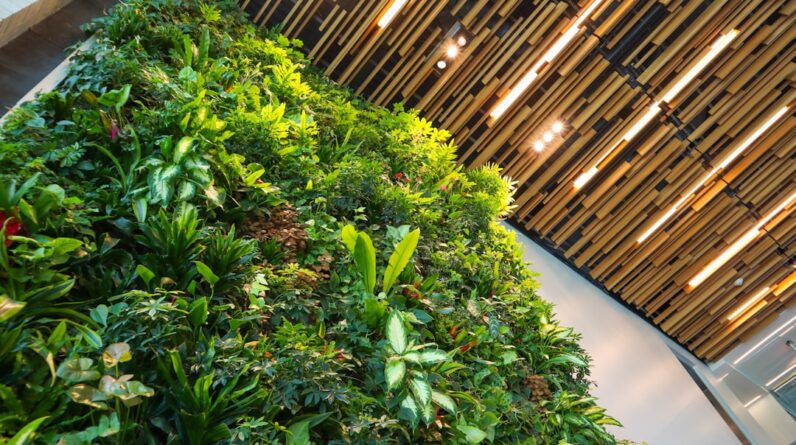
Biophilic design is an innovative approach that seeks to reconnect individuals with nature within built environments. This concept is rooted in the idea that humans have an inherent affinity for the natural world, a phenomenon known as biophilia. As you delve into this design philosophy, you will discover that it encompasses a wide range of strategies aimed at integrating natural elements into architectural and interior design.
By fostering a connection to nature, biophilic design not only enhances aesthetic appeal but also promotes well-being, productivity, and overall quality of life. At its core, biophilic design emphasizes the importance of natural light, greenery, and organic materials. You may find that this approach encourages the use of elements such as plants, water features, and natural textures to create spaces that feel alive and vibrant.
The goal is to create environments that evoke a sense of calm and tranquility, allowing you to experience the restorative benefits of nature even when indoors. As you explore biophilic design further, you will come to appreciate how it can transform ordinary spaces into sanctuaries that nurture both the body and mind.
Key Takeaways
- Biophilic design is the practice of incorporating natural elements and patterns into the built environment to create a connection to nature.
- Bringing nature indoors through biophilic design has been shown to improve mental well-being, productivity, and creativity, as well as reduce stress and enhance overall satisfaction.
- Elements of biophilic design include natural light, indoor plants, natural materials, views of nature, and water features.
- Implementing biophilic design in residential spaces can be achieved through the use of large windows, indoor gardens, natural materials, and nature-inspired artwork.
- Implementing biophilic design in commercial spaces can be achieved through the use of green walls, natural light, indoor water features, and nature-inspired design elements.
The Benefits of Bringing Nature Indoors
Incorporating biophilic design into your living or working space can yield a multitude of benefits. One of the most significant advantages is the positive impact on mental health. Studies have shown that exposure to natural elements can reduce stress, anxiety, and depression.
When you surround yourself with nature-inspired designs, you may find that your mood improves and your overall sense of well-being increases. This connection to nature can be particularly beneficial in urban environments, where green spaces are often limited. Moreover, biophilic design can enhance productivity and creativity.
When you integrate natural elements into your workspace, you create an environment that stimulates your senses and encourages innovative thinking. You might notice that incorporating plants or natural light into your office can lead to increased focus and motivation. Additionally, research has indicated that employees in biophilic environments report higher job satisfaction and lower absenteeism rates.
By prioritizing nature in your surroundings, you are not only investing in your health but also in your professional success.
Elements of Biophilic Design
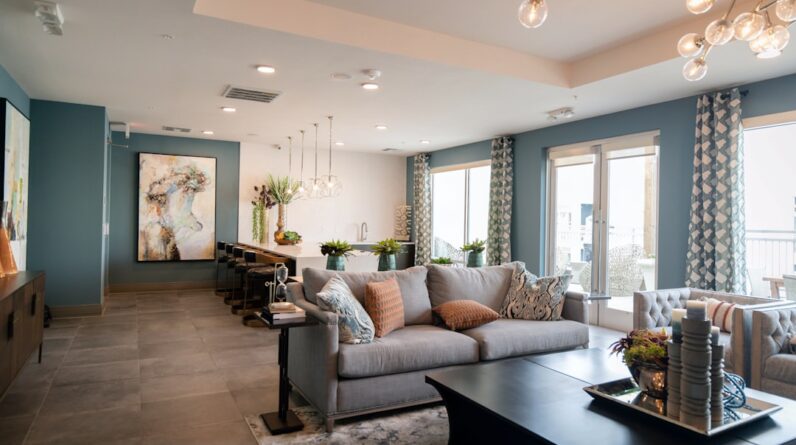
The elements of biophilic design are diverse and can be tailored to suit various spaces and preferences. One fundamental aspect is the incorporation of natural light. You may choose to maximize daylight by using large windows or skylights, allowing sunlight to flood your space.
This not only brightens the environment but also helps regulate circadian rhythms, promoting better sleep and overall health. Another essential element is the use of plants and greenery. You might consider adding potted plants, vertical gardens, or even living walls to your space.
These natural features not only purify the air but also create a sense of tranquility and connection to the outdoors. Additionally, incorporating water features such as fountains or aquariums can enhance the sensory experience, providing soothing sounds and visual appeal. By thoughtfully integrating these elements into your design, you can create a harmonious balance between indoor and outdoor environments.
Implementing Biophilic Design in Residential Spaces
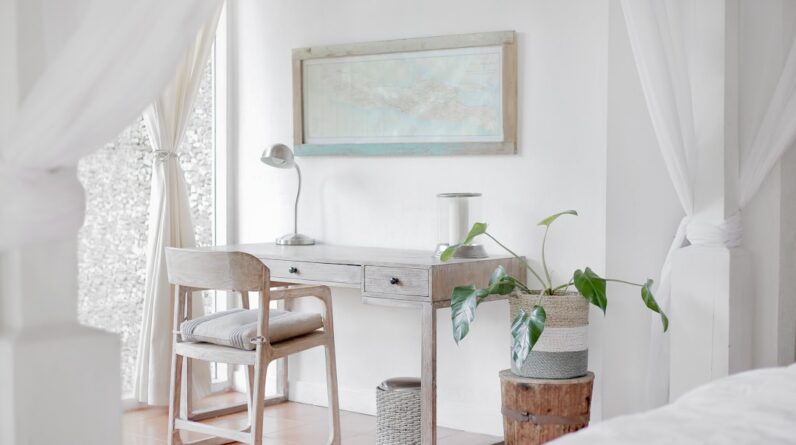
When it comes to implementing biophilic design in residential spaces, there are numerous strategies you can employ to create a nurturing environment. Start by assessing your home’s layout and identifying areas where natural light can be maximized. You might consider using sheer curtains or strategically placing mirrors to reflect light throughout the space.
This simple adjustment can significantly enhance the ambiance of your home. In addition to maximizing light, consider incorporating natural materials into your interior design. You may choose wooden furniture, stone accents, or textiles made from organic fibers to create a warm and inviting atmosphere.
Furthermore, adding indoor plants can breathe life into your home. You could create a dedicated plant corner or hang planters from the ceiling to add visual interest while improving air quality. By thoughtfully integrating these elements, you can transform your home into a sanctuary that promotes relaxation and well-being.
Implementing Biophilic Design in Commercial Spaces
In commercial spaces, biophilic design can play a crucial role in enhancing employee satisfaction and productivity. As you consider how to implement this design philosophy in an office setting, start by evaluating the layout and flow of the space. Open floor plans with ample natural light can foster collaboration and communication among team members.
You might also explore creating designated areas for relaxation or informal meetings that incorporate natural elements. Incorporating greenery into commercial spaces is another effective strategy. You could introduce indoor gardens or green walls that not only beautify the environment but also improve air quality.
Additionally, consider using natural materials in furniture and decor to create a cohesive look that resonates with the principles of biophilic design. By prioritizing these elements in your commercial space, you can cultivate an atmosphere that supports employee well-being and enhances overall productivity.
Examples of Successful Biophilic Design

There are numerous inspiring examples of successful biophilic design across various sectors. One notable instance is the Amazon Spheres in Seattle, which features three interconnected glass domes filled with thousands of plants from around the world. This innovative space serves as both a workspace and a botanical garden, allowing employees to immerse themselves in nature while working on creative projects.
Another remarkable example is the Bosco Verticale (Vertical Forest) in Milan, Italy. This residential complex features two towers adorned with over 9,000 trees and 20,000 plants, creating a stunning visual impact while improving air quality in the urban environment. These projects exemplify how biophilic design can be successfully integrated into both commercial and residential settings, showcasing the potential for nature-inspired architecture to enhance urban living.
Overcoming Challenges in Implementing Biophilic Design
While the benefits of biophilic design are clear, there are challenges associated with its implementation that you may encounter. One common obstacle is the perception that incorporating natural elements is costly or impractical. However, it’s essential to recognize that biophilic design can be adapted to fit various budgets and spaces.
You might start small by introducing a few plants or optimizing natural light before gradually expanding your efforts. Another challenge is ensuring that biophilic elements are maintained over time. Indoor plants require care and attention, which may deter some individuals from incorporating them into their spaces.
To overcome this hurdle, consider selecting low-maintenance plants or utilizing technology such as automated irrigation systems to simplify upkeep. By addressing these challenges proactively, you can successfully implement biophilic design principles in your environment.
The Future of Biophilic Design in Interior Spaces
As awareness of the importance of well-being continues to grow, the future of biophilic design looks promising. You may find that more architects and designers are embracing this philosophy as they recognize its potential to enhance quality of life in urban settings. With advancements in technology and materials, integrating natural elements into interior spaces will become increasingly feasible.
Moreover, as sustainability becomes a priority for many individuals and organizations, biophilic design aligns perfectly with eco-friendly practices. You might see a rise in green building certifications that emphasize biophilic principles as part of their criteria. As society continues to evolve towards more sustainable living practices, embracing biophilic design will play a vital role in creating healthier environments for future generations.
In conclusion, biophilic design offers a transformative approach to creating spaces that foster a deep connection with nature. By understanding its principles and benefits, you can implement these ideas in both residential and commercial settings. As you explore this innovative design philosophy further, you will undoubtedly discover new ways to enhance your surroundings while promoting well-being and sustainability for yourself and others.
FAQs
What is biophilic design?
Biophilic design is an approach to architecture and interior design that seeks to connect people with nature by incorporating natural elements, materials, and patterns into the built environment.
What role does biophilic design play in bringing nature indoors?
Biophilic design plays a crucial role in bringing nature indoors by creating spaces that mimic natural environments, which can have a positive impact on people’s well-being, productivity, and overall satisfaction.
How is biophilic design implemented in interior spaces?
Biophilic design can be implemented in interior spaces through the use of natural materials such as wood and stone, the incorporation of natural light and views of nature, the use of plant life and greenery, and the integration of natural patterns and textures.