Color psychology is a fascinating field that explores how colors influence human emotions and behaviors. In the realm of interior design, understanding this concept can significantly enhance the ambiance of a space, making it not only visually appealing but also emotionally resonant. As you embark on your journey to create or renovate your living spaces, recognizing the psychological effects of color can empower you to make informed choices that align with your desired atmosphere.
Whether you are looking to evoke calmness, energy, or creativity, the colors you choose can play a pivotal role in shaping your environment. In today’s fast-paced world, where stress and anxiety are prevalent, the importance of a well-designed space cannot be overstated. Your home should be a sanctuary that reflects your personality while also promoting well-being.
By delving into the principles of color psychology, you can transform your interiors into spaces that not only look good but also feel good. This article will guide you through the basics of color psychology, its impact on emotions and behavior, and practical ways to incorporate these insights into your interior design projects.
Key Takeaways
- Color psychology plays a significant role in interior design, influencing emotions, behavior, and overall atmosphere of a space.
- Different colors have the power to evoke specific emotions and behaviors, such as calmness, energy, or creativity.
- Interior designers can incorporate color psychology by strategically using different colors to create specific atmospheres in different rooms.
- In workspaces, color can influence productivity and creativity, with certain colors promoting focus and inspiration.
- Considering color psychology is important in creating a harmonious home environment, as it can impact the overall mood and well-being of the residents.
The Basics of Color Psychology and How it Affects Mood
The Emotional Impact of Colors
For example, blue is often linked to feelings of tranquility and calmness, making it a popular choice for bedrooms and relaxation areas. On the other hand, red is associated with passion and energy, which can invigorate a space but may also lead to feelings of agitation if overused.
Context is Key
The context in which colors are used can significantly alter their psychological impact. A bright yellow in a kitchen may inspire cheerfulness and creativity, while the same shade in a bedroom could feel overwhelming. It’s essential to consider not just the color itself but also how it interacts with light, space, and other design elements.
Harnessing the Power of Color
By being mindful of these factors, you can harness the power of color to create environments that support your emotional well-being and enhance your daily experiences. By selecting colors that align with the mood you wish to create in your home, you can create spaces that promote relaxation, energy, or inspiration, ultimately improving your overall quality of life.
How Different Colors Impact Emotions and Behavior

Colors have a profound ability to influence your emotions and behaviors in subtle yet powerful ways. For example, warm colors like orange and yellow can stimulate feelings of happiness and warmth, making them ideal for social spaces such as living rooms or dining areas. These colors encourage interaction and conversation, creating an inviting atmosphere for gatherings with family and friends.
Conversely, cool colors like blue and green tend to promote relaxation and calmness, making them suitable for spaces where you seek solace or rest. Additionally, colors can affect your behavior in more practical ways. For instance, studies have shown that certain colors can enhance focus and concentration.
A workspace painted in shades of green or blue may help you feel more centered and productive, while overly bright or chaotic colors could lead to distraction. By understanding how different colors impact your emotions and behaviors, you can make strategic choices that foster the desired outcomes in each area of your home.
Incorporating Color Psychology into Interior Design
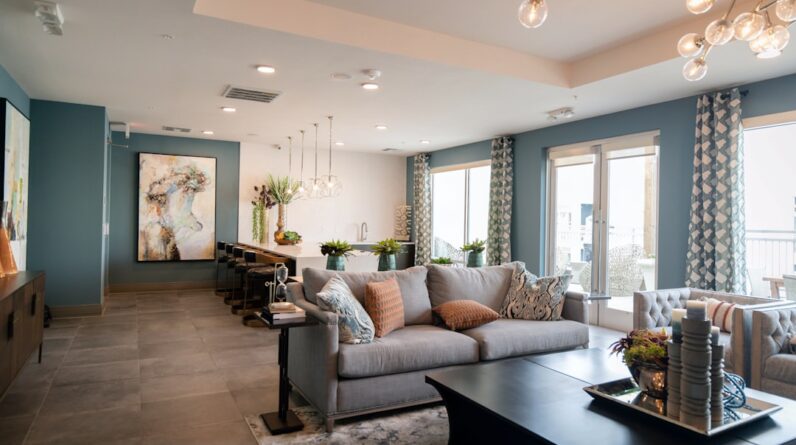
Incorporating color psychology into your interior design involves more than just picking a favorite hue; it requires thoughtful consideration of how each color will interact with the space and its intended purpose. Start by assessing the function of each room in your home. For example, if you want to create a serene atmosphere in your bedroom, consider using soft blues or muted greens that promote relaxation.
In contrast, if you’re designing a home office, opt for energizing colors like yellow or orange to inspire creativity and motivation. Another effective strategy is to use color as a tool for zoning within open-concept spaces. By applying different colors to various areas, you can delineate spaces while also influencing the mood within each zone.
For instance, a calming blue in a reading nook can create a peaceful retreat amidst a vibrant living area painted in warm tones. This approach not only enhances the functionality of your home but also allows you to express your personal style through color.
Using Color to Create Specific Atmospheres in Different Rooms
Each room in your home serves a unique purpose, and the colors you choose can help reinforce that purpose by creating specific atmospheres. In the kitchen, for example, bright and cheerful colors like sunny yellows or crisp whites can stimulate appetite and encourage social interaction during meal preparation. These colors create an inviting environment where family members feel comfortable gathering together.
In contrast, bedrooms should prioritize tranquility and restfulness. Soft pastels or muted earth tones can create a calming atmosphere conducive to relaxation and sleep. You might also consider incorporating darker shades for an intimate feel, as long as they are balanced with adequate lighting.
By tailoring your color choices to the specific functions of each room, you can enhance both the aesthetic appeal and emotional resonance of your home.
The Role of Color in Influencing Productivity and Creativity in Workspaces

The impact of color extends beyond residential spaces; it plays a crucial role in work environments as well. The right color palette can significantly influence productivity levels and foster creativity among employees or individuals working from home. For instance, blue is often associated with focus and clarity, making it an excellent choice for offices where concentration is key.
Incorporating shades of blue into your workspace can help create an environment that encourages deep thinking and problem-solving. On the other hand, vibrant colors like orange or yellow can stimulate creativity and innovation. These hues are often used in collaborative spaces or brainstorming areas where fresh ideas are generated.
By strategically using color in your workspace design, you can cultivate an atmosphere that not only enhances productivity but also inspires creativity among those who inhabit the space.
The Importance of Considering Color Psychology in Creating a Harmonious Home Environment
Creating a harmonious home environment goes beyond aesthetics; it involves understanding how different elements work together to promote well-being. Color psychology plays a vital role in this process by helping you select hues that resonate with your personal values and lifestyle. When you choose colors that align with your emotional needs, you create spaces that feel cohesive and supportive.
Moreover, considering color psychology allows you to address potential conflicts within your home’s design. For example, if you have children who need a calming space for homework or relaxation, incorporating soothing colors into their study area can help mitigate stress levels. By being intentional about your color choices throughout your home, you foster an environment that nurtures both individual needs and family dynamics.
Harnessing the Power of Color Psychology in Interior Design
In conclusion, harnessing the power of color psychology in interior design is an invaluable tool for creating spaces that resonate with emotion and purpose. By understanding how different colors impact mood and behavior, you can make informed decisions that enhance the overall atmosphere of your home or workspace. Whether you aim to inspire creativity in an office or cultivate tranquility in a bedroom, the right color choices can transform your environment into one that supports your well-being.
As you embark on your design journey, remember that color is not merely an aesthetic choice; it is a powerful element that shapes our experiences within a space. By thoughtfully incorporating color psychology into your interior design plans, you can create harmonious environments that reflect your personality while promoting emotional health and productivity. Embrace the transformative potential of color as you design spaces that truly feel like home.
FAQs
What is color psychology in interior design?
Color psychology in interior design is the study of how different colors can affect human emotions, moods, and behaviors within a space. It involves understanding the psychological effects of various colors and using this knowledge to create a desired atmosphere or ambiance in a room.
How does color psychology impact interior design?
Color psychology impacts interior design by influencing the choice of colors for walls, furniture, decor, and accessories within a space. Different colors can evoke different emotions and moods, and understanding this can help designers create spaces that are visually appealing and conducive to the desired activities or functions.
What are some common associations with specific colors in interior design?
Some common associations with specific colors in interior design include:
– Blue: Calmness, serenity, and relaxation
– Red: Energy, passion, and warmth
– Yellow: Happiness, optimism, and creativity
– Green: Nature, balance, and harmony
– Purple: Luxury, creativity, and spirituality
– White: Purity, cleanliness, and simplicity
– Black: Sophistication, elegance, and mystery
How can color psychology be applied in interior design?
Color psychology can be applied in interior design by considering the desired mood or atmosphere for a space and selecting colors that align with those goals. For example, using calming blues and greens in a bedroom to promote relaxation, or incorporating energizing reds and oranges in a kitchen to stimulate appetite and conversation.
Are there any universal rules for using color psychology in interior design?
While there are general guidelines for using color psychology in interior design, such as warm colors for social spaces and cool colors for relaxation areas, the impact of color can also be influenced by personal preferences, cultural differences, and individual experiences. It’s important for designers to consider the specific context and the people who will be using the space.