As you step into the world of interior design, you may find yourself captivated by the seamless blend of creativity and technology that defines modern spaces. The evolution of technology has transformed the way designers conceptualize, plan, and execute their visions. Gone are the days when sketches and physical samples were the primary tools of the trade.
Today, technology plays a pivotal role in enhancing the design process, allowing for greater precision, efficiency, and innovation. You might be surprised to learn how various technological advancements have not only streamlined workflows but also enriched the overall experience for both designers and clients. In this digital age, the integration of technology into interior design is not merely a trend; it is a fundamental shift that is reshaping the industry.
From virtual reality to smart home systems, the tools available to designers have expanded dramatically. As you explore this fascinating intersection of technology and design, you will discover how these advancements are not only improving functionality but also elevating aesthetic appeal. The future of interior design is bright, and it is illuminated by the innovative applications of technology that are transforming spaces into personalized sanctuaries.
Key Takeaways
- Technology has revolutionized the interior design industry, offering new tools and methods for designers to create innovative spaces.
- Virtual reality and 3D modeling have become essential tools for interior designers, allowing clients to visualize designs and make changes before construction begins.
- Smart home technology, such as automated lighting and temperature control, has become increasingly popular in interior design, offering convenience and energy efficiency.
- The use of sustainable and eco-friendly materials is a growing trend in interior design, as designers and clients prioritize environmentally conscious choices.
- Digital fabrication and customization have opened up new possibilities for creating unique and personalized interior design elements, from furniture to decorative accents.
Virtual Reality and 3D Modeling
Immersive Exploration
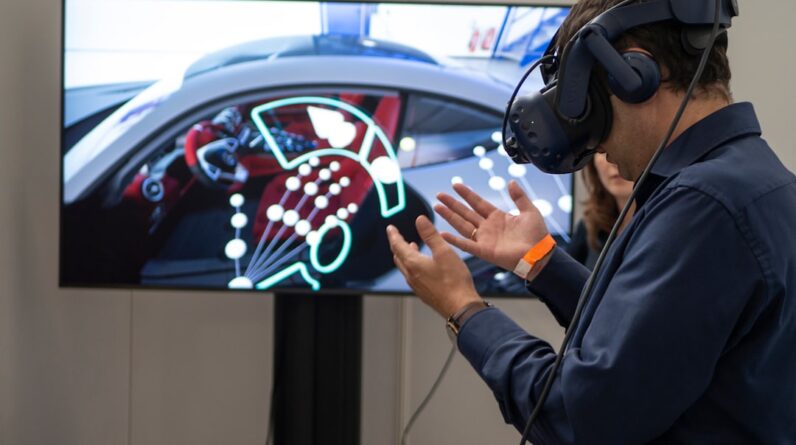
As you don your VR headset, you can immerse yourself in a fully rendered environment, exploring every corner and detail of your design. This level of engagement not only helps you understand spatial relationships but also enables you to make informed decisions about layout, color schemes, and furnishings.
Design Flexibility</hulation
3D modeling complements VR by providing a detailed digital representation of your design. You can manipulate elements in real-time, adjusting dimensions and materials with ease. This flexibility empowers you to experiment with different styles and configurations without the constraints of physical limitations.
Enhanced Collaboration and Connection
The ability to visualize your space in three dimensions fosters a deeper connection to the design process, making it an exciting journey rather than a daunting task. As you collaborate with designers, these tools facilitate clearer communication, ensuring that your vision aligns with their expertise.
Smart Home Technology

As you delve deeper into the realm of interior design, you may find yourself intrigued by the rise of smart home technology. This innovation has revolutionized how we interact with our living spaces, offering convenience, security, and energy efficiency at your fingertips. Imagine controlling your lighting, heating, and even appliances through a single app on your smartphone or tablet.
Smart home systems allow you to create personalized environments that cater to your lifestyle, enhancing both comfort and functionality. The integration of smart technology into interior design goes beyond mere convenience; it also contributes to sustainability. By utilizing smart thermostats and energy-efficient appliances, you can reduce your carbon footprint while enjoying modern comforts.
As you consider incorporating smart home features into your design, think about how these technologies can enhance your daily life. Whether it’s setting the perfect mood with adjustable lighting or ensuring your home is secure while you’re away, smart home technology offers a myriad of possibilities that can elevate your living experience.
Sustainable and Eco-Friendly Materials
In an era where environmental consciousness is paramount, the use of sustainable and eco-friendly materials in interior design has gained significant traction. As you embark on your design journey, consider how your choices can impact the planet. Sustainable materials not only reduce environmental harm but also contribute to healthier indoor air quality and overall well-being.
From reclaimed wood to recycled metals, there is a wealth of options available that align with eco-friendly principles. When selecting materials for your space, think about their lifecycle and sourcing. Opting for locally sourced products can minimize transportation emissions while supporting local economies.
Additionally, many manufacturers are now producing materials that are both stylish and sustainable, allowing you to create beautiful spaces without compromising your values. As you explore these options, you’ll find that eco-friendly design can be both aesthetically pleasing and environmentally responsible, making it a win-win for you and the planet.
Digital Fabrication and Customization
The advent of digital fabrication has opened up new avenues for customization in interior design. With technologies such as 3D printing and CNC machining, you can create bespoke furniture pieces and architectural elements tailored specifically to your needs. Imagine having a one-of-a-kind coffee table or light fixture that perfectly complements your style—this level of personalization is now within reach thanks to digital fabrication.
As you consider incorporating custom elements into your design, think about how these unique pieces can enhance the overall aesthetic of your space. Digital fabrication allows for intricate designs that would be challenging or impossible to achieve through traditional methods. You can collaborate with designers to bring your ideas to life, resulting in a space that truly reflects your personality and taste.
The ability to customize every aspect of your environment not only adds character but also creates a sense of ownership over your space.
Lighting and Automation
Customized Lighting Experiences
Smart lighting systems allow you to control brightness levels, color temperatures, and even create dynamic lighting scenes that adapt to different activities throughout the day. Imagine waking up to soft morning light that gradually brightens as you prepare for the day ahead or setting the perfect ambiance for an evening gathering with friends.
Seamless Integration with Smart Home Features
Automation extends beyond just lighting; it encompasses various aspects of your environment. By integrating lighting with other smart home features, you can create cohesive experiences that respond to your needs. For instance, imagine arriving home after a long day to find your lights automatically adjusting to a warm glow while your favorite music plays softly in the background.
Elevating the Atmosphere
This level of convenience not only enhances comfort but also elevates the overall atmosphere of your space.
Integration of Technology and Aesthetics
As technology continues to evolve, the challenge lies in seamlessly integrating it into the aesthetic fabric of interior design. You may wonder how to incorporate smart devices without compromising the visual appeal of your space. Fortunately, designers are increasingly focused on creating solutions that blend functionality with beauty.
From sleek smart speakers that double as decorative elements to hidden wiring solutions that maintain clean lines, there are countless ways to achieve harmony between technology and aesthetics. When considering technology in your design, think about how it can enhance rather than detract from your vision. The goal is to create an environment where technology feels like a natural extension of the space rather than an intrusive element.
By collaborating with designers who prioritize this integration, you can achieve a cohesive look that reflects your style while embracing modern conveniences.
Future Trends in Technology and Interior Design
As you look ahead to the future of interior design, it’s clear that technology will continue to play a transformative role in shaping our environments. Emerging trends such as augmented reality (AR) are set to revolutionize how we visualize spaces even further. Imagine being able to overlay digital elements onto physical spaces through AR applications, allowing you to experiment with colors and furnishings in real-time before making any commitments.
Additionally, advancements in artificial intelligence (AI) are poised to enhance personalization in interior design. AI algorithms can analyze your preferences and suggest tailored design solutions based on your unique tastes and lifestyle needs. As these technologies continue to develop, they will empower you to create spaces that are not only functional but also deeply reflective of who you are.
In conclusion, the integration of technology into interior design is an exciting journey filled with endless possibilities. From virtual reality experiences that allow you to explore designs before they come to life to smart home systems that enhance daily living, technology is reshaping how we interact with our spaces. As you navigate this evolving landscape, embrace the innovations that resonate with your vision and values—after all, the future of interior design is yours to shape.
FAQs
What is contemporary interior design?
Contemporary interior design refers to the current trends and styles in interior design, which often incorporate modern and innovative elements.
How does technology influence contemporary interior design?
Technology influences contemporary interior design by providing new materials, tools, and techniques for creating innovative and functional spaces. This includes the use of 3D modeling software, smart home technology, and sustainable materials.
What are some examples of technology used in contemporary interior design?
Examples of technology used in contemporary interior design include virtual reality for space planning, 3D printing for custom furniture and decor, smart lighting and climate control systems, and sustainable materials such as recycled glass and reclaimed wood.
How does technology impact the functionality of interior spaces?
Technology impacts the functionality of interior spaces by enabling the integration of smart home systems for automation and control, as well as the use of innovative materials and construction techniques to optimize space and improve efficiency.
What are the benefits of incorporating technology into interior design?
Incorporating technology into interior design can result in improved functionality, energy efficiency, and sustainability, as well as the ability to create unique and personalized spaces through the use of advanced tools and materials.