


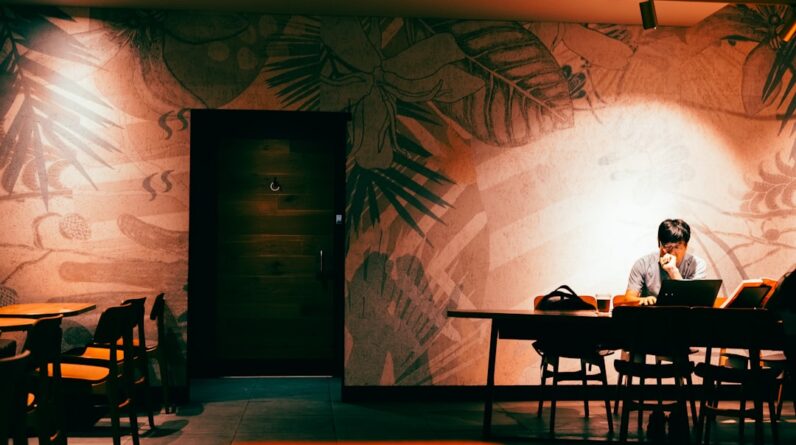
When embarking on a new design project, the initial consultation is a crucial first step. This is your opportunity to articulate your vision, preferences, and any specific requirements you may have. During this meeting, you will likely discuss your lifestyle, the functionality you desire from the space, and any aesthetic inspirations that resonate with you.
It’s essential to be open and honest about your expectations, as this will help the designer understand your needs and tailor their approach accordingly. You might find it helpful to bring along images or examples of designs that appeal to you, as visual references can significantly enhance communication. The assessment phase also involves a thorough evaluation of the existing space.
The designer will take measurements, note architectural features, and identify any limitations or challenges that may affect the project. This comprehensive understanding of the space will inform the design process moving forward. You should feel encouraged to ask questions and express any concerns during this stage, as it sets the foundation for a successful collaboration.
By the end of this initial consultation, you should have a clearer idea of what to expect and how the designer plans to proceed.
Key Takeaways
- Initial consultation and assessment is crucial to understand the client’s needs and preferences.
- Collaboration and design concept development involve working closely with the client to create a vision for the space.
- Budgeting and cost estimation help in setting realistic financial expectations for the project.
- Material and furniture selection play a key role in bringing the design concept to life.
- Space planning and layout are essential for optimizing the functionality and flow of the space.
Collaboration and Design Concept Development
Once the initial consultation is complete, the next phase involves collaboration and the development of a design concept. This is where your ideas begin to take shape, and you will work closely with the designer to refine your vision. You may engage in brainstorming sessions where various concepts are explored, allowing you to express your preferences while also considering the designer’s expertise.
This collaborative effort is vital, as it ensures that the final design reflects both your personal style and practical needs. As the design concept evolves, you will likely receive sketches or digital renderings that illustrate potential layouts and design elements. This visual representation can be incredibly helpful in making decisions about the overall direction of the project.
You should feel empowered to provide feedback and suggest modifications during this stage, as it is essential that you feel confident and excited about the proposed design. The goal is to create a cohesive concept that not only meets your functional requirements but also resonates with your aesthetic sensibilities.
Budgeting and Cost Estimation
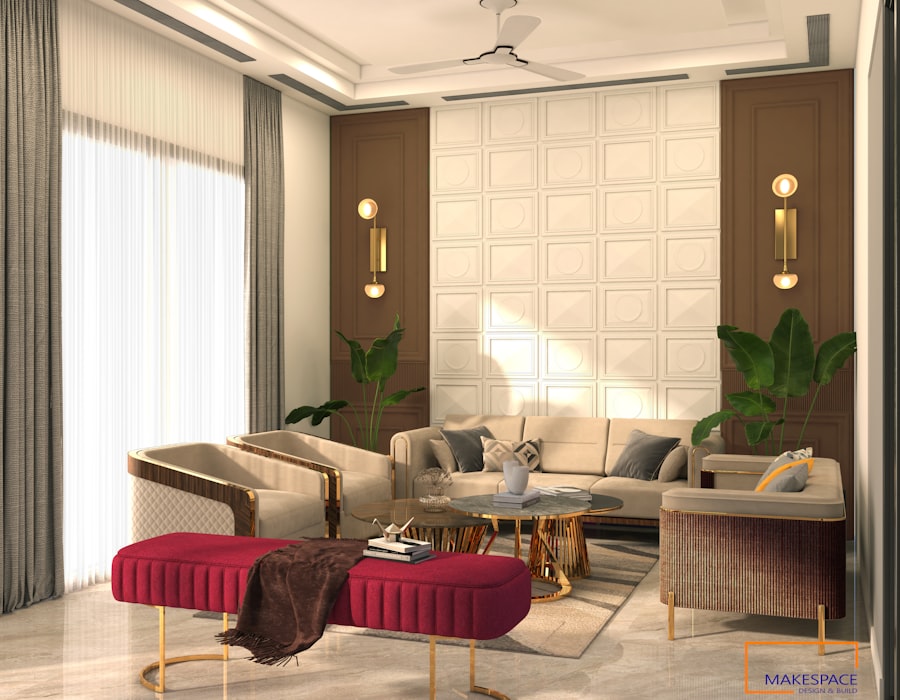
Budgeting is a critical aspect of any design project, and it’s essential to establish a clear financial framework early on. During this phase, you will work with your designer to outline a budget that aligns with your goals and expectations. It’s important to be transparent about your financial constraints, as this will help guide the selection of materials, furnishings, and other elements throughout the project.
A well-defined budget can prevent misunderstandings later on and ensure that you remain on track financially. Cost estimation involves breaking down the overall budget into specific categories, such as materials, labor, and any additional services required. Your designer will provide you with detailed estimates that reflect these costs, allowing you to make informed decisions about where to allocate resources.
You may also want to discuss potential areas for cost savings or alternative options that can achieve similar results without compromising quality. By actively participating in this budgeting process, you can ensure that your vision remains attainable while staying within your financial means.
Material and Furniture Selection
With a budget in place, the next step is selecting materials and furniture that align with your design concept. This phase is often one of the most exciting parts of the process, as you get to explore various textures, colors, and styles that will bring your vision to life. Your designer will guide you through this selection process, offering insights into the durability, maintenance requirements, and aesthetic appeal of different materials.
It’s essential to consider not only how these choices look but also how they will function within your space. As you delve into furniture selection, think about how each piece will contribute to the overall atmosphere of the room. You may want to consider factors such as scale, comfort, and style coherence when making your choices.
Your designer can help you source unique pieces or recommend trusted suppliers that align with your vision. This collaborative effort ensures that every element harmonizes with the overall design while meeting your practical needs. By carefully curating materials and furniture, you can create a space that feels both inviting and functional.
Space Planning and Layout
Space planning is a fundamental aspect of interior design that focuses on optimizing the layout of your space for both functionality and aesthetics. During this phase, you will work with your designer to determine how best to arrange furniture and other elements within the room. This process involves considering traffic flow, focal points, and how each area will be used on a daily basis.
A well-thought-out layout can significantly enhance the usability of your space while also creating an inviting atmosphere. Your designer may present several layout options for you to consider, each tailored to maximize efficiency while maintaining visual appeal. It’s important to think critically about how you envision using each area; for instance, if you entertain frequently, an open layout may be more suitable than a segmented one.
As you review these options, don’t hesitate to voice any preferences or concerns you may have. The goal is to create a layout that not only meets your functional needs but also feels comfortable and welcoming.
Color and Texture Coordination
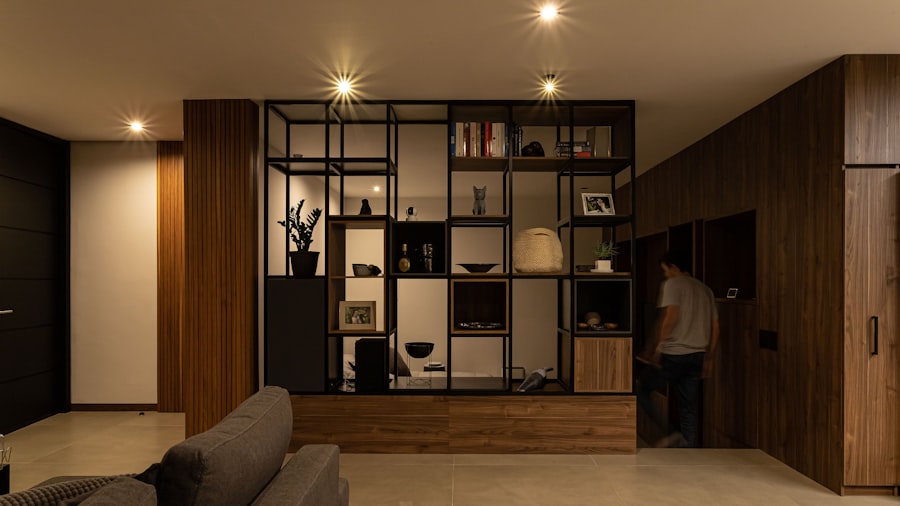
Color and texture play pivotal roles in setting the mood of a space. Once the layout is established, you can begin exploring color palettes and textures that resonate with your personal style. Your designer will likely present various options based on current trends as well as timeless choices that can enhance the overall aesthetic of your home.
It’s essential to consider how different colors interact with one another and how they can influence the perception of space; lighter colors can make a room feel larger, while darker hues can create intimacy. Texture adds depth and interest to a room, so think about incorporating a variety of materials—such as soft fabrics, sleek metals, or rustic woods—to create a dynamic environment. Your designer can help guide you in selecting complementary textures that enhance your chosen color scheme while ensuring cohesion throughout the space.
As you experiment with different combinations, keep in mind how these elements will work together to create an inviting atmosphere that reflects your personality.
Lighting and Fixture Selection
Lighting is often referred to as the unsung hero of interior design; it has the power to transform a space dramatically. During this phase of the project, you will collaborate with your designer to select lighting fixtures that not only illuminate but also enhance the overall aesthetic of your home. Consideration should be given to various types of lighting—ambient, task, and accent—as each serves a unique purpose in creating a well-lit environment.
Your designer may present options ranging from statement chandeliers to subtle recessed lighting, allowing you to choose fixtures that align with your style while providing adequate illumination for different activities. Additionally, think about incorporating dimmers or smart lighting solutions that allow for flexibility in mood setting throughout the day. By carefully selecting lighting fixtures that complement your design concept, you can create an inviting atmosphere that enhances both functionality and beauty.
Project Management and Timeline
Effective project management is essential for ensuring that your design project runs smoothly from start to finish. During this phase, your designer will outline a timeline that details key milestones and deadlines for each stage of the project. This timeline serves as a roadmap for both you and the design team, helping everyone stay on track while managing expectations regarding completion dates.
Regular communication is vital during this phase; you should feel comfortable reaching out to your designer with any questions or concerns as work progresses. Your designer will coordinate with contractors and suppliers to ensure that everything aligns with the established timeline while addressing any unforeseen challenges that may arise along the way. By maintaining open lines of communication and adhering to the project timeline, you can help facilitate a seamless execution of your design vision.
Installation and Construction
As the project moves into the installation phase, excitement often builds as you see your vision come to life. This stage involves bringing together all elements—from furniture delivery to final touches like artwork placement—creating a cohesive environment that reflects your style. Your designer will oversee this process, ensuring that everything is installed according to plan while addressing any last-minute adjustments needed for optimal results.
During installation, it’s important for you to remain engaged in the process; feel free to provide input on placements or adjustments as needed. This collaborative effort ensures that every detail aligns with your expectations while allowing for any necessary tweaks along the way. As construction wraps up and elements are put into place, you’ll begin to see how all aspects of design come together harmoniously within your space.
Final Walkthrough and Inspection
Once installation is complete, it’s time for the final walkthrough—a momentous occasion where you get to experience your newly designed space in its entirety. During this inspection, you’ll have an opportunity to assess every detail alongside your designer, ensuring everything meets your expectations before officially concluding the project. This walkthrough allows for any last-minute adjustments or corrections needed before finalizing everything.
Your designer will likely encourage feedback during this stage; if there are elements that don’t quite resonate with you or require tweaking, now is the time to address them. This collaborative approach ensures that you are completely satisfied with every aspect of your new space before moving forward. By taking this final step together, both you and your designer can celebrate the successful completion of a project that reflects your unique vision.
Post-Project Support and Maintenance
Even after project completion, support doesn’t have to end there; many designers offer post-project assistance to ensure long-term satisfaction with your newly designed space. This support may include guidance on maintenance practices for materials used or recommendations for seasonal updates that keep your home feeling fresh over time. Establishing an ongoing relationship with your designer can provide peace of mind as you navigate any future changes or enhancements.
Additionally, consider discussing options for periodic check-ins or consultations regarding potential updates or renovations down the line. By fostering this ongoing connection with your designer, you can ensure that your space continues to evolve alongside your lifestyle needs while maintaining its original charm and functionality. Ultimately, post-project support reinforces the collaborative spirit established throughout the design process—ensuring lasting satisfaction in every corner of your home.
FAQs
What are the typical steps involved in an interior design project in Frisco, TX?
The typical steps involved in an interior design project in Frisco, TX include initial consultation, design concept development, space planning, selection of materials and finishes, furniture and decor selection, and project implementation.
How long does an interior design project in Frisco, TX usually take?
The duration of an interior design project in Frisco, TX can vary depending on the scope of the project, but it typically takes several weeks to several months to complete.
What are the costs associated with an interior design project in Frisco, TX?
The costs associated with an interior design project in Frisco, TX can vary widely depending on the size and complexity of the project, as well as the designer’s fees and the cost of materials and furnishings.
What are some popular interior design styles in Frisco, TX?
Some popular interior design styles in Frisco, TX include modern, contemporary, traditional, farmhouse, and transitional styles, among others.
What should I look for in an interior designer in Frisco, TX?
When looking for an interior designer in Frisco, TX, it’s important to consider their experience, portfolio, design style, communication skills, and ability to work within your budget and timeline.


