Zen is more than just a philosophy; it is a way of life that emphasizes simplicity, mindfulness, and a deep connection to the present moment. When you embrace the essence of Zen, you cultivate an environment that fosters tranquility and clarity. This approach encourages you to strip away the unnecessary clutter in both your mind and your surroundings, allowing you to focus on what truly matters.
By adopting Zen principles, you can create a space that not only reflects your inner peace but also promotes a sense of calm and balance in your daily life. At its core, Zen is about finding harmony within yourself and your environment. It invites you to slow down and appreciate the beauty in simplicity.
This philosophy encourages you to engage with your surroundings in a mindful way, fostering a deeper appreciation for the small details that often go unnoticed. By integrating Zen into your home, you can create a sanctuary that nurtures your spirit and encourages a more intentional way of living. The essence of Zen lies in its ability to transform your space into a haven of peace, where every element serves a purpose and contributes to your overall well-being.
Key Takeaways
- Zen is about simplicity, mindfulness, and finding beauty in the present moment.
- Minimalist design focuses on clean lines, simple forms, and a clutter-free environment.
- Natural elements such as wood, stone, and plants bring a sense of calm and connection to the outdoors.
- A neutral color palette of whites, beiges, and soft grays creates a sense of tranquility and balance.
- Functional and harmonious spaces prioritize practicality and flow, allowing for ease of movement and a sense of calm.
Minimalist Design
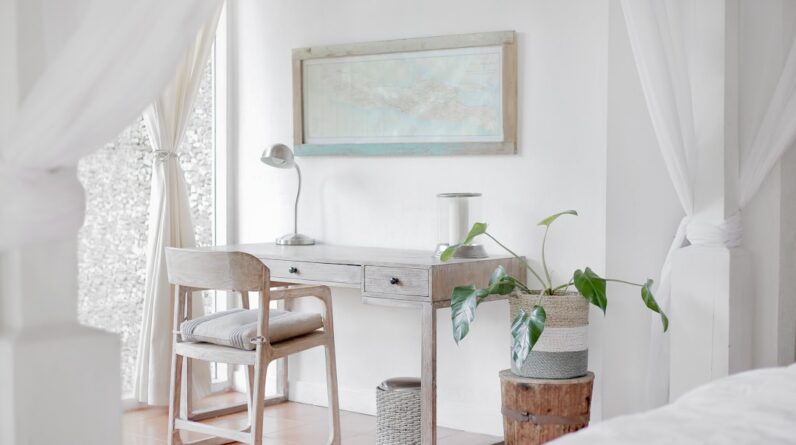
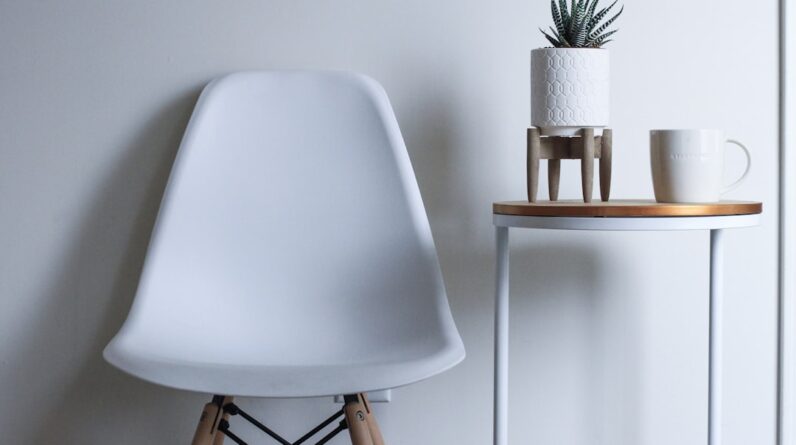
Minimalist design is a key component of creating a Zen-inspired space. It revolves around the idea that less is more, allowing you to focus on the essentials while eliminating distractions. When you adopt a minimalist approach, you prioritize functionality and simplicity, ensuring that each item in your home serves a specific purpose.
This not only creates a visually appealing environment but also promotes mental clarity, as you are less likely to feel overwhelmed by excess. Incorporating minimalist design into your home means being intentional about your choices. You might start by decluttering your space, removing items that no longer serve you or bring you joy.
This process can be liberating, as it allows you to create an open and airy atmosphere that feels inviting and serene. You can then select furniture and decor that embody clean lines and simple forms, ensuring that each piece harmonizes with the overall aesthetic. By embracing minimalist design, you cultivate an environment that encourages mindfulness and reflection, allowing you to fully engage with the present moment.
Natural Elements

Integrating natural elements into your home is essential for creating a Zen-inspired atmosphere. Nature has an innate ability to soothe the mind and body, making it a perfect complement to the principles of Zen. You can bring the outdoors in by incorporating materials such as wood, stone, and plants into your living space.
These elements not only enhance the aesthetic appeal of your home but also promote a sense of grounding and connection to the earth. Consider adding wooden furniture or accents to your space, as the warmth of natural wood can create a welcoming ambiance. Stone features, such as a pebble pathway or a rock garden, can evoke feelings of tranquility and stability.
Additionally, incorporating plants into your decor can breathe life into your home while improving air quality. Choose low-maintenance varieties like succulents or peace lilies to ensure that caring for them remains a mindful practice rather than a chore. By embracing natural elements, you create a harmonious environment that resonates with the essence of Zen.
Neutral Color Palette
A neutral color palette is another vital aspect of achieving a Zen-inspired home. Soft, muted tones create a calming backdrop that allows you to unwind and recharge. When selecting colors for your space, consider shades like beige, gray, soft whites, and earthy tones that evoke feelings of serenity and balance.
These colors not only promote relaxation but also provide versatility, allowing you to easily change decor elements without clashing with the overall aesthetic. Incorporating a neutral color palette can also enhance the natural light in your home, making spaces feel more open and airy. You might choose to paint your walls in soft whites or light grays, creating a blank canvas that invites creativity and mindfulness.
Accents in natural materials—such as wooden furniture or woven textiles—can further enhance this soothing atmosphere. By embracing a neutral color palette, you create an environment that encourages reflection and tranquility, allowing you to fully immerse yourself in the present moment.
Functional and Harmonious Spaces
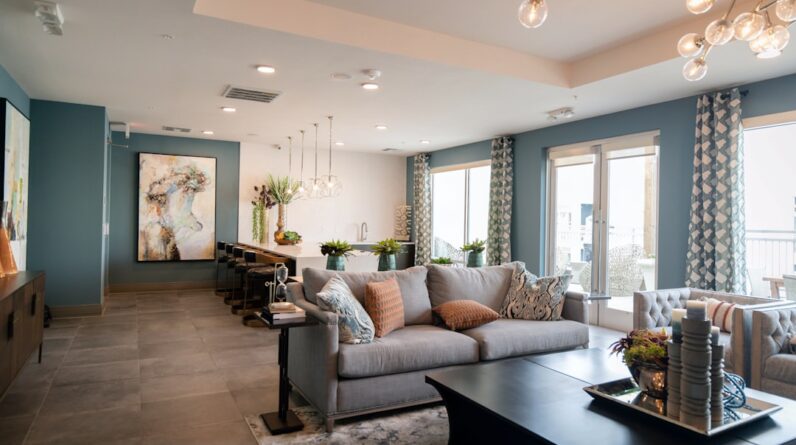
Creating functional and harmonious spaces is essential for cultivating a Zen-inspired home. Each area should serve a specific purpose while promoting a sense of flow and balance throughout your living environment. When designing your spaces, consider how they will be used and how they can best support your lifestyle.
This intentional approach ensures that every corner of your home contributes to your overall well-being. For instance, consider designing a meditation nook where you can retreat for quiet reflection or mindfulness practice. This space should be free from distractions and filled with elements that promote relaxation—such as comfortable seating, soft lighting, and calming decor.
Similarly, ensure that your living areas encourage connection and conversation while remaining uncluttered and inviting. By focusing on functionality and harmony in each space, you create an environment that nurtures both body and mind, allowing you to thrive in your daily life.
Mindful Decor

Curating a Personal Collection
This mindful approach encourages you to curate a collection of items that resonate with you personally while enhancing the tranquility of your environment. You might choose artwork that inspires calmness or sculptures that evoke feelings of serenity. Natural materials—such as bamboo or clay—can also be incorporated into your decor choices to reinforce the connection to nature.
Displaying Meaningful Objects
Additionally, consider displaying meaningful objects or mementos that remind you of positive experiences or cherished memories. By surrounding yourself with mindful decor, you create an environment that fosters reflection and gratitude, allowing you to cultivate a deeper sense of peace within yourself.
Fostering Reflection and Gratitude
Serene Lighting
Lighting is an often-overlooked aspect of creating a Zen-inspired home, yet it plays a crucial role in setting the mood and atmosphere of your space. Serene lighting can transform even the simplest room into a tranquil sanctuary. To achieve this effect, consider using soft, diffused lighting sources that create an inviting ambiance without being harsh or overwhelming.
You might opt for warm-toned bulbs or dimmable fixtures that allow you to adjust the brightness according to your needs. Incorporating natural light is also essential; consider using sheer curtains or strategically placing mirrors to reflect sunlight throughout your home. Additionally, adding candles or soft lanterns can create a cozy atmosphere during evenings or moments of relaxation.
By prioritizing serene lighting in your home, you enhance the overall sense of calm and tranquility, making it easier for you to unwind and connect with the present moment.
Creating a Zen-inspired Home
Creating a Zen-inspired home is an ongoing journey that requires intention and mindfulness at every step. Begin by assessing your current space and identifying areas where you can incorporate Zen principles—whether through decluttering, embracing natural elements, or adopting minimalist design practices. As you make these changes, remember that the goal is not perfection but rather cultivating an environment that nurtures peace and well-being.
Engage in regular reflection on how your space makes you feel and be open to adjusting elements as needed. You may find that certain decor items no longer resonate with you or that specific areas require more attention to achieve balance. By remaining mindful of these shifts, you can continue to refine your home into a sanctuary that supports your journey toward inner peace.
Ultimately, creating a Zen-inspired home is about fostering an atmosphere where you can thrive—one that encourages mindfulness, serenity, and connection with both yourself and the world around you.
FAQs
What is the concept of Zen-inspired contemporary interiors?
Zen-inspired contemporary interiors are designed to evoke a sense of tranquility, simplicity, and mindfulness. They often incorporate natural materials, minimalist design, and a neutral color palette to create a peaceful and harmonious living space.
What are the key elements of Zen-inspired contemporary interiors?
Key elements of Zen-inspired contemporary interiors include clean lines, uncluttered spaces, natural light, and a focus on functionality. These interiors often feature natural materials such as wood, stone, and bamboo, as well as simple and elegant furniture and decor.
How does Zen-inspired design promote tranquility?
Zen-inspired design promotes tranquility by creating a sense of balance and harmony in the living space. The use of natural materials, minimalist design, and a neutral color palette helps to create a calming and peaceful environment that encourages mindfulness and relaxation.
What are some common color schemes used in Zen-inspired contemporary interiors?
Common color schemes used in Zen-inspired contemporary interiors include neutral tones such as white, beige, and grey, as well as earthy colors like brown and green. These colors help to create a sense of serenity and simplicity in the living space.
How can I incorporate Zen-inspired design into my own home?
To incorporate Zen-inspired design into your own home, you can start by decluttering and simplifying your living space. Use natural materials and minimalist furniture, and incorporate elements of nature such as plants and natural light. Choose a neutral color palette and focus on creating a sense of balance and harmony in your home.