Choosing the right color scheme for your interior design can completely transform the look and feel of a room. Color has the power to evoke emotions create a sense of harmony and make a space feel larger or cozier. Here are some tips to help you create a beautiful and cohesive color scheme for your home.
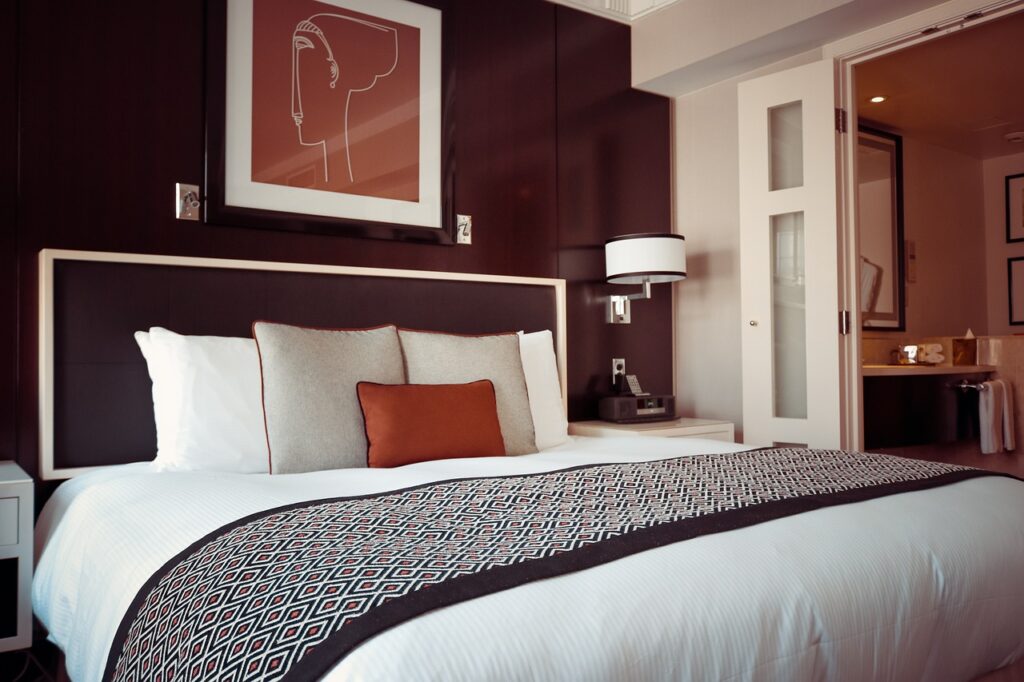
1. Start with a Base Color
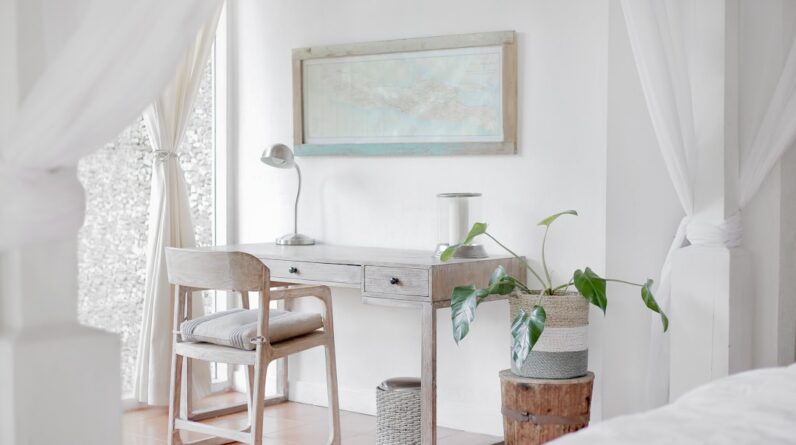
When choosing a color scheme it’s helpful to start with a base color that will be the foundation for the rest of the room. This can be a neutral color like white beige or grey or a bolder color like navy blue or emerald green. The base color will set the tone for the room and provide a backdrop for the other colors you choose.
2. Consider the Mood
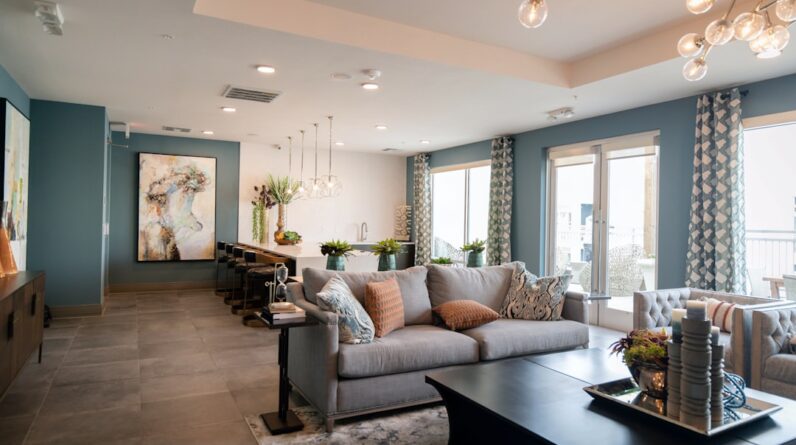
Think about the mood you want to create in the room. Different colors can evoke different emotions – for example blues and greens are calming and relaxing while yellows and oranges are energizing and cheerful. Choose colors that reflect the mood you want to create in the space.
3. Use the 60 30 10 Rule
A common rule of thumb in interior design is the 60 30 10 rule. This means that 60% of the room should be a dominant color 30% should be a secondary color and 10% should be an accent color. This helps create a balanced and cohesive color scheme without overwhelming the space.
4. Create Contrast
Adding contrast to your color scheme can create visual interest and make the room feel more dynamic. You can do this by pairing light and dark colors together or by using complementary colors that are opposite each other on the color wheel. This will help create a sense of balance in the space.
5. Pay Attention to Lighting
The lighting in a room can have a big impact on how colors appear. Natural light can make colors look brighter and more vibrant while artificial light can have a more subdued effect. Consider how the lighting in the room will affect the colors you choose and test out different options before making a final decision.

6. Use Texture and Patterns
Adding texture and patterns to your color scheme can help create depth and visual interest in the room. Mix different textures like wood metal and fabric and layer in patterns like stripes florals or geometric shapes. This will add dimension to the space and prevent it from feeling flat and one dimensional.
7. Don’t Be Afraid to Experiment
When it comes to color schemes don’t be afraid to step outside of your comfort zone and try something new. Experiment with bold colors unexpected combinations and different shades to see what works best for the space. You might be surprised at how a little bit of color can completely transform a room.

By following these tips and guidelines you can create a beautiful and cohesive color scheme for your interior design that reflects your personal style and creates a welcoming and harmonious space.
Related Topics About Interior Design Color Schemes
Contemporary Interior Design Color Schemes,
Different Color Schemes In Interior Design,
Interior Design Analogous Color Scheme,
Interior Design Color Palette Ideas,
Interior Design Color Palette Tool,
Interior Design Color Scheme Rules,
Interior Design Color Schemes,
Interior Design Color Wheel Schemes,
Interior Design Colour Scheme Ideas,
Interior Design Colour Schemes With Grey,
Interior Design Complementary Color Scheme,
Interior Design Red Color Schemes,
Interior Design Room Color Schemes,
Interior Design Triadic Color Scheme,
Interior Design Types Of Color Schemes,
Interior Design With Color Schemes,
Salon Interior Design Color Schemes,
Scandinavian Interior Design Color Schemes,
Traditional Interior Design Color Schemes,
What Colors Are In For Interior Design,
What Colors Go Together Interior Design,
What Colours Go Together Interior Design,
What Is Color Scheme In Interior Design