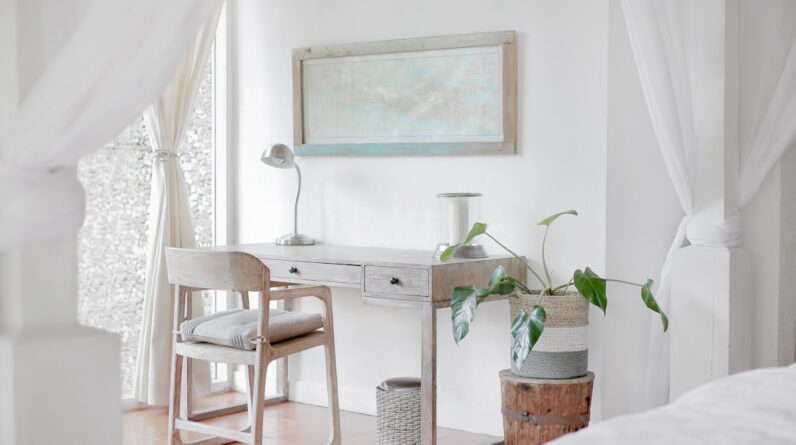
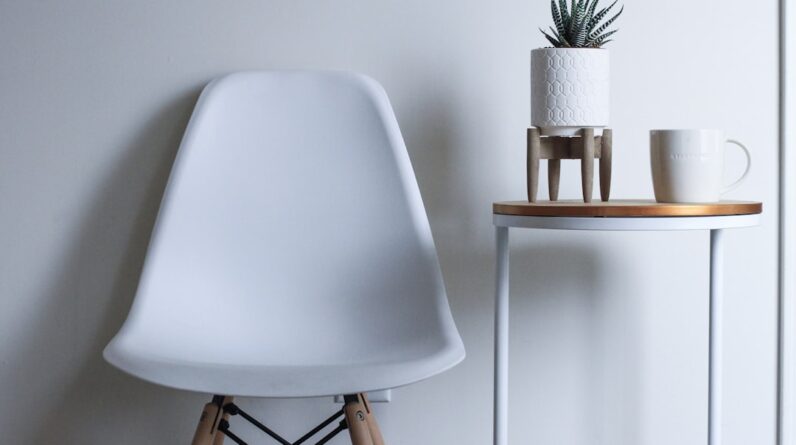
Embarking on the journey of interior design begins with a deep understanding of your personal style. This foundational step is crucial, as it sets the tone for every decision that follows. To truly grasp your aesthetic preferences, consider the elements that resonate with you on a personal level.
Are you drawn to the sleek lines and minimalism of modern design, or do you find comfort in the warmth and character of rustic decor? Perhaps you lean towards the eclectic charm of bohemian styles, where vibrant colors and varied textures create a lively atmosphere. By reflecting on your experiences, interests, and even your favorite travel destinations, you can begin to identify the themes and motifs that speak to you.
Creating a mood board can be an effective way to visualize these inspirations, allowing you to curate images, colors, and textures that evoke the feelings you wish to capture in your space. Once you have a clearer picture of your style, it’s essential to consider how it aligns with the functionality of your home. Your personal aesthetic should not only reflect who you are but also cater to your lifestyle needs.
For instance, if you have young children or pets, a delicate vintage style may not be practical. Instead, you might opt for durable materials and easy-to-clean surfaces while still incorporating elements that reflect your taste. This balance between style and practicality is vital; it ensures that your home is not only beautiful but also livable.
Engaging in this introspective process will empower you to make informed choices as you move forward in designing your space, ultimately leading to a harmonious environment that feels uniquely yours.
Key Takeaways
- Understanding your style is crucial for creating a cohesive and personalized interior design.
- Choosing the right color scheme can set the tone for the entire space and create the desired atmosphere.
- Selecting the perfect furniture involves considering both style and functionality to meet your needs.
- Maximizing space and functionality is essential for creating a practical and comfortable living environment.
- Incorporating personal touches adds character and uniqueness to your design, making it feel like home.
Choosing the Right Color Scheme
Emotional Responses to Colors
Soft blues and greens can create a serene atmosphere, ideal for bedrooms or relaxation areas, while bold reds and oranges can energize a space, making them suitable for social areas like living rooms or kitchens. It’s also important to consider the natural light in your home; colors can appear differently depending on the time of day and the quality of light.
Color Harmony and Balance
In addition to individual colors, the concept of color harmony plays a significant role in creating a cohesive look. Utilizing color theory can guide you in selecting complementary or analogous colors that work well together. A popular approach is the 60-30-10 rule: 60% of a room should be a dominant color, 30% a secondary color, and 10% an accent color. This method helps maintain balance while allowing for creative expression through pops of color.
Adding Texture and Pattern
Furthermore, consider incorporating textures and patterns into your color scheme; these elements can add depth and interest without overwhelming the space. By thoughtfully curating your color palette, you can create an inviting atmosphere that reflects your personality while enhancing the functionality of each room.
Selecting the Perfect Furniture
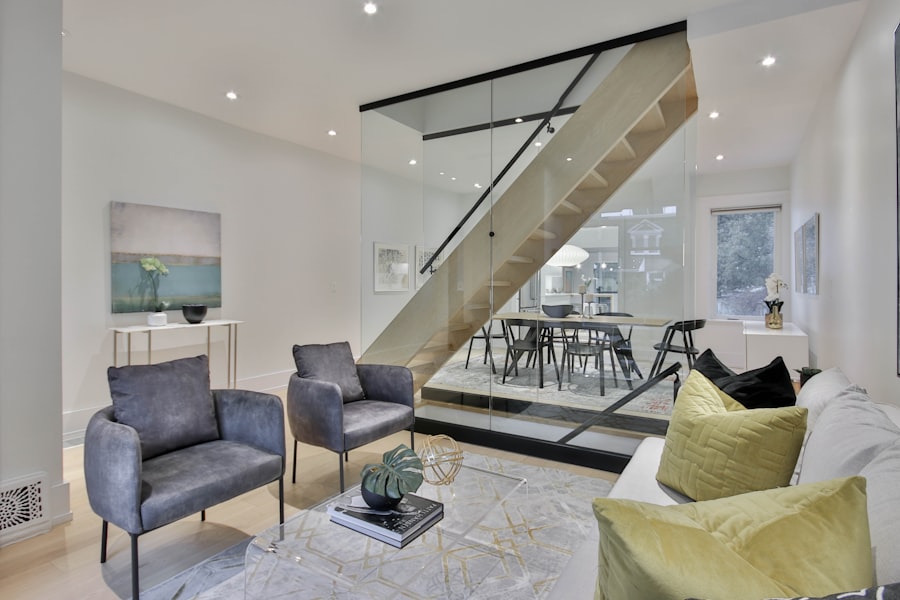
Choosing furniture is one of the most significant aspects of interior design, as it not only defines the functionality of a space but also contributes to its overall aesthetic. When selecting pieces, consider both form and function; furniture should serve its purpose while also aligning with your personal style. For example, if you favor a minimalist approach, opt for sleek, streamlined furniture that offers storage solutions without cluttering the space.
Conversely, if you prefer a more traditional look, consider investing in classic pieces with intricate details that add character and warmth to your home. It’s essential to measure your space accurately before making any purchases; oversized furniture can overwhelm a room, while too-small pieces may feel lost and insignificant. In addition to style and size, comfort should be a top priority when selecting furniture.
After all, your home should be a sanctuary where you can relax and unwind. Test out sofas, chairs, and beds before committing to ensure they meet your comfort standards. Additionally, consider the durability of materials; high-quality fabrics and finishes will withstand daily wear and tear while maintaining their beauty over time.
Mixing different materials—such as wood, metal, and upholstery—can create visual interest and depth within your design scheme. Finally, don’t shy away from incorporating vintage or second-hand pieces; these items often carry unique stories and charm that can enhance your overall design narrative.
Maximizing Space and Functionality
| Aspect | Metric |
|---|---|
| Space Utilization | Percentage of available space used |
| Functionality | Number of functional features incorporated |
| Flexibility | Number of configurable options |
| Efficiency | Time or resources saved through optimization |
In today’s world, where living spaces are often limited, maximizing space and functionality has become an essential aspect of interior design. Cleverly utilizing every square foot can transform even the smallest areas into efficient and inviting environments. Start by assessing how each room is used; understanding the primary functions will help you determine what furniture and layouts will work best.
For instance, in a small living room, consider multi-functional furniture such as ottomans with storage or coffee tables that can double as workspaces. Additionally, open shelving can provide both storage and display opportunities without taking up valuable floor space. By prioritizing functionality in your design choices, you can create an environment that meets your needs while remaining aesthetically pleasing.
Another effective strategy for maximizing space is to embrace verticality. Utilizing wall space for storage or decorative elements draws the eye upward, creating an illusion of height and openness in a room. Tall bookshelves or wall-mounted cabinets can provide ample storage without encroaching on floor space.
Mirrors are another powerful tool in this regard; strategically placing mirrors can reflect light and create a sense of depth within a room. Furthermore, consider the flow of movement within each space; ensuring there is enough room for people to navigate comfortably will enhance both functionality and comfort. By thoughtfully considering how to maximize space while maintaining an inviting atmosphere, you can create a home that feels both spacious and functional.
Incorporating Personal Touches
One of the most rewarding aspects of interior design is the opportunity to infuse your personality into your living space through personal touches. These elements not only make a house feel like a home but also tell your unique story to anyone who enters. Start by curating items that hold sentimental value—family heirlooms, travel souvenirs, or artwork created by loved ones can serve as focal points that spark conversation and evoke cherished memories.
Displaying these items thoughtfully throughout your home allows you to showcase your individuality while creating an inviting atmosphere that reflects who you are. In addition to sentimental items, consider incorporating hobbies or interests into your decor. For instance, if you are passionate about music, displaying vintage instruments or framed concert posters can add character to your space while celebrating your love for music.
Similarly, if you enjoy gardening, incorporating plants or botanical prints can bring life and vibrancy into your home. The key is to strike a balance between personal expression and cohesive design; while it’s important to showcase what matters to you, ensure that these elements harmonize with the overall aesthetic of your space. By thoughtfully integrating personal touches into your interior design, you create an environment that feels authentic and welcoming.
Lighting and Ambiance
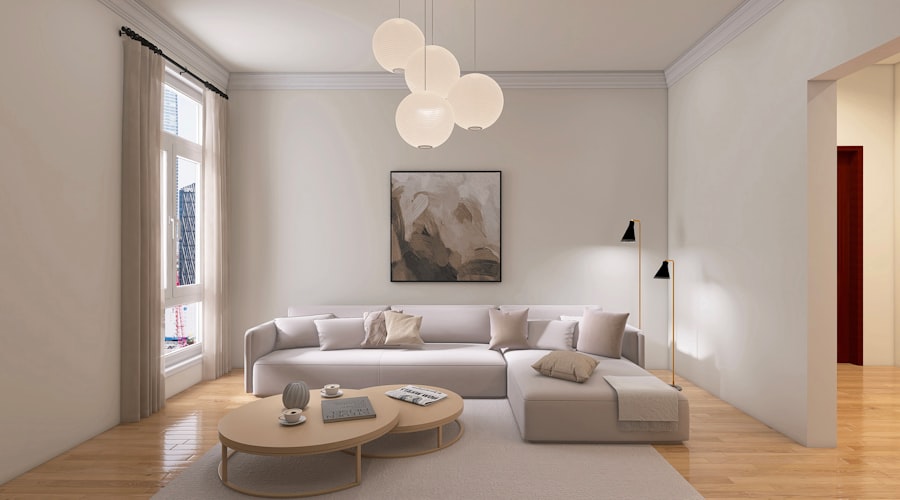
Layering Lighting for a Well-Rounded Ambiance
Lighting plays a pivotal role in shaping the ambiance of any room; it has the power to transform a space from mundane to magical with just a flick of a switch. When designing your home, consider layering different types of lighting—ambient, task, and accent—to create a well-rounded illumination scheme that caters to various activities and moods.
Understanding the Three Types of Lighting
Ambient lighting serves as the primary source of light in a room; ceiling fixtures or recessed lighting can provide general illumination while ensuring comfort during everyday tasks. Task lighting focuses on specific areas where activities such as reading or cooking take place; table lamps or under-cabinet lights are excellent choices for enhancing functionality without sacrificing style. Accent lighting adds drama and highlights architectural features or artwork within your home. Wall sconces or spotlights can draw attention to specific elements while creating visual interest in otherwise overlooked areas.
Customizing Your Lighting Experience
Additionally, consider the color temperature of your light bulbs; warmer tones tend to create a cozy atmosphere ideal for relaxation spaces like bedrooms or living rooms, while cooler tones may be more suitable for workspaces where focus is essential. Dimmers are another valuable addition; they allow you to adjust brightness levels according to mood or time of day, providing versatility in how you experience each room. By thoughtfully considering lighting options and their impact on ambiance, you can cultivate an inviting environment that enhances both functionality and aesthetic appeal.
Maintaining a Cohesive Design
Achieving a cohesive design throughout your home is essential for creating an inviting atmosphere that feels harmonious and well thought out. A unified aesthetic does not mean every room must look identical; rather, it involves establishing common threads that connect different spaces while allowing for individual expression within each area. Start by identifying key elements such as color palettes, materials, or design motifs that resonate throughout your home.
For instance, if you choose a specific color scheme for one room—perhaps soft neutrals with pops of blue—consider incorporating similar hues in adjacent spaces to create visual continuity. Additionally, pay attention to furniture styles and finishes; mixing too many disparate styles can lead to visual chaos rather than cohesion. Strive for balance by selecting pieces that complement one another while still allowing for personal flair in each room’s decor.
Accessories such as throw pillows, artwork, or decorative objects can also serve as unifying elements; choosing items that share common colors or themes will help tie different spaces together seamlessly. Ultimately, maintaining a cohesive design requires thoughtful consideration of how each element interacts with others within your home—creating an environment that feels both curated and comfortable for all who enter.
FAQs
What is the importance of interior design in a house?
Interior design is important in a house as it enhances the functionality, aesthetics, and overall feel of the space. It helps in creating a harmonious and comfortable environment that reflects the homeowner’s personality and lifestyle.
What are the key elements of house interior design?
Key elements of house interior design include space planning, color scheme, furniture selection, lighting, and accessories. These elements work together to create a cohesive and visually appealing interior.
How can I choose the right interior design style for my house?
To choose the right interior design style for your house, consider your personal preferences, the architectural style of your home, and the functionality of the space. Research different design styles such as modern, traditional, minimalist, or eclectic to find the one that best suits your taste and needs.
What are some popular trends in house interior design?
Some popular trends in house interior design include the use of natural materials, sustainable and eco-friendly design, open floor plans, and the incorporation of smart home technology. Additionally, there is a growing trend towards creating multi-functional spaces that can adapt to different needs.
How can I work with a professional interior designer for my house?
To work with a professional interior designer for your house, start by researching and interviewing potential designers to find one whose style and approach align with your vision. Clearly communicate your budget, timeline, and expectations, and collaborate closely with the designer throughout the design process to ensure your needs are met.