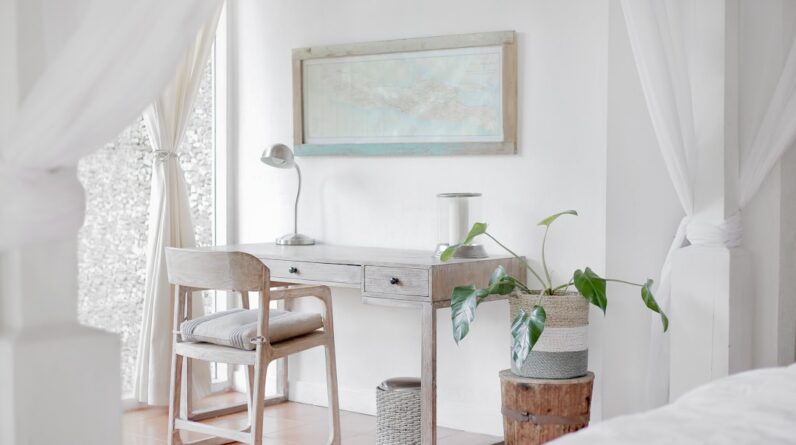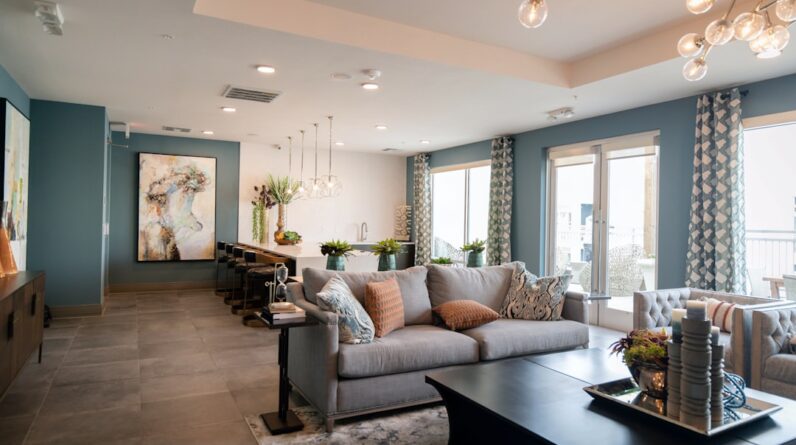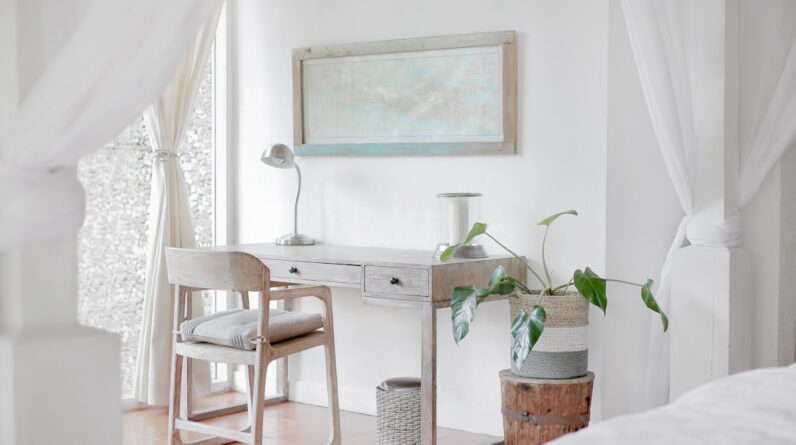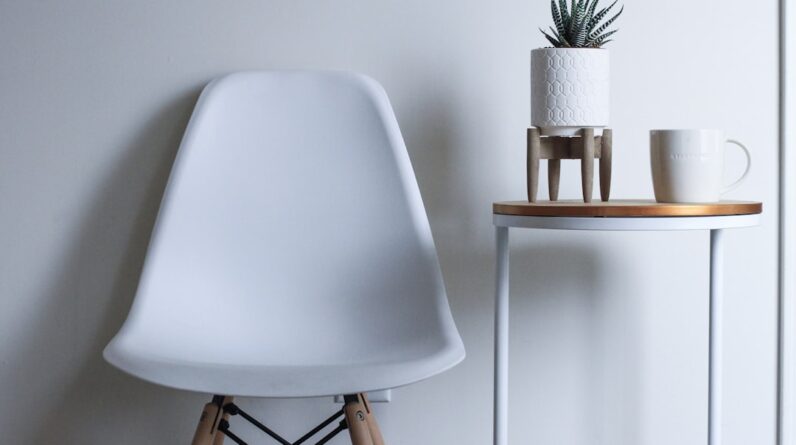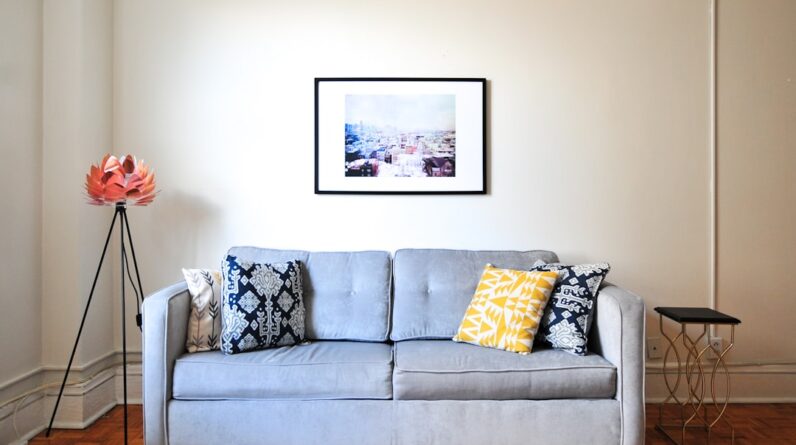
The color scheme of a room serves as the foundation upon which the entire aesthetic is built. It is essential to select hues that not only resonate with your personal style but also harmonize with the intended function of the space. For instance, soft pastels can evoke a sense of tranquility, making them ideal for bedrooms or relaxation areas, while vibrant colors can energize a living room or workspace.
When choosing a color palette, consider the psychological effects of colors; blues and greens are often associated with calmness and serenity, while yellows and oranges can stimulate creativity and enthusiasm. Additionally, think about how natural light interacts with your chosen colors throughout the day, as this can significantly alter their appearance and mood. Moreover, it is crucial to create a cohesive look by selecting complementary colors that work well together.
A popular approach is to use the 60-30-10 rule, where 60% of the room is painted in a dominant color, 30% in a secondary color, and 10% in an accent color. This method ensures balance and visual interest without overwhelming the senses. When experimenting with different shades, consider using paint samples on your walls to see how they look in various lighting conditions before making a final decision.
Ultimately, the right color scheme can transform a space from ordinary to extraordinary, setting the tone for your home and reflecting your unique personality.
Key Takeaways
- Choose a color scheme that reflects your personal style and complements the overall aesthetic of the room.
- Arrange furniture to create a functional and inviting space, considering traffic flow and focal points.
- Use lighting to set the ambiance and highlight key areas of the room, such as task lighting for workspaces and ambient lighting for relaxation areas.
- Add personal touches with decor and accessories that showcase your personality and interests.
- Incorporate stylish storage solutions that are both functional and visually appealing to keep the space organized and clutter-free.
- Select window treatments that enhance the natural light and provide privacy while complementing the overall design of the room.
- Create a focal point with art and decor to draw the eye and add visual interest to the space.
Furniture Arrangement and Placement
Defining the Room’s Purpose
Start by considering the primary function of the room; for example, in a living area, seating should be arranged to facilitate conversation while also allowing for easy access to other areas.
Creating Zones and Balance
It’s essential to create distinct zones within larger spaces, such as separating a reading nook from a social gathering area. This can be achieved through strategic placement of furniture, rugs, or even decorative screens that delineate different functions without creating barriers. Balance is key; consider the scale and proportion of each piece in relation to one another and the overall size of the room. For instance, large furniture items can dominate a small space, making it feel cramped, while smaller pieces may get lost in a vast area.
Adding Dynamism and Harmony
To achieve harmony, mix different heights and shapes, incorporating both low-profile items and taller elements like bookshelves or plants. Experimenting with angles can also add dynamism to the layout; instead of lining everything against the walls, try angling sofas or chairs to create a more intimate atmosphere. Ultimately, a well-considered furniture arrangement not only enhances usability but also elevates the overall design of your home.
Lighting and Ambiance
Lighting is one of the most critical elements in interior design, as it has the power to dramatically influence the mood and functionality of a space. A well-lit room can feel warm and inviting, while poor lighting can render even the most beautifully decorated areas unwelcoming. To create an effective lighting scheme, it’s essential to layer different types of lighting: ambient, task, and accent.
Ambient lighting provides overall illumination and can be achieved through ceiling fixtures or wall sconces. Task lighting focuses on specific areas where activities such as reading or cooking take place, often provided by table lamps or under-cabinet lights. Accent lighting highlights particular features or decor items, adding depth and interest to your design.
In addition to functionality, consider how lighting can enhance the ambiance of your home. Dimmers are an excellent addition that allows you to adjust brightness levels according to the time of day or occasion, creating a cozy atmosphere for intimate gatherings or brightening up for lively events. The color temperature of light bulbs also plays a significant role; warmer tones can create a relaxed environment, while cooler tones may be more suitable for workspaces.
Furthermore, incorporating natural light through windows or skylights can elevate the overall feel of a room, making it feel more spacious and connected to the outdoors. By thoughtfully considering your lighting choices, you can craft an inviting atmosphere that complements your design vision.
Adding Personal Touches with Decor and Accessories
| Decor and Accessories | Metrics |
|---|---|
| Number of Personalized Items | 25 |
| Customer Satisfaction Rating | 4.8 out of 5 |
| Percentage of Customers Who Purchase Personalized Items | 60% |
| Number of Return Customers Due to Personalized Experience | 100 |
Decorative accessories are what truly bring a space to life, infusing it with personality and character. These elements allow you to express your individuality and create an environment that feels uniquely yours. When selecting decor items such as artwork, vases, or throw pillows, consider how they reflect your interests and experiences.
For instance, travel souvenirs can serve as conversation starters while also adding a sense of nostalgia to your home. Layering textures through various materials—such as wood, metal, fabric, and glass—can also enhance visual interest and create a more dynamic atmosphere. Moreover, it’s essential to strike a balance between personal touches and overall cohesion within your design scheme.
While it’s tempting to display every cherished item you own, too many accessories can lead to visual clutter. Instead, curate your collection by choosing pieces that complement your color scheme and furniture arrangement. Grouping items in odd numbers often creates a more visually appealing display than even-numbered arrangements.
Additionally, consider varying heights and sizes when arranging decor on shelves or tabletops; this adds dimension and draws the eye across the space. By thoughtfully incorporating personal touches into your decor, you can create an inviting home that tells your story.
Incorporating Functional and Stylish Storage Solutions
In any home, effective storage solutions are essential for maintaining organization while also contributing to the overall aesthetic. Clutter can quickly detract from even the most beautifully designed spaces; therefore, finding stylish ways to store belongings is crucial. Consider multifunctional furniture pieces such as ottomans with hidden compartments or coffee tables with built-in shelves that provide both storage and surface area without sacrificing style.
Wall-mounted shelves are another excellent option for displaying books or decorative items while keeping floors clear. Additionally, think about how storage solutions can enhance your design theme rather than detract from it. For example, woven baskets can add texture and warmth while providing practical storage for blankets or toys.
Open shelving allows you to showcase attractive items while keeping everyday essentials within reach. When organizing storage spaces like closets or pantries, use clear bins or labeled containers to maintain order while making it easy to find what you need. By integrating functional storage solutions into your design plan, you can create an organized environment that remains visually appealing.
Selecting the Perfect Window Treatments

Factors to Consider
When selecting window treatments, consider factors such as fabric type, color, pattern, and length. Light-filtering fabrics can soften harsh sunlight while still allowing natural light to enter; heavier drapes can provide insulation and block out light entirely for bedrooms or media rooms.
Complementing Your Design Scheme
In addition to practical considerations, window treatments should complement your overall design scheme. For instance, sheer curtains can create an airy feel in coastal-themed spaces, while bold patterns may suit eclectic designs.
Adding Depth and Versatility
Layering different types of treatments—such as combining sheer curtains with blackout shades—can add depth and versatility to your windows. Furthermore, consider hardware options like decorative rods or finials that enhance the style of your treatments while providing functional support. By carefully selecting window treatments that align with your design vision, you can elevate your space while ensuring comfort and practicality.
Creating a Focal Point with Art and Décor
A well-designed room often features a focal point that draws the eye and anchors the space. This could be an oversized piece of artwork, an eye-catching piece of furniture, or even a striking architectural feature like a fireplace or large window. Establishing a focal point is essential for creating visual interest and guiding the flow of design throughout the room.
When selecting art or decor for this purpose, consider scale; larger pieces tend to command attention more effectively than smaller ones. Additionally, think about how colors within the focal point interact with other elements in the room to ensure harmony. Beyond simply choosing an impressive piece for display, consider how it relates to other decor elements within the space.
Surrounding your focal point with complementary accessories—such as smaller artworks or decorative objects—can enhance its impact without overwhelming it. Lighting is another crucial factor; spotlighting artwork with dedicated fixtures can elevate its presence while adding drama to the overall ambiance of the room. Ultimately, creating a focal point not only enhances visual appeal but also provides an opportunity for personal expression within your home’s design narrative.
By thoughtfully curating art and decor around this central element, you can craft an engaging environment that captivates both residents and guests alike.
FAQs
What is interior design for a sitting room?
Interior design for a sitting room involves creating a visually appealing and functional space by selecting and arranging furniture, decor, and color schemes to enhance the room’s aesthetics and comfort.
What are some key elements of interior design for a sitting room?
Key elements of interior design for a sitting room include furniture selection and arrangement, lighting, color schemes, textiles, and decor accessories.
How can I make my sitting room look more spacious?
To make a sitting room look more spacious, consider using light-colored paint on the walls, incorporating mirrors to create the illusion of depth, and selecting furniture with legs to create an open and airy feel.
What are some popular color schemes for sitting rooms?
Popular color schemes for sitting rooms include neutral tones such as white, beige, and gray, as well as calming blues and greens. Bold accent colors can also be used to add personality to the space.
What are some tips for arranging furniture in a sitting room?
When arranging furniture in a sitting room, consider the room’s focal point, create conversation areas, and ensure there is a clear pathway for movement. Additionally, balance the furniture layout to create a harmonious and functional space.
How can I incorporate personal style into my sitting room’s interior design?
Incorporate personal style into your sitting room’s interior design by adding unique decor items, displaying personal collections, and selecting furniture and textiles that reflect your individual taste and preferences.