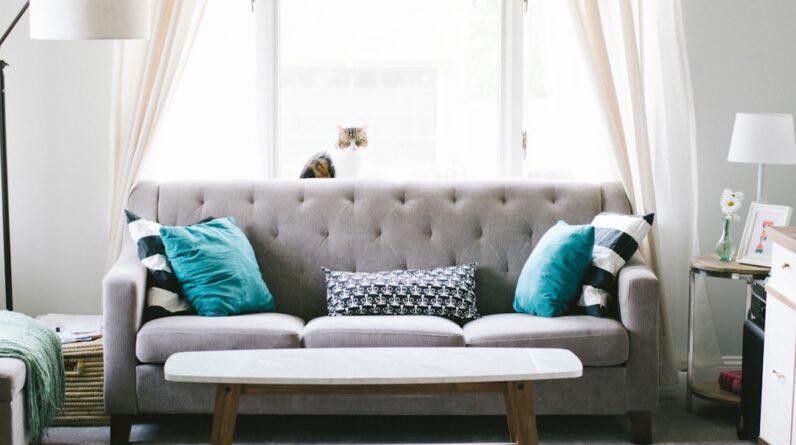
When you embark on a design project, the first step is often space planning and layout. This crucial phase involves analyzing the available space and determining how to best utilize it to meet your needs. You must consider the flow of movement within the area, ensuring that each section serves its purpose while allowing for easy navigation.
Whether you are designing a cozy living room, a functional kitchen, or an efficient office space, the layout can significantly impact how you interact with the environment. You might find it helpful to create a floor plan, sketching out different configurations to visualize how furniture and other elements will fit together. In addition to functionality, aesthetics play a vital role in space planning.
You want to create an inviting atmosphere that reflects your personal style. This means considering the proportions of furniture, the arrangement of different zones, and how natural light interacts with the space. For instance, placing a sofa in a way that encourages conversation while also allowing for easy access to other areas can enhance both usability and comfort.
As you work through this process, remember that the goal is to create a harmonious balance between form and function, ensuring that every square foot serves a purpose.
Key Takeaways
- Space planning and layout are crucial for creating a functional and efficient interior design.
- Material selection and finishes play a significant role in the overall aesthetic and durability of the space.
- Proper lighting and ventilation are essential for creating a comfortable and healthy environment.
- Effective storage and organization solutions are key to maintaining a clutter-free and organized space.
- Careful selection of fixtures and fittings can enhance the functionality and style of the interior design.
- Integrating technology into the design can improve the efficiency and convenience of the space.
- Accessibility and universal design considerations are important for creating inclusive and user-friendly spaces.
- Budget and maintenance should be carefully considered to ensure the long-term sustainability of the interior design.
Material Selection and Finishes
Considering Materials
The materials you choose will not only affect the overall look of your space but also its durability and maintenance requirements. You should consider factors such as texture, color, and sustainability when selecting materials. For example, natural wood can add warmth and character to a room, while metal finishes can introduce a modern edge.
Defining the Character of Your Space
Finishes are equally important in defining the character of your space. From paint colors to flooring options, each choice contributes to the overall ambiance. You might opt for soft, muted tones to create a calming environment or bold colors to make a statement.
Practicality and Functionality
Additionally, consider the practicality of your finishes; for instance, high-traffic areas may benefit from durable flooring options that can withstand wear and tear. By carefully selecting materials and finishes, you can create a space that is not only visually appealing but also functional and long-lasting.
Lighting and Ventilation

Lighting and ventilation are essential components of any well-designed space. Proper lighting can transform an area, enhancing its functionality while also setting the mood. You should think about layering different types of lighting—ambient, task, and accent—to create a balanced atmosphere.
For example, in a kitchen, you might use bright task lighting over work areas while incorporating softer ambient lighting for dining spaces. Natural light is also crucial; consider how windows and skylights can bring in daylight and improve your overall well-being. Ventilation is another critical aspect that often goes overlooked.
A well-ventilated space not only feels more comfortable but also promotes better air quality. You should assess how air flows through your area and consider options such as ceiling fans, exhaust fans, or even operable windows to enhance airflow. In spaces like kitchens and bathrooms, proper ventilation is vital to prevent moisture buildup and odors.
By prioritizing both lighting and ventilation in your design, you can create an environment that feels fresh and inviting.
Storage and Organization
As you continue to refine your design, storage and organization become paramount. A well-organized space not only looks better but also functions more efficiently. You should evaluate your storage needs based on how you use the space daily.
For instance, in a home office, consider built-in shelves or cabinets that can house books and supplies while keeping clutter at bay. In living areas, multifunctional furniture—like ottomans with hidden storage—can help maximize space without sacrificing style. Incorporating smart organization solutions can also enhance your overall design.
Think about using vertical space with wall-mounted shelves or hooks to keep items off the floor. Baskets and bins can provide stylish storage options while making it easy to access frequently used items. As you plan for storage, remember that it should blend seamlessly with your design aesthetic; choose materials and colors that complement your overall theme.
By prioritizing storage and organization, you can create a space that feels open and inviting rather than cramped and chaotic.
Fixtures and Fittings
Fixtures and fittings are the finishing touches that can elevate your design from ordinary to extraordinary. These elements include everything from faucets and cabinet hardware to light fixtures and door handles. When selecting fixtures, consider both functionality and style; you want pieces that not only work well but also enhance the overall aesthetic of your space.
For example, a sleek modern faucet can add a contemporary touch to a traditional kitchen. You should also pay attention to the scale of your fixtures in relation to the rest of the room. Oversized fixtures can overwhelm a small space, while tiny fittings may get lost in larger areas.
Striking the right balance is key to achieving a cohesive look. Additionally, think about finishes; mixing metals can create visual interest but requires careful consideration to ensure harmony throughout the design. By thoughtfully selecting fixtures and fittings, you can add personality and flair to your space while ensuring it remains functional.
Technology Integration

In today’s fast-paced world, technology integration is becoming increasingly important in design projects. You should consider how technology can enhance your living or working environment while maintaining aesthetic appeal. Smart home systems allow you to control lighting, temperature, and security with ease, creating a more convenient lifestyle.
As you plan for technology integration, think about how these systems will fit into your overall design without becoming obtrusive. Moreover, consider the placement of outlets and charging stations to ensure they are easily accessible yet discreetly integrated into your design. For instance, built-in charging stations in furniture can keep devices powered without cluttering surfaces with cords.
Additionally, think about how audio-visual equipment will be incorporated; whether it’s a sleek television mounted on the wall or speakers hidden within cabinetry, technology should enhance rather than detract from your design vision. By thoughtfully integrating technology into your space, you can create an environment that is both modern and functional.
Accessibility and Universal Design
As you finalize your design plans, it’s essential to consider accessibility and universal design principles. Creating spaces that are accessible to everyone—regardless of age or ability—ensures inclusivity and enhances usability for all occupants. You should evaluate how different users will interact with the space; for example, wide doorways and hallways can accommodate wheelchairs or strollers while ensuring ease of movement for everyone.
Incorporating universal design elements doesn’t mean sacrificing style; rather, it allows you to create beautiful spaces that are functional for all users. Consider features such as lever-style door handles instead of knobs or adjustable-height countertops in kitchens for added convenience. Additionally, think about lighting controls that are easy to reach for individuals with mobility challenges.
By prioritizing accessibility in your design process, you contribute to creating environments that are welcoming and accommodating for everyone.
Budget and Maintenance
Finally, as you bring your design project to fruition, budget considerations become paramount. Establishing a clear budget from the outset helps guide your decisions throughout the process. You should account for all aspects of the project—from materials and labor costs to furnishings and decor—to avoid unexpected expenses down the line.
It’s wise to set aside a contingency fund for any unforeseen issues that may arise during construction or installation. Maintenance is another critical factor that often gets overlooked during the design phase. You want to choose materials and finishes that not only fit within your budget but also align with your long-term maintenance goals.
For instance, opting for low-maintenance flooring or durable countertops can save time and money in the long run. As you finalize your design choices, consider how each element will hold up over time; investing in quality materials may require a higher initial outlay but can lead to significant savings on repairs or replacements down the road. By carefully managing your budget and considering maintenance needs, you can create a beautiful space that stands the test of time while remaining within financial limits.
In conclusion, designing a space involves careful consideration of various elements—from layout and materials to technology integration and accessibility. By taking a holistic approach that encompasses all these aspects, you can create an environment that is not only aesthetically pleasing but also functional and welcoming for everyone who uses it.
FAQs
What are the key considerations when designing a contemporary bathroom?
The key considerations when designing a contemporary bathroom include the use of modern fixtures and materials, maximizing space and functionality, and creating a cohesive design aesthetic.
How can luxury be incorporated into a contemporary bathroom design?
Luxury can be incorporated into a contemporary bathroom design through the use of high-end materials such as marble, quartz, and custom cabinetry, as well as luxurious fixtures such as rainfall showerheads, freestanding tubs, and heated floors.
What are some ways to ensure functionality in a contemporary bathroom design?
To ensure functionality in a contemporary bathroom design, it is important to prioritize storage solutions, efficient layout and flow, and the inclusion of practical fixtures and features such as dual sinks, ample lighting, and easy-to-clean surfaces.
What role does lighting play in the design of a contemporary bathroom?
Lighting plays a crucial role in the design of a contemporary bathroom, as it can enhance the overall ambiance, highlight key design elements, and provide adequate task lighting for grooming and other daily activities.
How can a cohesive design aesthetic be achieved in a contemporary bathroom?
A cohesive design aesthetic in a contemporary bathroom can be achieved through the use of consistent materials, colors, and finishes, as well as thoughtful attention to detail in the selection of fixtures, hardware, and accessories.