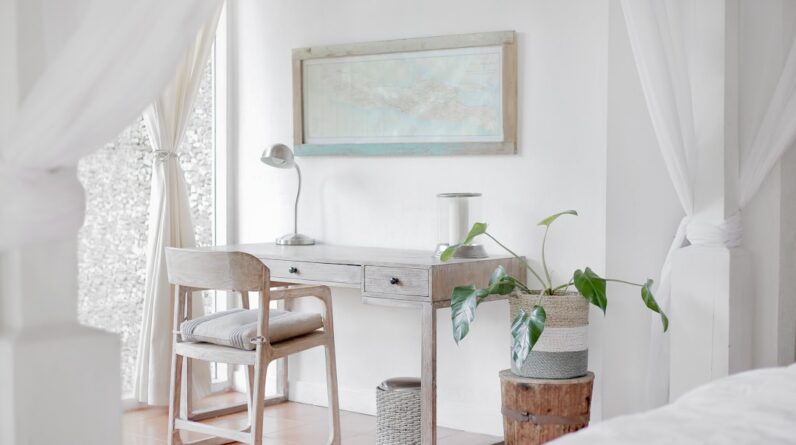
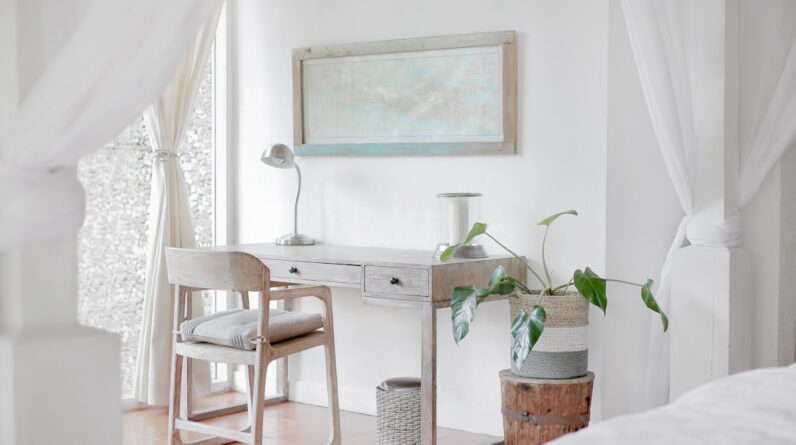
In today’s world, where environmental concerns are at the forefront of many discussions, the importance of sustainable furnishings in interior design cannot be overstated. As you consider how to create a beautiful and functional living space, it’s essential to recognize that the choices you make can have a significant impact on the planet. Sustainable furnishings not only enhance the aesthetic appeal of your home but also contribute to a healthier environment.
By opting for materials and products that are eco-friendly, you are making a conscious decision to support sustainable practices and reduce your carbon footprint. Moreover, sustainable furnishings often reflect a commitment to quality and craftsmanship. When you choose items made from responsibly sourced materials, you are investing in pieces that are likely to last longer and withstand the test of time.
This not only reduces waste but also encourages a more thoughtful approach to consumption. As you curate your living space, embracing sustainable furnishings allows you to create an atmosphere that is not only stylish but also aligned with your values and beliefs about environmental stewardship.
Key Takeaways
- Sustainable furnishings play a crucial role in promoting environmentally friendly interior design practices.
- Look for certifications such as FSC or Cradle to Cradle when identifying sustainable furnishings for your home.
- Incorporate sustainable furnishings into your interior design by choosing pieces made from recycled or upcycled materials.
- Choosing sustainable furnishings can lead to environmental benefits such as reduced carbon footprint and conservation of natural resources.
- Maintain and care for sustainable furnishings by using non-toxic cleaning products and avoiding harsh chemicals that can harm the environment.
How to Identify Sustainable Furnishings for Your Home
Identifying sustainable furnishings for your home can seem daunting at first, but with a little knowledge, you can make informed choices that align with your values. Start by looking for certifications that indicate a product’s sustainability. Labels such as Forest Stewardship Council (FSC) for wood products or Global Organic Textile Standard (GOTS) for textiles can guide you toward more responsible options.
These certifications ensure that the materials used in your furnishings are sourced from sustainable practices, promoting responsible forestry and organic farming. Additionally, pay attention to the materials used in the furnishings you are considering. Opt for natural materials like bamboo, reclaimed wood, or organic cotton, which have a lower environmental impact compared to synthetic alternatives.
When shopping, inquire about the manufacturing processes as well. Sustainable brands often prioritize eco-friendly production methods that minimize waste and energy consumption. By being vigilant about these factors, you can confidently select furnishings that not only enhance your home but also contribute positively to the environment.
Incorporating Sustainable Furnishings into Your Interior Design

Incorporating sustainable furnishings into your interior design can be an exciting journey of creativity and self-expression. Start by assessing your current space and identifying areas where you can replace conventional items with sustainable alternatives. For instance, consider swapping out traditional sofas for those made from recycled materials or organic fabrics.
This not only elevates the style of your living room but also sends a message about your commitment to sustainability. You can also blend sustainable furnishings with existing decor to create a harmonious look. Mixing vintage pieces with modern sustainable designs can add character and depth to your space.
For example, pairing a reclaimed wood dining table with contemporary chairs made from recycled plastic can create an eclectic yet cohesive aesthetic. As you experiment with different combinations, remember that sustainable design is not just about aesthetics; it’s about creating a space that feels good to live in while being mindful of the planet.
The Environmental Benefits of Choosing Sustainable Furnishings
Choosing sustainable furnishings comes with a myriad of environmental benefits that extend beyond your immediate living space. One of the most significant advantages is the reduction of waste associated with furniture production. By selecting items made from recycled or reclaimed materials, you are helping to divert waste from landfills and reduce the demand for new resources.
This practice not only conserves natural resources but also minimizes the energy consumption associated with manufacturing new products. Furthermore, sustainable furnishings often utilize non-toxic materials and finishes, which contribute to a healthier ecosystem. Many conventional furnishings are treated with harmful chemicals that can leach into the environment and affect air quality.
By opting for sustainable options, you are supporting manufacturers who prioritize eco-friendly practices and contribute to cleaner air and water systems. This ripple effect underscores the importance of making conscious choices in your interior design journey.
Tips for Maintaining and Caring for Sustainable Furnishings
Maintaining and caring for sustainable furnishings is crucial to ensuring their longevity and continued environmental benefits. Start by following the manufacturer’s care instructions, as different materials may require specific cleaning methods. For instance, natural wood may need periodic oiling to maintain its luster, while organic fabrics might require gentle washing techniques to preserve their integrity.
Additionally, consider adopting eco-friendly cleaning products that are free from harsh chemicals. Not only do these products help protect your sustainable furnishings, but they also contribute to a healthier indoor environment. Regular maintenance, such as dusting and avoiding direct sunlight exposure, can prevent wear and tear while keeping your furnishings looking their best.
By investing time in care, you ensure that your sustainable choices continue to benefit both your home and the planet.
The Impact of Sustainable Furnishings on Indoor Air Quality

The impact of sustainable furnishings on indoor air quality is an often-overlooked aspect of interior design. Many conventional furniture items are made from materials that release volatile organic compounds (VOCs), which can contribute to poor air quality and various health issues over time. In contrast, sustainable furnishings typically use non-toxic materials and finishes that do not emit harmful chemicals into your living space.
By choosing sustainable options, you are actively improving the air quality in your home, creating a healthier environment for yourself and your family. This is particularly important if you have children or individuals with respiratory issues, as clean air is essential for overall well-being. As you design your space, consider how each piece contributes not only to aesthetics but also to the health of your indoor environment.
Sustainable Furnishings: A Trend or a Long-Term Solution?
As you navigate the world of interior design, you may wonder whether sustainable furnishings are merely a passing trend or a long-term solution for responsible living. While trends often come and go, the movement toward sustainability is rooted in a growing awareness of environmental issues and a collective desire for change. More consumers are prioritizing eco-friendly choices in their purchasing decisions, signaling a shift toward long-term solutions rather than fleeting fads.
This shift is further supported by advancements in technology and design that make sustainable options more accessible and appealing than ever before. As manufacturers innovate and create stylish products from sustainable materials, it becomes increasingly clear that this movement is here to stay. By embracing sustainable furnishings now, you position yourself at the forefront of a transformative approach to interior design that prioritizes both style and responsibility.
Budget-Friendly Options for Sustainable Furnishings in Interior Design
Creating a sustainable home doesn’t have to break the bank; there are plenty of budget-friendly options available for those looking to incorporate eco-friendly furnishings into their interior design. Start by exploring thrift stores, flea markets, or online marketplaces where you can find unique vintage pieces at affordable prices. Not only do these items often come with character and history, but they also promote recycling and reduce demand for new products.
Additionally, consider DIY projects as a way to create sustainable furnishings on a budget. Upcycling old furniture or repurposing materials can lead to stunning results while allowing you to express your creativity. For example, transforming an old wooden pallet into a coffee table or using fabric scraps to create throw pillows can be both cost-effective and environmentally friendly.
By thinking outside the box and being resourceful, you can achieve a stylish and sustainable home without overspending. In conclusion, embracing sustainable furnishings in your interior design journey is not just about aesthetics; it’s about making choices that reflect your values and contribute positively to the environment. By understanding how to identify these products, incorporating them thoughtfully into your space, and recognizing their broader impact on health and sustainability, you can create a home that is both beautiful and responsible.
With budget-friendly options available, there has never been a better time to invest in sustainable furnishings that will enhance your living space while protecting our planet for future generations.
FAQs
What are sustainable furnishings in interior design?
Sustainable furnishings in interior design refer to furniture and decor items that are made from environmentally friendly materials, produced using sustainable manufacturing processes, and designed to have a minimal impact on the environment.
What are some examples of sustainable materials used in furnishings?
Some examples of sustainable materials used in furnishings include reclaimed wood, bamboo, cork, recycled metal, organic cotton, and eco-friendly fabrics made from hemp or linen.
How can sustainable furnishings contribute to a more eco-friendly interior design?
Sustainable furnishings contribute to a more eco-friendly interior design by reducing the consumption of natural resources, minimizing waste, and promoting the use of renewable and recyclable materials. They also support ethical and fair labor practices in the manufacturing process.
What are the benefits of using sustainable furnishings in interior design?
The benefits of using sustainable furnishings in interior design include reducing the carbon footprint, promoting healthier indoor air quality, supporting local artisans and small-scale producers, and creating a more environmentally conscious and socially responsible living space.
Where can one find sustainable furnishings for interior design projects?
Sustainable furnishings can be found at specialty eco-friendly furniture stores, online retailers that specialize in sustainable home decor, and through custom furniture makers who prioritize using sustainable materials and practices. Additionally, many mainstream furniture retailers now offer sustainable options in their product lines.