How Can I Design A Functional Home Office?
Designing a functional home office can feel overwhelming, especially if you’re doing it for the first time. With so many options available and numerous factors to consider, you might be wondering where to start. Don’t worry! By thinking strategically about your needs, aesthetic preferences, and workspace function, you’ll be well on your way to creating a beautiful and efficient home office that works just for you.

Understand Your Needs
The first step in designing your home office is to assess your needs. What kind of work do you do? Are you a remote employee, a freelancer, or building a side hustle? The answers to these questions will significantly influence your design choices. For instance, if your job requires frequent video calls, you might want to consider your backdrop and ensure it’s presentable. Alternatively, if you’re doing hands-on creative work, you’ll need ample space for materials and tools.
Taking the time to formulate a clear idea of your daily tasks will give direction to your design. Consider making a list of your responsibilities, the tools you require, and your preferred working style. This understanding will guide many decisions moving forward, from layout to furniture choices.
Choosing the Right Location
Location is crucial when it comes to a home office. Ideally, you want a space with minimal distractions, adequate lighting, and enough room for your setup. This could be a spare bedroom, a section of the living room, or even a corner of your bedroom, depending on your home layout.
Ensure that the location has access to electrical outlets for your devices and consider the proximity to communal areas. Being close to family members or roommates can be tempting during the workday, so you’ll need to strike a balance between accessibility and focus. Wherever you decide to set up, try to make it a designated work zone to mentally separate work from home life.
Create a Layout That Works
Now that you’ve chosen a location, it’s time to think about the layout of your office. The arrangement of your furniture can have a big impact on your comfort and workflow. You need to consider how you’ll move around the space and where you’ll place your desk, chair, and other essential items.
Think about the following aspects when determining your layout:
- The positioning of your desk in relation to light sources: Natural light can boost your mood and productivity, but you don’t want glare on your screens.
- The distance between your desk and other necessary items: Make sure your printer, files, or any other materials you use regularly are easily accessible.
- The arrangement of furniture: Aim for a flow that works for you; you should be able to comfortably access your desk and other items without obstacles.
If possible, consider sketching out different layouts on paper or using design software to visualize your ideas. Experiment until you find a solution that feels functional and aesthetically pleasing.
Invest in Quality Furniture
When it comes to creating a functional home office, investing in quality furniture is essential. Since you’ll be spending a lot of time in this space, comfort should be a top priority.
Desk Selection
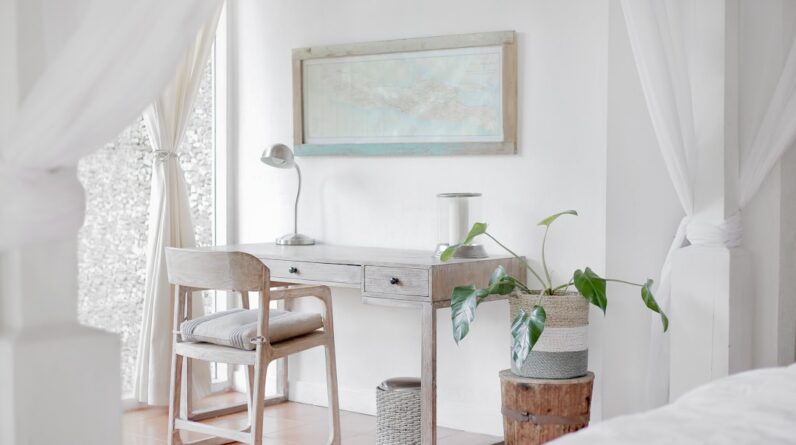
Choose a desk that suits your work style. If you often work with papers, a larger desk with sufficient surface area is ideal. However, if your tasks are primarily digital, a minimalist desk can provide a clean, uncluttered workspace. Consider adjustable desks as well, which allow you to alternate between sitting and standing, promoting better posture and wellbeing.
Chair Comfort
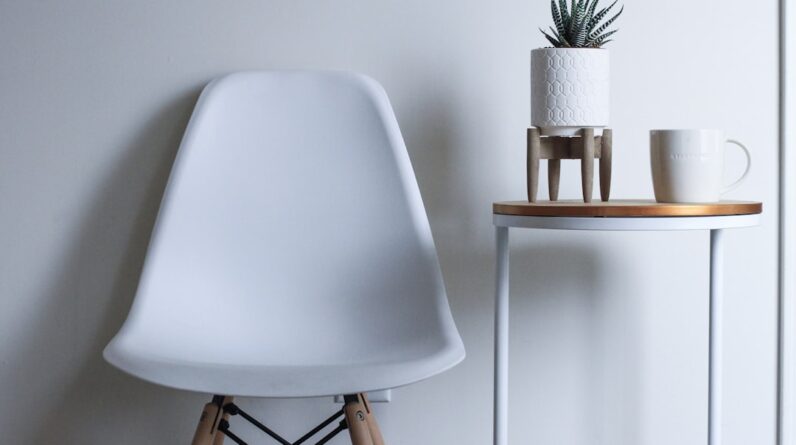
Don’t underestimate the importance of a good chair! An ergonomic chair can alleviate back pain and discomfort, which is especially crucial if you’re working long hours. Look for options with adjustable height, lumbar support, and comfortable cushioning.
Choosing the right furniture extends to storage solutions as well. Shelving, filing cabinets, and organizers will help you keep your workspace tidy and efficient. A clutter-free environment can enhance productivity, allowing your mind to focus on the tasks at hand.
Personalize Your Space
Now that you have the basics covered, it’s time to infuse some personality into your home office. Personal touches not only make the space more enjoyable but also inspire creativity and motivation.
Decor Elements
Consider incorporating elements that inspire you. This could be artwork that resonates with you, motivating quotes printed and framed, or family photos that bring you joy. Plants are also a great addition; they improve air quality and can enhance your overall mood.
It’s important to strike a balance between personalization and professionalism, especially if you often have video calls or work-related visits. Aim to create a cozy yet sophisticated atmosphere that reflects who you are without becoming too distracting.
Color Choice
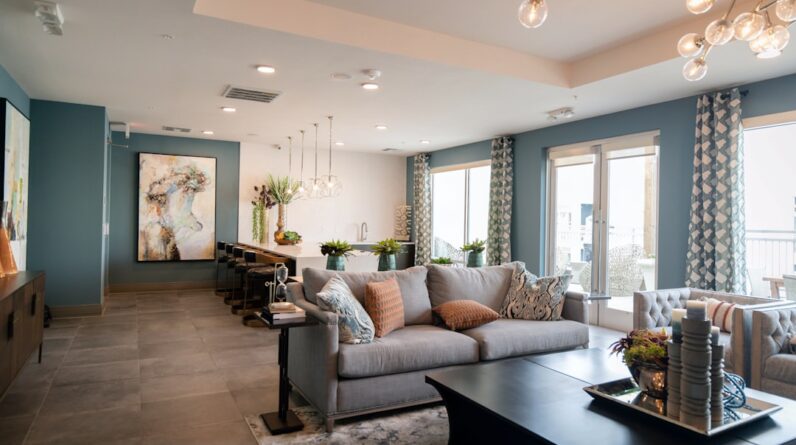
Your color scheme plays a significant role in how you feel in your workspace. Research shows that different colors affect mood and productivity in varying ways. For example:
- Blues and greens can promote calmness and focus.
- Yellows can inspire creativity.
- Neutrals can create a serene environment.
Take some time to think about how you want the space to feel and choose colors accordingly. You might even want to create a mood board to visualize your ideas!

Enhance Your Technology Setup
In today’s digital age, having a functional technology setup is crucial for an efficient home office. Depending on your work requirements, you may need a range of devices, from computers to tablets, printers, and more.
Computer and Accessories
Your computer is likely the heart of your office. Invest in a reliable one that can handle your workload without lag. Also, consider external monitors for better visibility, as they can significantly enhance your productivity, especially if you often multitask.
Don’t forget about accessories! A good quality keyboard and mouse can improve your typing experience, and a laptop stand can help position your screen at eye level, reducing strain on your neck.
Cable Management
Keep your workspace neat by focusing on cable management. Tidy up unsightly cords using cable clips, sleeves, or trays. A clean and organized setup not only looks better but can also help you avoid safety hazards and distractions.
Incorporate Task-Specific Zones
If your work requires different activities, consider creating task-specific zones in your home office. This could mean designating areas for specific tasks like writing, brainstorming, or meetings. Having defined spaces within your office can enhance organization and efficiency.
For example, if you often have virtual meetings, you might set up a corner with an appealing background, excellent lighting, and the right camera angle. Conversely, if you tend to do hands-on crafting or need space for samples, a dedicated area for that specific task can keep things organized and help you focus.
Optimize Lighting
Good lighting is paramount in any workspace. It not only affects your mood but also impacts productivity and eye strain.
Natural Lighting
If you have the option, position your desk near natural light sources. Natural light can elevate your mood and keep you awake and focused. When possible, keep windows unobstructed to let the most light in, but be mindful of glare on screens.
Task Lighting
Supplement your natural light with adjustable task lighting. Desk lamps or pendant lighting can provide direct light where you need it the most, especially during late-night work sessions. A dimmer switch can also be a great addition, allowing you to create the right atmosphere throughout the day.
Maintain a Comfortable Temperature
Being comfortable in your home office involves more than just furniture and decor; temperature matters too. A workspace that’s too hot or cold can distract you from your work and hinder productivity.
Consider adding a fan or heating element depending on your climate. If you’re working in a small space, you might want to invest in a small air conditioner or heater to help maintain a comfortable temperature year-round.
Establish Boundaries
While working from home, it’s crucial to establish clear boundaries between your work and personal life. This is an especially important aspect of creating a functional home office.
Create a Routine
Develop a routine that helps signal the start and end of your workday. This can include specifics like changing your clothes, setting specific working hours, and taking scheduled breaks.
Let your family or housemates know your work hours, so they can respect your time and space. A designated working environment can aid in making that boundary clearer and serve as a physical reminder of work mode.
Communicate Needs
If others are sharing your space, effective communication is vital. Do not hesitate to politely ask for quiet hours or undisturbed time if that’s what you need to stay productive. Setting expectations with your household can result in a more harmonious working environment.
Make It Functional and Flexible
Flexibility is an often-overlooked aspect when designing a home office. Your work life may change, and so may your requirements. Designing a space that can adapt and grow with you is wise.
Multi-Purpose Furniture
Consider furniture solutions that serve multiple purposes. For example, a fold-out desk can be tucked away when not in use, and storage units can double as seating for guests if needed. This flexibility is especially valuable in smaller spaces.
Easy-to-Adjust Solutions
You might also want to invest in adjustable or modular pieces that can change based on your needs. For instance, a sit-stand desk allows you to switch between sitting and standing throughout the day, which can help combat fatigue.
Regularly Evaluate Your Workspace
Once your home office is set up, don’t forget that it may need adjustments over time. Regularly evaluate how well your space is functioning for your needs. Are there any areas of clutter that need to be reevaluated? Do you feel comfortable and productive?
Setting aside time every few months to check in with yourself will keep your workspace optimized for functionality and creativity.
Make Incremental Changes
Remember, you don’t have to make sweeping changes all at once. Sometimes small adjustments—rearranging furniture, adding a new plant, or upgrading a chair—can have a big impact on your overall productivity and comfort.
Conclude the Design Process with Intention
Designing a functional home office is a personal journey that requires intention. It’s essential to be patient with yourself as you figure it all out. By following the guidelines in this article and tailoring them to fit your needs, you will be well on your way to creating a home office where you can thrive.
Creating this dedicated space is an investment in your productivity, creativity, and overall well-being. We hope this journey is fulfilling for you, and that you end up with a workspace that you truly love.
Engage with This Article
If you enjoyed this article or found it helpful, feel free to clap, leave a comment, and don’t forget to subscribe to my Medium newsletter for more updates on creating spaces that work for you. Happy designing!