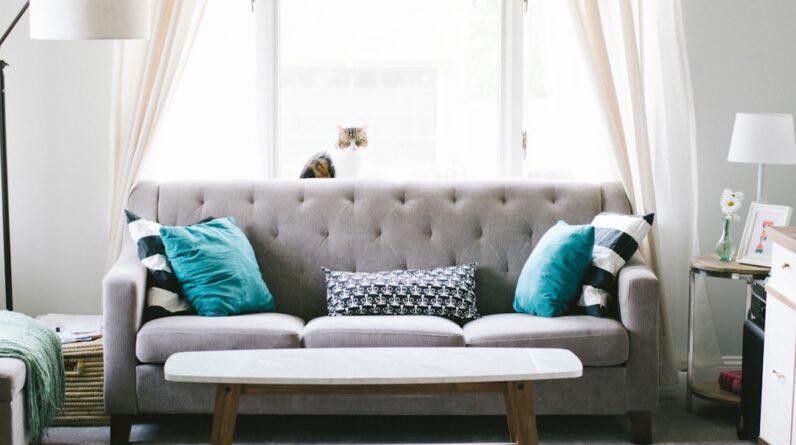
Before embarking on the journey of hiring a designer, it is crucial to take a step back and reflect on your personal style and specific needs. This initial phase is not merely about aesthetics; it’s about understanding what resonates with you on a deeper level. Consider the spaces you admire, the colors that evoke emotions, and the functionality that your lifestyle demands.
Are you drawn to minimalist designs, or do you prefer a more eclectic approach? By identifying your preferences, you can articulate your vision more clearly to potential designers. Moreover, think about the purpose of the design project.
Are you renovating a single room, or are you looking to redesign your entire home? Each project comes with its own set of requirements and challenges. By defining your needs upfront, you can ensure that the designer you choose is well-equipped to meet them.
Take the time to create a mood board or a list of inspirations that reflect your style. This will serve as a valuable reference point during discussions with designers, helping them understand your vision and how best to bring it to life.
Key Takeaways
- Understanding your style and needs is crucial for finding the right designer
- Research and shortlist potential designers based on their portfolio and style
- Check credentials and experience to ensure the designer is qualified for your project
- Review past projects and client testimonials to gauge the designer’s quality of work
- Set a realistic budget to ensure you can afford the designer’s services
- Meet and interview potential designers to assess their personality and communication style
- Discuss communication and project management to ensure a smooth working relationship
- Clarify the design process and timeline to set expectations for the project
- Understand the contract and fees involved before making a final decision
- Collaborate and communicate effectively with the chosen designer for a successful project
Researching and Shortlisting Potential Designers
Once you have a clear understanding of your style and needs, the next step is to research potential designers who align with your vision. Start by exploring online platforms, social media, and design websites where you can find portfolios of various designers. Pay attention to their previous work and see if their style resonates with what you have in mind.
You might also want to ask friends or family for recommendations, as personal referrals can often lead you to talented professionals who may not be widely advertised. As you compile a list of potential designers, consider their areas of expertise. Some designers specialize in residential projects, while others may focus on commercial spaces or specific styles like contemporary or traditional design.
Narrowing down your options based on these factors will help you find designers who are not only skilled but also passionate about the type of project you are undertaking. Aim for a shortlist of at least three to five designers to ensure you have enough options to compare and contrast.
Checking Credentials and Experience
With your shortlist in hand, it’s time to delve deeper into each designer’s credentials and experience. Start by checking their educational background and any certifications they may hold. A designer with formal training in interior design or architecture often brings a wealth of knowledge and expertise to the table.
Additionally, look for memberships in professional organizations, as these affiliations can indicate a commitment to industry standards and ongoing education. Experience is another critical factor to consider. A designer who has been in the field for several years will likely have encountered a variety of challenges and developed problem-solving skills that can benefit your project.
Inquire about their experience with projects similar to yours, as this can provide insight into their ability to handle your specific needs. A well-rounded designer will not only have technical skills but also a portfolio that showcases their versatility and adaptability across different styles and spaces.
Reviewing Past Projects and Client Testimonials
As you continue your evaluation process, take the time to review each designer’s past projects and client testimonials. A strong portfolio will give you a visual representation of their work and help you gauge whether their style aligns with your vision. Look for diversity in their projects; this can indicate their ability to adapt to different client needs and preferences.
Pay attention to the details in their designs—how they utilize space, color palettes, and materials can reveal much about their design philosophy. Client testimonials are equally important as they provide firsthand accounts of what it’s like to work with a particular designer. Look for reviews that highlight not only the quality of the design work but also aspects such as communication, professionalism, and adherence to timelines.
Positive feedback from previous clients can give you confidence in your choice, while any recurring negative comments should raise red flags. By gathering this information, you can make a more informed decision about which designer might be the best fit for your project.
Setting a Realistic Budget
Budgeting is an essential aspect of any design project, and it’s important to establish a realistic budget before moving forward. Take some time to assess your financial situation and determine how much you are willing to invest in the design process. Keep in mind that design costs can vary significantly based on factors such as the designer’s experience, the scope of the project, and the materials used.
By setting a clear budget, you can avoid overspending and ensure that your expectations align with what is financially feasible. When discussing budget with potential designers, be open about your financial constraints while also being realistic about what can be achieved within that budget. A good designer will be able to work with you to find creative solutions that meet your needs without compromising quality.
Additionally, consider setting aside a contingency fund for unexpected expenses that may arise during the project. This will provide you with peace of mind knowing that you are prepared for any surprises along the way.
Meeting and Interviewing Potential Designers

After narrowing down your options based on research and credentials, it’s time to meet with potential designers for interviews. This step is crucial as it allows you to gauge their personality, communication style, and overall compatibility with your vision. Prepare a list of questions that cover important topics such as their design philosophy, approach to collaboration, and how they handle challenges during a project.
This will help you assess whether they are someone you would enjoy working with throughout the design process. During these meetings, pay attention not only to their answers but also to how they listen and respond to your ideas. A good designer should be receptive to your input while also offering valuable insights based on their expertise.
This balance is essential for fostering a collaborative relationship that will ultimately lead to a successful outcome. Trust your instincts during these meetings; if something feels off or if there’s a lack of chemistry, it may be worth considering other options.
Discussing Communication and Project Management
Effective communication is key to any successful design project, so it’s important to discuss how potential designers manage communication throughout the process. Ask about their preferred methods of communication—whether it’s through email, phone calls, or in-person meetings—and how often they provide updates on project progress. A designer who prioritizes clear communication will help ensure that you remain informed and engaged throughout the entire process.
Additionally, inquire about their project management approach. How do they handle timelines, budgets, and any potential setbacks? A well-organized designer will have systems in place to keep everything on track while also being flexible enough to adapt when necessary.
Understanding their approach will give you confidence that they can manage the complexities of your project effectively.
Clarifying Design Process and Timeline
Every designer has their own unique process for bringing a project from concept to completion, so it’s essential to clarify this during your discussions. Ask potential designers about their typical workflow—how they gather information from clients, develop initial concepts, and refine designs based on feedback. Understanding their process will help set expectations for how the project will unfold.
In addition to the design process, discuss timelines as well. How long do they anticipate each phase of the project will take? While it’s important to be realistic about timelines—design projects often encounter unforeseen delays—having a general idea will help you plan accordingly.
A good designer should be able to provide an estimated timeline while also being transparent about potential factors that could impact it.
Understanding the Contract and Fees
Once you’ve selected a designer who aligns with your vision and needs, it’s time to discuss contracts and fees in detail. A well-drafted contract should outline all aspects of the project, including scope of work, payment terms, timelines, and any contingencies for changes or unforeseen circumstances. Take the time to read through the contract carefully; don’t hesitate to ask questions if anything is unclear.
When discussing fees, ensure that you understand how they are structured—whether it’s a flat fee, hourly rate, or percentage of the overall project cost. Be aware of any additional costs that may arise during the project so that there are no surprises later on. Transparency regarding fees is crucial for maintaining trust between you and your designer throughout the process.
Making the Final Decision
After gathering all necessary information from interviews and discussions, it’s time to make your final decision on which designer to hire. Reflect on all aspects of each candidate—consider their style compatibility, communication skills, experience level, and overall fit for your project. It may be helpful to create a pros-and-cons list for each designer based on your interactions and research.
Trust your instincts during this decision-making process; choose someone who not only meets your practical requirements but also inspires confidence in their ability to bring your vision to life. Once you’ve made your choice, reach out promptly to confirm your decision and begin discussing next steps.
Collaborating and Communicating with the Chosen Designer
Now that you’ve selected a designer, it’s time to embark on this creative journey together! Collaboration is key; maintain open lines of communication throughout the entire process. Regular check-ins will help ensure that both parties are aligned on goals and expectations as the project progresses.
Be proactive in sharing feedback during various stages of design development; this will foster an environment where ideas can flourish while also addressing any concerns early on. Remember that this is a partnership—your input is invaluable in shaping the final outcome! By working closely together with your chosen designer, you’ll not only achieve stunning results but also enjoy an enriching experience along the way.
In conclusion, hiring a designer involves careful consideration at every step—from understanding your own style and needs to collaborating effectively once you’ve made your choice. By following these guidelines diligently, you’ll be well-equipped to find a designer who not only meets but exceeds your expectations!
FAQs
What should I consider when choosing an interior designer in Chandler, AZ?
When choosing an interior designer in Chandler, AZ, consider their experience, portfolio, style, and communication skills. It’s important to find a designer who understands your vision and can bring it to life within your budget and timeline.
How can I find the best interior designer in Chandler, AZ?
To find the best interior designer in Chandler, AZ, you can start by asking for recommendations from friends, family, or colleagues. You can also search online for local interior designers and read reviews from their previous clients. Additionally, you can visit design showrooms and attend home design events to meet potential designers.
What questions should I ask when interviewing an interior designer in Chandler, AZ?
When interviewing an interior designer in Chandler, AZ, you should ask about their experience, qualifications, design process, and fees. It’s also important to discuss your project requirements, timeline, and budget to ensure that the designer is the right fit for your needs.
What credentials should I look for in an interior designer in Chandler, AZ?
When choosing an interior designer in Chandler, AZ, look for credentials such as a degree in interior design, certification from a professional organization like the American Society of Interior Designers (ASID), and relevant experience in the field. These credentials demonstrate the designer’s expertise and commitment to their profession.
How can I determine the style of an interior designer in Chandler, AZ?
To determine the style of an interior designer in Chandler, AZ, review their portfolio of past projects. Pay attention to the colors, textures, and overall aesthetic of their designs to see if it aligns with your personal style. You can also discuss your preferences with the designer during the initial consultation.