What Is The Role Of Furniture In Interior Design?
When you think of interior design, your mind probably conjures up images of stylish sofas, chic coffee tables, and stunning lighting fixtures. But have you ever paused to consider the true role of furniture in interior design? You might be surprised to learn just how central furniture is to the aesthetic, functionality, and overall ambiance of a space. So, let’s dive into this topic, unearthing the profound impact that furniture has on your living environment.

The Essence of Furniture in Interior Design
Furniture goes beyond mere functionality; it serves as the backbone of interior design. Every piece of furniture you choose helps define the purpose of a room and communicates your style and personality. Think about it: when you walk into a space, the furniture you see will instantly influence your mood and perception of the area. Is it cozy or formal? Spacious or cramped?
Choosing the right pieces can transform a bland room into an inviting sanctuary or a chaotic mess into a crisp, organized space. That’s the beauty of furniture—it’s not merely about filling space but creating an environment that resonates with your essence. Your furniture choices communicate a story about you, so take some time to explore how to curate your collection thoughtfully.
Defining Spaces with Furniture
One of the most critical roles furniture plays in interior design is space definition. When you arrange your furniture thoughtfully, you’re outlining various zones within a room. For instance, a well-placed sofa can create a cozy living area, while strategically placed chairs can foster conversation.
Imagine entering a vast, open-concept space. Without furniture, it might feel disjointed and uninspired. But as you place a dining table between the kitchen and the living room, or a reading nook tucked in near a window, suddenly, the space feels intentional and welcoming. You invite life into the space when you allow furniture to define these areas of function.
Enhancing Functionality
Beyond aesthetics, furniture plays an indispensable role in enhancing functionality. The right pieces can make your life easier and more enjoyable. For instance, a solid desk can significantly boost your work-from-home experience. A cozy recliner can make your reading corner just that much more inviting.
Moreover, multifunctional furniture has become increasingly popular as people strive to maximize their space. A sofa bed can double as a guest bed in a compact studio apartment, and an ottoman can serve both as a footrest and extra storage. With thoughtfully chosen items, you can create a seamless flow that allows your home to adapt to your needs.
Establishing Style & Personality
Your furniture choices are often the most significant indicators of your interior design style. Whether you prefer a modern minimalist approach with sleek lines and neutral colors or a cozy vintage look filled with textures and bold hues, the furniture you select conveys your personal taste.
Each piece you incorporate brings forth a vibe, painting a comprehensive picture of your personality. Antique furniture evokes nostalgia and character, while contemporary designs project elegance and sophistication. You can choose to mix styles or maintain a cohesive theme, but remember that each selection contributes to the overall narrative of your home.
Balancing Aesthetics and Comfort
In designing your space, it’s essential to balance aesthetics with comfort. While chic and trendy furniture can instantly elevate the visual appeal of your home, it’s equally important that the items you choose are comfortable and livable.
Imagine selecting a beautiful, eye-catching chair that compliments your décor but is incredibly uncomfortable. It defeats the purpose of creating an inviting space. You want your home to be a sanctuary where you can relax and unwind. Therefore, prioritize comfort alongside aesthetics when curating your furniture collection.
Creating Flow and Cohesion
Your furniture choices should work harmoniously within a given space. This is crucial for aesthetic flow and cohesion. When selecting furniture, consider the size, scale, color, and material. Ensuring that each piece complements the others will help unify your design.
For example, if you opt for a rustic, farmhouse-inspired coffee table, pairing it with sleek, modern chairs may create a visual dissonance. Instead, look for items that create a harmonious balance—this could include pairing rustic pieces with vintage items or incorporating complementary materials, like wood and metal.
Incorporating Colors and Textures
Furniture offers an excellent opportunity to incorporate color and texture into your interior design. The hues you select can significantly influence the room’s atmosphere. Warm colors invite coziness, while cooler tones can promote calm and tranquility.
Moreover, different materials and textures amplify visual interest. Combining fabric types—like velvet and leather or natural wood and metal—can create a captivating layered effect. Don’t shy away from being bold; infusing your space with dynamic colors and rich textures makes it feel alive and inviting.
Supporting Sustainability
As the world becomes increasingly aware of environmental issues, furniture plays a role in promoting sustainability within interior design. You can choose eco-friendly materials, opt for vintage items to reduce waste, or support local artisans who produce sustainable furniture.
By embracing a more sustainable furniture selection, you actively contribute to a healthier planet while adding unique character to your space. What’s more, sustainable furniture often tells a rich story that you can share with guests—how much more meaningful is the history of a reclaimed wood table than a mass-produced one?

Encouraging Creativity
Furniture isn’t just about function and style; it’s also a canvas for your creativity. Your choices allow you to express yourself as you blend different pieces or repurpose items in inventive ways. You might take a vintage dresser and transform it into a stylish TV stand or turn an old ladder into a chic bookshelf.
If you’re drawn to bold, unconventional arrangements, consider a more eclectic approach. Mixing various styles and periods can produce a visually stimulating and personalized look. No matter how you choose to express your creativity, furniture offers you the flexibility to bring your ideas to life.
Setting Mood and Atmosphere
The right furniture arrangement and selection can dramatically affect your mood and the atmosphere of a room. For instance, a snug, low-backed couch might evoke a sense of relaxation and coziness, while tall, minimalist furniture gives a more formal vibe.
Lighting also plays an essential role in this dynamic. Think about how shadows and textures change depending on the shape and color of the furniture when the light hits. You can create a warm, inviting ambience with an arrangement that encourages conversation and flow or set a sophisticated, serene setting with carefully chosen pieces.
Influencing Traffic Flow
When arranging furniture in a space, considering how movement flows through that space is crucial. You wouldn’t want to create a setup that disrupts the natural traffic flow, leading to frustration and discomfort.
Think about where people will walk and how they will interact with the space. Ideally, paths should remain clear and intuitive. For example, avoid blocking entryways or placing large items in the middle of high-traffic areas. Your furniture should facilitate rather than obstruct movement, creating a harmonious environment where everyone feels comfortable navigating.
Maintaining Practicality
Furniture also brings a practical aspect to interior design. As we’ve discussed, elements like storage and flexibility are critical, especially in homes where space is limited.
Practical furniture choices will significantly enhance your daily life. Consider a beautiful yet functional dining table that can accommodate large gatherings and everyday meals or a well-designed sofa that enhances your relaxation while providing additional seating for visitors. Choosing practical items that fit seamlessly into your lifestyle can make all the difference in achieving a harmonious home environment.
Making a Strong First Impression
As you consider the role of furniture in your interior design, keep in mind that it’s often the first thing guests notice when they enter your home. The impression you give upon entry can set the tone for their entire experience.
A beautifully arranged living space with attention-grabbing furniture pieces can invoke admiration and warmth, making visitors feel welcomed. On the other hand, cluttered or poorly arranged furniture may lead to discomfort or unease. You can create the atmosphere you desire with thoughtful furniture selection and arrangement.
Evolving with Your Lifestyle
Your lifestyle doesn’t remain static; it evolves over time, and your furniture must adapt accordingly. Perhaps you’re transitioning to remote work, building a family, or simply wanting to refresh your aesthetics.
Consider how each piece can serve multiple purposes throughout these changes. A modular sofa allows you to adapt your seating to accommodate gatherings during holidays or family game nights. As your needs morph, your furniture can help you evolve your interior design organically, creating a living space that tells your story over time.
Categorizing Furniture Types
When diving into the world of furniture and interior design, it’s essential to recognize the various categories of furniture available. Broadly speaking, they can be classified into several types, such as:
Living Room Furniture
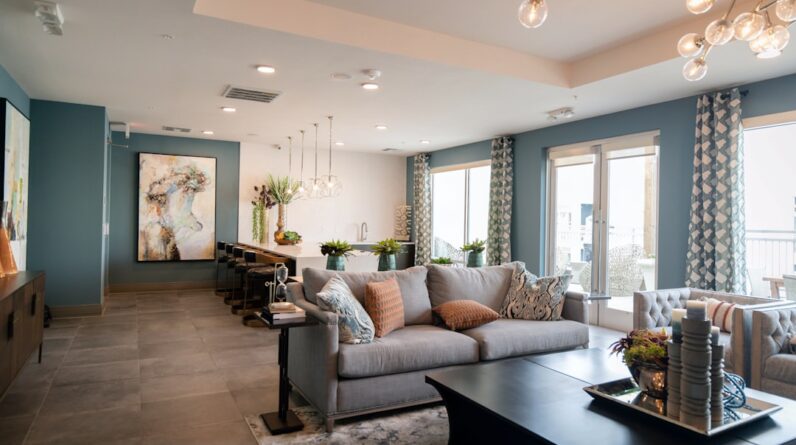
Living room furniture typically includes sofas, chairs, coffee tables, and entertainment centers. These items not only serve practical functions but also set the visual tone for your primary living space.
Bedroom Furniture
Bedroom furniture encompasses beds, dressers, nightstands, and sometimes chairs or benches. The designs in this area should convey comfort and relaxation, making your sanctuary inviting at the end of the day.
Dining Room Furniture
Dining tables, chairs, and storage solutions (like buffets or sideboards) form the core of your dining room setup. This category promotes communal interactions and celebrations around shared meals, so consider the atmosphere you want to create.
Office Furniture
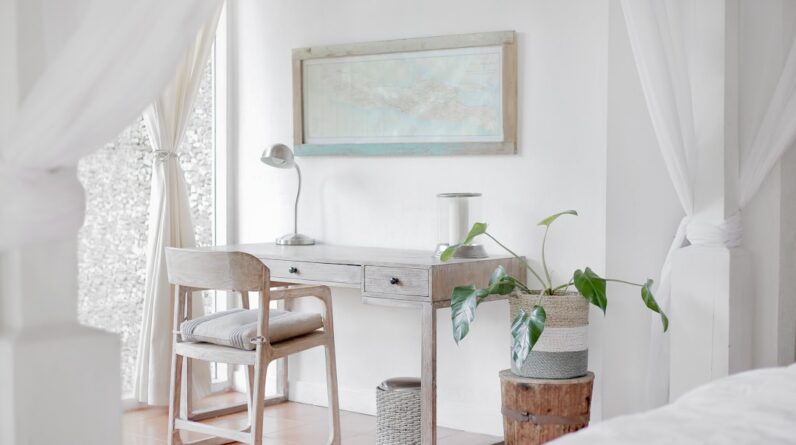
Whether you have a designated home office or a nook for remote work, office furniture—desks, chairs, and shelving—should remain functional yet stylish. This category reflects productivity and creativity while aiding in maintaining an organized workspace.
Outdoor Furniture
Often overlooked, outdoor furniture allows you to extend your living space beyond your four walls. Comfortable seating and dining options can transform a backyard or patio into an oasis for entertaining or relaxation.
Embracing Trends and Timelessness
While it’s essential to remain aware of current trends in furniture design, it’s equally important to focus on timelessness. While you might be drawn to the latest design fads, remember that trends can fade quickly.
Investing in classic pieces that stand the test of time while allowing yourself the freedom to explore contemporary trends will help you develop a balanced and enduring style. Mixing and matching both can keep your interiors fresh while ensuring they remain relatable and stylish for years to come.
Conclusion: The Indelible Impact of Furniture
As we explore the role of furniture in interior design, it becomes clear that it’s far more than mere decoration. It defines functionality, supports lifestyle changes, sets moods, and creates a lasting impression on those who enter your home.
Your furniture choices can tell stories, evoke feelings, and transform living spaces into something extraordinary. So take a moment to reevaluate your current furniture and how it interacts with your space. With intention and creativity, you can curate a beautiful, functional, and inviting environment that embodies your unique personality and style.
If you enjoyed this article, consider clapping for it, leaving a comment below, and subscribing to my Medium newsletter for future updates. Let’s continue exploring the wonderful world of interior design together!