When embarking on a design project, the first step you must take is to gain a comprehensive understanding of your client’s budget. This foundational knowledge is crucial, as it sets the parameters for every decision that follows. You should engage in an open dialogue with your client, encouraging them to share their financial constraints and expectations.
By doing so, you can establish a clear picture of what is feasible and what might require adjustments. It’s essential to ask probing questions about their priorities and any flexibility they might have in their budget. This will not only help you align your design vision with their financial reality but also foster trust and transparency in your working relationship.
Once you have a firm grasp of the budget, you can begin to categorize expenses into essential and non-essential items. This categorization allows you to prioritize spending effectively, ensuring that the most critical aspects of the design are adequately funded. You might find that your client has specific areas where they are willing to splurge, such as high-quality flooring or custom cabinetry, while being more conservative in other areas like decorative accessories.
By understanding these nuances, you can create a design plan that respects their financial limits while still delivering a beautiful and functional space.
Key Takeaways
- Understanding the client’s budget is crucial for creating a design plan that meets their financial constraints and expectations.
- Offering flexible design options allows clients to choose elements that fit within their budget while still achieving their desired aesthetic.
- Utilizing cost-effective materials and furnishings helps to keep the overall project cost down without sacrificing style or quality.
- Prioritizing design elements within the budget ensures that the most important aspects of the design are given the appropriate financial allocation.
- Sourcing affordable and stylish decor allows for the creation of a beautiful space without breaking the bank.
Offering Flexible Design Options
Empowering Clients through Multiple Design Concepts
Flexibility in design options is key to accommodating varying budgets while still achieving a stunning outcome. As you work with your client, consider presenting multiple design concepts that cater to different price points. This approach not only empowers your client to make informed decisions but also demonstrates your commitment to meeting their needs.
Exploring Creative Solutions
For instance, you might propose a high-end kitchen remodel alongside a more budget-friendly alternative that utilizes similar layouts and styles but incorporates less expensive materials or finishes. Moreover, offering flexible design options allows you to explore creative solutions that can enhance the overall aesthetic without breaking the bank. You could suggest alternative layouts that maximize space and functionality while minimizing costs.
Thinking Outside the Box
For example, if your client dreams of an open-concept living area but is concerned about structural changes, you might recommend using strategic furniture placement and color schemes to create the illusion of openness. By thinking outside the box and providing various options, you can help your client feel confident in their choices while staying within their budget.
Utilizing Cost-Effective Materials and Furnishings
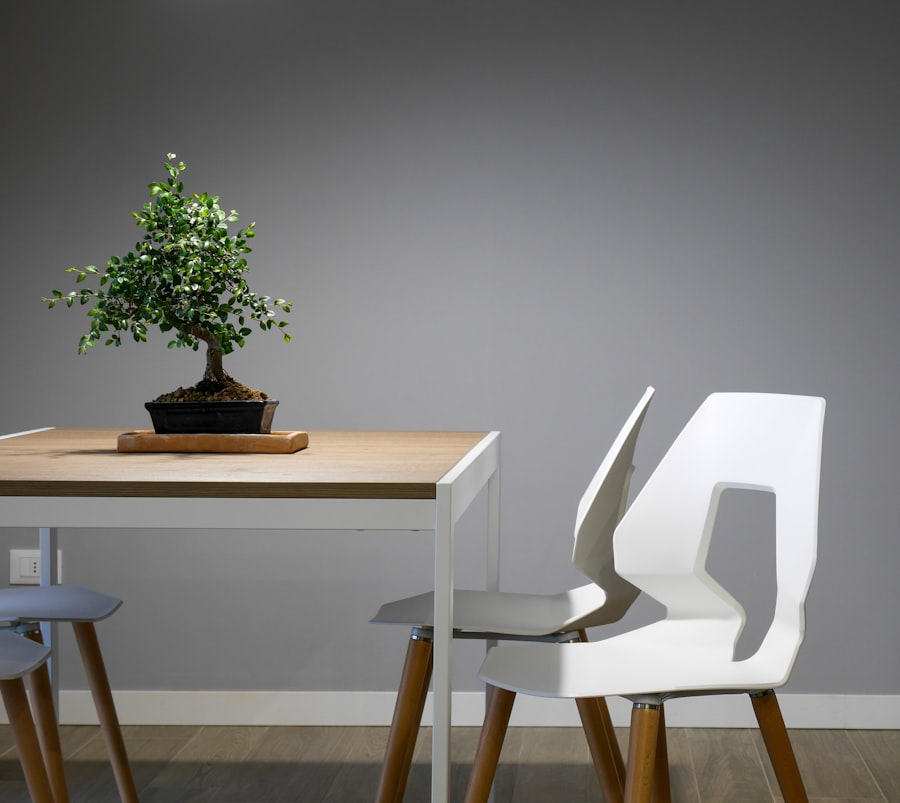
In the world of design, the materials and furnishings you choose can significantly impact the overall cost of a project. As you work with your client, it’s essential to identify cost-effective alternatives that do not compromise on style or quality. For instance, instead of opting for expensive hardwood flooring, you might suggest laminate or luxury vinyl planks that mimic the look of wood at a fraction of the price.
These materials can provide durability and aesthetic appeal without straining your client’s budget. Additionally, consider sourcing furnishings from outlets or manufacturers that offer high-quality products at lower prices. Many retailers provide stylish options that are both affordable and functional.
You can also explore second-hand shops or online marketplaces for unique pieces that add character to the design while keeping costs down. By being resourceful and creative in your material selections, you can help your client achieve a polished look without overspending.
Prioritizing Design Elements within the Budget
As you navigate the design process, prioritizing elements within the budget becomes paramount. You should work closely with your client to identify which aspects of the design are most important to them. This could include features like lighting fixtures, cabinetry, or countertops that significantly impact the overall aesthetic and functionality of the space.
By focusing on these key elements, you can allocate more of the budget toward items that will make a substantial difference in the final outcome. In addition to prioritizing specific elements, it’s also wise to consider how different components interact with one another. For example, if your client is passionate about a particular color scheme or style, you can find ways to incorporate those preferences into less expensive elements, such as paint or accessories.
This strategy allows you to maintain the integrity of the design while ensuring that essential features receive the funding they deserve. By striking this balance, you can create a cohesive and visually appealing space that aligns with your client’s vision and budget.
Sourcing Affordable and Stylish Decor
Decor plays a vital role in bringing a design to life, but it doesn’t have to come with a hefty price tag. As you work with your client, focus on sourcing affordable yet stylish decor that enhances the overall aesthetic without compromising quality. You might explore local boutiques, online retailers, or even thrift stores for unique finds that can serve as statement pieces in the design.
By being resourceful in your decor selections, you can help your client achieve a curated look without overspending. Another effective strategy is to encourage your client to invest in a few high-impact decor items while filling in the rest with more budget-friendly options. For instance, a striking piece of artwork or an eye-catching light fixture can serve as focal points in a room, allowing for more economical choices in other areas.
This approach not only elevates the overall design but also gives your client the satisfaction of having invested in standout pieces that reflect their personal style.
Providing DIY and Budget-Friendly Design Tips

Incorporating DIY elements into your design plan can be an excellent way for clients to save money while adding a personal touch to their space. As you collaborate with your client, consider suggesting simple DIY projects that align with their skills and interests. Whether it’s painting an accent wall, creating custom shelving, or upcycling old furniture, these projects can be both fulfilling and cost-effective.
By empowering your clients to take part in the design process, you not only help them save money but also foster a sense of ownership over their space. Additionally, sharing budget-friendly design tips can further enhance your client’s experience. For example, you might recommend shopping sales or using coupons when purchasing materials or furnishings.
You could also suggest seasonal decor changes that allow them to refresh their space without significant investment. By equipping your clients with practical advice and encouraging their creativity, you can help them achieve a beautiful design while staying within their financial means.
Offering Payment Plans and Financing Options
Understanding that not all clients have immediate access to funds for their design projects is crucial. As a designer, offering payment plans or financing options can make your services more accessible and appealing. By breaking down the total cost into manageable installments, you allow clients to invest in their dream spaces without feeling overwhelmed by upfront expenses.
This flexibility can be particularly beneficial for larger projects where costs may accumulate quickly. When discussing payment options with clients, be transparent about any associated fees or interest rates involved in financing plans. Providing clear information helps build trust and ensures that clients feel comfortable making financial decisions regarding their projects.
By offering these options, you demonstrate your commitment to accommodating their needs while making high-quality design services attainable.
Collaborating with Clients to Find Creative Solutions
Collaboration is at the heart of successful design projects, especially when working within budget constraints. As you engage with your clients throughout the process, encourage open communication and brainstorming sessions where they can share their ideas and preferences freely. This collaborative approach not only fosters creativity but also allows you to uncover innovative solutions that align with both their vision and budget.
You might find that clients have unique insights or preferences that lead to unexpected design breakthroughs. For instance, they may have specific family heirlooms or sentimental items they wish to incorporate into the design. By embracing these elements and finding ways to integrate them creatively into the overall scheme, you can create a space that feels personal and meaningful while adhering to budgetary limits.
Ultimately, this collaborative spirit enhances the final outcome and ensures that clients feel truly satisfied with their investment in the project. In conclusion, navigating budget constraints in design requires a thoughtful approach that prioritizes communication, creativity, and collaboration. By understanding your client’s financial limitations and offering flexible options, cost-effective materials, and stylish decor solutions, you can create beautiful spaces that reflect their vision without exceeding their budget.
Empowering clients through DIY tips and providing accessible payment plans further enhances their experience while fostering trust in your expertise as a designer. Ultimately, by working together creatively, you can achieve remarkable results that leave both you and your clients feeling fulfilled and excited about their transformed spaces.
FAQs
What are interior design services?
Interior design services involve the planning and execution of interior spaces to create a functional and aesthetically pleasing environment. This can include selecting furniture, color schemes, lighting, and other elements to enhance the space.
How can interior design services accommodate various budgets?
Interior design services can accommodate various budgets by offering different levels of service, such as full-service design, design consultations, or e-design services. Designers can also work with clients to prioritize their needs and allocate the budget accordingly.
What are some cost-effective interior design options?
Some cost-effective interior design options include using existing furniture and accessories, repurposing or upcycling items, shopping at budget-friendly stores, and focusing on small but impactful changes such as paint and lighting.
How can interior designers help clients save money?
Interior designers can help clients save money by leveraging their industry connections to access trade discounts on furniture and materials, providing cost-effective design solutions, and helping clients avoid costly mistakes by providing expert guidance.
What are some tips for working with an interior designer on a budget?
Some tips for working with an interior designer on a budget include being clear about budget constraints from the beginning, being open to compromise and alternative solutions, and communicating openly about priorities and expectations.