In today’s world, outdoor landscaping has become an essential component of contemporary home design. As you step outside your front door, the landscape serves as an extension of your living space, offering a unique opportunity to enhance your lifestyle. The way you design your outdoor area can significantly impact not only the aesthetic appeal of your home but also its functionality and value.
A well-thought-out landscape can create a welcoming atmosphere, inviting you and your guests to enjoy the beauty of nature right at your doorstep. Moreover, outdoor landscaping plays a crucial role in establishing a connection between your home and the surrounding environment. In an era where urbanization is on the rise, having a thoughtfully designed outdoor space allows you to escape the hustle and bustle of city life.
It provides a sanctuary where you can unwind, entertain, or simply appreciate the beauty of nature. By investing time and resources into your outdoor landscape, you are not only enhancing your home’s curb appeal but also creating a personal retreat that reflects your style and values.
Key Takeaways
- Outdoor landscaping is crucial in contemporary home design for its aesthetic and functional benefits.
- Creating a seamless transition from indoors to outdoors enhances the overall living experience and expands the usable space of the home.
- Enhancing the aesthetics of the home’s exterior through landscaping can significantly increase its curb appeal and overall value.
- Incorporating sustainable and eco-friendly elements in outdoor landscaping is not only beneficial for the environment but also adds a modern and responsible touch to the design.
- Adding functional outdoor living spaces such as patios, decks, and outdoor kitchens can greatly improve the usability and enjoyment of the outdoor area.
Creating a Seamless Transition from Indoors to Outdoors
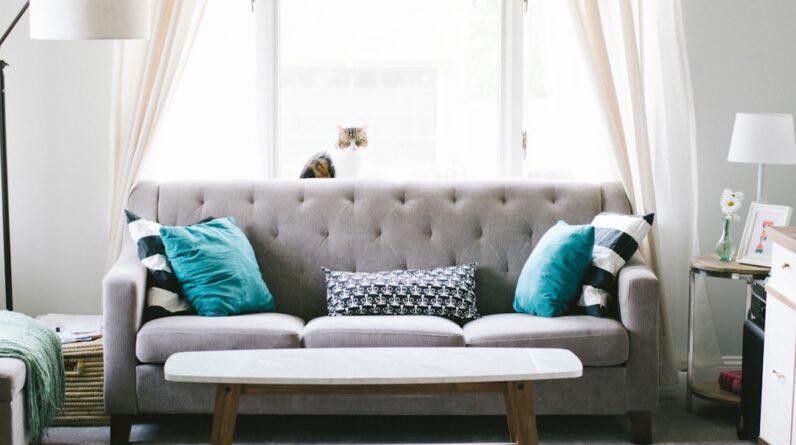
One of the most effective ways to enhance your home’s design is by creating a seamless transition between indoor and outdoor spaces. This can be achieved through various design elements, such as large sliding glass doors or expansive windows that allow natural light to flood into your home while providing unobstructed views of your outdoor landscape. When you open those doors, you want to feel as if you are stepping into an extension of your living area rather than a separate entity.
Incorporating similar materials and color palettes in both indoor and outdoor spaces can further enhance this connection. For instance, using the same flooring material for your patio as you have indoors can create a cohesive look that blurs the lines between the two areas. Additionally, consider adding outdoor furniture that mirrors your indoor decor style, allowing for a harmonious flow that invites you to enjoy both spaces equally.
By focusing on these design elements, you can create an inviting atmosphere that encourages you to spend more time outdoors.
Enhancing the Aesthetics of the Home’s Exterior
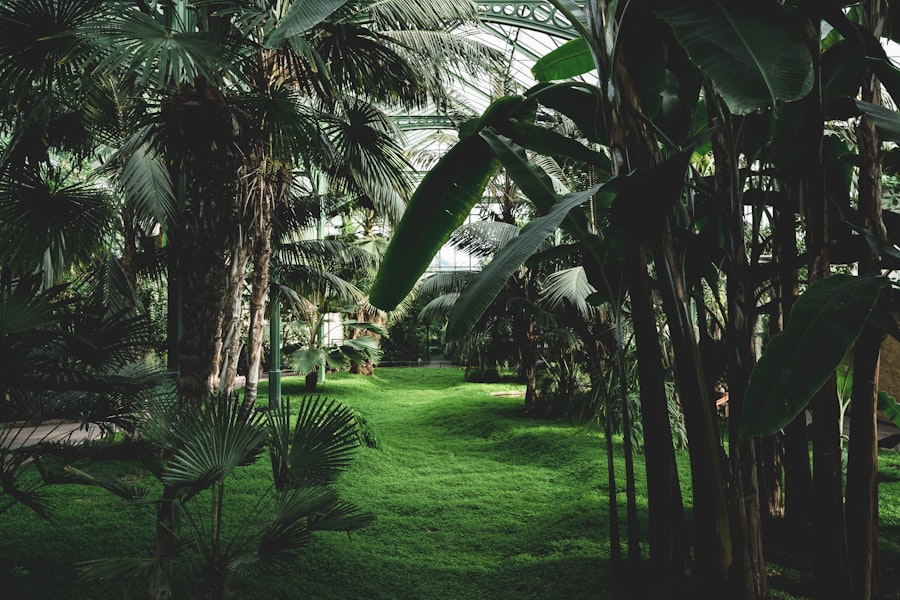
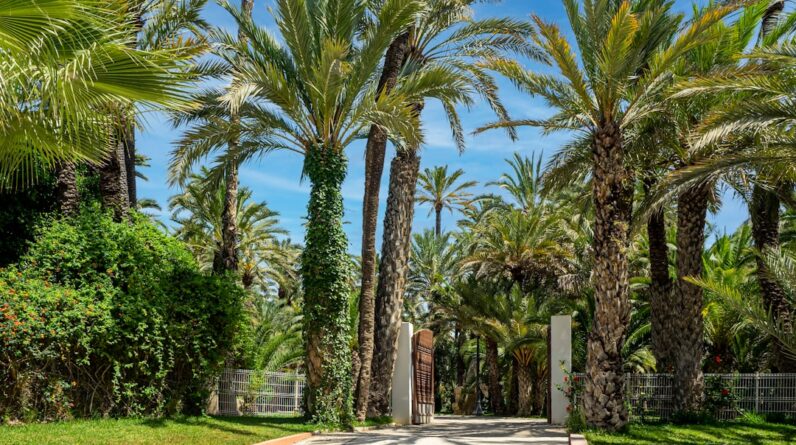
The exterior of your home is the first impression visitors will have, making it essential to enhance its aesthetics through thoughtful landscaping. You can achieve this by incorporating various elements such as flower beds, shrubs, and trees that complement the architectural style of your home. For instance, if you have a modern home with clean lines, consider using minimalist landscaping with geometric shapes and a limited color palette to maintain that contemporary feel.
In addition to plants, hardscaping features like pathways, patios, and retaining walls can significantly enhance the visual appeal of your home’s exterior. These elements not only add texture and depth but also provide functional spaces for relaxation and entertainment. By carefully selecting materials that harmonize with your home’s design, you can create an exterior that is both beautiful and inviting.
Remember, the goal is to create a landscape that reflects your personal style while enhancing the overall architecture of your home.
Incorporating Sustainable and Eco-Friendly Elements
As environmental awareness continues to grow, incorporating sustainable and eco-friendly elements into your outdoor landscaping has become increasingly important. You can start by selecting native plants that require less water and maintenance, promoting biodiversity while reducing your environmental footprint. Native plants are well-adapted to local climates and soil conditions, making them an excellent choice for sustainable landscaping.
Additionally, consider implementing rain gardens or permeable paving to manage stormwater runoff effectively. These features not only help protect local waterways but also contribute to the overall health of your landscape. You might also explore options for using recycled materials in hardscaping or installing solar-powered lighting to reduce energy consumption.
By prioritizing sustainability in your outdoor design, you can create a beautiful landscape that aligns with eco-friendly values while contributing positively to the environment.
Adding Functional Outdoor Living Spaces
Creating functional outdoor living spaces is essential for maximizing the enjoyment of your landscape. Think about how you want to use your outdoor area—whether for entertaining guests, relaxing with family, or enjoying quiet moments alone—and design accordingly. You might consider adding features such as an outdoor kitchen, dining area, or fire pit to create inviting spaces for gatherings and celebrations.
In addition to entertainment areas, incorporating comfortable seating options and shaded spots can enhance the usability of your outdoor space throughout the day. Pergolas or awnings can provide relief from the sun while adding visual interest to your landscape. By thoughtfully designing these functional areas, you can transform your outdoor space into an extension of your home that caters to your lifestyle needs.
Using Landscaping to Create Privacy and Security
Landscaping can also play a vital role in creating privacy and security around your home. You may want to consider using tall hedges or privacy screens to shield your outdoor spaces from prying eyes while still allowing light and air to flow through. Strategically placed trees can also serve as natural barriers that enhance privacy without feeling confining.
In addition to visual privacy, incorporating lighting features along pathways and entry points can improve security while adding ambiance to your landscape at night. Motion-sensor lights can deter intruders while providing peace of mind as you enjoy your outdoor space after dark. By combining privacy-enhancing elements with security features, you can create a safe haven that allows you to relax and enjoy your surroundings without worry.
Choosing Plants and Materials that Complement the Home’s Design
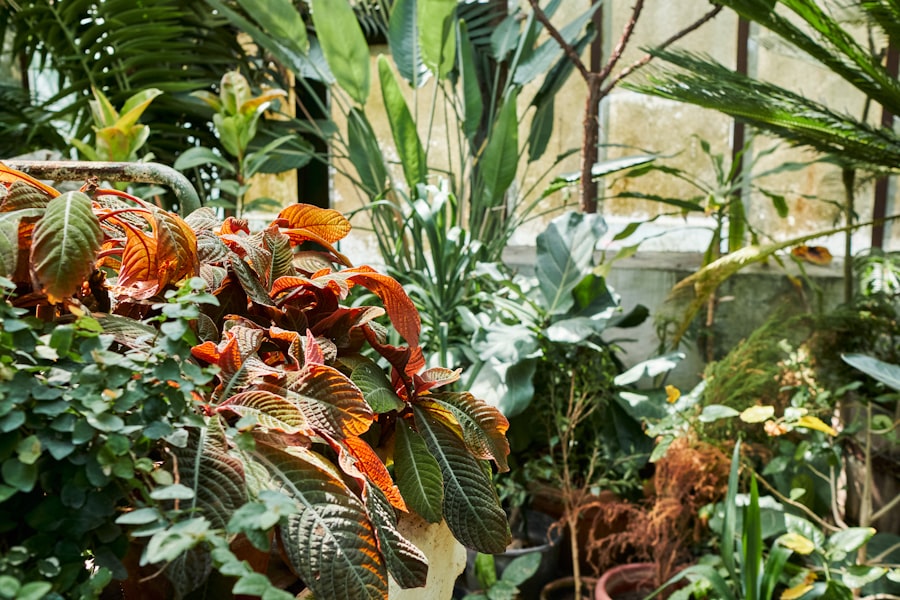
Selecting the right plants and materials is crucial for creating a cohesive outdoor landscape that complements your home’s design. When choosing plants, consider their size, color, and texture in relation to your home’s architecture. For example, if you have a traditional-style home, opt for classic plants like boxwoods or hydrangeas that evoke timeless elegance.
Conversely, if your home has a more modern aesthetic, consider using bold foliage or sculptural plants that make a statement. In terms of materials, think about how they relate to both your home’s exterior and the surrounding environment. Natural stone pathways or wooden decks can create warmth and texture that harmonizes with various architectural styles.
Additionally, consider incorporating decorative elements like sculptures or water features that reflect your personal taste while enhancing the overall design. By carefully selecting plants and materials that complement each other and your home’s architecture, you can create a visually stunning landscape that feels intentional and well-designed.
Maintaining and Caring for the Outdoor Landscape to Preserve the Overall Design
Once you’ve invested time and effort into creating a beautiful outdoor landscape, maintaining it becomes essential for preserving its overall design. Regular upkeep not only ensures that plants remain healthy but also keeps your outdoor space looking its best throughout the seasons. Establishing a maintenance routine that includes watering, pruning, and fertilizing will help keep your landscape vibrant and thriving.
Additionally, consider seasonal changes when planning maintenance tasks. For instance, fall may require leaf cleanup and preparation for winter dormancy, while spring is an excellent time for planting new flowers or refreshing mulch beds. By staying proactive in caring for your landscape, you can ensure it continues to enhance the beauty of your home while providing enjoyment for years to come.
Remember that a well-maintained landscape not only adds value to your property but also creates an inviting atmosphere for family and friends alike.
FAQs
What is outdoor landscaping?
Outdoor landscaping refers to the design and arrangement of outdoor spaces, including gardens, lawns, trees, shrubs, and other natural elements, to enhance the aesthetic appeal and functionality of a property.
How does outdoor landscaping complement the overall design of a contemporary home?
Outdoor landscaping can complement the overall design of a contemporary home by creating a seamless transition between the indoor and outdoor spaces, enhancing the visual appeal of the property, and adding to the overall ambiance and atmosphere.
What are some key elements of outdoor landscaping that can complement a contemporary home?
Key elements of outdoor landscaping that can complement a contemporary home include clean lines, minimalistic design, use of natural materials, sustainable and eco-friendly features, and integration of outdoor living spaces.
What role does outdoor landscaping play in enhancing the curb appeal of a contemporary home?
Outdoor landscaping plays a crucial role in enhancing the curb appeal of a contemporary home by creating a welcoming and visually appealing exterior, which can significantly impact the overall impression of the property.
How can outdoor landscaping be tailored to complement the specific design and architecture of a contemporary home?
Outdoor landscaping can be tailored to complement the specific design and architecture of a contemporary home by incorporating elements that reflect the home’s style, such as geometric shapes, modern materials, and a cohesive color palette.