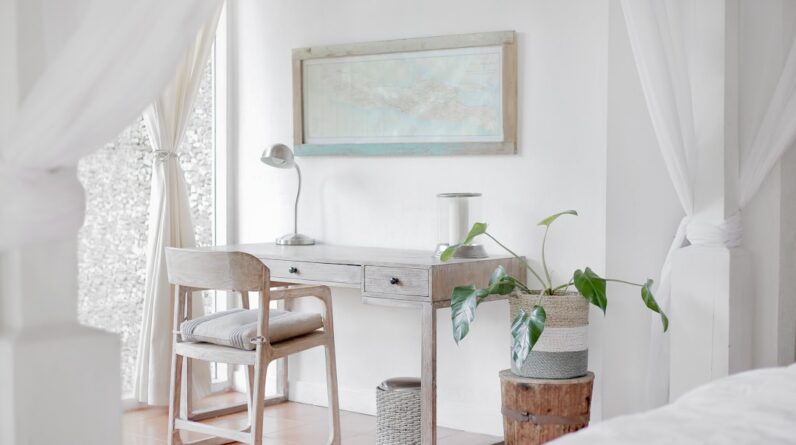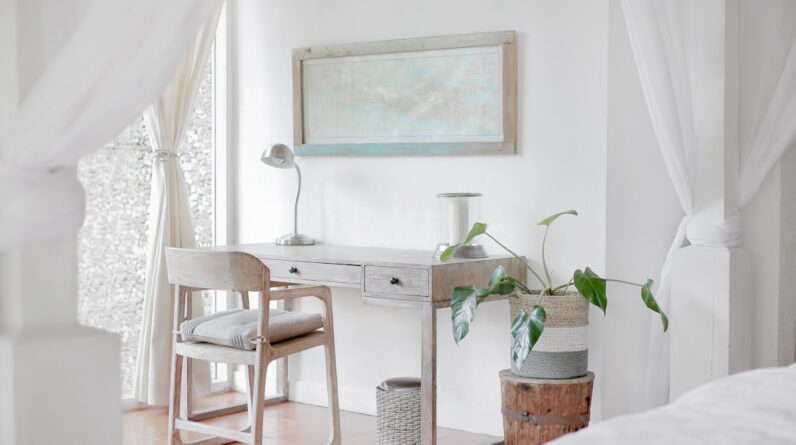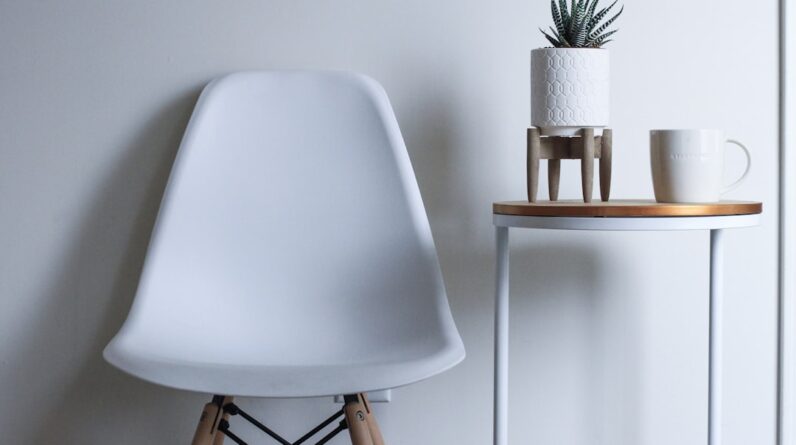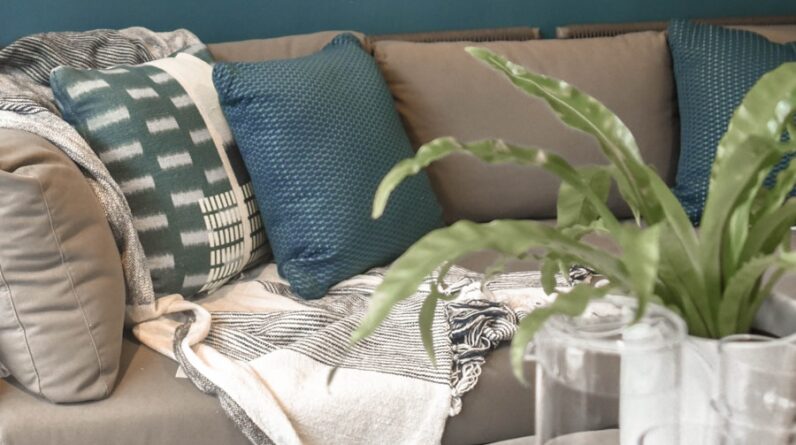
In a world that often feels cluttered and overwhelming, minimalism and simplicity have emerged as powerful design philosophies. You may find that embracing minimalism allows you to create spaces that are not only aesthetically pleasing but also promote a sense of calm and clarity. By stripping away the unnecessary, you can focus on what truly matters, both in your living environment and in your life.
This approach encourages you to curate your belongings thoughtfully, ensuring that each item serves a purpose or brings you joy. The result is a serene atmosphere that fosters mindfulness and intentionality. Simplicity in design often translates to clean lines, open spaces, and a neutral color palette.
You might choose to incorporate furniture with sleek silhouettes and unobtrusive designs, allowing the space to breathe. This doesn’t mean your home has to feel stark or cold; rather, it can be warm and inviting through the careful selection of textures and materials. By prioritizing quality over quantity, you can create a harmonious environment that reflects your values and lifestyle, making your home a true sanctuary.
Key Takeaways
- Minimalism and simplicity are key principles in modern design, focusing on clean lines and clutter-free spaces.
- Natural and sustainable materials such as wood, bamboo, and cork are favored for their eco-friendly properties and timeless appeal.
- Biophilic design incorporates elements of nature into the built environment, promoting well-being and connection to the outdoors.
- Statement lighting fixtures serve as focal points and add a touch of drama and personality to a space.
- Bold colors and patterns are used to inject energy and personality into a room, creating visual interest and impact.
- Multi-functional and flexible furniture adapts to different needs and spaces, maximizing functionality and versatility.
- Vintage and retro elements add character and nostalgia to a space, creating a sense of warmth and history.
- Personalization and customization allow individuals to express their unique style and preferences, creating a truly personalized living space.
Natural and Sustainable Materials
Natural Beauty, Ecological Responsibility
The choice of materials plays a crucial role in shaping the overall aesthetic and environmental impact of your space. Opting for natural and sustainable materials not only enhances the beauty of your home but also aligns with a growing awareness of ecological responsibility. Materials like reclaimed wood, bamboo, and organic cotton add warmth and character to your interiors while telling a story of sustainability and respect for the planet.
Stylish and Ethical Design
Incorporating sustainable materials into your design can be both stylish and ethical. For instance, reclaimed wood can be transformed into stunning furniture pieces or accent walls, providing a rustic charm while reducing waste. Similarly, natural fibers such as jute or sisal can be used for rugs, adding texture and comfort underfoot.
Creating a Healthier Environment
By choosing sustainable options, you contribute to a healthier environment while creating a space that feels grounded and connected to nature.
Biophilic Design
Biophilic design is an innovative approach that seeks to connect people with nature through the built environment. As you explore this concept, you may discover how incorporating natural elements into your home can significantly enhance your well-being. This design philosophy emphasizes the importance of bringing the outdoors inside, whether through the use of plants, natural light, or organic shapes.
You might consider adding large windows that invite sunlight to flood your space or incorporating indoor plants that purify the air and create a sense of tranquility. The benefits of biophilic design extend beyond aesthetics; studies have shown that exposure to nature can reduce stress, improve mood, and boost productivity. You could create a serene reading nook surrounded by greenery or design an open-plan living area that seamlessly integrates outdoor spaces.
By fostering this connection with nature, you not only enhance the beauty of your home but also cultivate a healthier lifestyle that nurtures both body and mind.
Statement Lighting
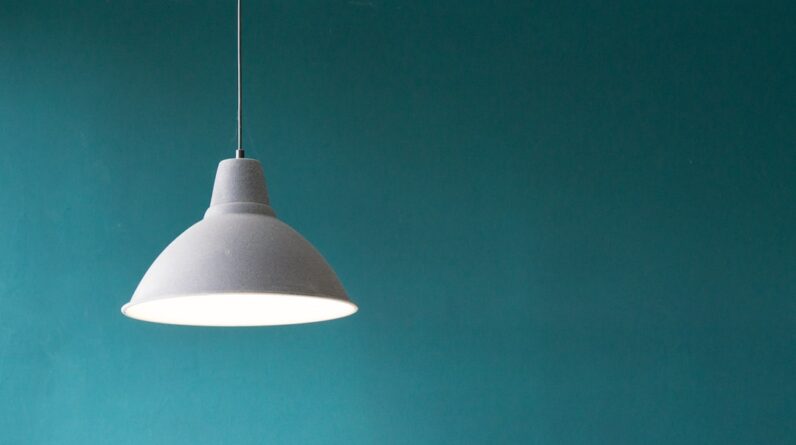
Lighting is often an overlooked aspect of interior design, yet it has the power to transform a space dramatically. As you consider your lighting choices, think about how statement lighting fixtures can serve as focal points in your home. A bold chandelier or an artistic pendant light can draw the eye and set the tone for an entire room.
You might choose fixtures that reflect your personal style—whether it’s modern, vintage, or eclectic—creating an atmosphere that resonates with who you are. Beyond aesthetics, effective lighting design also involves layering different types of light to create depth and warmth. You may want to combine ambient lighting with task and accent lighting to enhance functionality while maintaining visual interest.
Dimmers can also be a valuable addition, allowing you to adjust the mood according to the time of day or occasion. By thoughtfully selecting statement lighting, you can elevate your space while ensuring it remains inviting and comfortable.
Bold Colors and Patterns
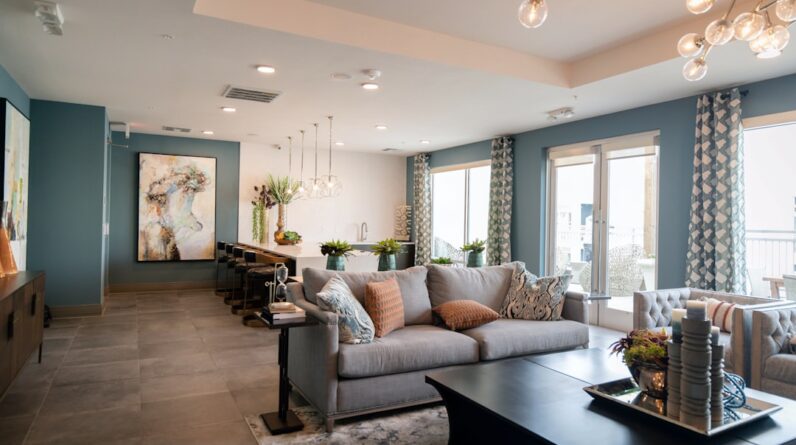
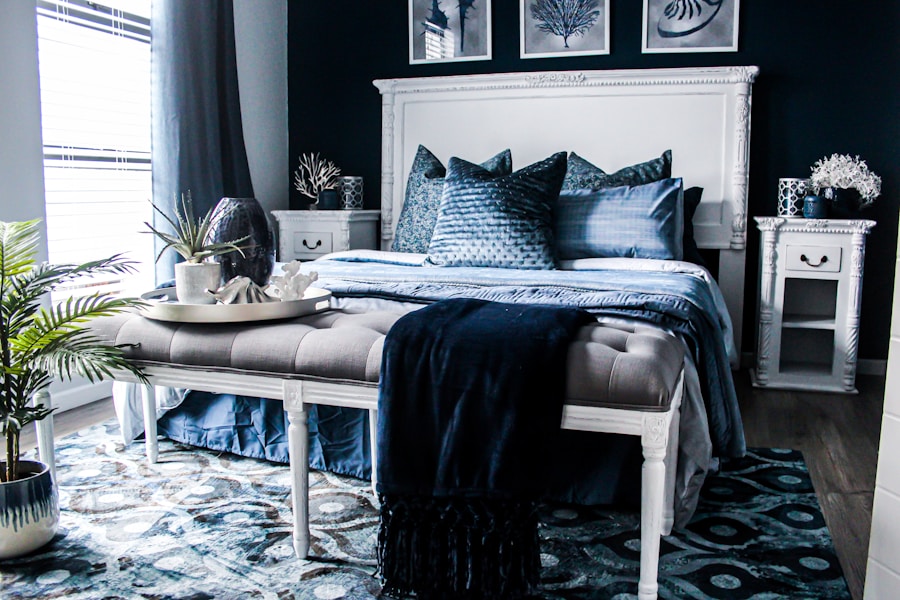
If you’re looking to infuse energy and personality into your home, bold colors and patterns can be your best allies. You might find that vibrant hues can evoke emotions and set the mood for different spaces. For instance, a rich navy blue can create a sense of calm in a bedroom, while a lively yellow can energize a kitchen or living area.
When choosing colors, consider how they interact with natural light throughout the day; this can significantly influence how they appear in your space. Patterns also play a vital role in adding visual interest and character to your interiors. You could experiment with geometric prints on throw pillows or opt for a statement wallpaper that serves as an eye-catching backdrop.
Mixing patterns can be an exciting way to showcase your creativity; just remember to maintain some balance by varying the scale and color palette. By embracing bold colors and patterns, you can create a dynamic environment that reflects your unique style and invigorates your daily life.
Multi-functional and Flexible Furniture
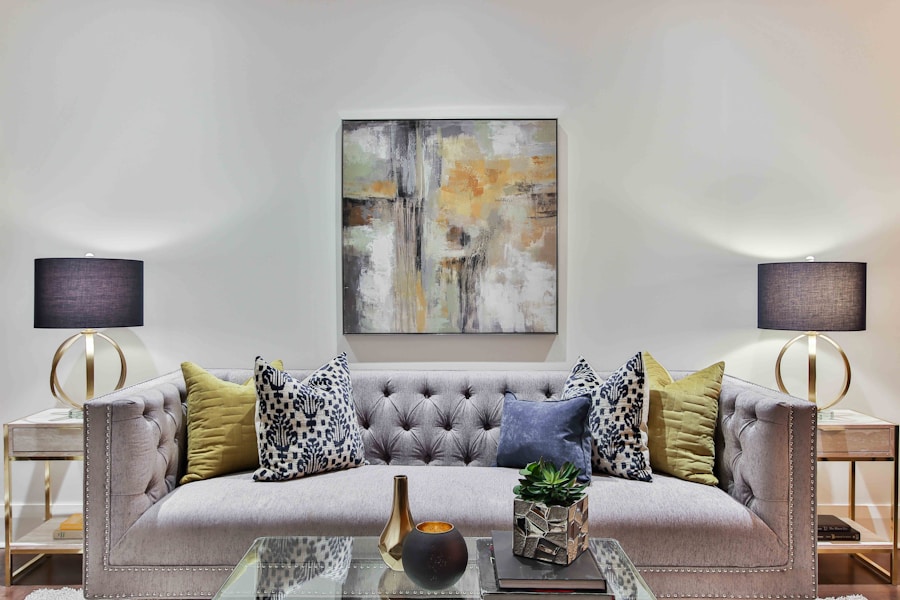
Space-Saving Solutions
For example, a sofa bed can provide seating during the day and transform into a comfortable sleeping area at night—perfect for accommodating guests in smaller homes.
Modular Furniture Options
You might also explore modular furniture options that allow you to rearrange pieces according to your lifestyle or preferences. Ottomans with hidden storage or coffee tables that double as workspaces are just a few examples of how innovative design can enhance functionality.
Investing in the Future
By investing in multi-functional furniture, you not only optimize your living space but also create an environment that evolves with you over time.
Vintage and Retro Elements
Incorporating vintage and retro elements into your home can add depth and character while telling a story about your personal style. You may find that mixing old with new creates an eclectic vibe that feels both timeless and contemporary. Scouring thrift stores or flea markets for unique finds can be an exciting adventure; each piece has its own history and charm that can enrich your living space.
Consider using vintage furniture as statement pieces or accessorizing with retro decor items like mid-century modern lamps or art prints from past decades. These elements can serve as conversation starters while adding layers of interest to your design scheme. By blending vintage items with modern aesthetics, you create a harmonious balance that reflects both nostalgia and innovation—making your home truly one-of-a-kind.
Personalization and Customization
Ultimately, personalization and customization are what make a house feel like a home. As you embark on your design journey, think about how you can infuse your personality into every corner of your space. This could involve displaying cherished photographs, incorporating artwork from local artists, or even commissioning custom furniture pieces that reflect your style preferences.
You might also consider DIY projects that allow you to express your creativity while adding unique touches to your home. Whether it’s painting an accent wall in a color that resonates with you or creating handmade decor items, these personal touches will make your space feel distinctly yours. By prioritizing personalization and customization in your design choices, you create an environment that not only looks beautiful but also tells the story of who you are—making every moment spent at home feel special and meaningful.
FAQs
What are the current interior design trends?
The current interior design trends include natural materials, earthy tones, sustainable and eco-friendly designs, maximalist and eclectic styles, and a focus on comfort and functionality.
How can I incorporate current interior design trends into my space?
You can incorporate current interior design trends into your space by using natural materials such as wood, stone, and rattan, incorporating earthy tones like warm neutrals and muted greens, adding sustainable and eco-friendly elements, embracing maximalist and eclectic styles, and prioritizing comfort and functionality in your design choices.